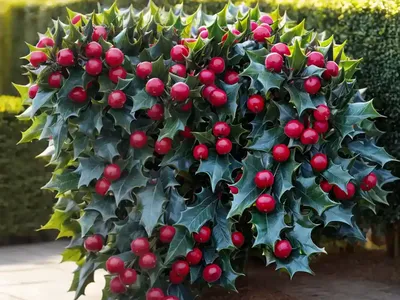
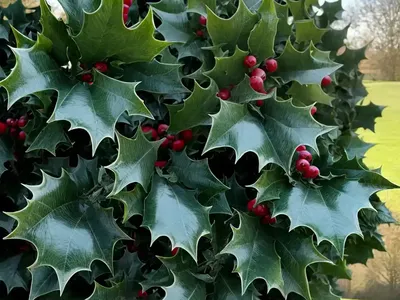
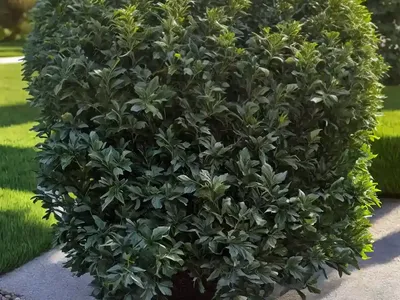
Japanese Holly (Ilex Crenata ‘Drops Of Gold’)
Japanese holly (Ilex crenata ‘Drops of Gold’) is a captivating evergreen shrub, prized for its ornamental features, versatile uses, and low maintenance.
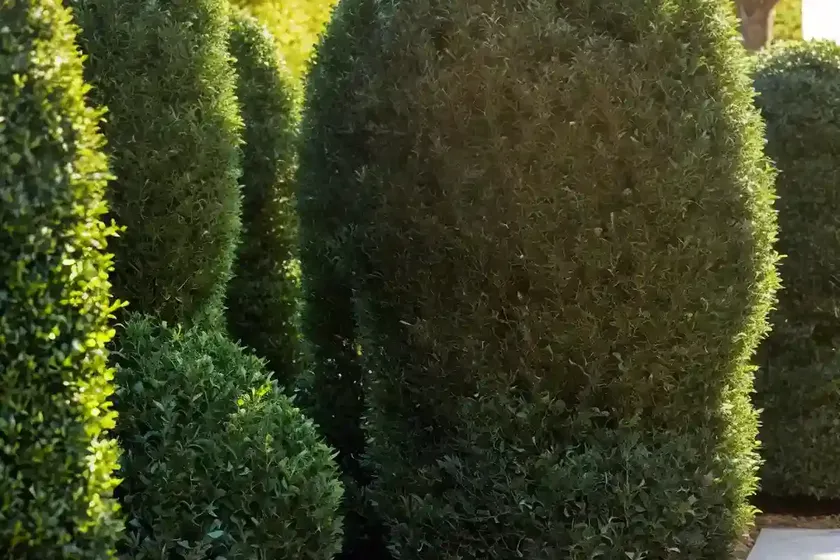
What is Plant: Japanese Holly (Ilex crenata ‘Drops of Gold’)?
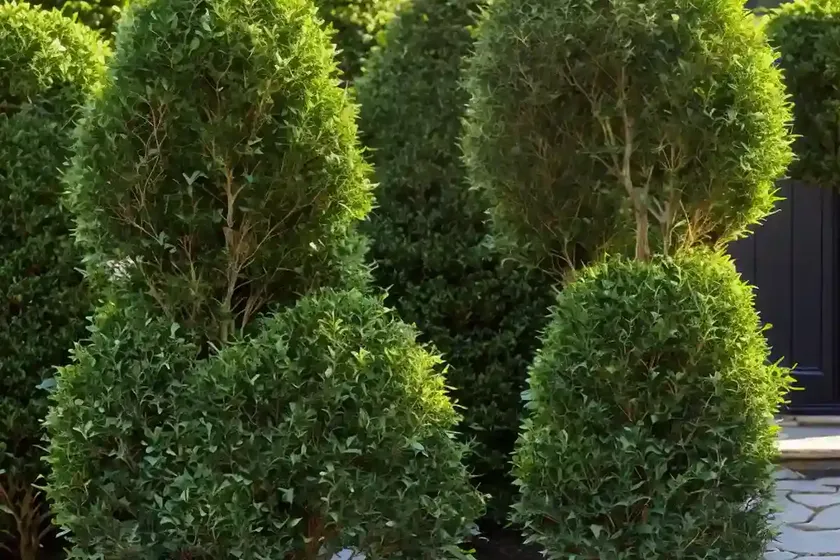
Japanese holly (Ilex crenata ‘Drops of Gold’) is a captivating evergreen shrub, prized for its ornamental features, versatile uses, and low maintenance requirements. This cultivar belongs to the Aquifoliaceae family and is a compact, slow-growing shrub that offers small, glossy, yellow-green leaves, making it an excellent addition to gardens, landscapes, and even indoor spaces. The compact nature of this plant and its attractive foliage make it a favorable choice for gardeners and landscapers looking for reliable and visually appealing plant species.
Key Takeaways for Japanese Holly (Ilex crenata ‘Drops of Gold’)
Culture
- Japanese holly (Ilex crenata ‘Drops of Gold’) is a compact, slow-growing evergreen shrub.
- The plant possesses small, glossy, yellow-green leaves that create visual interest and add vibrancy to gardens and landscapes.
- It is known for its resilience and adaptability, thriving in various environmental conditions.
Uses
- Japanese holly (Ilex crenata ‘Drops of Gold’) is commonly used as a decorative shrub in gardens and landscapes, providing visual appeal and structure to the surroundings.
- Its compact nature and attractive foliage make it suitable for ornamental hedges and topiary.
Water
- The Ilex crenata ‘Drops of Gold’ requires regular watering, especially during its establishment phase. Once established, it exhibits good drought tolerance.
Sunlight
- This plant thrives in partial to full sun, making it adaptable to different light conditions in gardens and landscapes.
Fertilizer
- The Japanese holly (Ilex crenata ‘Drops of Gold’) benefits from regular fertilization with a balanced, slow-release fertilizer to support healthy growth and foliage development.
Soil
- It prefers well-draining, slightly acidic soil and is adaptable to different soil types.
Pruning
- Pruning is essential to maintain the desired shape and size of the shrub. It can be pruned to form hedges or topiaries, adding structure to the landscape.
Propagation
- Japanese holly (Ilex crenata ‘Drops of Gold’) can be propagated through semi-hardwood cuttings, providing an opportunity for gardeners to expand their collection or share the plant with others.
Container Popularity
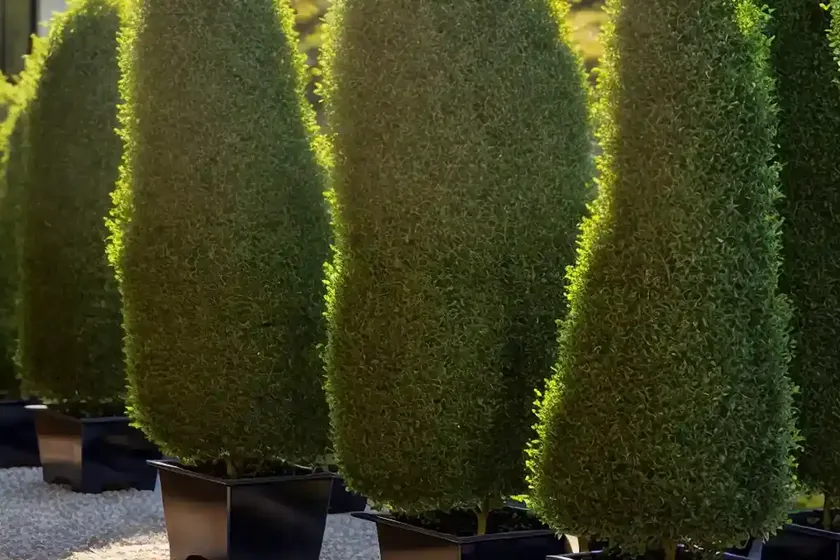
- The compact size and ornamental foliage make Japanese holly (Ilex crenata ‘Drops of Gold’) a popular choice for container gardening, allowing individuals to enjoy its beauty on patios, balconies, and urban spaces.
Common Diseases
- This cultivar is known for its disease resistance; however, proper care and maintenance are essential to prevent any potential issues.
Disease Diagnosis
- Regular monitoring for any signs of disease or stress is crucial to ensure the plant’s health. Timely diagnosis and treatment can help in maintaining its vitality.
Common Pests
- While relatively resistant to pests, occasional monitoring for common pests such as scale insects or mites is advisable to address any infestations promptly.
Botanist’s Tips
- The versatility, adaptability, and ornamental value of Japanese holly (Ilex crenata ‘Drops of Gold’) make it an excellent addition to diverse landscapes and gardens.
- Regular monitoring, proper care, and timely maintenance contribute to the plant’s health and longevity.
Fun Facts
- In traditional Japanese gardens, holly has been used as a symbol of protection and as a representation of steadfastness and determination.
- The plant’s association with festive decorations, especially during the holiday season, adds to its cultural significance and appeal.
Links to External Resources
For additional resources on Japanese holly (Ilex crenata ‘Drops of Gold’), you can refer to the following:
1. Royal Horticultural Society (RHS)
2. Missouri Botanical Garden
3. American Holly Society
4. University of Florida IFAS Extension
Now, let’s delve deeper into the various aspects related to the care and maintenance of the Japanese holly (Ilex crenata ‘Drops of Gold’).
Japanese Holly (Ilex crenata ‘Drops of Gold’) Planting Guide
Japanese Holly Planting Guide
When considering the ideal conditions for planting Japanese holly (Ilex crenata ‘Drops of Gold’), it is essential to recognize the environment and care requirements that will promote its growth and overall health. The following are guidelines to consider when planting this exquisite shrub:
-
Location: Select a location that receives partial to full sunlight, as Japanese holly thrives in these light conditions. Ensure that the chosen area provides adequate space for the plant to develop and expand.
-
Soil Preparation: Prepare the soil by ensuring it is well-draining and slightly acidic, with a pH ranging from 5.0 to 6.5. Amending the soil with organic matter can contribute to its overall health and provide a favorable growing environment for the plant.
-
Planting Depth: When planting Japanese holly, ensure that it is positioned at the same level as it was in the container. Avoid planting it too deep, as this can lead to issues with moisture retention and root development.
-
Watering: Water the plant thoroughly after planting to promote root establishment. Subsequently, maintain a regular watering schedule, especially during dry periods, to support its growth and resilience.
-
Mulching: Apply a layer of mulch around the base of the plant to help retain moisture, regulate soil temperature, and suppress weed growth. Mulching also contributes to the overall health of the planting area.
-
Establishment Phase: During the initial phase of establishment, ensure consistent care and maintenance to support the plant’s acclimatization to its new environment. Regular monitoring is crucial to identify and address any issues promptly.
By following these guidelines, you can establish Japanese holly (Ilex crenata ‘Drops of Gold’) successfully, laying the foundation for its growth and vitality in your garden or landscape.
Drops of Gold Holly Care Tips
Sunlight Requirements
Japanese holly (Ilex crenata ‘Drops of Gold’) thrives in partial to full sunlight. When selecting a planting location, ensure that it receives adequate light to support healthy growth and vibrant foliage. However, it is adaptable to different light conditions, making it a versatile choice for various environments.
Watering Needs
During the establishment phase, provide regular watering to support root development and acclimatization. Once established, Japanese holly exhibits good drought tolerance, requiring less frequent watering. However, it is important to ensure that the plant receives adequate moisture, especially during dry periods, to maintain its health and vitality.
Fertilization
Fertilize Japanese holly (Ilex crenata ‘Drops of Gold’) with a balanced, slow-release fertilizer to provide essential nutrients for healthy growth and foliage development. A fertilizer formulated for acid-loving plants can further support its overall well-being.
Soil Requirements
The plant prefers well-draining, slightly acidic soil with a pH level ranging from 5.0 to 6.5. It exhibits adaptability to different soil types, provided that they offer adequate drainage and a suitable pH range.
Pruning Techniques
Pruning is essential to maintain the desired shape and size of Japanese holly (Ilex crenata ‘Drops of Gold’). It can be pruned to form hedges, topiaries, or specific ornamental designs, adding structure and visual interest to gardens and landscapes. Regular pruning also promotes airflow and overall plant health.
Maintenance
Regular monitoring and maintenance are key to promoting the health and vitality of Japanese holly. Keep an eye out for any signs of stress, disease, or pest infestations, and address them promptly to ensure the plant’s well-being.
By adhering to these care tips, you can support the optimal growth and resilience of the Drops of Gold Holly, enhancing its ornamental value and longevity in your garden or landscape.
Japanese Holly Landscaping
Japanese holly (Ilex crenata ‘Drops of Gold’) offers diverse landscaping possibilities, owing to its compact size, vibrant foliage, and versatility. Incorporating this shrub into your landscape design can provide visual appeal, structure, and year-round interest. The following are key considerations for integrating Japanese holly into your landscaping:
Ornamental Hedges
Japanese holly is often used to create ornamental hedges, enhancing the aesthetic appeal of gardens and landscapes. Its small, glossy, yellow-green leaves add vibrancy and texture to hedge designs, serving as a charming backdrop or boundary within the landscape.
Topiaries and Ornamental Designs
The compact nature of Japanese holly makes it well-suited for topiary designs and ornamental shaping. With proper pruning and maintenance, it can be sculpted into various forms, such as spheres, cones, or other intricate designs, adding artistic flair to your landscaping.
Focal Point and Accent Planting
Utilize Japanese holly (Ilex crenata ‘Drops of Gold’) as a focal point or accent plant within your landscape. Its vibrant foliage and adaptable nature make it an excellent choice for creating visual interest and drawing attention to specific areas within the garden.
Mixed Plantings
Incorporate Japanese holly into mixed plantings to create dynamic and visually engaging combinations. Pair it with other compatible shrubs, perennials, or ground covers to create diverse textures, colors, and forms within the landscape, resulting in a harmonious and captivating composition.
Container Gardening
The compact size and ornamental foliage of Japanese holly make it a popular choice for container gardening. Enhance patios, decks, or urban spaces with the visual appeal of this shrub, bringing vibrancy and greenery to smaller outdoor environments.
By exploring these landscaping opportunities, you can unlock the potential of Japanese holly (Ilex crenata ‘Drops of Gold’) to contribute to the beauty and vitality of your garden and landscape.
Drops of Gold Holly Disease Prevention
Disease Resistance
Japanese holly (Ilex crenata ‘Drops of Gold’) is known for its resilience and disease resistance. However, proactive measures and proper care play a significant role in preventing potential issues and maintaining the plant’s health. The following practices can contribute to disease prevention:
-
Optimal Growing Conditions: Ensure that the plant is provided with suitable growing conditions, including proper sunlight, water, and soil requirements, to support its overall vigor and resilience.
-
Pruning and Maintenance: Regular pruning and maintenance contribute to the plant’s health by promoting airflow, reducing moisture-related issues, and preventing the development of disease-conducive conditions.
-
Monitoring for Signs of Stress: Regularly inspect the plant for any signs of stress, discoloration, or abnormal growth. Timely identification of issues can help in addressing potential concerns before they escalate.
-
Proper Watering: Avoid overwatering the plant, as excessive moisture can lead to root rot and other related issues. Maintain a balanced watering schedule to support healthy growth and minimize the risk of water-related diseases.
Disease Diagnosis
If you notice any concerning symptoms or changes in the plant’s appearance, such as leaf discoloration, wilting, or abnormal spots, it is important to diagnose the issue promptly. Seek guidance from local horticultural experts or resources to accurately identify any potential disease or stress-related factors affecting the plant.
Cultivation Practices
Adhering to proper cultivation practices, including suitable spacing, mulching, and soil management, can further contribute to disease prevention and overall plant health. Implementing these practices fosters an environment that minimizes the risk of disease development and supports the plant’s vitality.
By prioritizing disease prevention and proactive care measures, you can sustain the health and resilience of Drops of Gold Holly, ensuring its lasting beauty and vigor in your garden or landscape.
Drops of Gold Holly Pest Management
Pest Resistance
Japanese holly (Ilex crenata ‘Drops of Gold’) exhibits relatively strong resistance to pests. However, occasional monitoring and proactive measures can help in addressing any potential pest issues and preserving the plant’s health. The following pest management practices are beneficial:
-
Monitoring for Common Pests: Regularly inspect the plant for common pests such as scale insects, mites, or whiteflies. Early detection enables prompt intervention and minimizes the impact of pest infestations.
-
Natural Predators: Encourage the presence of natural predators and beneficial insects in the garden, as they can contribute to pest control and help in keeping pest populations in check.
-
Cultural Practices: Implement cultural practices that support the plant’s overall health and resilience, such as proper watering, soil maintenance, and suitable nutrient management. A healthy plant is better equipped to withstand potential pest pressures.
-
Integrated Pest Management (IPM): Utilize an integrated pest management approach, which integrates multiple techniques such as biological controls, cultural practices, and, if necessary, targeted pesticide applications. This holistic approach minimizes the reliance on chemical treatments and promotes a balanced ecosystem.
Timely Action
If pest issues are identified, take timely and appropriate action to address the infestation. Consult with local gardening experts or resources to determine the most effective and environmentally responsible pest management strategies for the specific pests affecting the Drops of Gold Holly.
Preventive Measures
Implement preventive measures, such as regular pruning, removal of debris, and promotion of overall plant health, to create an environment that is less conducive to pest infestations. These measures contribute to the long-term resilience of the plant against potential pest pressures.
By adopting these pest management practices and prioritizing a proactive approach to pest issues, you can safeguard the health and vitality of Drops of Gold Holly, ensuring its continued beauty and vigor in your garden or landscape.
Additional Resources
For further exploration of Japanese holly (Ilex crenata ‘Drops of Gold’) and related topics, consider the following external resources:
-
Royal Horticultural Society (RHS): The RHS offers comprehensive information on plant care, cultivation, and gardening practices, including valuable insights on Japanese holly and its varieties.
-
Missouri Botanical Garden: The Missouri Botanical Garden provides botanical expertise and educational resources, often featuring detailed plant profiles and cultivation guidance for enthusiasts and horticultural professionals.
-
American Holly Society: The American Holly Society is dedicated to the conservation and appreciation of hollies, offering specialized knowledge, publications, and networking opportunities for enthusiasts and professionals.
-
University of Florida IFAS Extension: The University of Florida IFAS Extension provides research-based information and educational resources on horticulture, horticultural pest management, and ornamental plant care, offering valuable insights into the cultivation and maintenance of Japanese holly.
By referring to these resources, you can access a wealth of knowledge and guidance to support your exploration and cultivation of Japanese holly (Ilex crenata ‘Drops of Gold’) and enrich your gardening experiences.
In conclusion, the Japanese holly (Ilex crenata ‘Drops of Gold’) stands out as an exceptional evergreen shrub, valued for its ornamental qualities, versatility, and resilience. Its compact size, vibrant foliage, and low-maintenance requirements make it an appealing choice for gardens, landscapes, and even container gardening. By understanding its culture, maintenance needs, disease and pest management, as well as its diverse uses, enthusiasts and horticultural professionals can fully appreciate and maximize the potential of this captivating plant.
Should you want to explore other plant species and horticultural topics, feel free to navigate our blog for in-depth insights and engaging perspectives on gardening, landscaping, and the remarkable world of plants. Happy gardening!