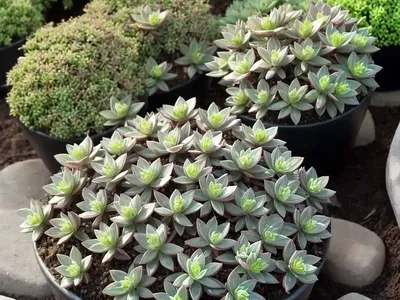
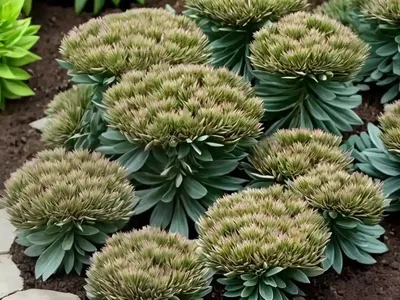
Hylotelephium (Hylotelephium Spectabile)
Hylotelephium, formerly known as Sedum, is a genus of flowering plants in the family Crassulaceae, known for its hardy and drought-resistant nature. One of.
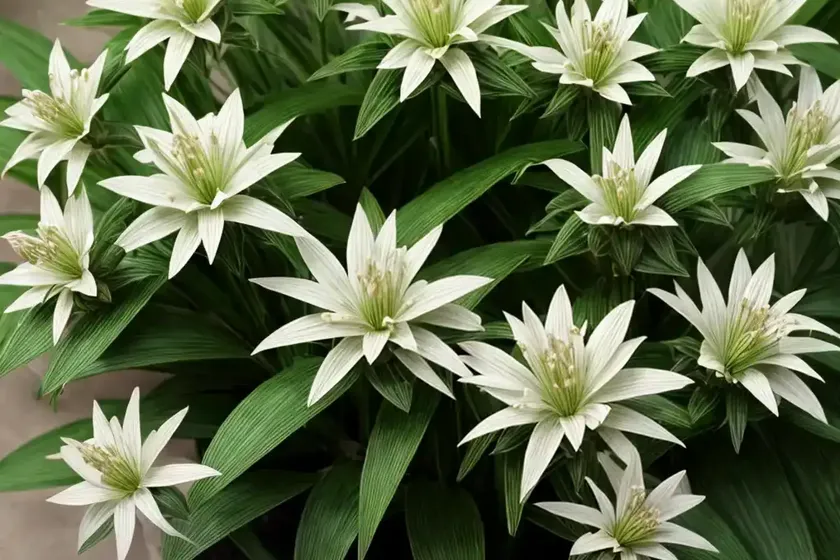
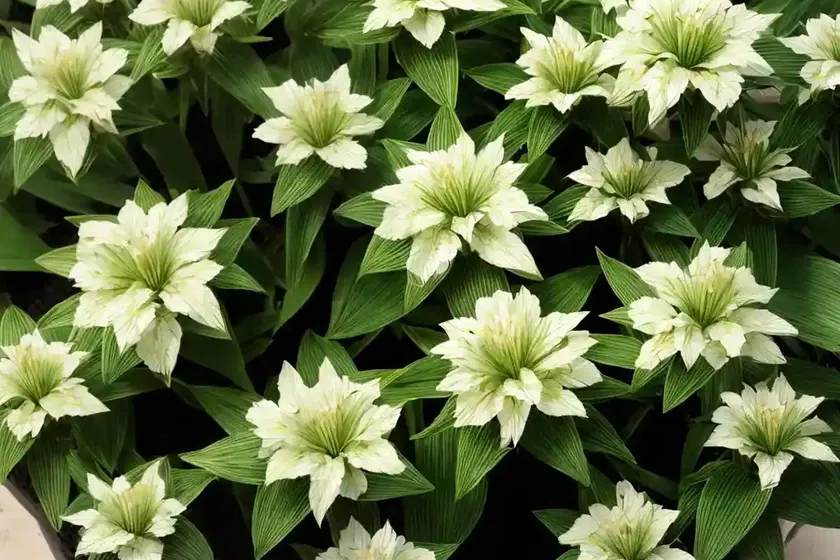
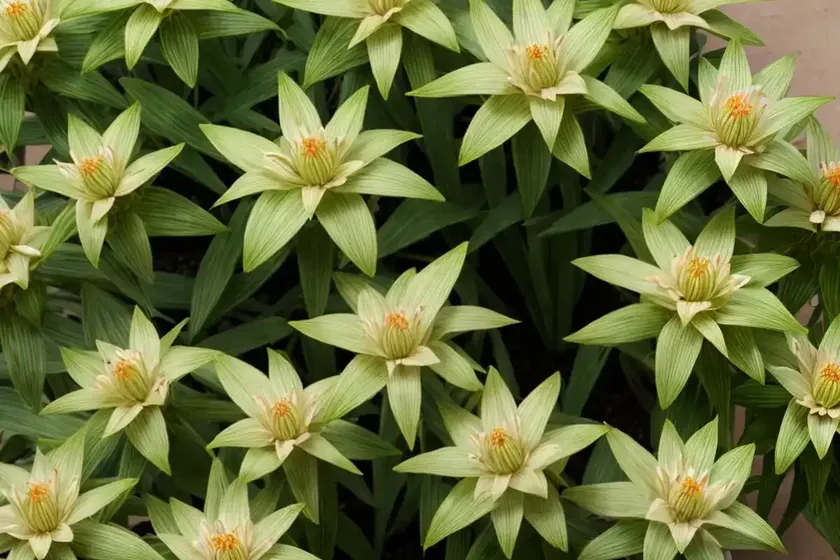
Hylotelephium, formerly known as Sedum, is a genus of flowering plants in the family Crassulaceae, known for its hardy and drought-resistant nature. One of the most popular species within the genus is Hylotelephium spectabile, commonly referred to as “Showy Stonecrop” or “Ice Plant”. This versatile plant is prized for its attractive flowers and foliage, making it a favorite among gardeners and landscape enthusiasts.
In this extensive guide, we will delve into the all-encompassing care, uses, propagation, diseases, and much more related to Hylotelephium spectabile. Whether you are a beginner gardener or a seasoned horticulturist, this comprehensive resource aims to provide you with all the essential information to cultivate, maintain, and appreciate the beauty of Hylotelephium spectabile.
What is Hylotelephium Spectabile?
Hylotelephium spectabile, commonly known as Showy Stonecrop, is a herbaceous perennial plant native to China and Korea. It is a member of the Crassulaceae family and is characterized by its fleshy, succulent leaves and large, flat flower heads. The plant typically reaches a height of 18 to 24 inches and forms a clump of thick, blue-green foliage. In late summer to early fall, it produces dense clusters of star-shaped flowers in hues of pink, red, and sometimes white, attracting bees, butterflies, and other pollinators.
Key Takeaways – Hylotelephium Spectabile
Let’s discuss some key takeaways about Hylotelephium spectabile to set the stage for understanding its requirements and care:
Hylotelephium Spectabile Culture
Hylotelephium Spectabile Uses
Water Requirements for Hylotelephium Spectabile
Sunlight Preferences for Hylotelephium Spectabile
Fertilizing Hylotelephium Spectabile
Soil Preferences for Hylotelephium Spectabile
Pruning Hylotelephium Spectabile
Propagation of Hylotelephium Spectabile
Hylotelephium Spectabile in Containers
Popularity of Hylotelephium Spectabile
Common Diseases of Hylotelephium Spectabile
Disease Diagnosis for Hylotelephium Spectabile
Common Pests Affecting Hylotelephium Spectabile
Botanist’s Tips for Hylotelephium Spectabile
Fun Facts about Hylotelephium Spectabile
Culture
Hylotelephium spectabile is a low-maintenance perennial that thrives in a variety of environmental conditions. Its adaptability and resilience make it a popular choice for both novice and experienced gardeners. Let’s explore the cultural aspects of Hylotelephium spectabile in more detail:
Uses
The versatility of Hylotelephium spectabile makes it suitable for various garden and landscape applications. Its primary uses include:
- Borders and Edging: The plant’s compact and clumping nature makes it ideal for defining borders or edging garden pathways.
- Rock Gardens: Hylotelephium spectabile is well-suited for rock gardens, where its low-growing foliage and colorful blooms add visual interest.
- Container Gardening: Due to its tolerance of confined spaces, Hylotelephium spectabile can thrive in containers and planters, adding a splash of color to patios and balconies.
- Pollinator Gardens: The nectar-rich flowers attract bees, butterflies, and hummingbirds, making it a valuable addition to pollinator-friendly gardens.
Water
Hylotelephium spectabile exhibits excellent drought tolerance and is best suited to well-drained soil. Overwatering can lead to root rot and other issues, so it’s crucial to employ a watering regimen that aligns with the plant’s needs. Generally, mature Hylotelephium spectabile plants can thrive with minimal supplemental watering, especially in regions with regular rainfall.
Sunlight
Hylotelephium spectabile flourishes in full sun to partial shade, making it adaptable to a wide range of light conditions. In regions with intense summers, providing some protection from the harsh midday sun can prevent leaf scorch and ensure the plant’s overall vigor.
Fertilizer
The nutrient requirements of Hylotelephium spectabile are modest, and excessive fertilization can lead to leggy growth and reduced flowering. A balanced, slow-release fertilizer applied in early spring can provide the necessary nutrients for robust growth and prolific flowering without the risk of overfeeding.
Soil
The preference of Hylotelephium spectabile for well-drained soil cannot be overstated. It is crucial to ensure that the planting location offers adequate drainage to prevent waterlogging. Additionally, the plant can adapt to a range of soil types, including sandy, loamy, and rocky soils, as long as they allow excess moisture to escape effectively.
Pruning
Hylotelephium spectabile benefits from regular deadheading, which involves the removal of faded flowers. This practice not only keeps the plant looking tidy but also encourages the development of new flower buds, extending the flowering period. Additionally, cutting back the foliage in late fall or early spring can help rejuvenate the plant and maintain its compact form.
Propagation
The propagation of Hylotelephium spectabile can be accomplished through various methods, including division, stem cuttings, and seed sowing. Each approach has its own set of considerations and best practices, offering gardeners flexibility in expanding their plant collection.
Division:
- Best performed in spring, dividing the clumps every few years can rejuvenate older plants and produce new individuals for planting in other areas of the garden.
Stem Cuttings:
- Select healthy, non-flowering stems and root them in a well-draining medium to create genetically identical clones of the parent plant.
Seed Sowing:
- Collecting and sowing seeds from mature flower heads can yield new plants, though the resulting seedlings may exhibit slight variations from the parent plant due to cross-pollination.
Container
The adaptability of Hylotelephium spectabile to container cultivation makes it a great choice for urban and small-space gardening. When growing in containers, it is essential to ensure adequate drainage and provide a suitable potting mix that mimics the well-draining characteristics of the plant’s natural habitat.
Popularity
Hylotelephium spectabile has gained widespread popularity among gardeners and landscapers for its captivating flowers, low maintenance requirements, and versatility in various garden settings. Its enduring appeal has led to the development of numerous cultivars with unique flower colors, leaf shapes, and growth habits, expanding the plant’s appeal to a broader audience.
Common Diseases
While Hylotelephium spectabile is relatively resistant to most diseases, certain environmental conditions can predispose it to issues such as:
- Powdery Mildew:
- This fungal disease manifests as a white, powdery coating on the leaves and stems, often triggered by high humidity and poor air circulation.
- Root Rot:
- Overly wet soil can lead to root rot, causing the plant to wilt and decline despite seemingly adequate watering.
Disease Diagnosis
Identifying and addressing diseases in a timely manner is crucial to maintaining the health and vitality of Hylotelephium spectabile. Regular monitoring for signs of disease, such as leaf discoloration, wilting, or unusual growths, can aid in early intervention, preventing the spread of ailments and minimizing the impact on the plant’s overall well-being.
Common Pests
Hylotelephium spectabile is generally resilient to pest infestations, but certain insects may pose occasional challenges:
- Aphids:
- These small, sap-sucking insects can colonize the tender new growth of Hylotelephium spectabile, leading to distorted foliage and stunted development.
- Slugs and Snails:
- These mollusks can feed on the leaves and flowers, particularly in damp conditions, causing unsightly damage to the plant.
Botanist’s Tips
To maximize the success and visual impact of Hylotelephium spectabile in garden and landscape settings, consider the following tips:
- Companion Planting:
- Pair Hylotelephium spectabile with other sun-loving perennials, such as Echinacea, Rudbeckia, and Ornamental Grasses, to create dynamic and visually engaging plant combinations.
- Winter Care:
- In colder climates, providing a protective layer of mulch around the base of the plant can help insulate the roots and safeguard against frost heaving.
- Garden Design:
- Explore the use of Hylotelephium spectabile in mixed borders, mass plantings, and naturalistic garden designs to capitalize on its ornamental attributes and textural appeal.
Fun Facts
To appreciate the unique attributes and ecological significance of Hylotelephium spectabile, consider the following fun facts:
- The succulent leaves of Hylotelephium spectabile enable it to store water, imparting a degree of resilience in arid conditions.
- The flower heads of Hylotelephium spectabile undergo a transformation in color as they progress from bud to bloom, adding visual interest at different stages of development.
Links to External Resources
To further enhance your understanding and appreciation of Hylotelephium spectabile, explore the following external resources:
- North Carolina State Extension – Sedum (Hylotelephium spectabile)
- RHS – Hylotelephium spectabile
- Missouri Botanical Garden – Hylotelephium spectabile
- University of Wisconsin-Madison Extension – Growing Hylotelephium in the Garden
- Royal Horticultural Society – Propagation of Hylotelephium spectabile
By delving into the comprehensive care, uses, and ecological role of Hylotelephium spectabile, we hope to inspire a deeper appreciation for this remarkable plant and encourage its incorporation into a wide array of garden and landscape settings. Whether as a source of vibrant color, a magnet for pollinators, or an emblem of resilience, Hylotelephium spectabile has rightfully earned its place as a cherished component of horticultural endeavors around the world.