Plant Spotlight: Stonecrop (Hylotelephium ‘Maestro’)
In the world of garden plants, the stonecrop (Hylotelephium ‘Maestro’) holds a special place. With its resilience, versatility, and stunning visual appeal, it has caught the attention of both seasoned gardeners and beginners alike. If you’re keen on adding this captivating plant to your own green space or simply seeking to broaden your knowledge of ornamental flora, this comprehensive guide will offer you a deep dive into the captivating world of stonecrop.
What is Stonecrop?
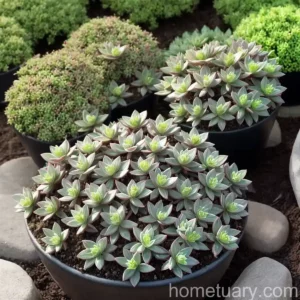
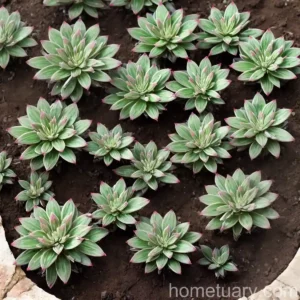
Stonecrop, scientifically known as Hylotelephium ‘Maestro’, belongs to the Crassulaceae family and is a perennial succulent with a captivating, robust nature. This variety is known for its ease of maintenance, exceptional drought tolerance, and its ability to thrive in various garden settings, making it a popular choice among garden enthusiasts.
Key Takeaways – Stonecrop (Hylotelephium ‘Maestro’)
Before delving into the specifics of caring for Stonecrop, it’s important to understand some key takeaways about this fascinating plant.
- Scientific Name: Hylotelephium ‘Maestro’ (Formerly known as Sedum ‘Maestro’ and Sedum telephium ‘Maestro’)
- Characteristics: Resilient, low-maintenance, drought-tolerant, and visually appealing
- Versatility: Suitable for ground cover, rock gardens, border plants, container gardening, and xeriscaping
- Wildlife-friendly: Attracts pollinators, making it an excellent addition for wildlife habitats
- Disease Resistance: Known for its resilience against common plant diseases
- Medicinal Uses: Some varieties of stonecrop are used in traditional medicine for its healing properties
Now that we have a glimpse of the impressive facets of the stonecrop, let’s delve deeper into its specific care requirements and how you can best cultivate a thriving environment for this enchanting plant.
Culture
Uses
Versatility is a hallmark trait of the stonecrop, and it offers a wide array of uses in a garden setting, including:
- Ground cover
- Rock gardens
- Border edging
- Container gardening
- Xeriscaping
Water
Stonecrop, particularly the ‘Maestro’ variety, is highly adaptable to varied watering conditions. While it thrives in well-draining soil, it possesses the ability to tolerate temporary dry spells, making it an ideal choice for water-wise gardening. However, it’s essential to provide ample water during the initial establishment phase and during prolonged periods of drought to support optimal growth and blooming.
Sunlight
As a sun-loving plant, the stonecrop flourishes in bright, full sunlight. Selecting a site with at least 6 hours of direct sunlight is crucial for the well-being of this variety. In regions with scorching afternoon sunlight, providing some shade during the hottest parts of the day can be beneficial, especially in the peak of summer.
Fertilizer
Stonecrop, including the ‘Maestro’ variety, is not demanding when it comes to fertilization. A balanced, slow-release fertilizer applied in spring can provide the necessary nutrients for healthy growth and blooming. Avoid excessive nitrogen as it may lead to leggy growth, which can compromise the plant’s natural habit and visual appeal.
Soil
The stonecrop thrives in well-draining, nutrient-rich soil. A mixture of loamy soil with good drainage properties is ideal for cultivating a favorable environment for this plant. When planting in containers, a blend of potting mix tailored for succulents with added perlite or coarse sand can create the optimal growing medium.
Pruning
Pruning is minimal for the Hylotelephium ‘Maestro’. Deadheading spent flower clusters can encourage prolonged blooming and tidy up the plant’s appearance. Additionally, removing any damaged or decaying foliage can help maintain the plant’s overall health and aesthetics.
Propagation
Stonecrop can be propagated through various methods, including:
- Division: Dividing well-established clumps in spring or early autumn
- Cuttings: Taking stem cuttings during the growing season
- Seeds: Sowing seeds in well-prepared soil or starting them indoors for later transplanting
Each method offers an opportunity to expand your stonecrop collection or share the beauty of this plant with fellow gardening enthusiasts.
Container Popularity
Due to its adaptability and striking visual appeal, stonecrop, including the ‘Maestro’ variety, is a popular choice for container gardening. Its low-maintenance nature and compatibility with various container sizes make it a versatile addition to patios, balconies, and garden spaces with limited ground areas.
Common Diseases
Stonecrop, especially the ‘Maestro’ variety, boasts impressive resilience against common plant diseases. However, some issues to be mindful of include:
- Root Rot: Caused by overwatering or waterlogged soil
- Powdery Mildew: Occurs in humid conditions and can be mitigated by promoting good air circulation around the plants
Disease Diagnosis
Timely diagnosis of plant diseases is critical for effective management. Keep an eye out for symptoms such as wilting, yellowing foliage, or the presence of powdery, white patches on the leaves. Addressing these signs promptly can prevent the escalation of issues and help maintain the plant’s health.
Common Pests
Stonecrop, including the ‘Maestro’ variety, may encounter some common pests, such as:
- Aphids: Small, sap-sucking insects that can be addressed through natural predators or organic control methods
- Mealybugs: Soft-bodied insects that can be manually removed or managed with horticultural oils
Vigilance and early intervention can help keep pest infestations in check and minimize potential damage to the plants.
Botanist’s Tips
Here are some tips from botanists and gardening experts to help you maximize the potential of your stonecrop cultivation:
- Mulching: Applying a layer of organic mulch around the plants can help retain soil moisture and suppress weed growth
- Companion Planting: Pairing stonecrop with complementary plants can create visually appealing and ecologically beneficial garden spaces
- Overwintering: In regions with cold winters, providing some protection, such as mulching or covering with a breathable material, can aid in overwintering stonecrop plants
Embracing these tips can elevate your gardening experience and contribute to the success of your stonecrop garden.
Fun Facts
- Stonecrop is an excellent source of nectar for pollinators, including butterflies and bees, making it a valuable addition to habitats seeking to support local wildlife.
- The ‘Maestro’ variety showcases deep pink flower clusters that add vibrant color to gardens and can be utilized as eye-catching focal points.
Links to External Resources
For further information and resources on stonecrop, consider exploring the following:
- The Royal Horticultural Society (RHS) – Sedum (Hylotelephium) ‘Maestro’
- Missouri Botanical Garden – Hylotelephium ‘Herbstfreude’ (Autumn Joy)
- North Carolina State University – Hylotelephium telephium ‘Herbstfreude’ (Autumn Joy Sedum)
- University of Florida IFAS Extension – Succulents for the Home Garden
In conclusion, the stonecrop, particularly the ‘Maestro’ variety, presents a myriad of opportunities for enhancing garden spaces, supporting local ecosystems, and embracing the beauty of resilient, low-maintenance plants. With its striking appearance, adaptability, and beneficial ecological contributions, it stands as an exceptional addition to any home garden or landscape.
Whether you’re a seasoned gardener seeking to diversify your plant collection or a newcomer intrigued by the allure of ornamental flora, the stonecrop has much to offer and is well worth considering for your next horticultural endeavor.