Hyacinthoides non-scripta ‘Alba’ (English Bluebells): A Plant Scientist’s Guide
In the world of botany, there exist numerous plant species, each with its distinct characteristics, growing conditions, and cultural significance. The English Bluebells, scientifically known as Hyacinthoides non-scripta ‘Alba,’ are a fascinating example of the natural beauty and diversity found in the plant kingdom. This blog post aims to provide an in-depth exploration of Hyacinthoides non-scripta ‘Alba,’ covering its cultural uses, ideal growth conditions, maintenance practices, and much more. Whether you are a seasoned botanist, an avid gardener, or simply captivated by the allure of plants, this article will offer valuable insights into this captivating species.
What is Hyacinthoides non-scripta ‘Alba’ (English Bluebells)?
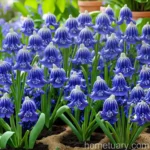
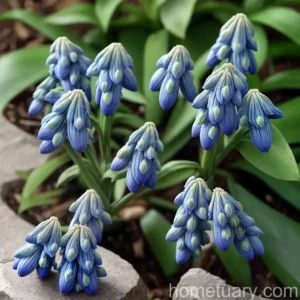
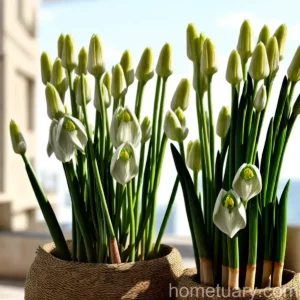
Hyacinthoides non-scripta ‘Alba,’ commonly referred to as English Bluebells, belongs to the Asparagaceae family and is native to the United Kingdom. This perennial plant is renowned for its delicate, bell-shaped flowers and luscious green foliage, making it a popular choice for garden enthusiasts and landscaping projects. The ‘Alba’ variety, in particular, is characterized by its striking white flowers, adding a touch of elegance to outdoor spaces.
Key Takeaways – Hyacinthoides non-scripta ‘Alba’ (English Bluebells)
Before delving into the comprehensive care and cultivation guidelines for Hyacinthoides non-scripta ‘Alba,’ let’s summarize the key takeaways associated with this enchanting plant:
- Plant Name: Hyacinthoides non-scripta ‘Alba’ (English Bluebells)
- Botanical Family: Asparagaceae
- Variety: ‘Alba’ variety with white flowers
- Cultural Uses: Ornamental plant in gardens, landscaping, and naturalization
- Growth Conditions: Shade-loving, well-draining soil, moderate watering
- Maintenance: Minimal pruning, propagation through seeds or division
- Common Pests: Slugs, snails
- Common Diseases: Rust, botrytis
- Popularity: Widely cultivated in the UK and Europe
- Fun Fact: English Bluebells were historically associated with enchantment and were thought to ward off evil spirits when planted near homes.
Now, let’s dig deeper into each of these aspects, exploring the cultural uses, ideal growing conditions, maintenance practices, and fascinating facts associated with Hyacinthoides non-scripta ‘Alba.’
Culture
Uses
Hyacinthoides non-scripta ‘Alba’ serves various cultural purposes, primarily revolving around its ornamental value in horticulture and landscaping. The elegant display of the white bell-shaped flowers against the backdrop of vibrant green foliage makes it a sought-after choice for beautifying outdoor spaces. Additionally, English Bluebells are often used in naturalization projects, where they are allowed to grow and spread freely, creating enchanting woodland-like settings.
Water
When it comes to watering, English Bluebells prefer moderate moisture levels, especially during their active growth period. However, it’s crucial to avoid overwatering, as consistently soggy soil can lead to root rot and other moisture-related issues. During dry spells, providing supplemental water can aid in maintaining optimal growing conditions for the plant.
Sunlight
One of the defining characteristics of Hyacinthoides non-scripta ‘Alba’ is its preference for shaded environments. In its natural habitat, this plant thrives under the dappled light of deciduous trees, making it an excellent choice for shaded gardens, woodland landscapes, and areas with filtered sunlight. When cultivated in full sun, it’s essential to ensure that the soil remains consistently moist to prevent stress on the plant.
Fertilizer
English Bluebells generally do not require heavy fertilization. However, applying a balanced, slow-release fertilizer in the early spring can provide the necessary nutrients for healthy growth and blooming. It’s advisable to use fertilizers with a lower nitrogen content to prevent excessive foliage growth at the expense of flowering.
Soil
The soil composition plays a crucial role in the successful cultivation of Hyacinthoides non-scripta ‘Alba.’ Well-draining, humus-rich soils with a slightly acidic to neutral pH are ideal for this species. Furthermore, the addition of organic matter, such as compost or leaf litter, can enhance soil structure and contribute to the plant’s overall well-being.
Pruning
Pruning requirements for English Bluebells are minimal, mainly consisting of the removal of spent flowers and yellowing foliage. This practice not only maintains the plant’s aesthetic appeal but also prevents the formation of seeds, which can lead to the prolific spread of the species in garden settings where containment is desired.
Propagation
Hyacinthoides non-scripta ‘Alba’ can be propagated through various methods, including seed propagation and division of established clumps. Collecting and sowing seeds in the fall allows for natural propagation, while division in late summer or early autumn enables the creation of new plantings from existing ones. Both approaches contribute to the expansion and multiplication of this charming species in cultivated landscapes.
Container Popularity
While English Bluebells are primarily known for thriving in naturalistic settings and garden borders, they are also well-suited for container cultivation. Their graceful appearance and adaptability to shaded environments make them an excellent choice for adding a touch of elegance to patio gardens, terraces, and other outdoor spaces with limited planting areas. When grown in containers, it’s essential to provide ample moisture and ensure proper drainage to mimic their preferred growing conditions in the wild.
Container Common Diseases
When cultivating Hyacinthoides non-scripta ‘Alba’ in containers, it’s crucial to remain vigilant against potential diseases that can affect the plant. Common issues include fungal infections like botrytis, especially in environments with poor air circulation or excessive moisture. Regular monitoring and appropriate cultural practices can help mitigate the risk of diseases and ensure the plant’s health and vigor.
Disease Diagnosis
Diagnostics and monitoring play a pivotal role in the effective management of potential diseases in English Bluebells. Early detection of symptoms such as leaf discoloration, wilting, or unusual growth patterns can aid in identifying and addressing underlying issues promptly. Consultation with a plant health specialist may be necessary in cases where the cause of the symptoms is unclear or requires professional expertise.
Common Pests
The susceptibility of Hyacinthoides non-scripta ‘Alba’ to certain pests, particularly slugs and snails, warrants attention in garden settings. These voracious feeders can inflict considerable damage to the foliage and flowers, necessitating the implementation of pest control measures. Employing natural deterrents, barriers, or eco-friendly pest control products can help safeguard the plant from infestations while maintaining a balanced ecosystem in the garden.
Botanist’s Tips
As a plant scientist, I find it imperative to offer valuable tips for the successful cultivation and care of Hyacinthoides non-scripta ‘Alba’:
-
Choose the Right Location: Select a shaded or partially shaded area with well-draining soil for optimal growth.
-
Moderate Watering: Avoid overwatering and aim for consistent moisture levels, especially during dry spells.
-
Mindful Fertilization: Use a balanced, slow-release fertilizer in early spring to provide essential nutrients without promoting excessive vegetative growth.
-
Pruning Practices: Regularly remove spent flowers and yellowing foliage to maintain the plant’s appearance and prevent seed formation.
-
Container Considerations: When growing English Bluebells in containers, ensure adequate moisture and proper drainage to mimic their native habitat conditions.
Fun Facts
- English Bluebells have a rich folklore associated with them, often linked to themes of humility, gratitude, and the essence of purity.
- The plant has been historically utilized in traditional herbal remedies, showcasing its cultural significance beyond ornamental purposes.
Links to External Resources
For further information on Hyacinthoides non-scripta ‘Alba’ and related topics, I recommend exploring the following resources:
- Royal Horticultural Society (RHS) – English Bluebells
- The Wildlife Trusts – English Bluebell
- Gardeners’ World – Growing English Bluebells