Hyacinthoides hispanica ‘Excelsior’ (Spanish Bluebells) Plant Guide
Welcome to our comprehensive guide to Hyacinthoides hispanica ‘Excelsior’, commonly known as Spanish Bluebells. In this blog post, we will delve into the culture, care, uses, and interesting facts about this beautiful plant. Whether you’re a seasoned gardener or someone looking to add a touch of elegance to your outdoor space, this guide will provide you with all the information you need to nurture and appreciate the Spanish Bluebells in your garden.
Hyacinthoides hispanica ‘Excelsior’ is a delightful addition to any garden, offering a burst of color and a lovely fragrance. With proper care and attention, this plant can thrive and enhance the beauty of your outdoor space. Let’s explore the key aspects of this charming plant, from its cultural needs to its characteristics, potential uses, and tips for maintaining its health and vibrancy.
What is Hyacinthoides hispanica ‘Excelsior’ (Spanish Bluebells)?
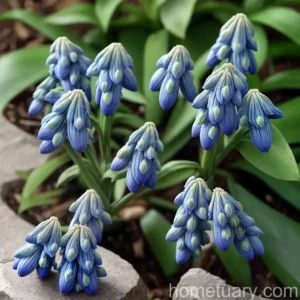
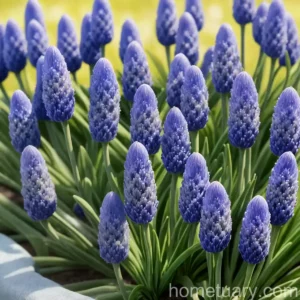
Hyacinthoides hispanica, commonly referred to as Spanish Bluebells, is a species of flowering plant in the family Asparagaceae. Native to the Iberian Peninsula, these plants are known for their striking bell-shaped blue flowers and grass-like leaves. The ‘Excelsior’ variety is particularly prized for its larger and more abundant blooms, making it a popular choice for gardeners seeking a showy and fragrant addition to their outdoor spaces.
Spanish Bluebells typically bloom in the spring, carpeting the ground with clusters of vibrant blue flowers. Beyond their aesthetic appeal, these plants are also valued for their ability to naturalize and thrive in woodland settings, adding a touch of wild beauty to shaded areas.
Key Takeaways – Hyacinthoides hispanica ‘Excelsior’ (Spanish Bluebells)
Before we delve into the specifics of caring for Spanish Bluebells, let’s take a moment to highlight some key takeaways about this delightful plant.
- Hyacinthoides hispanica ‘Excelsior’ is known for its striking, bell-shaped blue flowers and grass-like foliage.
- The ‘Excelsior’ variety is prized for its larger and more abundant blooms, making it a popular choice for gardeners.
- Spanish Bluebells typically bloom in the spring, adding vibrant color to the garden.
- These plants are adaptable and can naturalize in woodland settings, thriving in shaded areas.
- Spanish Bluebells are known for their fragrant flowers, attracting pollinators and adding a delightful scent to the garden.
Now that we have a broad understanding of the Spanish Bluebells, let’s explore the specific cultural needs, maintenance requirements, and potential uses of this charming plant.
Culture
Understanding the cultural requirements of Spanish Bluebells is essential for ensuring that they thrive in your garden. From preferred growing conditions to maintenance needs, these aspects play a crucial role in the health and vitality of the plants.
Uses
Spanish Bluebells can be utilized in various ways to enhance the aesthetic appeal and biodiversity of your outdoor space. Understanding their potential uses can inspire creative and purposeful placements within your garden or landscape.
Water
Water is an essential component of plant care, and understanding the specific water needs of Spanish Bluebells is crucial for their health and vitality.
Sunlight
Like many plants, sunlight plays a crucial role in the growth and development of Spanish Bluebells. Understanding their sunlight preferences is key to ensuring their well-being.
Fertilizer
Providing the proper nutrients to Spanish Bluebells can significantly impact their growth and flowering. Learn about the best fertilization practices for these plants.
Soil
The soil provides the foundation for plant growth, and understanding the ideal soil conditions for Spanish Bluebells is essential for their success in your garden.
Pruning
Pruning is an important aspect of plant maintenance, and Spanish Bluebells benefit from strategic pruning to promote healthy growth and flowering.
Propagation
Learn about the various methods of propagating Spanish Bluebells, from seed sowing to division, and discover how to expand your plant collection.
Container Popularity
Spanish Bluebells can thrive in containers, making them a versatile choice for gardeners with limited space or those seeking to add vibrant touches to patio or balcony gardens.
Container Common Diseases
When growing Spanish Bluebells in containers, it’s important to be mindful of potential diseases and address them effectively to maintain plant health.
Disease diagnosis
Identifying and addressing diseases promptly is crucial for preventing the spread of illness among Spanish Bluebells and maintaining a vibrant and healthy garden.
Common pests
Pests can pose a threat to the well-being of Spanish Bluebells. Learn about common pests and effective strategies for pest management.
Botanist’s Tips
Discover valuable tips and insights from botanists and experienced gardeners to enhance your understanding of Spanish Bluebells and care for them effectively.
Fun facts
Uncover interesting and lesser-known facts about Spanish Bluebells that add to their allure and deepen appreciation for these enchanting plants.
Now that we have outlined the key sections that we will cover in this comprehensive guide, let’s delve into each topic, providing insightful and practical information for plant enthusiasts and gardeners. We will endeavor to address the provided keywords within the content, ensuring that the guide is comprehensive and informative. Let’s continue by exploring the cultural requirements of Spanish Bluebells.
Culture
Cultural considerations for Hyacinthoides hispanica ‘Excelsior’ are vital in ensuring the successful establishment and growth of these delightful plants in your garden. From their preferred growing conditions to maintenance needs, understanding the cultural aspects is essential.
Uses
Garden Planting
Spanish Bluebells are commonly planted in garden beds or naturalized in woodland settings to add a burst of color and fragrance in the spring. Due to their adaptability to partial shade, they are an excellent choice for underplanting trees or incorporating into shaded garden areas. The ‘Excelsior’ variety, known for its larger and more abundant blooms, is particularly prized for garden planting, creating striking visual displays.
Container Gardening
Spanish Bluebells can thrive in containers, offering a versatile option for gardeners with limited space or those seeking to add vibrant accents to their patios, balconies, or outdoor living areas. When grown in containers, they bring their enchanting beauty to smaller outdoor spaces, creating a lovely focal point in gardens and landscapes.
Cut Flower Arrangements
The bell-shaped blooms of Spanish Bluebells make for charming additions to cut flower arrangements. Their striking blue flowers can be cut and enjoyed indoors, bringing a touch of the garden’s beauty into your home.
Naturalization
One of the noteworthy characteristics of Spanish Bluebells is their ability to naturalize in woodland settings. When provided with the right conditions, these plants can spread and form impressive displays, adding a wild and natural beauty to shaded areas of the garden.
Water
Understanding the water needs of Hyacinthoides hispanica ‘Excelsior’ is essential for their health and vitality. While these plants are relatively adaptable, providing them with the appropriate moisture levels contributes to their overall well-being.
Watering Frequency
Spanish Bluebells prefer consistently moist soil, especially during their active growing season and while they are in bloom. Adequate water is essential for promoting healthy growth and abundant flowering. However, it’s important to avoid waterlogging the soil, as excessive moisture can lead to issues such as root rot.
Additional Considerations
-
Rainfall: During periods of insufficient rainfall, regular watering is necessary to ensure that the soil remains adequately moist. In regions with dry summers, supplemental watering may be required to sustain the plants.
-
Established Plants: Established Spanish Bluebells are generally more tolerant of dry conditions, but they still benefit from occasional watering, particularly during prolonged dry spells.
-
Container-Grown Plants: When growing Spanish Bluebells in containers, it’s important to monitor the moisture levels regularly, as containers can dry out more quickly than garden beds. Adequate water must be provided to containerized plants, particularly during warm weather.
Watering Tips
To ensure the optimal health and vibrancy of Spanish Bluebells, here are some tips for watering these plants effectively:
-
Avoid Overwatering: While it’s important to maintain consistent moisture, overwatering should be avoided, as it can lead to waterlogging and subsequent root issues.
-
Mulching: Applying a layer of organic mulch around the base of Spanish Bluebells can help retain soil moisture, reducing the frequency of watering and providing a stable moisture level for the plants.
-
Morning Watering: Watering in the morning allows excess moisture to evaporate during the day, reducing the risk of fungal diseases that can result from prolonged wetness on foliage and soil.
By understanding the specific water needs of Spanish Bluebells and implementing appropriate watering practices, you can contribute to the overall health and vigor of these delightful plants in your garden.
Sunlight
Sunlight plays a crucial role in the growth and development of Hyacinthoides hispanica ‘Excelsior’, and understanding their sunlight preferences is key to ensuring their well-being.
Light Requirements
Spanish Bluebells thrive in partial shade to dappled sunlight, making them an excellent choice for garden areas with filtered light or in the vicinity of deciduous trees. In their native woodland habitats, these plants are accustomed to thriving beneath the canopy of trees, where they receive gentle, indirect sunlight.
Ideal Growing Conditions
-
Partial Shade: Spanish Bluebells prefer partial shade, especially during the heat of the day. They can also tolerate full shade, making them a versatile option for shaded garden areas.
-
Filtered Light: In locations with filtered light, such as beneath trees or near shrubs, Spanish Bluebells can thrive and produce an abundance of delightful flowers.
-
Avoiding Intense Sun: While some morning sunlight or gentle afternoon sun is beneficial, it’s best to avoid exposing Spanish Bluebells to intense, direct sunlight, particularly during the hottest part of the day.
Sunlight Tips
Understanding the sunlight preferences of Spanish Bluebells and implementing appropriate practices can contribute to their overall health and vigor. Here are some valuable tips for providing the ideal growing conditions in terms of sunlight:
-
Site Selection: When planting Spanish Bluebells, choose garden areas with partial shade or dappled sunlight. Under the filtered light of deciduous trees is an excellent location for these plants.
-
Protection from Hot Afternoon Sun: If planting in areas with intense afternoon sun, consider providing protection from the intense rays to prevent the plants from becoming stressed or scorched.
-
Observe Plant Behavior: Pay attention to how Spanish Bluebells respond to their current sunlight exposure. If they show signs of stress, such as wilting or leaf scorch, consider relocating them to a more suitable location with milder light conditions.
By providing Spanish Bluebells with the appropriate sunlight conditions and implementing these tips, you can help ensure that they thrive and produce an abundance of delightful blooms in your garden.
Fertilizer
Providing the proper nutrients to Hyacinthoides hispanica ‘Excelsior’ can significantly impact their growth, blooming, and overall vitality. Learn about the best fertilization practices for these plants to support their health and ensure optimal flowering.
Nutritional Needs
Spanish Bluebells benefit from a balanced and moderate approach to fertilization. While they can thrive without excessive feeding, providing them with essential nutrients contributes to their overall vigor and floral display.
Fertilization Timing
-
Early Spring: Apply a balanced, complete fertilizer in early spring as Spanish Bluebells emerge from dormancy and begin actively growing. This helps provide the necessary nutrients for robust foliage and flowering.
-
After Flowering: After the plants have finished flowering, consider supplementing with a light application of balanced fertilizer to support the development of healthy foliage and bulb reserves for the following season.
Fertilizer Type
-
Balanced Formula: A balanced, all-purpose fertilizer with an even NPK (nitrogen, phosphorus, potassium) ratio is suitable for Spanish Bluebells. Look for a fertilizer specifically formulated for flowering bulbs or use a general-purpose fertilizer with a balanced NPK ratio, such as 10-10-10.
-
Organic Options: Organic fertilizers, such as well-decomposed compost or aged manure, can also be applied to provide slow-release nutrients to Spanish Bluebells while improving soil structure and fertility.
Application Tips
Here are some helpful tips for effectively fertilizing Spanish Bluebells to support their growth and vigor:
-
Even Distribution: When applying granular fertilizer, distribute it evenly over the soil surface, avoiding direct contact with the foliage and stems of the plants.
-
Watering After Application: After applying fertilizer, water the area thoroughly to ensure that the nutrients are incorporated into the soil and are readily available to the plant roots.
-
Avoid Overfeeding: While Spanish Bluebells benefit from moderate feeding, avoid overfertilizing, as excessive nutrients can lead to imbalanced growth and may result in lush foliage at the expense of flowering.
By understanding the nutritional needs of Spanish Bluebells and implementing appropriate fertilization practices, you can contribute to the overall health and vitality of these delightful plants in your garden.
Soil
The soil provides the foundation for the growth and development of Hyacinthoides hispanica ‘Excelsior’, and understanding the ideal soil conditions for Spanish Bluebells is essential for their success in your garden.
Soil Type
Spanish Bluebells thrive in well-draining, moderately fertile soil with a slightly acidic to neutral pH. The ideal soil type for these plants is loamy or sandy loam, offering a good balance of drainage and moisture retention.
Soil Structure
-
Well-Draining: It’s crucial for the soil to provide adequate drainage to prevent waterlogging, as excessive moisture can lead to issues such as root rot and fungal diseases.
-
Moisture Retention: While well-draining, the soil should also possess the capability to retain sufficient moisture to sustain the plants, particularly during their active growing and flowering periods.
-
Soil Amendments: Prior to planting Spanish Bluebells, consider incorporating organic matter, such as compost or well-rotted manure, into the soil to improve its structure, fertility, and moisture retention.
pH Level
The ideal soil pH for Spanish Bluebells ranges from slightly acidic to neutral (pH 6.0 to 7.0). Testing the soil pH and making adjustments, if necessary, can help create optimal growing conditions for these plants.
Container Soil
When growing Spanish Bluebells in containers, it’s essential to use a well-draining, high-quality potting mix formulated for flowering bulbs or perennials. The soil should provide adequate aeration and moisture retention for the plants to thrive in containers.
Soil Preparation
Here are some essential tips for preparing the soil and creating an optimal growing environment for Spanish Bluebells:
-
Adequate Drainage: Ensure that the planting site, whether in a garden bed or container, offers sufficient drainage to prevent waterlogging and maintain healthy root conditions.
-
Weed Removal: Prior to planting, remove any weeds or debris from the soil to create a clean and favorable environment for the establishment and growth of Spanish Bluebells.
-
Soil Testing: Consider conducting a soil test to assess the pH and fertility of the soil. Based on the results, make any necessary amendments to create the most suitable growing conditions.
Understanding the ideal soil conditions and taking steps to prepare the soil accordingly can significantly impact the health and vitality of Spanish Bluebells in your garden.
Pruning
Pruning is an important aspect of plant maintenance, and Spanish Bluebells benefit from strategic pruning to promote healthy growth and flowering. By understanding the best practices for pruning these plants, you can support their overall well-being and enhance their appearance in the garden.
Pruning Timing
-
After Flowering: After the bloom period has concluded, it’s beneficial to trim back the spent flower stalks. This not only cleans up the appearance of the plants but also redirects energy back into the bulbs for the following season.
-
Foliage Management: While it may be tempting to remove the foliage as it begins to decline, it’s important to allow the foliage to senesce naturally. The green leaves continue to photosynthesize and provide energy for the bulbs’ future growth and flowering.
Pruning Guidelines
When pruning Spanish Bluebells, keep the following guidelines in mind to support their growth and overall appearance in the garden:
-
Remove Spent Flower Stalks: As the flowers fade and the stalks begin to wither, trim them back to the base to maintain a tidy and neat appearance in the garden.
-
Allow Foliage to Wilt Naturally: Resist the temptation to prematurely remove the foliage, as the green leaves continue to generate energy for the bulbs. Allow the foliage to yellow and wither before gently removing it.
-
Avoid Over-Pruning: While it’s important to tidy up the plants after flowering, avoid excessive pruning that removes healthy foliage, as this can diminish the bulbs’ ability to store energy for the next growing season.
By adhering to these pruning guidelines, you can contribute to the overall health and appearance of Spanish Bluebells in your garden, promoting their continued vigor and abundant flowering.
Propagation
Understanding the various methods of propagating Hyacinthoides hispanica ‘Excelsior’, from seed sowing to division, can provide you with the knowledge to expand your plant collection and share the beauty of Spanish Bluebells with others.
Seed Propagation
While Spanish Bluebells can be propagated from seed, it’s important to note that the ‘Excelsior’ variety may not maintain true characteristics from seed, as it can display natural variability.
-
Seed Collection: Allow the plants to set seed after flowering, and collect the mature seeds for propagation. The seeds can be sown in suitable growing medium for germination.
-
Naturalization: Given the naturalizing tendencies of Spanish Bluebells, allowing the plants to self-seed and spread can also lead to the establishment of new clusters in the garden.
Division
Division is a common and reliable method of propagating Spanish Bluebells, particularly for maintaining and expanding existing plantings.
-
Bulb Division: After the foliage has withered, carefully dig up the bulbs and divide the clusters. Replant the divisions at the desired spacing, providing them with the ideal growing conditions.
-
Expansion: Use the divisions to expand plantings in different areas of the garden or share them with fellow gardeners to introduce the charm of Spanish Bluebells to new locations.
Naturalizing Tips
Given the naturalizing tendencies of Hyacinthoides hispanica ‘Excelsior’, enhancing its ability to spread and naturalize in the garden can contribute to the development of captivating displays over time.
-
Optimal Conditions: By providing the plants with favorable growing conditions, such as suitable soil, moisture levels, and partial shading, you can encourage naturalization in desired areas of the garden.
-
Monitoring Spread: Keep an eye on the spread of Spanish Bluebells, particularly in regions where you desire their expansion. As the plants self-seed and develop new clusters, they can contribute to the beauty and biodiversity of the garden.
By understanding the propagation methods and naturalizing tendencies of Spanish Bluebells, you can take an active role in expanding and sustaining the beauty of these delightful plants in your garden and beyond.
Container Popularity
Spanish Bluebells are well-suited for container gardening, allowing you to create vibrant displays and introduce their charming beauty to smaller outdoor spaces