Hyacinthoides hispanica ‘Miss World’ (Spanish Bluebells)
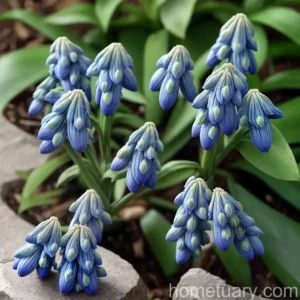
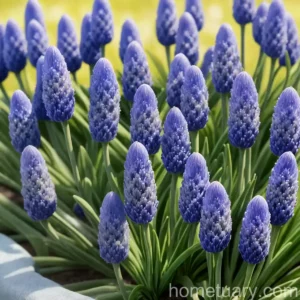
Hyacinthoides hispanica ‘Miss World’, commonly known as Spanish Bluebells, is a delightful perennial bulbous plant that belongs to the Asparagaceae family. It is a charming addition to any garden and is prized for its striking blue blooms and low-maintenance nature. In this comprehensive guide, we will explore the cultural aspects, uses, and care tips for Hyacinthoides hispanica ‘Miss World’, also known as Spanish Bluebells.
What is Hyacinthoides hispanica ‘Miss World’?
Hyacinthoides hispanica ‘Miss World’ is a cultivar of the Hyacinthoides hispanica species, which is native to the western Mediterranean region, specifically Spain and Portugal. It is known for its graceful, bell-shaped, blue flowers that are a quintessential sign of spring. This plant typically blooms in mid to late spring and adds a beautiful touch of color to woodland gardens, borders, or naturalized areas.
Key Takeaways – Hyacinthoides hispanica ‘Miss World’ (Spanish Bluebells)
Before delving deeper into the cultural aspects, uses, and care tips for Hyacinthoides hispanica ‘Miss World’, let’s summarize some key takeaways about this captivating plant.
- Scientific Name: Hyacinthoides hispanica ‘Miss World’
- Common Names: Spanish Bluebells, Miss World Spanish Bluebells
- Family: Asparagaceae
- Plant Type: Herbaceous Perennial Bulbous Plant
- Flower Color: Blue
- Blooming Season: Mid to Late Spring
- Uses: Ornamental, Landscaping, Cut Flowers
Now, let’s delve into the various aspects of cultivating and caring for Hyacinthoides hispanica ‘Miss World’.
Culture
Uses
Hyacinthoides hispanica ‘Miss World’ is primarily cultivated for its ornamental value. Its elegant blue flowers make it a popular choice for landscaping, and it can be incorporated into various garden settings to add a touch of color and charm.
Some common uses of Hyacinthoides hispanica ‘Miss World’ include:
- Landscaping: The plant can be used in borders, rock gardens, woodland gardens, or naturalized areas to create a visually appealing and naturalistic look.
- Cut Flowers: The blooms of Spanish Bluebells make stunning cut flowers for indoor arrangements.
Water
When it comes to water requirements, Spanish Bluebells thrive well in moderately moist soil. However, they are remarkably adaptable and can also withstand periods of drought once established. It is essential to ensure well-drained soil, as waterlogged conditions can lead to bulb rot.
Sunlight
Hyacinthoides hispanica ‘Miss World’ prefers partial shade to full shade conditions. It thrives in dappled sunlight or filtered light, making it an excellent choice for shaded areas of the garden. However, it can also tolerate some morning sun.
Fertilizer
These plants are not heavy feeders. A balanced, all-purpose fertilizer can be applied in early spring as the foliage emerges to support healthy growth and flowering. It is important to follow the dosage recommendations on the fertilizer package to avoid over-fertilization, which can lead to excessive foliage growth at the expense of flowering.
Soil
Spanish Bluebells prefer moist, well-drained soil with a slightly acidic to neutral pH. They are relatively adaptable and can grow in various soil types, including loamy and sandy soils. Incorporating organic matter such as compost or well-rotted manure into the soil can improve its structure and fertility, providing an ideal growing medium for these plants.
Pruning
One of the appealing features of Hyacinthoides hispanica ‘Miss World’ is its low-maintenance nature, including minimal pruning requirements. Once the flowers have faded, the foliage should be allowed to wither and yellow naturally. This process enables the plant to store nutrients in the bulbs for the following year’s growth and flowering. Once the foliage has completely withered, it can be cut back to the ground level.
Propagation
Hyacinthoides hispanica ‘Miss World’ can be propagated through several methods, including division of bulbs, seed propagation, and offset division.
Division of Bulbs
The most common method of propagating Spanish Bluebells is through bulb division. This process involves lifting the bulbs once the foliage has withered naturally and dividing them into smaller sections. The divided bulbs can then be replanted at the appropriate depth in the desired locations.
Seed Propagation
While Spanish Bluebells can also be propagated from seed, this method is less common and usually takes longer to produce blooming-sized plants.
Offset Division
Another method of propagation is by separating the offsets or bulbils that develop at the base of the parent bulbs. These offsets can be carefully detached and planted in suitable locations to establish new plants.
Container Popularity
Hyacinthoides hispanica ‘Miss World’ can be grown in containers, providing an opportunity for gardeners with limited space to enjoy the beauty of these charming flowers. When planting Spanish Bluebells in containers, it is important to choose a pot that provides adequate drainage and sufficient space for the bulbs to grow and multiply.
Container Common Diseases
When cultivating Hyacinthoides hispanica ‘Miss World’ in containers, it is essential to be mindful of potential diseases that can affect the plants. Common container diseases that may impact Spanish Bluebells include:
- Bulb Rot: This fungal disease can occur in waterlogged or poorly-drained soil, causing the bulbs to decay.
- Leaf Spot: Leaf spot diseases can manifest as brown or black spots on the foliage, potentially leading to reduced plant vigor.
Disease Diagnosis
Early diagnosis of diseases is crucial for effective management. Keep an eye on the foliage and bulbs for any signs of discoloration, spotting, or unusual lesions, and promptly address any disease symptoms that may arise.
Common Pests
While Spanish Bluebells are not highly susceptible to pest infestations, there are a few pests that may occasionally pose a threat to these plants, especially when grown in containers. Common pests that may affect Hyacinthoides hispanica ‘Miss World’ include:
- Slugs and Snails: These pests can feed on the foliage and flowers, causing significant damage if left unchecked.
- Bulb-Feeding Insects: Certain insect pests may target the bulbs, potentially leading to reduced vigor and flowering.
Botanist’s Tips
To ensure healthy growth and successful container cultivation of Hyacinthoides hispanica ‘Miss World’, consider the following tips from botanists and experienced gardeners:
- Well-Drained Soil: Use a well-draining potting mix specifically formulated for bulbs or perennials to promote healthy root development and prevent waterlogging.
- Regular Monitoring: Keep a close watch on the plants for any signs of pest infestations or diseases, and take prompt action to address any issues.
- Appropriate Watering: Maintain moderate soil moisture levels, ensuring that the soil does not become waterlogged, especially during the dormant period.
Fun Facts
- Cultural Significance: In folklore, bluebells are often associated with themes of gratitude and humility, making them an emblem of appreciation and reverence.
- Wildlife Attraction: Spanish Bluebells are known to attract pollinators such as bees and butterflies, contributing to the ecological diversity of garden spaces.
- Naturalizing Qualities: When planted in suitable conditions, Spanish Bluebells can naturalize and spread, creating delightful carpets of blue in woodland settings.
Links to External Resources
For further information on the cultivation and care of Hyacinthoides hispanica ‘Miss World’ and Spanish Bluebells in general, the following resources provide valuable insights:
-
Royal Horticultural Society – Growing Hyacinthoides hispanica
-
University of Maryland Extension – Spanish Bluebells Fact Sheet
-
The American Horticultural Society – Spring-Blooming Bulbs for Shade
-
National Gardening Association – Plant Care Guide for Hyacinthoides hispanica
-
Missouri Botanical Garden – Gardening Help and Resources for Spanish Bluebells
To conclude, Hyacinthoides hispanica ‘Miss World’, or Spanish Bluebells, is a captivating plant that adds a delightful touch of color to garden landscapes. With their charming blue blooms and adaptable nature, these plants are a favorite among gardeners and landscaping enthusiasts. By understanding their cultural requirements, uses, and optimal care practices, you can enhance the beauty of your outdoor spaces with the enchanting presence of Spanish Bluebells.