Gladiolus ‘Lumiere’ (Sword Lily)
In the world of flora, the Gladiolus ‘Lumiere’, commonly known as the Sword Lily, is an absolute magnificent emblem of elegance and grace. Its towering.
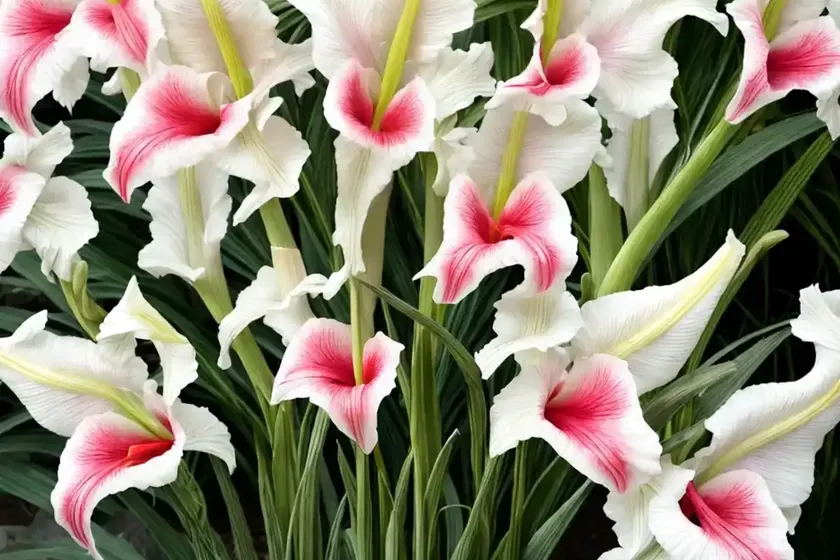
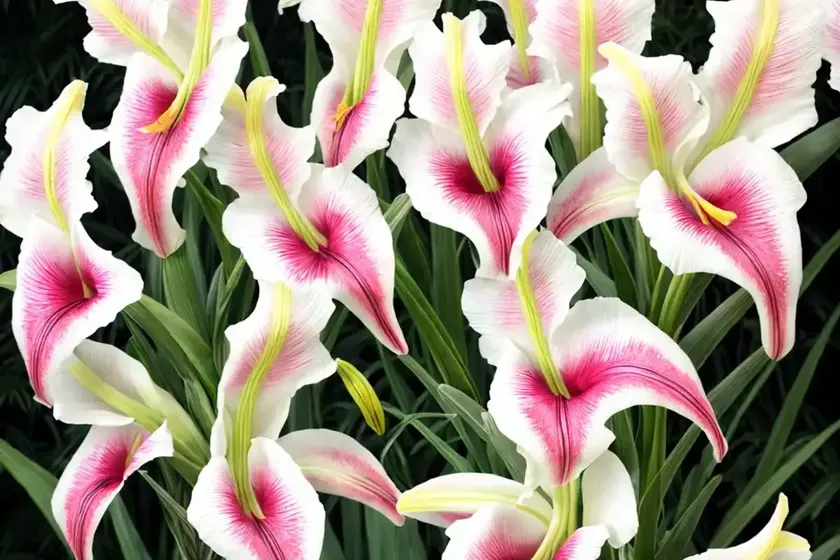
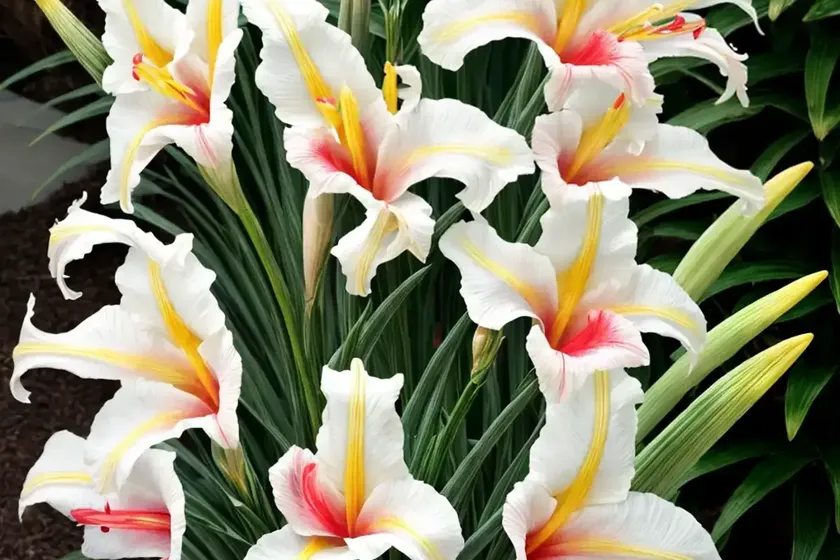
In the world of flora, the Gladiolus ‘Lumiere’, commonly known as the Sword Lily, is an absolute magnificent emblem of elegance and grace. Its towering, majestic flower spikes and strikingly vivid blooms offer a visual treat to all gardening enthusiasts. For individuals eager to enrich their gardening repertoire with the cultivation of Gladiolus ‘Lumiere’, this comprehensive guide is tailored to provide you with a deep understanding of every facet of nurturing and maintaining this mesmerizing botanical gem.
What is Gladiolus ‘Lumiere’?
Gladiolus ‘Lumiere’, a member of the Gladiolus genus, brings forth a display of colorful, showy flowers in various hues, bringing charm and allure to any space it graces. Originating from the Mediterranean and Africa, this perennial plant is renowned for its vibrant floral spikes and sword-like leaves, contributing to its alternative common name, the Sword Lily.
Enriching gardens since its discovery, the Gladiolus ‘Lumiere’ has captivated the hearts of gardeners and flower enthusiasts due to its striking vertical presence and a wide spectrum of captivating colors.
Key Takeaways – Gladiolus ‘Lumiere’ (Sword Lily)
Let’s delve into the intricacies of cultivating and nurturing Gladiolus ‘Lumiere’. With insights on culture, uses, watering, sunlight, fertilizer requirements, soil preferences, pruning, propagation methods, container gardening possibilities, common diseases, pest control, and much more, you’ll be equipped to embark on the journey of growing and caring for Gladiolus ‘Lumiere’.
Culture
- Botanical Name: Gladiolus ‘Lumiere’
- Common Names: Sword Lily
- Type: Perennial
- Hardiness Zones: 7-10
- Mature Height: 2-5 feet
- Mature Spread: 1 foot
- Bloom Time: Late spring to early fall
- Flower Color: Various vibrant colors
- Special Features: Showy flowers, vertical accent in gardens
Uses
- Garden beds and borders: The magnificent blooms of Gladiolus ‘Lumiere’ make it an excellent addition to garden beds, where it can add height and a pop of color.
- Cut flowers: The long stems make Gladiolus ‘Lumiere’ a popular choice for cut flower arrangements, bringing the beauty of the garden indoors.
- Container gardening: With suitable containers, Gladiolus ‘Lumiere’ can thrive on balconies, patios, or decks, adding elegance to small spaces.
Water
- Regular watering: Adequate and consistent moisture is key, especially during the growing and blooming periods.
- Soil moisture: Ensure well-draining soil to prevent waterlogged conditions, which can lead to root rot.
Sunlight
- Full sun: Gladiolus ‘Lumiere’ thrives in full sunlight, requiring at least 6-8 hours of direct sun to promote strong and vibrant flowering.
Fertilizer
- Balanced fertilizer: Apply a balanced, all-purpose fertilizer at the time of planting and then periodically during the growing season to support healthy growth and prolific flowering.
Soil
- Well-draining soil: Gladiolus ‘Lumiere’ thrives in well-draining soil to prevent waterlogged conditions.
- Soil pH: Slightly acidic to neutral soil pH is preferred.
Pruning
- Deadheading: Regular removal of spent blooms encourages continuous flowering and prevents the plant from directing energy into seed production.
- Foliage removal: Once the foliage starts to yellow and wither, it can be pruned back to ground level.
Propagation
- Corm division: Propagation is commonly achieved through corm division, usually performed during the dormant season.
- Offset planting: Planting the offsets (small corms) obtained from the parent plant is another effective method of propagation.
Container Popularity
- Suitable containers: Gladiolus ‘Lumiere’ thrives in deep containers to accommodate the corms and provide adequate space for root growth.
- Balcony and patio gardens: Ideal for adding height and color to small outdoor spaces.
Common Diseases
- Fungal diseases: Proper air circulation and avoiding overhead watering can help in preventing common fungal diseases such as botrytis and rust.
Disease Diagnosis
- Visual symptoms: Yellowing or browning of leaves, black spots on foliage, and wilting can indicate the presence of diseases.
- Professional consultation: If symptoms persist, seek advice from local horticultural specialists for accurate diagnosis and treatment recommendations.
Common Pests
- Thrips: These tiny insects can cause stippling and discoloration of leaves.
- Aphids: Aphids can also infest Gladiolus ‘Lumiere’, causing damage to the foliage and buds.
Botanist’s Tips
- Plant in clusters: Planting in clusters can create a stunning visual impact when Gladiolus ‘Lumiere’ is in full bloom.
- Support the stems: As the plant grows, providing stakes or other supports can prevent the flower spikes from bending or breaking.
Fun Facts
- The name “Gladiolus” is derived from the Latin word “gladius,” meaning sword, which aptly describes the plant’s sword-like leaves.
- Gladiolus flowers are symbols of strength, moral integrity, and infatuation, making them a popular choice for gifting and special occasions.
Now that we have explored the intricacies of Gladiolus ‘Lumiere’, let’s delve into the various aspects of growing and caring for this magnificent plant. The journey of nurturing Gladiolus ‘Lumiere’ is a rewarding experience that can bring an elegant touch to any outdoor space.
Links to External Resources
This thorough resource guide will serve as your compass in the mesmerizing world of Gladiolus ‘Lumiere’. Whether you’re an experienced gardener or a novice enthusiast, the allure of the Sword Lily is bound to captivate your senses and add a vibrant note to your gardening endeavors.


