Hibiscus syriacus Azurri Blue Satin: A Complete Guide
Hibiscus syriacus, commonly known as Rose of Sharon, is a beautiful and versatile flowering shrub that is known for its vibrant and attractive flowers. Among the different varieties of Hibiscus syriacus, Azurri Blue Satin stands out for its exceptional beauty and unique characteristics. In this comprehensive guide, we will explore everything you need to know about Hibiscus syriacus Azurri Blue Satin, including its cultural requirements, uses, maintenance, and common issues. Whether you are a gardening enthusiast, a landscaping professional, or simply someone who appreciates the beauty of plants, this guide will provide you with valuable insights into nurturing and enjoying the splendor of Hibiscus syriacus Azurri Blue Satin.
What is Hibiscus syriacus Azurri Blue Satin?
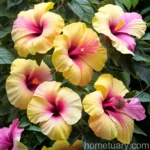
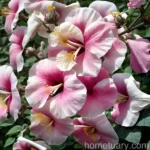
Hibiscus syriacus Azurri Blue Satin is a cultivar of the Hibiscus syriacus species, which belongs to the family Malvaceae. This deciduous flowering shrub is renowned for its stunning flowers and its adaptability to various growing conditions. The Azurri Blue Satin variety is particularly esteemed for its large, double flowers that boast a striking combination of blue and violet hues. The rich, showy blooms of the Azurri Blue Satin make it a captivating addition to gardens, landscapes, and container plantings.
Key Takeaways – Hibiscus syriacus Azurri Blue Satin
Before delving into the specifics of caring for Hibiscus syriacus Azurri Blue Satin, let’s outline the key takeaways for this exceptional plant. The following points provide a brief overview of what we will be exploring in detail throughout this guide.
- Botanical Name: Hibiscus syriacus Azurri Blue Satin
- Common Name: Rose of Sharon Azurri Blue Satin
- Notable Feature: Large, double flowers with blue and violet hues
- Cultural Uses: Ornamental display, landscaping, container gardening
- Maintenance Aspects: Pruning, propagation, fertilizer application, disease prevention
- Growing Requirements: Water, sunlight, soil, and companion planting
- Common Issues: Diseases, pests, winter care
Now that we have a basic understanding of what Hibiscus syriacus Azurri Blue Satin is all about, let’s explore the essential aspects of caring for and enjoying this stunning shrub.
Culture
The successful cultivation of Hibiscus syriacus Azurri Blue Satin is largely dependent on providing the right cultural conditions for the plant to thrive. From choosing the optimal location to understanding its watering and fertilization needs, here’s a comprehensive look at the cultural requirements for nurturing this captivating shrub.
Water
The water requirements for Hibiscus syriacus Azurri Blue Satin are moderately high, especially during the active growing season. Adequate moisture is essential for promoting healthy foliage, robust flowering, and overall plant vigor. However, it is crucial to avoid waterlogged conditions, as this can lead to root rot and other moisture-related issues.
When establishing a watering routine for Hibiscus syriacus Azurri Blue Satin, consider the following factors:
- Establishment Period: Newly planted shrubs require regular watering to aid in root establishment. Provide sufficient water to the root zone, ensuring that the soil remains consistently moist but not saturated.
- Active Growing Season: During the spring and summer months, when the plant is actively growing and flowering, maintain a regular watering schedule. Monitor the soil moisture levels and water whenever the top inch of the soil feels dry to the touch.
- Drought Tolerance: While Hibiscus syriacus Azurri Blue Satin prefers moist soil, established plants demonstrate a degree of drought tolerance. However, prolonged dry spells can impact flowering and overall plant health.
It is important to strike a balance with watering, ensuring that the soil remains adequately moist without becoming waterlogged. Mulching around the base of the plant can help retain soil moisture and reduce evaporation, particularly during hot and dry periods.
Sunlight
Hibiscus syriacus Azurri Blue Satin thrives in full sun to partial shade, displaying optimal growth and flowering when provided with ample sunlight. When selecting a planting location or deciding on a suitable site for container cultivation, consider the following sunlight requirements:
- Full Sun: Planting Hibiscus syriacus Azurri Blue Satin in a location that receives at least 6 to 8 hours of direct sunlight is ideal for promoting vigorous growth and profuse blooming. Full sun exposure encourages the development of sturdy, well-branched shrubs with an abundance of flowers.
- Partial Shade: While the plant can tolerate some shade, it is best to provide partial shade in the afternoon, especially in regions with intense heat. Partial shade can help prevent the plant from experiencing heat stress and can prolong the longevity of the flowers.
Understanding the sunlight requirements of Hibiscus syriacus Azurri Blue Satin is essential for optimizing its performance and ensuring an impressive floral display.
Fertilizer
Proper fertilization plays a key role in sustaining the growth, vigor, and flowering of Hibiscus syriacus Azurri Blue Satin. By supplying essential nutrients, the plant is better equipped to produce an abundance of blooms and maintain healthy foliage. Here are some important considerations for fertilizing Hibiscus syriacus Azurri Blue Satin:
- Balanced Fertilizer: Use a balanced, slow-release fertilizer formulated for flowering shrubs to provide a consistent supply of essential nutrients throughout the growing season. Look for formulations with a relatively equal ratio of nitrogen, phosphorus, and potassium, as well as micronutrients.
- Application Timing: Begin fertilizing in early spring, just as new growth emerges. Continue to fertilize every 4 to 6 weeks during the active growing season, tapering off in late summer to avoid stimulating late-season growth that may be susceptible to frost damage.
- Mulch Application: Apply a layer of organic mulch around the base of the plant, keeping it several inches away from the main stem. As the mulch breaks down, it releases nutrients into the soil and helps maintain soil moisture.
By adhering to a balanced fertilization schedule and choosing appropriate fertilizers, you can bolster the overall health and beauty of Hibiscus syriacus Azurri Blue Satin.
Soil
The choice of soil is a critical factor in the successful cultivation of Hibiscus syriacus Azurri Blue Satin. The right soil composition and structure can greatly influence the plant’s growth, blooming capacity, and overall resilience. Consider the following soil-related aspects for cultivating this stunning shrub:
- Well-Draining Soil: Hibiscus syriacus Azurri Blue Satin thrives in well-draining, loamy soil that provides good aeration and water infiltration. Avoid heavy clay soils that retain excessive moisture, as they can lead to waterlogged conditions and root-related issues.
- Soil pH: The ideal soil pH for Hibiscus syriacus Azurri Blue Satin ranges from slightly acidic to slightly alkaline, typically between 6.0 and 7.5. Conduct a soil test to assess the pH of the planting site and make necessary amendments to achieve the optimal pH range.
- Soil Enrichment: Prior to planting, incorporate organic matter such as compost, well-rotted manure, or leaf mold into the soil to improve its structure and nutrient content. Organic amendments contribute to long-term soil health and fertility.
Creating the right soil environment sets the stage for the successful establishment and growth of Hibiscus syriacus Azurri Blue Satin, allowing it to flourish and produce an abundance of stunning flowers.
Pruning
Pruning is an essential aspect of maintaining the health, aesthetics, and blooming capacity of Hibiscus syriacus Azurri Blue Satin. Proper pruning practices enable you to shape the shrub, remove damaged or overgrown branches, and stimulate the development of new growth and flowers. To ensure that your pruning efforts yield the desired results, follow these key guidelines:
- Timing: Prune Hibiscus syriacus Azurri Blue Satin in late winter to early spring, prior to the onset of new growth. This timing allows for the removal of any winter damage and encourages vigorous regrowth as the growing season commences.
- Pruning Techniques: Use clean, sharp pruning shears to make precise cuts that promote healing and minimize the risk of disease. Remove dead, weak, or crossing branches, and thin out the interior of the shrub to improve air circulation and light penetration.
- Shaping and Size Control: Tailor your pruning approach to achieve the desired shape and size for Hibiscus syriacus Azurri Blue Satin. Whether you prefer a compact, formal appearance or a more natural, free-flowing structure, strategic pruning can help you attain the desired aesthetic.
Understanding the principles of pruning and implementing these techniques appropriately can greatly enhance the overall appearance and health of Hibiscus syriacus Azurri Blue Satin.
Propagation
The propagation of Hibiscus syriacus Azurri Blue Satin offers an exciting opportunity to expand your plant collection and share this remarkable shrub with others. While the propagation process requires some patience and attention to detail, the rewards of successfully propagating new plants are certainly worth the effort. There are several common methods for propagating Hibiscus syriacus Azurri Blue Satin, including:
Seed Propagation
Propagation from seeds presents an affordable and straightforward approach to cultivating new Hibiscus syriacus Azurri Blue Satin plants. Follow these steps for successful seed propagation:
- Seed Collection: Harvest mature seeds from existing flowers, ensuring that the seeds are fully developed and have stopped growing within the seed pod.
- Seed Preparation: Scrape the seeds gently to remove any excess pulp or residue, then rinse them thoroughly to clean off any remaining debris.
- Germination: Sow the prepared seeds in a well-draining germination medium and maintain consistent moisture and warmth to facilitate germination. Within a few weeks, the seeds should begin to sprout, signaling successful germination.
- Seedling Care: Once the seedlings have developed several sets of true leaves, they can be transplanted into individual containers or a prepared outdoor bed.
Seed propagation offers a fulfilling and educational experience, allowing you to witness the growth and development of new plants from the earliest stages.
Stem Cuttings
Propagating Hibiscus syriacus Azurri Blue Satin from stem cuttings is a reliable method for reproducing the exact traits of the parent plant. To propagate this shrub from stem cuttings, follow these steps:
- Cutting Selection: Identify healthy, non-flowering stems with several sets of mature leaves. Using clean, sharp scissors or pruners, take a 6-8 inch cutting just below a leaf node.
- Rooting Medium: Dip the lower end of the cutting in a rooting hormone to encourage root development, then plant the cutting in a well-draining rooting medium such as perlite, vermiculite, or a mix of peat and perlite.
- Rooting Environment: Create a humid environment around the cutting by covering it with a clear plastic bag or propagating dome. Place the cutting in a warm location with indirect light, maintaining consistent moisture levels.
- Transplanting: After several weeks, check for the presence of new roots by gently tugging on the cutting. Once roots have formed, transplant the cutting into a larger container or prepared outdoor bed for continued growth.
Stem cuttings are an effective means of propagating Hibiscus syriacus Azurri Blue Satin, allowing you to produce new plants with the same exceptional characteristics as the parent shrub.
Division
For well-established Hibiscus syriacus Azurri Blue Satin shrubs, division presents an opportunity to propagate new plants while rejuvenating the parent plant. Here’s how to propagate through division:
- Root Division: Carefully dig up the mature plant, aiming to unearth a portion of the root system along with the associated stems and foliage. Gently tease apart the roots to create individual sections, ensuring that each division has a viable root system and sufficient shoots.
- Transplanting: Plant each division in a prepared outdoor bed or individual containers, providing appropriate soil and watering to support their establishment.
- Aftercare: Water the newly divided plants regularly to encourage root development and reestablishment. Monitor the divisions for several weeks to ensure their successful transition to the new growing environment.
Division is a practical approach to increasing your Hibiscus syriacus Azurri Blue Satin collection, as well as renewing the vigor of mature plants that may have become overcrowded.
Container Popularity
Hibiscus syriacus Azurri Blue Satin is well-suited for container gardening, offering an opportunity to showcase its vibrant blooms and stunning foliage in a versatile and mobile display. Cultivating this shrub in containers allows you to enjoy its beauty on patios, decks, and other outdoor spaces, as well as providing the flexibility to move the plant to different locations as needed.
Container Selection
When choosing a container for Hibiscus syriacus Azurri Blue Satin, select a sizeable, well-draining pot that provides ample room for the root system to spread and grow. Consider the following factors when selecting a container:
- Size: Opt for a container that is at least 18 to 24 inches in diameter and depth to accommodate the root system and support the growth of the shrub.
- Drainage: Ensure that the container has multiple drainage holes in the bottom to prevent water from accumulating around the roots.
- Material: Select a durable, weather-resistant material such as plastic, terracotta, or fiberglass that can withstand outdoor conditions and provide insulation for the roots.
Container Care
Caring for Hibiscus syriacus Azurri Blue Satin in containers involves a few key considerations to support its growth and overall health. Implement the following practices for successful container gardening:
- Watering: Monitor the soil moisture regularly and water the plant when the top inch of the soil feels dry to the touch. Avoid overwatering, as this can lead to root rot in container-grown plants.
- Fertilization: Provide regular applications of balanced, slow-release fertilizer to supply essential nutrients to the shrub. Follow the recommended dosages and apply fertilizer during the active growing season.
- Pruning: Perform routine pruning to maintain the desired shape and size of the shrub, ensuring that it remains well-proportioned within the container.
Cultivating Hibiscus syriacus Azurri Blue Satin in containers offers a delightful and flexible approach to enjoying the captivating beauty of this outstanding flowering shrub.
Common Diseases
While Hibiscus syriacus Azurri Blue Satin is generally a resilient and low-maintenance plant, it can be susceptible to certain diseases under unfavorable growing conditions or when exposed to environmental stressors. Recognizing the signs of common diseases and implementing preventive measures is essential for safeguarding the health and vitality of the plant.
Disease Diagnosis
Here are some of the common diseases that may affect Hibiscus syriacus Azurri Blue Satin, along with key diagnostic indicators:
- Leaf Spot: Leaf spot diseases present as circular or irregularly shaped lesions on the foliage, often accompanied by yellowing and premature leaf drop. Gray or brown fungal growth may be visible on the affected leaves.
- Powdery Mildew: Powdery mildew manifests as a white, powdery coating on the surfaces of leaves and stems. Infected foliage may become distorted or stunted, and in severe cases, the affected parts may die back.
- Cercospora Leaf Blight: Cercospora leaf blight causes the development of dark, irregular lesions with purple margins on the leaves. The affected foliage may defoliate prematurely, leading to a reduction in overall plant vigor.
By closely monitoring the foliage and being vigilant for any signs of disease, you can intervene early and implement appropriate measures to address the issue and prevent its spread.
Common Pests
In addition to diseases, Hibiscus syriacus Azurri Blue Satin may encounter insect pests that can compromise its health and blooming capacity if left unchecked. Identifying the common pests and adopting suitable pest management practices is crucial for protecting the plant from potential damage.
Identifying Pests
Some of the common pests that may affect Hibiscus syriacus Azurri Blue Satin include:
- Aphids: Small, soft-bodied insects that cluster on the undersides of leaves, sucking plant sap and excreting sticky honeydew.
- Scale Insects: Scale insects appear as tiny, oval-shaped bumps on the stems and leaves, often causing yellowing and weakening of the plant.
- Spider Mites: These tiny pests can cause stippling and webbing on the foliage, leading to reduced photosynthetic activity and eventual decline in plant health.
Pest Management
Implementing integrated pest management (IPM) strategies can effectively control and manage pest infestations while minimizing the use of chemical interventions. Consider the following approaches for pest management:
- Pruning: Remove and dispose of infested plant parts to eliminate populations of pests such as aphids and scale insects.
- Horticultural Oils: Apply horticultural oils to suffocate and disrupt the life cycle of certain pests, particularly scale insects and spider mites.
- Beneficial Insects: Introduce predatory insects such as ladybugs and lacewings to naturally control pest populations.
By monitoring the plant for signs of pest activity and intervening with targeted control measures, you can prevent pests from causing significant harm to Hibiscus syriacus Azurri Blue Satin.
Botanist’s Tips
As a botanist specializing in ornamental plants, I have encountered a wide range of species and cultivars, each with its own unique attributes and care requirements. Here are some additional tips and insights to help you cultivate and appreciate the exceptional qualities of Hibiscus syriacus Azurri Blue Satin:
- Companion Planting: Consider pairing Hibiscus syriacus Azurri Blue Satin with companion plants that complement its color scheme and growth habits, such as ornamental grasses, coneflowers, and butterfly bush. Select plants that share similar cultural preferences to create harmonious and visually appealing combinations.
- Winter Protection: In regions with harsh winter conditions, provide appropriate protection for Hibiscus syriacus Azurri Blue Satin to safeguard it from potential frost damage. Apply a layer of mulch around the base of the plant and consider using protective coverings or burlap wraps to shield the shrub from cold temperatures.
- Disease Prevention: Maintaining good air circulation, avoiding overhead watering, and practicing proper pruning techniques are effective preventive measures against common diseases such as leaf spot and powdery mildew.
By integrating these botanist’s tips into your care practices, you can maximize the beauty and longevity of Hibiscus syriacus Azurri Blue Satin in your garden or landscape.
Fun Facts
In addition to being a striking and floriferous shrub, Hibiscus syriacus Azurri Blue Satin also holds some interesting and noteworthy characteristics. Here are a few fun and intriguing facts about this captivating plant:
- The flowers of Hibiscus syriacus Azurri Blue Satin are not only visually stunning but also attract a variety