The Fascinating World of Hosta (Hosta sieboldii ‘Kabitan’)
Introduction to Hosta (Hosta sieboldii ‘Kabitan’)
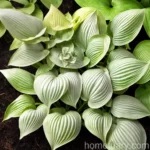
Hosta, commonly known as plantain lilies, is a genus of perennial plants that is highly prized for its attractive foliage and ability to thrive in shade. One particular cultivar of hosta that has garnered significant attention is the Hosta sieboldii ‘Kabitan’. This unique variety of hosta is cherished for its distinct characteristics, making it a favorite among gardening enthusiasts and landscape designers.
In this comprehensive guide, we will delve into the intricacies of cultivating and caring for Hosta sieboldii ‘Kabitan’. From its cultural requirements to common diseases and pests, this article aims to equip readers with valuable insights to nurture and appreciate these exquisite plants.
Key Takeaways – Hosta (Hosta sieboldii ‘Kabitan’)
Before we delve deeper into the specifics of Hosta sieboldii ‘Kabitan’, let’s highlight the key takeaway points that will be covered in this comprehensive guide:
- Culture:
- Understanding the ideal growing conditions for Hosta sieboldii ‘Kabitan’
- Uses:
- Exploring the versatile uses of this cultivar in gardens and landscapes
- Water:
- Addressing the watering needs and best practices for maintaining adequate moisture levels
- Sunlight:
- Determining the optimal light conditions for promoting healthy growth
- Fertilizer:
- Identifying suitable fertilization techniques to support the plant’s nutritional requirements
- Soil:
- Assessing the soil preferences and composition for Hosta sieboldii ‘Kabitan’
- Pruning:
- Discussing the importance of pruning and appropriate methods for this cultivar
- Propagation:
- Exploring the various propagation methods for expanding plant populations
- Container Popularity:
- Recognizing the appeal of cultivating Hosta sieboldii ‘Kabitan’ in containers
- Common Diseases:
- Understanding prevalent diseases and strategies for disease management
- Common Pests:
- Identifying common pests that may affect Hosta sieboldii ‘Kabitan’ and suitable pest control measures
- Botanist’s Tips:
- Gaining valuable insights and tips from botanical experts
- Fun Facts:
- Discovering intriguing and lesser-known facts about Hosta sieboldii ‘Kabitan’
Understanding Hosta (Hosta sieboldii ‘Kabitan’)
Culture
Cultivating Hosta sieboldii ‘Kabitan’ requires an understanding of its cultural preferences to ensure optimal growth and development. The following are key cultural considerations for this captivating hosta variety:
- Growing Zone:
- Hosta sieboldii ‘Kabitan’ thrives in USDA Hardiness Zones 3-9, making it suitable for a wide range of climates.
- Shade Preference:
- As with many hosta varieties, Hosta sieboldii ‘Kabitan’ prefers partial to full shade, particularly in regions with intense sunlight.
- Moisture Requirements:
- This cultivar thrives in well-draining, consistently moist soil, necessitating regular watering to maintain adequate moisture levels.
- Soil Composition:
- Hosta sieboldii ‘Kabitan’ flourishes in humus-rich, loamy soil with a slightly acidic to neutral pH.
Uses
The versatility of Hosta sieboldii ‘Kabitan’ makes it a desirable addition to various garden settings and landscaping arrangements. Its uses extend beyond mere ornamental appeal to encompass functional and aesthetic applications:
- Shade Gardens:
- This cultivar serves as an exceptional option for shaded garden areas, adding texture and visual interest.
- Ground Cover:
- Hosta sieboldii ‘Kabitan’ can be utilized as an effective ground cover due to its spreading habit and lush foliage.
- Container Gardening:
- The compact size and elegant foliage make Hosta sieboldii ‘Kabitan’ an excellent choice for container plantings, adding a touch of refinement to outdoor spaces.
- Edging Plant:
- Its low, mounding habit makes it well-suited for edging pathways or garden beds, creating a defined border with its attractive foliage.
Water
Proper watering is essential for the health and vitality of Hosta sieboldii ‘Kabitan’. Understanding its specific water requirements is crucial for sustaining optimal growth:
- Moisture Management:
- Hosta sieboldii ‘Kabitan’ necessitates consistent moisture, particularly during the active growing season, to support lush foliage and overall vigor.
- Watering Frequency:
- In periods of insufficient rainfall, regular watering is recommended to ensure the soil remains consistently moist without becoming waterlogged.
- Deep Watering:
- Providing deep, thorough watering is preferable over frequent shallow watering, encouraging robust root development and drought tolerance.
Sunlight
Though hostas are renowned for their ability to thrive in shade, Hosta sieboldii ‘Kabitan’ exhibits specific light preferences that contribute to its well-being:
- Shade Tolerance:
- Partial to full shade is ideal for Hosta sieboldii ‘Kabitan’, shielding it from direct sunlight that can scorch the delicate foliage.
- Filtered Sunlight:
- While it thrives in shade, dappled sunlight or filtered light can enhance the coloration and vibrancy of its leaves without subjecting it to harsh sun exposure.
Fertilizer
Appropriate fertilization plays a pivotal role in providing Hosta sieboldii ‘Kabitan’ with the essential nutrients it requires for sustained growth and performance:
- Balanced Fertilizer:
- Applying a balanced, slow-release fertilizer in early spring or late fall can fortify the plant with necessary nutrients, promoting healthy foliage and vigor.
- Fertilizer Application:
- Gently incorporating a suitable fertilizer into the soil around the base of the plant prevents excessive run-off and ensures efficient nutrient absorption.
Soil
The cultivation of Hosta sieboldii ‘Kabitan’ is intricately connected to the soil conditions in which it is planted. Understanding its soil preferences is integral to its overall well-being:
- Well-Draining Soil:
- Ensuring the soil has excellent drainage properties is critical to preventing waterlogged conditions that can be detrimental to the plant’s roots.
- Organic Matter:
- Amending the soil with organic matter such as compost or well-rotted manure enhances its moisture retention and nutrient content, fostering favorable conditions for growth.
Pruning
Pruning is an essential aspect of maintaining the aesthetic appeal and health of Hosta sieboldii ‘Kabitan’. When conducted judiciously, pruning can promote tidiness and rejuvenation:
- Deadheading Flowers:
- Removing spent flowers not only enhances the plant’s appearance but also encourages continued blooming and conserves its energy for foliage development.
- Foliage Trimming:
- Trimming discolored or damaged foliage promotes air circulation and reduces the risk of disease, contributing to the plant’s overall vitality.
Propagation
Expanding the population of Hosta sieboldii ‘Kabitan’ through propagation allows for the dissemination of its unique attributes across diverse garden settings:
- Dividing Clumps:
- Dividing mature clumps of Hosta sieboldii ‘Kabitan’ in early spring or fall facilitates the creation of new plantings, ensuring the maintenance of consistent vigor.
- Rhizome Cuttings:
- Rhizome cuttings can also be utilized to propagate this cultivar, with each segment capable of generating a new plant with proper care and nurturing.
Container Popularity
The compact size and aesthetic appeal of Hosta sieboldii ‘Kabitan’ render it an excellent choice for container gardening, allowing for creative and versatile display options:
- Container Selection:
- Choosing containers with adequate drainage holes and ample room for root development is essential for ensuring the plant’s well-being in a containerized environment.
- Aesthetic Enhancement:
- Utilizing Hosta sieboldii ‘Kabitan’ in containers provides an opportunity to accentuate outdoor living spaces with its exquisite foliage, particularly in areas with limited ground space.
Common Diseases
Understanding the potential diseases that may affect Hosta sieboldii ‘Kabitan’ is crucial for implementing effective preventative measures and prompt management:
- Fungal Diseases:
- Hosta sieboldii ‘Kabitan’ may be susceptible to fungal diseases such as leaf spot and powdery mildew, particularly in conditions of high humidity and poor air circulation.
- Bacterial Infections:
- Practices such as overhead watering and overcrowded plantings can predispose this cultivar to bacterial leaf streak, necessitating vigilant monitoring and appropriate cultural practices.
Disease Diagnosis
Early detection and accurate diagnosis of diseases impacting Hosta sieboldii ‘Kabitan’ are imperative for implementing targeted intervention strategies:
- Visual Symptoms:
- Symptoms such as leaf discoloration, spotting, and distortion can indicate the presence of diseases, warranting closer inspection and proactive management.
- Professional Consultation:
- Seeking the expertise of horticultural professionals can facilitate precise disease diagnosis and the implementation of effective treatment protocols.
Common Pests
Hosta sieboldii ‘Kabitan’ may be vulnerable to various pests that can compromise its vitality if not promptly addressed. Identifying common pests is essential for timely intervention:
- Slug Infestations:
- Slugs are a common pest that can inflict damage on the foliage of Hosta sieboldii ‘Kabitan’, particularly in moist, shaded environments.
- Snail Presence:
- Similar to slugs, snails can pose a threat to this cultivar, necessitating proactive measures to mitigate their impact and safeguard the plant’s foliage.
Botanist’s Tips
Gaining insights from botanical experts can offer valuable guidance for cultivating and nurturing Hosta sieboldii ‘Kabitan’ with proficiency and finesse:
- Cultural Best Practices:
- Implementing recommended cultural practices such as adequate moisture management and soil amendment promotes the plant’s well-being and longevity.
- Pest and Disease Management:
- Recognizing early signs of pest infestations and diseases enables proactive intervention, preserving the plant’s health and aesthetics.
Fun Facts
Unveiling intriguing and lesser-known facts about Hosta sieboldii ‘Kabitan’ provides a deeper appreciation for its distinctive attributes and contributions to garden settings:
- Leaf Variation:
- The foliage of Hosta sieboldii ‘Kabitan’ exhibits a diverse array of coloration, leaf sizes, and textures, accentuating its ornamental appeal.
- Japanese Origin:
- Hosta sieboldii ‘Kabitan’ derives its epithet from the renowned German-Japanese botanist Philipp Franz von Siebold, underscoring its cultural and historical significance.
Conclusion
In conclusion, the Hosta sieboldii ‘Kabitan’ embodies an exquisite fusion of ornamental charm and functional versatility, making it an exceptional choice for diverse garden and landscape applications. Its distinctive characteristics and adaptive nature render it an invaluable addition to horticultural settings, captivating enthusiasts with its captivating foliage and enduring allure.
As we navigate the intricacies of cultivating and caring for this remarkable hosta variety, the insights garnered from this comprehensive guide aim to empower gardening enthusiasts and landscape professionals with the knowledge and proficiency to nurture Hosta sieboldii ‘Kabitan’ with adeptness and reverence.
From understanding its cultural requirements to recognizing potential pests and diseases, the multifaceted dimensions of Hosta sieboldii ‘Kabitan’ contribute to its enduring appeal and significance within the realm of horticulture. As we embrace the timeless allure of this cultivar, its legacy continues to flourish, enriching outdoor spaces with its resplendent foliage and unequivocal charm.
References
- The American Hosta Society
- University of Minnesota Extension – Hostas in the Garden
- [Royal Horticultural Society – Hostas](https://www.rhs.org.uk/plants/popular/hosta/
- Missouri Botanical Garden – Hosta sieboldii ‘Kabitan’
- North Carolina State University – Hosta Diseases and Their Control
By Dr. Botanist | Plant Scientist | Published 2023