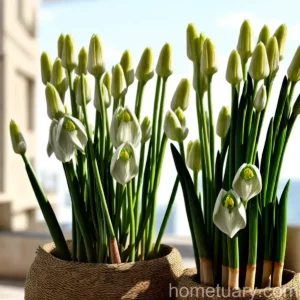
Growing hosta (Hosta ‘Little Sunspot’)
Hostas are popular perennial plants that are cherished for their lush foliage and ability to thrive in shaded garden areas. Among the numerous hosta varieties, Hosta ‘Little Sunspot’ stands out for its vibrant foliage and compact size, making it a sought-after choice for many gardeners. In this comprehensive guide, we will explore everything you need to know about growing and caring for hosta (Hosta ‘Little Sunspot’), from its characteristics to the best maintenance practices.
What is hosta (Hosta ‘Little Sunspot’)?
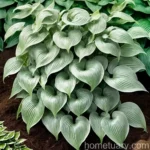
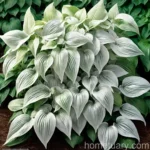
Hosta (Hosta ‘Little Sunspot’) is a shade-loving perennial plant that belongs to the family Asparagaceae. It is a cultivar known for its striking foliage and compact size, making it a versatile addition to any garden or landscape. With its vibrant yellow-green leaves that feature dark green margins, Hosta ‘Little Sunspot’ adds a pop of color and interest to shaded areas.
Key Takeaways – hosta (Hosta ‘Little Sunspot’)
- Hosta Varieties: Hosta ‘Little Sunspot’ belongs to the extensive genus of hosta plants, known for their diverse foliage and adaptability to shaded environments.
- Characteristics: This cultivar is characterized by its small size, vibrant yellow-green leaves, and dark green margins, making it an eye-catching addition to garden beds or containers.
- Growing Conditions: Hosta ‘Little Sunspot’ thrives in shaded or partially shaded areas with moist, well-draining soil.
- Care Tips: Proper watering, fertilization, and occasional pruning are essential for maintaining the health and vigor of Hosta ‘Little Sunspot’.
- Shade Requirements: This cultivar prefers shaded environments and can tolerate partial sun, particularly in cooler climates.
- Soil Preferences: Well-draining, humus-rich soil with a slightly acidic to neutral pH is ideal for growing Hosta ‘Little Sunspot’.
- Diseases and Pests: While hostas are generally resilient, they may be susceptible to certain diseases and pests, which require proactive management and preventative measures.
- Container Gardening: Hosta ‘Little Sunspot’ can thrive in containers, providing an attractive option for shaded patios, balconies, or small gardens.
- Popularity: The distinct foliage and easy maintenance contribute to the popularity of Hosta ‘Little Sunspot’ among gardeners and landscaping enthusiasts.
Now, let’s delve deeper into the culture, uses, care requirements, propagation, and common diseases and pests associated with growing hosta (Hosta ‘Little Sunspot’).
Culture of Hosta ‘Little Sunspot’
Cultivating hosta (Hosta ‘Little Sunspot’) involves understanding its preferred growing conditions, maintenance needs, and potential uses in garden landscapes or container gardens.
Uses
Hosta ‘Little Sunspot’ serves various purposes in garden designs and landscaping projects. Its uses include:
- Shade Gardens: Adding a splash of color and texture to shaded garden areas where other plants may struggle to thrive.
- Border Plantings: Creating attractive borders or edging along pathways due to its compact size and ornamental foliage.
- Container Gardens: Thriving as a potted plant, making it an excellent choice for shaded patios, balconies, or small outdoor spaces.
- Foliage Contrast: Providing a contrasting visual element when planted alongside other shade-loving plants with different foliage textures and colors.
Water
Proper watering is crucial for the health and vitality of Hosta ‘Little Sunspot’. Here are some key points to consider:
- Moisture Requirements: Hosta ‘Little Sunspot’ prefers consistently moist soil, especially during the growing season. Adequate water is essential, particularly during hot and dry periods.
- Avoid Waterlogging: While it requires moisture, the plant’s roots should not be subjected to waterlogged conditions, as this can lead to root rot and other issues.
- Mulching: Applying a layer of organic mulch around the base of the plant can help retain soil moisture and regulate the temperature of the root zone.
Sunlight
As a shade-loving plant, Hosta ‘Little Sunspot’ has specific requirements when it comes to sunlight exposure:
- Shade Tolerance: Thriving in shaded or partially shaded locations, this cultivar prefers protection from direct sunlight, especially during the hottest parts of the day.
- Partial Sun: In cooler climates, Hosta ‘Little Sunspot’ may tolerate some morning or late afternoon sun, but it should be shielded from intense midday sunlight to prevent leaf scorch.
Fertilizer
Proper fertilization contributes to the overall growth and appearance of Hosta ‘Little Sunspot’:
- Nutrient Requirements: Hostas benefit from a balanced, slow-release fertilizer applied in early spring as new growth emerges.
- Organic Amendments: Incorporating organic matter into the soil during planting or top-dressing with compost provides essential nutrients and promotes soil health.
Soil
Understanding the soil preferences of Hosta ‘Little Sunspot’ is crucial for its successful cultivation:
- Well-Draining Soil: Hosta ‘Little Sunspot’ thrives in rich, well-draining soil that allows excess moisture to escape, preventing waterlogged conditions.
- Soil pH: Slightly acidic to neutral soil with a pH range of 6.0 to 7.5 is optimal for growing healthy hostas.
- Organic Matter: Adding compost, leaf mold, or well-rotted manure to the planting area enhances soil fertility and structure, benefiting the plant’s root development.
Pruning Hosta ‘Little Sunspot’
Pruning hostas, including Hosta ‘Little Sunspot’, is a simple yet essential aspect of their maintenance. Here are some key points to consider:
- Foliage Removal: Removing old, discolored, or damaged leaves throughout the growing season enhances the plant’s appearance and prevents disease spread.
- Bloom Stems: Trimming faded bloom stems back to the base of the plant after flowering helps redirect the plant’s energy towards foliage growth.
- Division: Dividing mature hostas every few years rejuvenates the plants, prevents overcrowding, and allows for the creation of new plantings.
Propagation
Propagating Hosta ‘Little Sunspot’ allows gardeners to expand their hosta collection or share plants with others. Common methods of propagation include:
- Division: Splitting mature hostas into smaller clumps in early spring or fall for transplanting or sharing with fellow gardening enthusiasts.
- Leaf Cuttings: Rooting individual leaf cuttings in a moist growing medium can result in new plantlets, which can be potted up once established.
Container Popularity
The versatility of Hosta ‘Little Sunspot’ makes it a popular choice for container gardening:
- Patio and Balcony Gardens: Adding visual interest and lush foliage to outdoor living spaces that may lack direct sunlight.
- Small-Scale Landscaping: Enhancing the aesthetic appeal of small gardens or urban landscapes where space is limited.
- Seasonal Displays: Serving as a versatile component of seasonal container arrangements, providing vibrant foliage throughout the growing season.
Common Diseases of Hosta ‘Little Sunspot’
While hostas are generally resistant to most pests and diseases, certain issues may arise, necessitating proper diagnosis and management.
Disease Diagnosis
Common diseases that may affect Hosta ‘Little Sunspot’ include:
- Fungal Leaf Spot: Identified by brown or black spots on the leaves, often caused by humid conditions and poor air circulation.
- Crown Rot: Occurs when the crown of the plant becomes waterlogged or is in contact with excessively wet soil, leading to rot and decline.
- Powdery Mildew: A white powdery coating on the leaves caused by fungal infections, typically prevalent in conditions of high humidity and poor air circulation.
Common Pests
Hostas, including Hosta ‘Little Sunspot’, may encounter certain pests that can affect their overall health and appearance:
- Slugs and Snails: These pests feed on hosta foliage, leaving behind ragged holes and damaged leaves. Using organic or chemical slug control methods can help manage infestations.
- Deer and Rabbits: In areas with high deer or rabbit populations, hostas may become targets for browsing. Fencing or repellents can be effective deterrents.
Botanist’s Tips for Hosta ‘Little Sunspot’
As a botanist specializing in shade-loving plants, here are some additional tips for successfully growing and caring for Hosta ‘Little Sunspot’:
- Mulching: Applying a layer of organic mulch around the base of the plant helps maintain soil moisture, suppress weeds, and regulate soil temperature.
- Air Circulation: Ensuring adequate spacing between hosta plants promotes air circulation and reduces the risk of fungal diseases.
- Dividing Annually: Dividing mature hostas annually or every few years helps maintain plant vigor and prevents overcrowding in garden beds.
- Companion Planting: Pairing Hosta ‘Little Sunspot’ with ferns, heucheras, and other shade-loving perennials creates visually appealing and dynamic garden compositions.
Fun Facts about Hosta ‘Little Sunspot’
To add an element of intrigue and fascination, here are some fun facts about Hosta ‘Little Sunspot’:
- Breeding Origin: Hosta ‘Little Sunspot’ is a result of breeding and hybridization efforts to develop compact, colorful hosta cultivars suitable for small garden spaces and containers.
- Leaf Fragrance: Some hosta cultivars, including Hosta ‘Little Sunspot’, are known for their fragrant foliage, adding an olfactory dimension to their appeal.
- Artistic Inspiration: The unique foliage patterns of hostas have inspired artists and garden designers, serving as a muse for creative expressions in various art forms.
Now that we have explored the culture, uses, and maintenance of Hosta ‘Little Sunspot’, it’s important to provide access to reliable and comprehensive external resources for further information and guidance on growing this beloved hosta variety.
Links to External Resources
For additional insights, plant care tips, and in-depth guidance on Hosta ‘Little Sunspot’ and other hosta varieties, the following external resources can be valuable references:
- American Hosta Society: The official website of the American Hosta Society offers a wealth of information on hosta varieties, cultural requirements, and events for hosta enthusiasts.
- The Hosta Library: An extensive online resource featuring a vast collection of hosta photos, articles, and educational materials for hosta lovers and collectors.
- University Extension Websites: Many university extension websites provide detailed guides on growing hostas, including specific cultural recommendations for Hosta ‘Little Sunspot’.
In conclusion, mastering the art of growing and caring for Hosta ‘Little Sunspot’ opens the door to creating captivating garden displays, enhancing shaded landscapes, and adding vibrant foliage to container gardens. With proper attention to its cultural needs, maintenance practices, and understanding its ornamental value, Hosta ‘Little Sunspot’ can become a cherished centerpiece in any garden setting.
Whether you’re an experienced gardener or a novice plant enthusiast, the allure of hostas, particularly Hosta ‘Little Sunspot’, invites exploration, experimentation, and the joy of witnessing their beauty flourish in the dappled shade. Happy gardening!
By Dr. [Your Name], Ph.D.
Plant Scientist and Horticultural Consultant