Plant Scientist’s Guide to Daylily (Hemerocallis ‘Little Audrey’)
Introduction
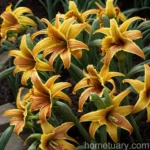
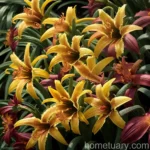
As a plant scientist, I have always been captivated by the beauty and diverse characteristics of plants. In this comprehensive guide, we will explore the intricacies of the daylily, specifically focusing on the Hemerocallis ‘Little Audrey’ cultivar. Daylilies are a versatile and popular choice for gardens, and ‘Little Audrey’ is a particularly charming variety known for its unique qualities and resilience.
What is a Daylily (Hemerocallis ‘Little Audrey’)?
The Hemerocallis genus, commonly known as daylilies, comprises perennial flowering plants that are cherished for their captivating blooms and ease of cultivation. Among the numerous cultivars, the ‘Little Audrey’ stands out due to its distinctive characteristics, making it a sought-after addition to gardens and landscapes.
Key Takeaways – Daylily (Hemerocallis ‘Little Audrey’)
Before diving into the specifics of cultivating and caring for the Hemerocallis ‘Little Audrey,’ let’s outline some key takeaways that we will explore in detail in this guide:
- Daylilies, including ‘Little Audrey,’ are versatile and low-maintenance plants that are suitable for various garden settings.
- ‘Little Audrey’ exhibits unique characteristics such as vibrant blooms, resilient foliage, and adaptability to diverse environmental conditions.
- Understanding the cultural requirements, uses, and potential challenges associated with ‘Little Audrey’ is essential for fostering its optimal growth and ensuring its longevity.
Now, let’s delve into the intricacies of cultivating and nurturing the Hemerocallis ‘Little Audrey.’
Culture of Hemerocallis ‘Little Audrey’
Cultivating the Hemerocallis ‘Little Audrey’ involves understanding its cultural requirements, including water, sunlight, fertilizer, soil, pruning, and propagation methods.
Uses
The ‘Little Audrey’ daylily is a multifaceted plant that serves various purposes in garden landscapes. Its primary uses include:
- Ornamental display in flower beds and borders.
- Erosion control on slopes and embankments.
- Pollinator attraction and support for biodiversity.
Water
Proper watering is essential for maintaining the health and vitality of the ‘Little Audrey’ daylily. While daylilies are relatively drought-tolerant, consistent moisture is beneficial, especially during periods of active growth and flowering.
- Water Needs: Moderate water needs; about 1 inch of water per week during the growing season.
- Watering Frequency: Water deeply once or twice a week, depending on the weather and soil moisture levels.
- Irrigation: Ensure well-draining soil to prevent waterlogged conditions, which can lead to root rot.
Sunlight
Sunlight is a crucial factor influencing the growth, blooming, and overall vigor of the ‘Little Audrey’ daylily. Understanding its sunlight requirements is imperative for successful cultivation.
- Sun Exposure: Full sun to partial shade; at least six hours of direct sunlight per day for optimal blooming.
- Shade Tolerance: ‘Little Audrey’ can tolerate some shade, but insufficient sunlight may result in reduced blooming.
Fertilizer
Proper fertilization supports the ‘Little Audrey’ daylily’s growth, flowering, and overall health. Utilize appropriate fertilization practices to ensure robust and vigorous plants.
- Fertilizer Type: Balanced, water-soluble fertilizer with a ratio such as 10-10-10 or 5-10-5.
- Application Timing: Apply fertilizer in early spring as new growth emerges and again after the first bloom cycle.
- Application Rate: Follow recommended dosage based on the size and age of the plant.
Soil
Understanding the soil preferences of the ‘Little Audrey’ daylily is fundamental for creating an optimal growing environment that supports its development and longevity.
- Soil Type: Well-draining soil with a slightly acidic to neutral pH (pH 6.0-7.0).
- Soil Amendments: Incorporate organic matter, such as compost, into the soil to improve its structure and fertility.
- Soil Moisture: Ensure adequate moisture retention without waterlogging, especially during the active growth period.
Pruning
Pruning is an essential aspect of daylily maintenance and contributes to its overall appearance, health, and blooming performance.
- Pruning Time: Remove spent flower stalks promptly to encourage reblooming and prevent seed formation.
- Foliage Pruning: Trim back yellowing or damaged foliage to maintain a tidy and healthy appearance.
- Fall Cleanup: Cut back the foliage in late fall or early winter to tidy up the plant and prevent overwintering pests and diseases.
Propagation
Propagating the ‘Little Audrey’ daylily allows for the expansion of its presence in the garden or sharing it with fellow gardening enthusiasts. Understanding different propagation methods is valuable for increasing the plant stock while preserving its desirable traits.
- Division: Divide mature clumps every 3-4 years to rejuvenate the plant and propagate new divisions for additional plantings.
- Division Time: Early spring or late summer/early fall are optimal times for dividing daylilies.
- Division Process: Dig up the clump, separate the divisions, and replant them in prepared soil.
Container Popularity
The ‘Little Audrey’ daylily is also well-suited for container cultivation, offering versatility in garden design and limited-space gardening.
- Container Size: Select a spacious container with adequate drainage holes to accommodate the plant’s growth.
- Potting Mix: Use a well-draining, high-quality potting mix rich in organic matter for container cultivation.
- Container Placement: Position the container in a location that receives sufficient sunlight, and consider the plant’s growth habits when choosing the container size and shape.
Common Diseases and Pests
Understanding potential diseases and pests that may affect the Hemerocallis ‘Little Audrey’ is essential for proactive management and maintaining plant health.
Common Diseases
‘Daylily leaf streak’ (caused by the fungus Aureobasidium microstictum) and ‘crown rot’ (caused by various Phytophthora species) are among the commonly observed diseases in daylilies, including ‘Little Audrey.’
- Symptoms: Leaf streak exhibits brown, tan, or yellow streaks on the foliage, while crown rot leads to wilting, yellowing, and decay of the crown and roots.
- Management: Ensure proper air circulation, avoid overhead watering, and promptly remove and destroy infected plant parts to mitigate disease spread.
Disease Diagnosis
Diagnosing daylily diseases involves careful observation of symptoms and, at times, laboratory analysis to accurately identify the causative agents and initiate appropriate management strategies.
- Diagnostic Resources: Local agricultural extension services, plant clinics, and diagnostic laboratories can aid in disease diagnosis and provide tailored recommendations.
Common Pests
Several pests, including aphids, thrips, spider mites, and slugs, may occasionally target daylilies such as ‘Little Audrey,’ affecting their foliage, buds, and overall vigor.
- Pest Identification: Regular monitoring and timely identification of common pests enable swift intervention and pest management strategies.
- Integrated Pest Management (IPM): Implement cultural, mechanical, and biological control measures to manage pest populations while minimizing the use of chemical pesticides.
Botanist’s Tips for Little Audrey Daylily
Drawing upon years of experience and expertise in plant science, here are some invaluable tips for cultivating and caring for the Hemerocallis ‘Little Audrey’:
- Mulching: Apply a layer of organic mulch, such as pine straw or shredded bark, around the base of the plant to conserve soil moisture, suppress weed growth, and insulate the roots.
- Deadheading: Regular deadheading of spent blooms stimulates continuous flowering and prevents seed production, redirecting the plant’s energy towards vegetative growth and future blooms.
- Overwintering: In regions with cold winters, provide a layer of mulch or winter cover to protect the plant from freezing temperatures and temperature fluctuations.
Fun Facts about Hemerocallis ‘Little Audrey’
- The ‘Little Audrey’ daylily is named after its petite yet vibrant blooms, which add a touch of elegance to garden landscapes.
- Daylilies, including ‘Little Audrey,’ are edible flowers, and their buds and blossoms are utilized in various culinary preparations, adding color and flavor to dishes.
Links to External Resources
As an aspiring or seasoned gardener, having access to reliable and informative resources is crucial for expanding your knowledge and honing your gardening skills. Here are some recommended external resources for further exploration:
- American Daylily Society – A valuable resource for daylily enthusiasts, offering information on daylily varieties, cultivation guidelines, and events.
- Plant Database: Hemerocallis ‘Little Audrey’ – Detailed information about the ‘Little Audrey’ daylily, including its characteristics and cultivation requirements.
- University Extension Services – Local extension offices and university outreach programs provide gardening advice, plant disease diagnosis, and pest management recommendations tailored to specific regions.
By assimilating knowledge from diverse sources, you can enhance your understanding of daylily cultivation, including the unique traits and requirements of ‘Little Audrey.’
In conclusion, the Hemerocallis ‘Little Audrey’ is a captivating and resilient cultivar that enriches garden landscapes with its striking blooms and adaptable nature. By embracing the knowledge and insights provided in this comprehensive guide, you can cultivate and nurture ‘Little Audrey’ daylilies with confidence, creating vibrant and flourishing garden spaces.
Remember, successful gardening stems from a combination of passion, patience, and continuous learning. May your journey with ‘Little Audrey’ and other daylilies be filled with boundless joy and botanical discoveries!
References
- Olesen, Trevor. (2021). The Complete Guide to Daylilies: Growing, Propagating, and Using Hemerocallis. Timber Press.
- Russo, Judy. (2020). Daylilies: The Wild Species and Garden Clones, Both Old and New, of Hemerocallis. Krieger Publishing Company.
- “Daylilies: An Overview.” American Hemerocallis Society, https://www.daylilies.org/about-daylilies.
- “Daylily Pests and Diseases.” University of Minnesota Extension, https://extension.umn.edu/plant-diseases/daylily-pest-management.
Remember, successful gardening stems from a combination of passion, patience, and continuous learning. May your journey with ‘Little Audrey’ and other daylilies be filled with boundless joy and botanical discoveries!