The Versatile Hosta ‘Arc de Triomphe’
Hostas are well-loved plants in the world of gardening for their hardy nature, attractive foliage, and ability to thrive in shady conditions. One of the most striking hosta varieties is the Hosta ‘Arc de Triomphe,’ known for its elegant foliage and low-maintenance care requirements. In this comprehensive guide, we’ll delve into the various aspects of this exceptional plant, including its cultural needs, uses in landscaping, potential diseases and pests, and expert tips for cultivation and maintenance.
Hosta ‘Arc de Triomphe’: A Botanical Marvel
What is Hosta ‘Arc de Triomphe’?
Hosta ‘Arc de Triomphe’ is a cultivar that has garnered widespread acclaim for its exceptional characteristics. This perennial plant is a member of the Asparagaceae family and is native to Japan, China, and Korea. Its botanical name is Hosta ‘Arc de Triomphe,’ and it belongs to the Hosta genus, which comprises over 70 species and numerous hybrids. ‘Arc de Triomphe’ is cherished for its lush foliage and lovely flowers, making it a popular choice for shade gardens, borders, and containers.
Key Takeaways – Hosta ‘Arc de Triomphe’
Before we explore the multifaceted nature of Hosta ‘Arc de Triomphe’ in detail, let’s highlight the key takeaways that we will cover in this guide:
- Culture
- Uses
- Water
- Sunlight
- Fertilizer
- Soil
- Pruning
- Propagation
- Container Popularity
- Common Diseases
- Disease Diagnosis
- Common Pests
- Botanist’s Tips
- Fun Facts
- Links to External Resources
Culture: Nurturing Hosta ‘Arc de Triomphe’
Water
Hosta ‘Arc de Triomphe’ thrives in consistently moist soil but is also tolerant of periodic drought once established. Adequate water is crucial, especially in the absence of regular rainfall or during dry spells. It’s advisable to water the plant deeply when the top inch of the soil is dry to the touch, ensuring that the water reaches the root zone. Mulching around the base of the plant helps in retaining soil moisture, safeguarding the roots from drying out.
Sunlight
One of the distinctive attributes of Hosta ‘Arc de Triomphe’ is its preference for partial to full shade. While it can tolerate some morning sun, it thrives in dappled or filtered sunlight. Excessive exposure to direct sunlight can scorch the delicate foliage, leading to leaf burn and diminished vigor. Therefore, planting it in locations with gentle morning sun and shade in the afternoon is ideal for promoting healthy growth and vibrant foliage colors.
Fertilizer
For optimal growth and performance, hostas like ‘Arc de Triomphe’ benefit from regular fertilization. A balanced, slow-release fertilizer applied at the beginning of the growing season provides essential nutrients for robust foliage and flower development. Additionally, a light application of a water-soluble fertilizer every 4-6 weeks during the growing season can bolster the plant’s overall health and vigor. It’s crucial to follow the recommended dosage to prevent over-fertilization, which can be detrimental to the plant.
Soil
Hosta ‘Arc de Triomphe’ thrives in well-draining, humus-rich soil with slightly acidic to neutral pH levels. Amending the planting area with organic matter, such as compost, leaf mold, or well-rotted manure, enhances soil structure and fertility, creating an optimal growing environment for the plant. Additionally, ensuring good soil aeration and moisture retention contributes to the long-term vitality of ‘Arc de Triomphe’ and encourages vigorous growth.
Pruning
Pruning hostas, including ‘Arc de Triomphe,’ primarily involves the removal of spent flower stalks and damaged or discolored leaves. Pruning can be performed throughout the growing season as needed to maintain the plant’s aesthetic appeal and promote air circulation within the foliage, reducing the risk of disease. It’s essential to use clean, sharp pruners to make precise cuts and minimize the potential for plant injury and pathogen spread.
Propagation
Propagating Hosta ‘Arc de Triomphe’ can be achieved through several methods, including division, seed sowing, and tissue culture. Division, the most popular and reliable technique, involves separating mature clumps into smaller sections, each containing viable roots and growing points. This practice is typically carried out in early spring or fall, promoting the establishment of new plants with robust root systems. Seed propagation and tissue culture, albeit less common among home gardeners, offer alternative means of multiplying this esteemed hosta cultivar.
Uses: Enhancing Landscapes with Hosta ‘Arc de Triomphe’
Hosta ‘Arc de Triomphe’ is a versatile plant renowned for its myriad uses in residential and commercial landscapes. Whether employed as a standalone specimen or incorporated into mixed border plantings, its exceptional qualities make it a valuable addition to diverse outdoor settings.
Container Popularity
The adaptable nature of Hosta ‘Arc de Triomphe’ extends to container gardening, where it serves as a graceful focal point in patio displays, shaded courtyards, and woodland-themed arrangements. Choosing well-draining, appropriately sized containers and using premium potting mixes create conducive conditions for the plant to thrive in contained environments. This versatility enables homeowners and landscapers to introduce the captivating beauty of ‘Arc de Triomphe’ to various outdoor spaces, enhancing visual appeal and introducing harmonious accents.
Common Diseases: Guarding Against Adversities
Disease Diagnosis
Hosta ‘Arc de Triomphe’ is susceptible to certain diseases, with fungal infections being particularly prevalent. Identifying and diagnosing diseases early are vital for implementing targeted management strategies and preventing the escalation of health issues. Common hosta diseases, including but not limited to anthracnose, crown rot, and foliar nematodes, necessitate prompt intervention to safeguard the well-being of ‘Arc de Triomphe’ and preserve its ornamental value.
Common Pests: Vigilance and Prevention
Botanist’s Tips
A proactive approach to pest management involves regular monitoring of hostas, including ‘Arc de Triomphe,’ for signs of pest activity and damage. Common pests that pose a threat to hostas encompass slugs, snails, and various chewing insects. Employing cultural, mechanical, and biological control measures, such as removing debris, creating barriers, and introducing predatory organisms, contributes to effective pest suppression without the excessive reliance on chemical interventions, fostering a balanced and ecologically sound approach to pest management.
Fun Facts: Discovering Fascinating Tidbits
With its captivating foliage and exceptional adaptability, Hosta ‘Arc de Triomphe’ never ceases to captivate plant enthusiasts and horticulturists alike. Delving into the intriguing facets of this esteemed cultivar unveils a treasure trove of fun facts that enrich the gardening experience and deepen one’s appreciation for this remarkable plant.
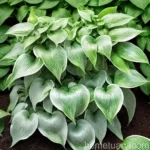
- The distinctive foliage of Hosta ‘Arc de Triomphe’ showcases a striking combination of variegation, featuring elegantly arched leaves with prominent veining and contrasting colors.
- Hostas, including ‘Arc de Triomphe,’ are known for their shade tolerance, making them prized choices for shaded gardens and woodland landscapes.
- The flowers of ‘Arc de Triomphe’ emerge in mid-summer, showcasing graceful spikes adorned with delicate, fragrant blooms that attract pollinators and contribute to the plant’s overall allure.
Links to External Resources
For further information on Hosta ‘Arc de Triomphe’ and related topics, please explore the following external resources:
- American Hosta Society
- Royal Horticultural Society: Hosta Care
- University of Minnesota Extension: Hosta Plant Information
- Missouri Botanical Garden: Hosta Plant Profile
This comprehensive guide aims to provide invaluable insights into the multifaceted world of Hosta ‘Arc de Triomphe,’ equipping plant enthusiasts and gardeners with the knowledge and expertise to cultivate and appreciate this exceptional perennial plant. Through an exploration of its cultural requirements, uses in landscaping, potential diseases and pests, and intriguing fun facts, we celebrate the allure and resilience of Hosta ‘Arc de Triomphe’ and its enduring impact in the realm of gardening and horticulture.
Plant Name: “hosta (Hosta ‘Arc de Triomphe’)”