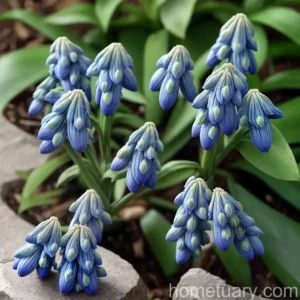
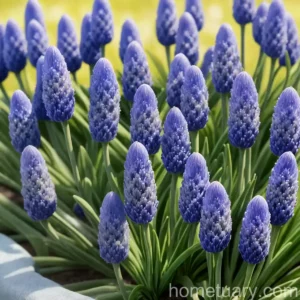
Hosta (Hosta ‘Plug Nickel’)
Introduction
Hostas are beloved for their stunning foliage and their ability to thrive in shady areas. One particularly popular variety is Hosta ‘Plug Nickel’, which is cherished by gardeners for its unique characteristics. This blog post will provide comprehensive information on the care, uses, and characteristics of Hosta ‘Plug Nickel’.
Key Takeaways – Hosta (Hosta ‘Plug Nickel’)
- Hosta ‘Plug Nickel’ is known for its shade tolerance and stunning foliage.
- It thrives in moist, well-draining soil and benefits from regular watering.
- This hosta variety is versatile and can be used in various landscape designs, including container gardening and as ground cover.
- To maintain its health and vigor, attention to disease and pest management is crucial.
Plant Overview
Description
Hosta ‘Plug Nickel’ is a clump-forming perennial known for its striking foliage. The leaves are heart-shaped with blue-green centers and contrasting creamy white edges. As one of the best Hosta varieties, ‘Plug Nickel’ has a mounded, compact habit and grows to approximately 12 inches in height and 24 inches in width. Its elegant appearance and shade tolerance make it a sought-after addition to gardens and landscapes.
Native Habitat
Hosta ‘Plug Nickel’ is native to East Asia and thrives in regions with temperate climates. It prefers environments with rich, moist soil and partial to full shade, reflecting its adaptation to forest floors.
Culture
Water
Proper watering is essential for the health and growth of Hosta ‘Plug Nickel’. It is crucial to maintain consistent soil moisture, especially during the hot summer months. Water the plant deeply once or twice a week, ensuring that the soil is moist but not waterlogged. Mulching around the base of the plant can help retain soil moisture and reduce water evaporation.
Sunlight
As a shade-loving plant, Hosta ‘Plug Nickel’ thrives in partial to full shade. It performs best in areas with dappled sunlight or indirect light. Exposure to excessive sunlight can cause the foliage to scorch, leading to diminished visual appeal and potential damage to the plant.
Fertilizer
To support healthy growth and vibrant foliage, fertilize Hosta ‘Plug Nickel’ in the early spring as new shoots emerge. Use a balanced, slow-release fertilizer or a formula specifically designed for shade-loving plants. Follow the application instructions on the fertilizer packaging and avoid over-fertilization, which can lead to leaf burn and reduced plant vigor.
Soil
Hosta ‘Plug Nickel’ prefers well-draining, organically rich soil with a slightly acidic to neutral pH. Amending the soil with compost or well-rotted manure can improve its texture and fertility. Additionally, incorporating organic matter enhances the soil’s ability to retain moisture, which is beneficial for the plant’s overall health.
Pruning
Pruning Hosta ‘Plug Nickel’ primarily involves the removal of spent flower scapes and damaged or decaying foliage. Regularly inspect the plant for signs of disease or pest damage and promptly remove affected leaves. Additionally, removing spent flower scapes can redirect the plant’s energy towards foliage growth, contributing to a lush and healthy appearance.
Propagation
Hosta ‘Plug Nickel’ can be propagated through division, which is typically performed in the early spring as new growth emerges. To divide the plant, carefully dig up the mature clump and use a sharp, sterile tool to separate it into smaller sections, ensuring that each division has healthy roots and several shoots. Replant the divisions in prepared soil, water thoroughly, and provide appropriate care to facilitate establishment.
Container Popularity
Given its compact size and attractive foliage, Hosta ‘Plug Nickel’ is well-suited for container gardening. Its ornamental value and shade tolerance make it a popular choice for adorning shaded patios, balconies, and outdoor living spaces. When planting in containers, select a spacious pot with drainage holes and use high-quality potting mix to ensure adequate aeration and moisture retention.
Common Diseases
Hosta ‘Plug Nickel’ is susceptible to certain diseases that can impact its growth and appearance. Common diseases affecting hostas include:
- Fungal Leaf Spot: Characterized by the presence of dark, circular spots on the foliage, fungal leaf spot can weaken the plant and diminish its ornamental appeal.
- Crown Rot: Excessive moisture and poor drainage can contribute to the development of crown rot, which manifests as wilting, yellowing, and decay of the plant’s crown and roots.
Disease Diagnosis
Early detection and prompt intervention are crucial in managing and preventing the spread of diseases in hostas. Inspect the plants regularly for symptoms of disease, such as discolored or distorted foliage, and take necessary measures to mitigate the spread. Proper sanitation practices, such as removing diseased plant material and improving air circulation, can aid in disease prevention and control.
Common Pests
Hostas, including Hosta ‘Plug Nickel’, are susceptible to pest infestations that can affect their overall health and vigor. Common pests that may target hostas include:
- Slugs and Snails: These pests are known to feed on hosta foliage, causing visible damage and compromising the plant’s aesthetic appeal.
- Deer: In areas with deer populations, hostas can be vulnerable to browsing damage, particularly in the spring and summer months.
Botanist’s Tips
- To enhance the visual appeal of Hosta ‘Plug Nickel’ in the garden, consider companion planting with shade-loving perennials and ornamental grasses. Astilbes, ferns, and heucheras are excellent choices that complement the foliage of Hosta ‘Plug Nickel’.
- Implementing natural pest deterrents, such as copper barriers and diatomaceous earth, can help minimize slug and snail damage to hostas, including Hosta ‘Plug Nickel’.
Fun Facts
- Hosta is commonly referred to as “plantain lily,” despite being unrelated to the true lilies.
- The genus name “Hosta” honors Austrian botanist Nicholas Thomas Host, who made significant contributions to the study of ferns and natural history in the 18th century.
Links to External Resources
For further exploration of hostas and gardening techniques, consider the following external resources:
In this blog post, we have delved into the captivating world of Hosta ‘Plug Nickel’, exploring its care requirements, characteristics, and uses in garden and landscape settings. By incorporating these insights into your gardening endeavors, you can cultivate vibrant and thriving displays of Hosta ‘Plug Nickel’ while fostering a deeper appreciation for this remarkable plant.