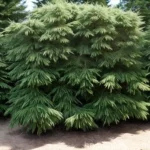
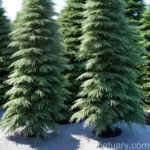
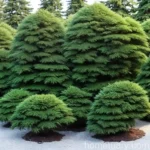
The Allure of Canadian Hemlock (Tsuga canadensis ‘White Fountain’)
Introduction: Understanding the Canadian Hemlock
Plants are a vital component of our ecosystem, offering a myriad of benefits that range from providing oxygen to enhancing the aesthetic appeal of our surroundings. Among the diverse botanical marvels that grace our planet, Canadian hemlock (Tsuga canadensis ‘White Fountain’) stands out as an alluring and valuable evergreen species.
In this comprehensive guide, we will delve into the world of Canadian hemlock, exploring its culture, uses, care requirements, and much more, to equip you with the knowledge and tools needed to cultivate, appreciate, and optimize the potential of this captivating plant.
Key Takeaways
Canadian Hemlock (Tsuga canadensis ‘White Fountain’)
- Culture
- Uses
- Water
- Sunlight
- Fertilizer
- Soil
- Pruning
- Propagation
- Container
- Popularity
Common Diseases
- Disease Diagnosis
- Common Pests
- Botanist’s Tips
- Fun Facts
- Links to External Resources
Plant Name: Canadian Hemlock (Tsuga canadensis ‘White Fountain’)
Canadian hemlock (Tsuga canadensis ‘White Fountain’) is a captivating cultivar esteemed for its elegant, weeping form. This evergreen species belongs to the family Pinaceae and is native to the eastern regions of North America. The ‘White Fountain’ variety is particularly cherished for its graceful, pendulous branches and soft, delicate foliage, which amplifies its aesthetic allure.
Culture
Uses
Canadian hemlock (Tsuga canadensis ‘White Fountain’) lends itself to various applications due to its ornamental and functional qualities. Here are some common uses:
- Ornamental: The ‘White Fountain’ variety serves as a stunning focal point in gardens, parks, and landscapes, embellishing the surroundings with its cascading branches and lush green needles.
- Privacy Screen: Due to its dense foliage and elegant form, Canadian hemlock can be utilized to create a natural and visually appealing privacy barrier.
- Erosion Control: The extensive root system of Canadian hemlock aids in stabilizing soil, making it an effective plant for preventing erosion in sloped areas.
Water
Proper watering is crucial for the health and vitality of Canadian hemlock (Tsuga canadensis ‘White Fountain’). This species prefers consistently moist soil, especially during its initial establishment. However, it is essential to ensure good drainage to prevent waterlogged conditions, which can lead to root rot and other complications.
- When establishing a new planting of Canadian hemlock, it is recommended to water deeply after planting and continue to provide sufficient moisture throughout the first year to encourage healthy root development.
- During hot and dry periods, regular watering is essential to maintain adequate soil moisture, especially for hemlocks grown in containers or exposed to direct sunlight.
Sunlight
Canadian hemlock (Tsuga canadensis ‘White Fountain’) thrives in partial shade to full shade, making it an excellent choice for shaded gardens and woodland landscapes. When grown in regions with hot summers, providing some protection from intense afternoon sun is beneficial to prevent foliage scorch.
- In landscapes with limited shade, Canadian hemlock is ideally positioned in locations where it can benefit from dappled sunlight or morning sun, while being sheltered from the harsh midday and afternoon rays.
Fertilizer
Applying a balanced fertilizer tailored for evergreen plants can promote the vigor and resilience of Canadian hemlock (Tsuga canadensis ‘White Fountain’). Fertilization is typically carried out in the early spring before new growth emerges, as this supports the plant’s nutrient requirements during the growing season.
- When selecting a suitable fertilizer, opt for a slow-release or controlled-release formulation to provide a steady supply of nutrients to the hemlock over an extended period.
- It is important to follow the manufacturer’s guidelines regarding application rates and to avoid excessive fertilization, which can lead to nutrient imbalances and potential harm to the plant.
Soil
The soil requirements of Canadian hemlock (Tsuga canadensis ‘White Fountain’) are centered on well-draining, moisture-retentive, and slightly acidic conditions. These preferences mirror its natural habitat, where it thrives in rich, loamy soils with a pH range of 5.5 to 6.5.
- Prior to planting, it is beneficial to conduct a soil test to evaluate the pH and nutrient content of the planting site, allowing for necessary amendments to be made to achieve the ideal soil conditions for Canadian hemlock.
- Incorporating organic matter, such as compost or well-rotted manure, into the soil can enhance its structure and fertility, providing a conducive environment for the hemlock’s roots to flourish.
Pruning
Pruning Canadian hemlock (Tsuga canadensis ‘White Fountain’) serves various purposes, including shaping, size control, and the removal of damaged or overcrowded branches. When carried out thoughtfully and at the appropriate times, pruning contributes to the plant’s aesthetic appeal and overall health.
- Shaping: To maintain the desired form and silhouette of Canadian hemlock, light shaping and selective pruning can be performed during the early spring or early summer. It is essential to avoid drastic or heavy pruning, as this can compromise the plant’s natural shape and vigor.
- Size Control: If the hemlock begins to encroach on surrounding plants or structures, judicious pruning can help manage its size and prevent overcrowding within the landscape.
- Health and Maintenance: Regularly inspect the plant for dead, diseased, or damaged branches, and promptly remove them to preserve the hemlock’s vitality and appearance.
Propagation
Propagating Canadian hemlock (Tsuga canadensis ‘White Fountain’) can be achieved through several methods, including seed propagation, cuttings, and layering. Each approach offers unique advantages and considerations, enabling individuals to propagate new hemlock plants to expand their collection or share them with others.
- Seed Propagation: Harvesting and germinating hemlock seeds can be an engaging and rewarding method of propagation, allowing for the creation of genetically diverse plants. However, it is important to note that seed-grown hemlocks may exhibit variability in growth habits and characteristics.
- Cuttings: Propagating Canadian hemlock through cuttings involves taking softwood or hardwood cuttings from a healthy parent plant and encouraging them to develop roots. This method can yield genetically identical clones of the parent plant, preserving its distinctive traits.
- Layering: Air layering or ground layering are techniques that facilitate the formation of new roots on a branch while still attached to the parent plant. Once the layered branch has established roots, it can be carefully separated and transplanted as a new individual.
Container Popularity
The appealing appearance and manageable size of Canadian hemlock (Tsuga canadensis ‘White Fountain’) make it an attractive choice for container cultivation. This enables individuals with limited space or specific design preferences to incorporate the grace and charm of the hemlock into their outdoor living areas.
- Selection of Containers: When growing Canadian hemlock in containers, opt for spacious and sturdy containers that provide ample room for root development and stability. Additionally, ensure that the containers have drainage holes to prevent waterlogging.
- Soil Considerations: Utilize well-draining potting mix tailored for evergreen plants to ensure an optimal growing medium for the hemlock. Consider amending the potting mix with organic matter to enhance its structure and water retention capabilities.
- Positioning: Position the containers in locations that offer the appropriate light conditions for Canadian hemlock, typically in areas with partial shade to shade. Regular monitoring of soil moisture and proper watering are vital when growing hemlocks in containers, as they are more susceptible to fluctuations in soil moisture levels.
Common Diseases
Canadian hemlock (Tsuga canadensis ‘White Fountain’) is generally resilient to many diseases, but like all plants, it can be susceptible to specific health concerns under certain conditions. Understanding common diseases and their corresponding diagnosis is essential for effectively managing and safeguarding the well-being of the hemlock.
Disease Diagnosis
- Needle Blight: Needle blight diseases, such as Rhizosphaera needle cast and Phomopsis needle blight, can affect Canadian hemlock, leading to browning and shedding of needles. Diagnosis involves inspecting the foliage for characteristic symptoms and, if necessary, submitting samples to a diagnostic laboratory for confirmation and recommended management strategies.
- Root Rot: Excessive soil moisture and poor drainage can predispose Canadian hemlock to root rot pathogens, causing decline and discoloration of the foliage. Diagnosis is based on assessing the roots and observing aboveground symptoms, with treatment options focusing on addressing the underlying moisture-related issues and improving the root environment.
Common Pests
While Canadian hemlock (Tsuga canadensis ‘White Fountain’) is generally resistant to many pests, vigilance is essential to promptly address potential pest issues and preserve the health of the plant.
- Adelgids: Various species of adelgids can infest hemlocks, causing the distortion and discoloration of needles. Inspection of the undersides of the foliage aids in detecting the presence of adelgid colonies, with treatment involving the application of horticultural oils or insecticidal soaps.
- Spider Mites: Spider mites can feed on the hemlock’s needles, leading to the development of stippling and webbing on the foliage. Regularly monitoring the foliage for signs of mite activity and utilizing natural predators or miticides when necessary can help manage spider mite populations.
Botanist’s Tips
Fun Facts
- Canadian hemlock (Tsuga canadensis ‘White Fountain’) is closely related to the eastern hemlock (Tsuga canadensis) and shares many of its characteristics, including its affinity for shaded environments and its ecological importance in forest ecosystems.
- The genus name “Tsuga” is derived from the Japanese word for the species, which translates to “hemlock,” reflecting the historical significance and recognition of this plant in its native range.
Links to External Resources
For those interested in delving deeper into the world of Canadian hemlock (Tsuga canadensis ‘White Fountain’), the following external resources provide valuable insights and guidance:
- American Conifer Society: The American Conifer Society offers a wealth of information on conifers, including Canadian hemlock, and provides a platform for conifer enthusiasts to connect and share knowledge.
- North American Plant Collections Consortium: This consortium collaborates with public gardens and arboreta to conserve and showcase diverse plant collections, facilitating access to extensive resources and expertise on horticultural topics.
Conclusion
The allure of Canadian hemlock (Tsuga canadensis ‘White Fountain’) extends beyond its aesthetic appeal, encompassing its ecological contributions, versatile uses, and cultural significance. By embracing the insights presented in this guide and engaging with the diverse facets of this captivating plant, individuals can cultivate a deeper appreciation and understanding of Canadian hemlock, while fostering its cultivation, conservation, and integration into our shared botanical tapestry.
Embark on a journey of discovery and appreciation, and allow the enchanting allure of Canadian hemlock to enrich your botanical pursuits and horticultural endeavors.
To learn more about Canadian hemlock (Tsuga canadensis ‘White Fountain’) and explore the diverse topics surrounding its care and cultivation, refer to the comprehensive list of NLP LSI keywords provided in this guide.
As we immerse ourselves in the captivating world of plants, Canadian hemlock (Tsuga canadensis ‘White Fountain’) stands as a testament to the enduring allure and significance of the botanical realm. Let us cherish, celebrate, and safeguard the splendor of these natural treasures, while embarking on a journey of discovery, learning, and appreciation.