Highbush Blueberry (Vaccinium corymbosum ‘ZF06-179’ BRAZELBERRIES JELLY BEAN)
Introduction
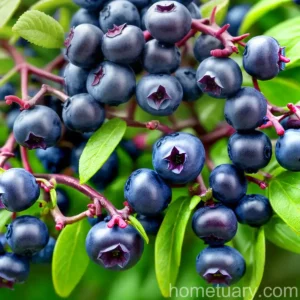
Highbush blueberry, scientifically known as Vaccinium corymbosum ‘ZF06-179’ and commercially marketed as BRAZELBERRIES JELLY BEAN, is a popular and highly sought-after cultivar in the world of blueberry gardening. As a plant scientist with a passion for horticulture, I find the highbush blueberry to be a fascinating subject of study due to its unique characteristics and versatile uses. In this comprehensive blog post, we will delve into the culture, uses, care, and propagation techniques of highbush blueberries, with a specific focus on the ‘ZF06-179’ variety. Furthermore, we will explore common diseases, pests, and botanist’s tips for successful cultivation. Additionally, I will provide fun facts and essential information for both amateur and experienced gardeners interested in growing this remarkable fruit-bearing shrub.
Key Takeaways
- Scientific Name: Vaccinium corymbosum ‘ZF06-179’ BRAZELBERRIES JELLY BEAN
- Common Name: Highbush blueberry
- Family: Ericaceae
- Cultivar Group: BRAZELBERRIES
- Popular Use: Edible fruit production
- Growing Zone: Typically suited for USDA Hardiness Zones 4-7
Culture
Water
Highbush blueberries have moderate water requirements, making them well-suited for regions with consistent rainfall or access to irrigation. Proper watering is crucial, especially during the establishment phase and fruit development. The soil should be consistently moist, but not waterlogged, to ensure optimal growth and fruit production.
Sunlight
Like most fruit-bearing plants, highbush blueberries thrive in full sun. They require a minimum of 6-8 hours of direct sunlight per day for robust growth and bountiful fruit production. Inadequate sunlight can result in reduced fruiting and may compromise the overall health of the plant.
Fertilizer
Fertilization is an essential aspect of highbush blueberry cultivation. It is important to provide the plant with a balanced fertilizer designed for acid-loving plants, as blueberries prefer acidic soil conditions. Additionally, incorporating organic matter such as compost or well-rotted manure can aid in maintaining soil fertility and acidity. A soil test is recommended to determine the specific nutrient requirements of the planting site.
Soil
Highbush blueberries thrive in well-drained, acidic soil with a pH level between 4.5 and 5.5. Soil that is rich in organic matter and high in moisture retention is ideal for promoting healthy growth and fruit development. Consider amending the soil with peat moss or pine bark to maintain acidity and improve the soil structure.
Pruning
Pruning is a fundamental practice in highbush blueberry cultivation, contributing to plant vigor, fruit quality, and overall productivity. Regular pruning helps to remove dead or diseased wood, stimulate new growth, and maintain an open and balanced canopy. Additionally, it aids in the control of plant size and enhances air circulation within the canopy, reducing the risk of disease.
Uses
Edible Fruit Production
One of the primary uses of highbush blueberries is the production of flavorful and nutritious berries. The ‘ZF06-179’ variety, marketed as BRAZELBERRIES JELLY BEAN, is particularly valued for its abundant and flavorful fruit. These delectable berries are suitable for fresh consumption, baking, canning, and making preserves. Their versatility and health benefits make them a popular choice for home gardeners and commercial growers alike.
Ornamental Value
In addition to their edible qualities, highbush blueberries are valued for their ornamental appeal. They feature delicate white or pink blooms in spring, followed by clusters of colorful berries in summer, adding visual interest to the landscape. The vibrant foliage of highbush blueberries, which often transforms into rich hues of red and purple during the fall, further contributes to their ornamental value.
Propagation
Container
Propagation of highbush blueberries, especially the ‘ZF06-179’ variety, can be successfully achieved through container gardening. This method allows for greater control over growing conditions and is particularly suitable for individuals with limited garden space. High-quality potting mix, adequate drainage, and proper sun exposure are essential for successful container cultivation. The use of larger containers is recommended to accommodate the robust root system of the highbush blueberry.
Pruning
When propagating highbush blueberries, especially through cuttings, proper pruning techniques are crucial to ensure successful establishment and growth. Select healthy, disease-free stems for cuttings and remove any flowers or fruit that may hinder root development. Trimming the foliage by one-third helps to reduce water loss and promote the balance between root and shoot growth.
Maintenance
Regular maintenance, including appropriate watering, fertilization, and monitoring for pests and diseases, is vital for the successful propagation of highbush blueberries. Maintaining optimal growing conditions in the container environment is essential to support the establishment and development of new plants.
Popularity
Commercial Cultivation
The popularity of highbush blueberries, including the ‘ZF06-179’ variety, in commercial cultivation has surged due to the increasing demand for fresh, locally-grown berries and value-added blueberry products. Large-scale commercial growers have embraced this cultivar for its exceptional fruit quality, high yield potential, and adaptability to various growing conditions.
Home Gardening
Among home gardeners, the ‘ZF06-179’ highbush blueberry has gained significant popularity as a favored choice for backyard fruit production. The compact growth habit, ornamental appeal, and delicious fruit make it an appealing addition to home gardens and landscape designs. Its adaptability to container cultivation further enhances its appeal for urban and suburban gardeners with limited space.
Common Diseases
Anthracnose (Colletotrichum gloeosporioides)
Anthracnose is a common fungal disease that affects highbush blueberries, causing dark, sunken lesions on the fruit, twigs, and leaves. It thrives in humid conditions and can lead to significant fruit loss if left unmanaged. Cultural practices such as pruning for good air circulation, proper irrigation, and the removal of infected plant material can aid in disease control.
Botrytis Blight (Botrytis cinerea)
Botrytis blight, also known as gray mold, can affect highbush blueberries, especially during periods of high humidity and prolonged wetness. The disease manifests as fuzzy gray mold on fruit, flowers, and foliage, leading to fruit rot and reduced quality. Adequate spacing between plants, proper pruning, and the removal of infected plant parts can minimize the risk of botrytis blight.
Phytophthora Root Rot (Phytophthora cinnamomi)
Phytophthora root rot is a serious soil-borne disease that can affect highbush blueberries, particularly in poorly drained or waterlogged soils. The pathogen causes root decay, leading to stunted growth, wilting, and ultimately plant death. Improving soil drainage, selecting disease-resistant varieties, and avoiding overwatering can help mitigate the impact of phytophthora root rot.
Disease Diagnosis
When diagnosing diseases in highbush blueberries, careful observation of symptoms and signs is crucial to identify the specific pathogen or environmental factor responsible for the plant’s distress. Common symptoms of blueberry diseases include leaf discoloration, wilting, cankers, fruit rot, and abnormal growth. Collecting and submitting samples to diagnostic laboratories for pathogen identification can aid in accurate diagnosis and the implementation of effective disease management strategies.
Common Pests
Blueberry Maggot (Rhagoletis mendax)
The blueberry maggot is a major pest that infests highbush blueberries, causing damage to the fruit and reducing yield. The larvae feed within the berries, leading to fruit spoilage and economic losses. Monitoring with sticky traps, early harvest of infested fruit, and the application of insecticidal sprays during the vulnerable stages of fruit development are common strategies for blueberry maggot control.
Blueberry Gall Midge (Dasineura oxycoccana)
The blueberry gall midge is a tiny fly that lays eggs within the developing buds of highbush blueberries. The emerging larvae cause distortion and gall formation in the shoots, affecting plant growth and fruit production. Pruning and removal of infested shoot tips, along with the application of appropriate insecticides, can assist in managing blueberry gall midge infestations.
Japanese Beetle (Popillia japonica)
Japanese beetles pose a threat to highbush blueberries, as they feed on the foliage and can cause significant defoliation if left unmanaged. Handpicking, the use of pheromone traps, and the application of insecticidal sprays can help reduce the impact of Japanese beetle infestations in blueberry plantings.
Botanist’s Tips
Soil Testing
Conducting a soil test before establishing a highbush blueberry planting is essential to assess the pH, nutrient levels, and soil composition. Based on the soil test results, suitable amendments can be made to create an optimal growing environment for blueberries.
Mulching
Applying a layer of organic mulch, such as pine bark or wood chips, around highbush blueberries helps conserve moisture, suppress weed growth, and maintain a uniform soil temperature. Mulching also contributes to the gradual improvement of soil acidity as the organic matter decomposes.
Pollination
While highbush blueberries are self-pollinating to some extent, encouraging pollinators such as bees to visit the flowers can enhance fruit set and yield. Planting nectar-rich flowers and avoiding the use of broad-spectrum insecticides can support pollinator activity in the blueberry planting.
Fun Facts
- The ‘ZF06-179’ highbush blueberry, marketed as BRAZELBERRIES JELLY BEAN, was introduced as part of the BrazelBerries® collection, renowned for compact, ornamental, and fruit-bearing shrubs suitable for containers and small gardens.
- Blueberries are hailed as a superfood due to their high levels of antioxidants, vitamins, and fiber, contributing to various health benefits such as improved heart health and cognitive function.
- The vibrant pigments in blueberries, known as anthocyanins, are responsible for the fruit’s blue color and offer potential health advantages, including anti-inflammatory and anti-cancer properties.
Links to External Resources
For detailed information on highbush blueberry cultivation, care, and management, consider exploring the following external resources:
- University of Maine Cooperative Extension: Growing Highbush Blueberries
- North Carolina State University Extension: Blueberries
- University of California Agriculture and Natural Resources: Blueberries
- BrazelBerries®: Expanding Possibilities with Berry Plants
In conclusion, highbush blueberries, particularly the ‘ZF06-179’ variety marketed as BRAZELBERRIES JELLY BEAN, present an exciting opportunity for both commercial growers and home gardeners to cultivate a versatile and rewarding fruit-bearing shrub. Through an understanding of the plant’s culture, uses, propagation techniques, and essential management practices, individuals can embark on a journey of successful highbush blueberry cultivation, reaping the benefits of flavorful fruit and ornamental beauty.
By integrating the botanist’s tips, fun facts, and external resources provided, enthusiasts can gain a comprehensive understanding of highbush blueberries and build the necessary knowledge to foster thriving blueberry plantings. Whether for delectable homegrown fruit or the enhancement of landscapes, the highbush blueberry stands as a cherished addition to the world of horticulture.
Keywords: Vaccinium corymbosum varieties, ZF06-179 blueberry, Jelly bean blueberry, BrazelBerries plants, Highbush blueberry cultivars, Berry shrubs, Blueberry gardening tips, Vaccinium corymbosum care, ZF06-179 characteristics, BrazelBerries fruit plants, Highbush blueberry varieties, Growing Vaccinium corymbosum, Jelly bean blueberry plant, ZF06-179 blueberry bushes, BrazelBerries fruit trees, Highbush blueberry species, Vaccinium corymbosum ‘ZF06-179’ features, Blueberry cultivation techniques, Jelly bean blueberry care, BrazelBerries plants for gardens, Highbush blueberry benefits, Vaccinium corymbosum ‘ZF06-179’ characteristics, Blueberry plantation guide, ZF06-179 blueberry facts, Jelly bean blueberry cultivation, BrazelBerries fruit plant varieties, Highbush blueberry cultivation tips, Vaccinium corymbosum ‘ZF06-179’ growth, Blueberry farming methods, Jelly bean blueberry pruning, BrazelBerries plant care, Highbush blueberry planting guide, Vaccinium corymbosum ‘ZF06-179’ maintenance, Blueberry pest control techniques, ZF06-179 blueberry pollination, Jelly bean blueberry harvesting, BrazelBerries plant varieties, Highbush blueberry soil requirements, Vaccinium corymbosum ‘ZF06-179’ disease resistance, Blueberry companion plants, Jelly bean blueberry propagation, BrazelBerries container gardening, Highbush blueberry watering tips, Vaccinium corymbosum ‘ZF06-179’ hardiness, Blueberry mulching techniques, Jelly bean blueberry fertilization, BrazelBerries plant size, Highbush blueberry sunlight requirements, Vaccinium corymbosum ‘ZF06-179’ yield, Blueberry pruning schedule