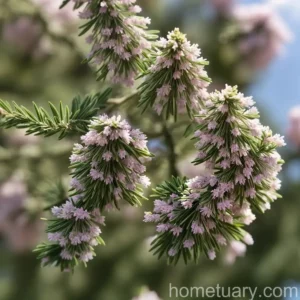
Highbush Blueberry (Vaccinium corymbosum ‘ZF06-079’ PINK ICING): A Plant Scientist’s Guide
Introduction
As a plant scientist with a passion for understanding and cultivating plant species, I find highbush blueberry (Vaccinium corymbosum ‘ZF06-079’ PINK ICING) to be a fascinating and versatile plant. In this comprehensive guide, I will delve into various aspects of highbush blueberries, from their culture, uses, and care tips to common diseases and pests that affect them. We will explore the characteristics of the ‘ZF06-079’ PINK ICING variety and provide valuable insights into its cultivation and maintenance.
What is Highbush Blueberry (Vaccinium corymbosum ‘ZF06-079’ PINK ICING)?
Overview
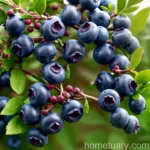
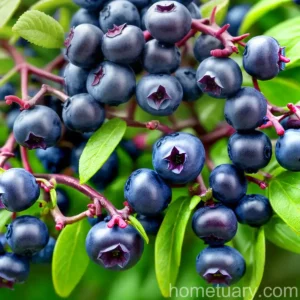
Highbush blueberry, scientifically known as Vaccinium corymbosum, is a perennial flowering plant belonging to the Ericaceae family. The ‘ZF06-079’ PINK ICING variety is a particularly sought-after cultivar known for its unique traits, making it a prized addition to gardens and landscapes. With its attractive foliage, delectable fruits, and ornamental value, this cultivar embodies the charm of highbush blueberries while offering distinct attributes that set it apart.
Key Takeaways
Before delving into the specifics, let’s outline the key takeaways regarding highbush blueberry (Vaccinium corymbosum ‘ZF06-079’ PINK ICING). This will provide a snapshot of the essential aspects we will explore in detail:
- Highbush Blueberry Varieties
- Vaccinium corymbosum ‘ZF06-079’ Pink Icing Characteristics
- Growing Highbush Blueberries
- Highbush Blueberry Cultivation and Care Tips
- Disease Resistance and Pruning Techniques
- Common Pests and Diseases Affecting Highbush Blueberries
- Optimal Growing Conditions and Soil Requirements
- Container Gardening and Propagation Methods
- Culinary Uses and Harvest Yield
- Benefits of Growing Vaccinium corymbosum ‘ZF06-079’ in Landscapes
With these key points in mind, let’s embark on a comprehensive exploration of highbush blueberries, focusing on the ‘ZF06-079’ PINK ICING variety.
Culture of Highbush Blueberry (Vaccinium corymbosum ‘ZF06-079’ PINK ICING)
Uses
Highbush blueberries, including the ‘ZF06-079’ PINK ICING variety, are valued for their multifaceted uses, which encompass both culinary and ornamental purposes:
- Culinary Uses: The fruits of the highbush blueberry are prized for their sweet and tangy flavor. They are commonly used in a variety of culinary creations, including jams, pies, muffins, and smoothies. The ‘ZF06-079’ PINK ICING variety, with its unique fruit characteristics, adds a distinct touch to culinary endeavors.
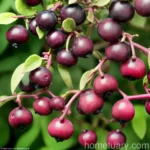
- Ornamental Value: In addition to their delectable berries, highbush blueberries are appreciated for their ornamental attributes. The ‘ZF06-079’ PINK ICING cultivar, in particular, is esteemed for its striking pink new growth, making it an appealing choice for landscaping and garden design.
Water
Appropriate watering is crucial for the healthy growth and fruiting of highbush blueberries. Whether in the ground or in containers, they require consistent moisture, especially during the fruit development stage. However, it is essential to avoid waterlogged conditions, as excessive moisture can lead to root rot and other problems. As a general guideline, a deep watering once or twice a week, depending on the weather and soil conditions, is recommended for established highbush blueberry plants.
When establishing new plants or during periods of prolonged dryness, it is vital to monitor the soil moisture and provide supplemental watering as needed. Mulching around the plants helps retain soil moisture and reduces water evaporation, contributing to more efficient water use.
Sunlight
Highbush blueberries thrive in full sun to partial shade, with a preference for at least 6-8 hours of direct sunlight per day. Adequate sun exposure is essential for promoting fruit development and achieving optimal yields. When grown in shadier conditions, highbush blueberries may experience reduced fruiting and overall vigor. Therefore, selecting a sunny location for planting the ‘ZF06-079’ PINK ICING cultivar will contribute to its productivity and fruit quality.
Fertilizer
Fertilization plays a key role in providing highbush blueberries, including the ‘ZF06-079’ PINK ICING variety, with essential nutrients for vigorous growth and fruit production. Understanding the specific fertilizer needs of blueberries is crucial for achieving successful cultivation. These are some key considerations when it comes to fertilizing highbush blueberries:
- Acidic Soil Requirements: Highbush blueberries thrive in acidic soil with a pH range of 4.5 to 5.5. It is essential to ensure the soil pH is within this optimal range, as nutrient availability is closely linked to soil acidity. Regular soil testing is recommended to monitor and adjust the pH as needed, using amendments such as elemental sulfur or acidic fertilizers.
- Nitrogen Application: Blueberries have relatively low nitrogen requirements compared to some other fruit-bearing plants. Excessive nitrogen can lead to vegetative growth at the expense of fruit production. A balanced fertilizer formulated for acid-loving plants, applied in early spring as new growth emerges, can provide the necessary nutrients without promoting excessive vegetative growth.
- Organic Matter: Incorporating organic matter, such as well-rotted compost or aged pine bark, into the soil can enhance its fertility and structure. This organic amendment contributes to long-term soil health and provides a gradual release of nutrients to the highbush blueberry plants.
Developing a fertilization schedule tailored to the specific needs of the ‘ZF06-079’ PINK ICING variety, in accordance with its growth and fruiting patterns, is fundamental for sustaining healthy and productive plants.
Soil
Optimal soil conditions are pivotal for the successful cultivation of highbush blueberries, including the ‘ZF06-079’ PINK ICING variety. The following factors are essential in providing the suitable soil environment for these plants:
- Acidity: As mentioned earlier, highbush blueberries thrive in acidic soil with a pH range of 4.5 to 5.5. Ensuring the soil pH is within this acid range is critical, as it directly influences nutrient availability and uptake. Amending the soil with elemental sulfur or acidic fertilizers can be employed to lower the pH and create an acidic environment conducive to blueberry growth.
- Drainage: Well-drained soil is imperative for highbush blueberries, as they are susceptible to root rot and other moisture-related issues in waterlogged conditions. Amending heavy clay soils with organic matter and incorporating raised beds can enhance drainage and provide an optimal growing environment for the ‘ZF06-079’ PINK ICING variety.
- Texture: Blueberries favor sandy loam or loamy soils with good structure and aeration. These soil types allow for proper root development and facilitate the uptake of essential nutrients. Ensuring the soil has adequate organic matter content contributes to its texture and overall quality, promoting healthy growth of highbush blueberry plants.
Providing the ‘ZF06-079’ PINK ICING variety with well-prepared acidic soil with excellent drainage and texture lays the groundwork for its flourishing and productivity.
Pruning of Highbush Blueberry (Vaccinium corymbosum ‘ZF06-079’ PINK ICING)
Pruning highbush blueberries is an important aspect of their maintenance, as it contributes to their overall health, productivity, and fruit quality. Understanding the principles and techniques of pruning is vital for ensuring that the ‘ZF06-079’ PINK ICING variety thrives and produces an abundant harvest. Here are some key considerations for pruning highbush blueberries:
- Structural Pruning: Establishing a well-structured and open canopy is beneficial for highbush blueberries, promoting air circulation, light penetration, and overall plant vigor. Structural pruning, conducted during the early years of the plant’s growth, aims to develop a balanced framework of primary branches and remove any overcrowded or weak growth.
- Fruit-Bearing Wood: Pruning older wood and encouraging the growth of younger, fruit-bearing wood contributes to sustained productivity and healthy fruit production. This involves removing a portion of the older wood to stimulate the development of new wood, which bears the following season’s fruit.
- Timing: Pruning highbush blueberries is typically done during the dormant season, in late winter to early spring before new growth emerges. This period allows for clear visibility of the plant’s structure and encourages vigorous regrowth following the pruning process.
- Sanitation: Practicing good sanitation by removing any dead, diseased, or damaged wood and promptly disposing of it helps prevent the spread of diseases and promotes overall plant health.
Implementing a thoughtful pruning regimen tailored to the growth habits and requirements of the ‘ZF06-079’ PINK ICING variety contributes to the maintenance of healthy, productive plants.
Propagation of Highbush Blueberry (Vaccinium corymbosum ‘ZF06-079’ PINK ICING)
The propagation of highbush blueberries, including the ‘ZF06-079’ PINK ICING variety, offers an opportunity to expand their presence in gardens and agricultural settings. Several methods can be employed to propagate highbush blueberry plants, each with its own advantages and considerations. Here are some common propagation methods used for the ‘ZF06-079’ PINK ICING cultivar:
- Softwood Cuttings: Taking softwood cuttings in late spring or early summer provides a means to propagate highbush blueberries. Selecting healthy, vigorous shoots and treating them with rooting hormone before planting in a suitable medium promotes successful root formation, leading to new plants.
- Hardwood Cuttings: Harvesting hardwood cuttings in late winter when the plants are dormant allows for the propagation of highbush blueberries. Properly preparing and planting these cuttings enables the development of new root systems and the subsequent growth of new plants from the established cuttings.
- Division: Division involves separating the root mass of an established plant into sections, each with viable roots and shoots. This method allows for the multiplication of highbush blueberry plants, generating new individuals from the divided segments of the parent plant.
Understanding and implementing appropriate propagation techniques for the ‘ZF06-079’ PINK ICING variety facilitates the expansion of its presence and contributes to its continued cultivation.
Container Gardening with Highbush Blueberry (Vaccinium corymbosum ‘ZF06-079’ PINK ICING)
The versatility of highbush blueberries makes them well-suited for container gardening, allowing for their cultivation in diverse settings, including patios, balconies, and small gardens. The ‘ZF06-079’ PINK ICING variety, in particular, brings its ornamental and fruiting attributes to containerized environments, offering a delightful addition to such spaces. When growing highbush blueberries in containers, several factors merit consideration to promote their successful growth and productivity. Let’s explore the key elements of container gardening with the ‘ZF06-079’ PINK ICING cultivar:
- Container Selection: Choosing appropriate containers that provide ample volume for root development, drainage holes for excess moisture removal, and sufficient stability is fundamental for the well-being of highbush blueberries. Selecting containers made of durable materials and sizing them to accommodate the mature size of the plants contributes to their long-term success in containers.
- Growing Medium: Utilizing a well-draining, acidic potting mix tailored to the requirements of acid-loving plants is essential for growing highbush blueberries in containers. This ensures that the plants receive the necessary nutrients and moisture while maintaining an optimal soil pH conducive to their growth and fruit production.
- Watering and Fertilization: Containerized highbush blueberry plants require regular watering to maintain adequate moisture levels without leading to waterlogged conditions. A consistent fertilization regimen, utilizing appropriate acidic fertilizers, supports their nutritional needs and promotes healthy growth and fruit development.
- Sunlight: Providing ample sunlight for containerized highbush blueberries is crucial for their productivity and fruit quality. Positioning the containers in locations that receive sufficient sunlight, typically 6-8 hours per day, is essential for the plants to flourish and produce an abundant harvest.
Engaging in container gardening with the ‘ZF06-079’ PINK ICING variety offers an opportunity to cultivate highbush blueberries in diverse settings, enhancing both their ornamental and fruiting value.
Popularity of Highbush Blueberry (Vaccinium corymbosum ‘ZF06-079’ PINK ICING)
The ‘ZF06-079’ PINK ICING highbush blueberry cultivar has garnered substantial attention and popularity among gardening enthusiasts, horticulturists, and landscape designers. Its distinctive traits and versatile nature contribute to its widespread appeal, making it a sought-after addition to gardens and landscapes. The popularity of the ‘ZF06-079’ PINK ICING variety stems from its unique characteristics, including:
- Ornamental Value: The ‘ZF06-079’ PINK ICING cultivar is renowned for its ornamental attributes, particularly the striking pink new growth that adds a decorative touch to garden landscapes. Its aesthetic appeal and year-round visual interest make it an attractive choice for ornamental planting.
- Delectable Fruits: The flavorful and abundant fruits produced by the ‘ZF06-079’ PINK ICING variety contribute to its popularity as a fruitful addition to home gardens and edible landscapes. The delectable berries, celebrated for their sweet and tangy flavor, entice both gardeners and culinary enthusiasts.
- Adaptability: The adaptability of the ‘ZF06-079’ PINK ICING cultivar to diverse growing conditions, including containers and garden beds, expands its appeal to a broad audience of gardeners seeking versatile and adaptable plants.
The popularity of the ‘ZF06-079’ PINK ICING variety underscores its significance as a valued highbush blueberry cultivar, captivating the interest of individuals seeking both ornamental beauty and bountiful harvests.
Common Diseases of Highbush Blueberry (Vaccinium corymbosum ‘ZF06-079’ PINK ICING)
Despite their resilience, highbush blueberries, including the ‘ZF06-079’ PINK ICING variety, are susceptible to certain diseases that can affect their growth and fruiting. Being aware of the common diseases that may impact these plants enables proactive management and maintenance to mitigate their impact. Here are some prevalent diseases that highbush blueberries may encounter:
-
Mummy Berry (Monilinia vaccinii-corymbosi): This fungal disease affects highbush blueberries, causing the development of mummified berries and leading to decreased yield and economic losses. Implementing preventative measures, such as sanitation, fungicidal sprays, and cultural practices, is crucial for managing mummy berry and reducing its impact on highbush blueberries.
-
Anthracnose (Colletotrichum spp.): Anthracnose can affect various parts of highbush blueberry plants, including the fruit, leaves, and twigs, leading to potential defoliation and reduced fruit quality. Employing appropriate cultural practices, such as pruning to promote air circulation, and utilizing fungicidal treatments when necessary can aid in managing anthracnose and minimizing its effects.
-
Botrytis Blight (Botrytis cinerea): Botrytis blight, caused by the fungal pathogen Botrytis cinerea, can impact highbush blueberries during periods of prolonged moisture and humidity. Mitigating its impact involves maintaining proper air circulation, managing moisture levels, and employing targeted fungicidal treatments to prevent and control the spread of the disease.
Understanding the symptoms, contributing factors, and management strategies for these and other diseases equips growers with the knowledge needed to safeguard highbush blueberries, including the ‘ZF06-079’ PINK ICING variety, from disease-related challenges.
Disease Diagnosis and Prevention
Early diagnosis and proactive prevention are key components of effective disease management for highbush blueberries, helping to minimize the impact of diseases and preserve plant health. Recognizing common disease symptoms and implementing preventative measures are essential for promoting the well-being of highbush blueberries, including the ‘ZF06-079’ PINK ICING variety. Here are the steps to diagnose and prevent diseases effectively:
-
Observation: Regularly inspecting highbush blueberry plants for any signs of abnormal growth, discoloration, lesions, or unusual patterns is the first step in disease diagnosis. Close observation enables the early detection of potential issues, allowing for timely intervention.
-
Symptom Identification: Identifying the specific symptoms exhibited by the plants, such as leaf spotting, fruit abnormalities, or stem discoloration, aids in narrowing down the potential diseases affecting the highbush blueberries.
-
Disease Confirmation: Consultation with agricultural extension services, horticultural experts, or diagnostic laboratories can assist in confirming the presence of diseases based on the observed symptoms and plant samples. This step is crucial for accurately identifying the causative agents and formulating targeted management strategies.
-
Cultural Practices: Implementing cultural practices that promote plant health, including proper irrigation, sanitation, and appropriate pruning, contributes to disease prevention by creating unfavorable conditions for pathogens and supporting the plant’s natural defenses.
-
Fungicidal Treatments: Using targeted fungicidal treatments, when necessary and in accordance with integrated pest and disease management practices, can help control and prevent the spread of diseases affecting highbush blueberries.
By engaging in vigilant observation, proactive disease management, and collaboration with local experts, growers can effectively diagnose and prevent diseases, safeguarding the health and productivity of highbush blueberries, including the ‘ZF06-079’ PINK ICING variety.
Common Pests Affecting Highbush Blueberry (Vaccinium corymbosum ‘ZF06-079’ PINK ICING)
Highbush blueberries are vulnerable to various pests that can impact their growth, yield, and overall health. Understanding the common pests that may affect highbush blueberries, including the ‘ZF06-079’ PINK ICING variety, is essential for implementing targeted pest management strategies and preserving plant vitality. Here are some prevalent pests that can pose challenges to highbush blueberries:
-
Blueberry Maggot (Rhagoletis mendax): The larval stage of the blueberry maggot, a type of fly, feeds on the flesh of blueberries, causing damage to the fruits and potentially reducing their marketability and edibility. Management approaches, such as monitoring, using pheromone traps, and applying targeted insecticidal treatments, aid in controlling the blueberry maggot and minimizing its impact.
-
Japanese Beetle (Popillia japonica): Japanese beetles can feed on the foliage and fruits of highbush blueberries, leading to visible damage and potential defoliation. Employing physical and chemical control methods, such as handpicking, insecticidal sprays, and beetle traps, can help manage Japanese beetle populations and mitigate their impact on the plants.
-
Spotted Wing Drosophila (Drosophila suzukii): This invasive fruit fly species poses a threat to highbush blueberries by laying eggs in ripe fruits