Understanding the Cranberry Plant (Vaccinium macrocarpon ‘Thunderlake’)
The cranberry plant, scientifically known as Vaccinium macrocarpon ‘Thunderlake’, is an intriguing and beneficial addition to any garden. It boasts a rich history, unique characteristics, and numerous uses – ranging from culinary to medicinal. In this comprehensive guide, we will delve into the cultivation, care, uses, and interesting facts about this remarkable plant.
What is the Cranberry Plant?
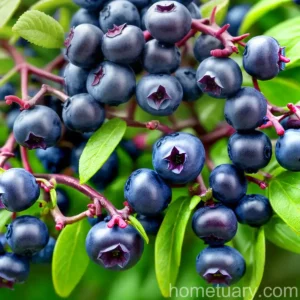
The cranberry (Vaccinium macrocarpon) is a perennial, evergreen shrub that belongs to the Ericaceae family. This plant is renowned for its distinctive trailing vines and small, oval-shaped, leathery leaves.
Key Takeaways – cranberry (Vaccinium macrocarpon ‘Thunderlake’)
Before we embark on this insightful journey into the world of cranberries, let’s highlight the key takeaways:
- Cranberry Plant: A perennial, evergreen shrub with trailing vines and small leathery leaves.
- Thunderlake Cranberry: A specific cultivar known for its unique characteristics and benefits.
- Cultivation: Understanding the ideal conditions for growing cranberries.
- Uses: Exploring the culinary, medicinal, and aesthetic uses of cranberries.
- Water: The water requirements for the cranberry plant.
- Sunlight: Understanding the light preferences of the cranberry plant.
- Fertilizer: Nourishing the cranberry plant for optimal growth.
- Soil: The preferred soil type for growing cranberries.
- Pruning: Techniques for maintaining the health and productivity of cranberry plants.
- Propagation: Methods for reproducing cranberry plants.
- Container Cultivation: Growing cranberries in containers.
- Popularity: The widespread appeal and demand for cranberries.
- Common Diseases: Identifying and managing diseases that affect cranberry plants.
- Common Pests: Understanding the pests that pose a threat to cranberries.
- Botanist’s Tips: Expert advice for successfully cultivating cranberry plants.
- Fun Facts: Engaging trivia about cranberries that enriches our appreciation for this plant.
Now, let’s delve deeper into each of these aspects to gain a comprehensive understanding of the cranberry plant.
Culture
Understanding the cultural requirements of the Vaccinium macrocarpon ‘Thunderlake’ is crucial for its successful cultivation.
Water
The cranberry plant is unique in its water requirements due to its preference for consistently moist, but not waterlogged, conditions. In its natural habitat, cranberries thrive in wetlands, and thus, replicating such conditions is essential for their successful cultivation.
- Irrigation: Regular, shallow irrigation is crucial for maintaining the required soil moisture levels.
- Flood Management: A specialized flooding technique, known as wet harvesting, is often employed for cranberries. This involves temporarily flooding the cranberry fields to aid in harvesting.
- Drainage: While ensuring adequate moisture, it’s equally important to prevent water stagnation, which can lead to root rot and other diseases.
Sunlight
Cranberries have specific requirements when it comes to sunlight. While they thrive in full sun, they can tolerate partial shade to some extent. However, optimal sunlight exposure is crucial for robust growth and fruit production.
- Site Selection: It’s important to choose a location that receives ample sunlight, especially in cooler climates where sunlight is limited.
- Shade Management: If partial shade is unavoidable, selecting varieties that are more tolerant of shade is advisable.
Fertilizer
Proper fertilization is integral to the healthy growth and productivity of cranberry plants. Understanding the specific nutrient needs of these plants is essential for providing the right balance of fertilizers.
- Soil Testing: Conducting a soil test to assess the existing nutrient levels and pH is recommended before applying fertilizers.
- Acidic Soil: Cranberries thrive in acidic soils, preferably with a pH of 4.0-5.5. Amending the soil to achieve the ideal pH is crucial.
- Fertilizer Application: Employing a balanced, acid-forming fertilizer that provides essential nutrients while maintaining the acidic soil conditions is essential.
Soil
The soil composition greatly influences the growth and productivity of cranberry plants. Acidic, well-drained soils with high organic matter content are ideal for cultivating these plants.
- Peat Soils: Cranberries have a natural affinity for peat soils due to their acidic and moisture-retentive properties.
- Organic Matter: Incorporating organic matter, such as compost or well-rotted manure, into the soil promotes a favorable growing environment for cranberries.
- Soil Structure: Ensuring proper soil structure to accommodate the shallow root system of cranberries is crucial for their overall health and productivity.
Pruning
Effective pruning is essential for maintaining the vigor and productivity of cranberry plants. It aids in managing the growth, promoting fruiting, and improving air circulation within the canopy.
- Timing: Pruning is typically carried out in late winter or early spring before new growth emerges.
- Canopy Management: Trimming back excessive growth, particularly in dense areas, helps in improving light penetration and airflow within the plant canopy.
- Runners: Regularly trimming and managing the runners aids in controlling the spread of the plant and promoting compact, productive growth.
Propagation
Understanding the propagation methods allows for the expansion of cranberry plantings and the preservation of desirable traits.
- Division: Propagation through division involves separating the plant into smaller sections that can be replanted to establish new cranberry patches.
- Cuttings: Using stem cuttings to propagate cranberries is a common practice, especially for preserving specific cultivars and characteristics.
- Layering: Air layering or ground layering techniques can be employed to encourage the development of roots on stems, which can then be separated to form new plants.
Container Cultivation
Cranberries can also be successfully grown in containers, allowing for greater flexibility in their cultivation.
- Container Selection: Choosing shallow, wide containers that mimic the natural growing conditions of cranberries is essential.
- Soil Mix: Employing a well-aerated, acidic soil mix that mimics the properties of their natural habitat is crucial for container cultivation.
- Watering: Containers require careful monitoring to maintain consistent moisture levels without waterlogging the plants.
Now that we have gained insights into the cultural aspects and cultivation practices of the cranberry plant, it’s time to delve into its uses and the associated benefits.
Uses
Cranberries have been valued for their versatile uses over centuries, including culinary, medicinal, and ornamental purposes. Let’s explore the diverse applications of cranberries that make them such a valuable addition to any garden.
- Culinary Uses: Cranberries are celebrated for their tart, vibrant flavor, and are commonly used in various culinary creations, including sauces, jams, baked goods, and beverages.
- Medicinal Benefits: These vibrant berries are revered for their exceptional nutritional content and potential health benefits, including their role in urinary tract health and as a rich source of antioxidants.
- Ornamental Value: Beyond their practical uses, cranberry plants are appreciated for their ornamental value, especially during the fruiting season when their vibrant red berries adorn the landscape.
Common Diseases
Understanding and effectively managing diseases that affect cranberries is crucial for maintaining their health and productivity.
Disease Diagnosis
Cranberries are susceptible to various diseases, including fungal, bacterial, and viral infections. Identifying the symptoms and employing appropriate measures is crucial for disease management.
- Fungal Diseases: Common fungal diseases affecting cranberries include fruit rot, leaf spot, and vine cankers. Proper sanitation and fungicidal treatments are often employed for management.
- Bacterial Infections: Bacterial diseases, such as fruit rot and tip dieback, require careful management through cultural practices and, in some cases, antibiotic treatments.
- Viral Diseases: While viral diseases are less common in cranberries, they can pose a threat to the plants’ health. Implementing disease-resistant varieties can offer protection against certain viral infections.
Common Pests
Pests can pose a significant threat to cranberry plants, affecting their growth and fruit production. Being aware of the common pests and employing suitable control measures is essential for protecting cranberry crops.
- Insect Pests: Common insect pests that affect cranberries include cranberry fruitworm, spanworms, and weevils. Monitoring populations and employing natural predators or targeted insecticides aids in pest management.
- Mites: Spider mite infestations can pose a threat to cranberries, leading to damage and reduced plant vigor. Regular monitoring and employing horticultural oils or predatory mites can aid in managing mite populations.
Botanist’s Tips
Seasoned botanists and horticulturists offer valuable insights and tips for successfully cultivating cranberry plants. Their expertise and experience provide invaluable guidance for ensuring the health and productivity of these remarkable plants.
- Soil Preparation: Prior to planting, thoroughly amend the soil to achieve the ideal pH and structure for growing cranberries.
- Water Management: Implement reliable irrigation methods to maintain consistent soil moisture levels, especially during critical growth stages.
- Selective Pruning: Regularly inspect and prune cranberry plants to maintain an open, productive canopy and manage excessive growth.
- Integrated Pest Management: Employ a holistic approach to pest management, incorporating biological controls and cultural practices alongside targeted interventions.
- Site Selection: When establishing new cranberry patches, carefully assess the site for sunlight exposure, soil conditions, and water management capabilities.
Fun Facts
Uncovering intriguing facts and trivia about cranberries enriches our understanding and appreciation for these remarkable plants.
- Native American Use: Cranberries have been utilized by Native American tribes for centuries, not only as a food source but also for medicinal and ceremonial purposes.
- Harvesting Technique: The unique method of wet harvesting employs flooding the cranberry fields, allowing for easier fruit collection.
- Global Significance: Cranberries are cultivated in various regions around the world, and their vibrant red color and nutritional benefits contribute to their widespread popularity.
- Thanksgiving Tradition: Cranberry sauce is an iconic part of Thanksgiving meals in many households, adding a touch of tartness and vibrancy to the festive spread.
As we conclude this extensive guide to Vaccinium macrocarpon ‘Thunderlake’, it becomes apparent that cranberries hold a special place in both horticulture and human culture. Their unique characteristics, versatile uses, and historical significance make them an intriguing subject of study and a valuable addition to any garden.
Links to External Resources
For further exploration and detailed information about cranberry plants, use the following links:
- University of Wisconsin-Madison Division of Extension – Cranberries
- Cranberry Institute
- United States Department of Agriculture – National Institute of Food and Agriculture – Cranberries
- University of Massachusetts Amherst – Cranberry Station
- The Cranberry Network
This comprehensive guide aims to provide a thorough understanding of the culture, uses, cultivation, and fascinating aspects of cranberries. Whether you are an avid gardener, a horticulture enthusiast, or simply intrigued by the allure of cranberries, this resource serves as a valuable reference for delving into the world of Vaccinium macrocarpon ‘Thunderlake’ and its remarkable attributes.