Hibiscus syriacus Pink Chiffon® (Rose of Sharon): A Complete Guide
What is plant: Hibiscus syriacus Pink Chiffon® (Rose of Sharon)
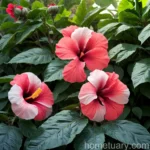
Hibiscus syriacus Pink Chiffon®, commonly known as Rose of Sharon, is a deciduous flowering shrub belonging to the family Malvaceae. This plant is cherished for its exquisite, showy flowers and its ability to thrive in diverse climatic conditions and soil types. The Pink Chiffon® variety is particularly distinguished by its delicate, full-petaled, soft pink flowers that bloom abundantly, adding a touch of elegance to any garden or landscape. This comprehensive guide will explore the various aspects of cultivating and caring for Hibiscus syriacus Pink Chiffon®, allowing both novice and seasoned gardeners to harness the full potential of this stunning plant.
Key Takeaways – Hibiscus syriacus Pink Chiffon®
Culture
- The Pink Chiffon® variety of Hibiscus syriacus is known for its hardiness and adaptability to different climates and soil conditions. It is a relatively low-maintenance plant, making it an attractive choice for both amateur and experienced gardeners.
- This plant produces large, showy blossoms that boast a unique semi-double form, providing a striking visual display and serving as a focal point in the garden.
- With proper care, Hibiscus syriacus Pink Chiffon® can reward gardeners with an extended blooming period, typically from midsummer to fall, adding vibrant color and beauty to outdoor spaces.
Uses
- Hibiscus syriacus Pink Chiffon® is an excellent choice for creating hedges, screens, or as a standalone ornamental feature in gardens and landscapes. Its elegant, soft pink flowers and lush green foliage enhance the aesthetic appeal of any outdoor setting.
Water
- Adequate watering is crucial for the optimal growth and flowering of Hibiscus syriacus Pink Chiffon®. While it is essential to keep the soil consistently moist, proper drainage is equally important to prevent waterlogged conditions that can lead to root rot.
Sunlight
- This plant thrives in full sun to partial shade. While it can tolerate a wide range of light conditions, providing it with at least six hours of sunlight daily is ideal for promoting vigorous growth and abundant flowering.
Fertilizer
- A balanced, slow-release fertilizer formulated for flowering shrubs can be applied in early spring to support the growth and blooming of Hibiscus syriacus Pink Chiffon®. It is important to follow the manufacturer’s instructions for the correct dosage and application methods.
Soil
- Hibiscus syriacus Pink Chiffon® demonstrates versatility in terms of soil preferences, but it generally prefers well-draining, moderately fertile soil. Amending the soil with organic matter can enhance its structure and nutrient content, providing an optimal growing medium for the plant.
Pruning
- Pruning is essential for maintaining the desired shape, size, and overall health of Hibiscus syriacus Pink Chiffon®. Regular pruning, preferably in late winter or early spring, can encourage vigorous growth and abundant flowering in the upcoming season.
Propagation
- Propagation of Hibiscus syriacus Pink Chiffon® can be achieved through various methods such as stem cuttings, layering, or seeds. Each approach offers unique benefits and challenges, allowing gardeners to choose the most suitable method based on their preferences and expertise.
Container Popularity
- The compact growth habit and ornamental value of Hibiscus syriacus Pink Chiffon® make it well-suited for container gardening. Its ability to thrive in containers provides gardeners with the flexibility to showcase the plant on patios, balconies, or other outdoor spaces.
Container Common Diseases
- While being grown in containers can offer numerous advantages, such as better control over soil conditions and placement, Hibiscus syriacus Pink Chiffon® may still be susceptible to certain diseases commonly associated with container plants. Monitoring for signs of diseases and implementing preventive measures are crucial to ensuring the plant’s health and longevity.
Plant Name: Hibiscus syriacus Pink Chiffon® (Rose of Sharon)
NLP LSI Keywords:
- Hibiscus Pink Chiffon
- Rose of Sharon plant
- Hibiscus syriacus varieties
- Pink Chiffon hibiscus care
- Growing Rose of Sharon
- Hibiscus syriacus pruning
- Pink Chiffon Rose of Sharon flower
- Hibiscus Pink Chiffon shrub
- Rose of Sharon blooming season
- Hibiscus Pink Chiffon propagation
- Hibiscus syriacus Pink Chiffon diseases
- Rose of Sharon Pink Chiffon landscape
- Hibiscus syriacus Pink Chiffon fertilization
- Hibiscus Pink Chiffon pests
- Rose of Sharon hybrid varieties
- Hibiscus syriacus Pink Chiffon soil requirements
- Pink Chiffon hibiscus pruning techniques
- Rose of Sharon Pink Chiffon container gardening
- Hibiscus syriacus Pink Chiffon watering needs
- Hibiscus Pink Chiffon sun exposure
- Rose of Sharon Pink Chiffon natural habitat
- Hibiscus syriacus Pink Chiffon companion plants
- Pink Chiffon hibiscus winter care
- Rose of Sharon Pink Chiffon drought tolerance
- Hibiscus syriacus Pink Chiffon transplanting tips
- Hibiscus Pink Chiffon garden design
- Rose of Sharon Pink Chiffon pests and diseases
- Hibiscus syriacus Pink Chiffon flower arrangement
- Pink Chiffon hibiscus cutting propagation
- Hibiscus Pink Chiffon container size
- Rose of Sharon Pink Chiffon summer bloomer
- Hibiscus syriacus Pink Chiffon pollination
- Hibiscus Pink Chiffon shrub pruning schedule
- Rose of Sharon Pink Chiffon growth rate
- Hibiscus syriacus Pink Chiffon autumn care
- Pink Chiffon hibiscus mulching tips
- Hibiscus Pink Chiffon spring fertilization
- Rose of Sharon Pink Chiffon landscape uses
- Hibiscus syriacus Pink Chiffon flower anatomy
- Hibiscus Pink Chiffon cultivar selection
- Rose of Sharon Pink Chiffon pollinator attraction
- Hibiscus syriacus Pink Chiffon pest prevention
- Pink Chiffon hibiscus leaf spot treatment
- Hibiscus Pink Chiffon pruning tools
- Rose of Sharon Pink Chiffon cold hardiness
- Hibiscus syriacus Pink Chiffon root establishment
- Hibiscus Pink Chiffon watering frequency
- Rose of Sharon Pink Chiffon hedge maintenance
- Hibiscus syriacus Pink Chiffon flower color variations
- Pink Chiffon hibiscus leaf shape
Common Diseases
-
Aphids: These small, soft-bodied insects often cluster on the undersides of leaves and consume plant sap, leading to stunted growth and distorted foliage. Regular monitoring and the use of insecticidal soaps or horticultural oils can effectively control aphid infestations.
-
Powdery Mildew: This fungal disease manifests as a powdery, white coating on the surfaces of leaves, eventually causing them to wither and drop prematurely. Ensuring adequate air circulation, minimizing overhead watering, and applying fungicidal sprays can aid in preventing and managing powdery mildew.
-
Cercospora Leaf Spot: Identified by the presence of dark, angular lesions on the leaves, this fungal disease can lead to premature defoliation and weaken the overall vigor of the plant. Prompt removal of infected plant debris and regular applications of fungicidal treatments can mitigate the impact of Cercospora leaf spot.
-
Root Rot: Excessive soil moisture and poor drainage can create favorable conditions for root rot pathogens, resulting in yellowing, wilting, and eventual collapse of the plant. Ensuring proper soil drainage and refraining from overwatering are crucial in preventing root rot.
-
Japanese Beetles: These voracious pests feed on the foliage and flowers of Hibiscus syriacus Pink Chiffon®, causing significant damage if left unaddressed. Manual removal, insecticidal sprays, or biological control agents can help manage Japanese beetle populations.
Disease Diagnosis
Diagnosing diseases affecting Hibiscus syriacus Pink Chiffon® involves closely examining the plant and identifying distinctive symptoms associated with various pathogens. Common signs to look out for include abnormal leaf spots or lesions, unusual discoloration of foliage, distortion or stunted growth, and the presence of pests such as aphids or beetles. Additionally, understanding the prevailing environmental conditions and any recent changes in the plant’s care regimen can aid in pinpointing the potential cause of disease development.
Common Pests
Aphids
- Description:
-
Aphids are small, pear-shaped insects that can be green, black, yellow, or red. They are commonly found clustered on the undersides of leaves and are notorious for their rapid reproduction rates.
-
Damage:
-
Their feeding activity can lead to distorted leaves, stunted growth, and the transmission of viral diseases. Additionally, aphids excrete honeydew, attracting ants and promoting the growth of sooty mold.
-
Control Methods:
- Regularly inspecting the plant for aphid presence and implementing cultural control measures such as strong water sprays or applications of insecticidal soaps can effectively manage aphid populations.
Japanese Beetles
- Description:
-
Japanese beetles are metallic green with copper-colored wings and are approximately half an inch in length. They are known for their voracious feeding habits, consuming foliage and flowers.
-
Damage:
-
Infestations can result in skeletonized leaves, tattered flowers, and significant aesthetic degradation of the plant.
-
Control Methods:
- Handpicking beetles, utilizing pheromone traps, or applying insecticidal sprays targeted at adult beetles can help control their populations effectively.
Botanist’s Tips
-
Soil Preparation: Prior to planting, amend the soil with organic matter such as compost to enhance its fertility and structure, providing an optimal foundation for the shrub’s growth.
-
Pruning Techniques: Employ pruning shears to remove dead or diseased wood, maintain a balanced shape, and stimulate vigorous flowering. Avoid excessive pruning that can hinder the plant’s natural form and blooming capacity.
-
Watering Practices: To prevent water stress and promote deep root establishment, apply water at the base of the plant in the morning, allowing the foliage to remain dry and reducing the risk of fungal diseases.
-
Monitoring and Early Intervention: Regularly inspect the plant for signs of pests, diseases, or nutrient deficiencies, enabling timely intervention to safeguard the health and vitality of Hibiscus syriacus Pink Chiffon®.
Fun Facts
- The Hibiscus syriacus Pink Chiffon® hybrid is recognized for its remarkable ability to attract pollinators such as butterflies and hummingbirds, further contributing to the ecological biodiversity of garden spaces.
- The distinctive, semi-double flowers of Pink Chiffon® exhibit a unique blend of delicacy and vibrancy, making them an enchanting focal point in landscapes and floral arrangements.
- Hibiscus syriacus Pink Chiffon® holds cultural significance in many regions, often symbolizing beauty, grace, and resilience, and is frequently incorporated into traditional gardens and ornamental landscapes.
Links to External Resources
- Royal Horticultural Society – Hibiscus syriacus
- Missouri Botanical Garden – Growing Rose of Sharon
- University of Florida IFAS Extension – Hibiscus Diseases
- American Society for the Prevention of Cruelty to Animals – Toxic and Non-Toxic Plants: Rose of Sharon
- North Carolina State University Extension – Japanese Beetle Management
In conclusion, Hibiscus syriacus Pink Chiffon® (Rose of Sharon) stands as a captivating and versatile addition to diverse garden settings, offering an exquisite display of semi-double flowers and demonstrating resilience in varying environmental conditions. By implementing the insights and recommendations provided in this comprehensive guide, gardeners can cultivate and nurture this esteemed plant, unlocking its full ornamental potential and contributing to the beauty of their outdoor spaces.