Hibiscus Syriacus Purple Satin� (Rose Of Sharon)
Hibiscus syriacus, commonly known as Rose of Sharon, is a flowering plant that belongs to the Malvaceae family. “Purple Satin” is a cultivar of Hibiscus.
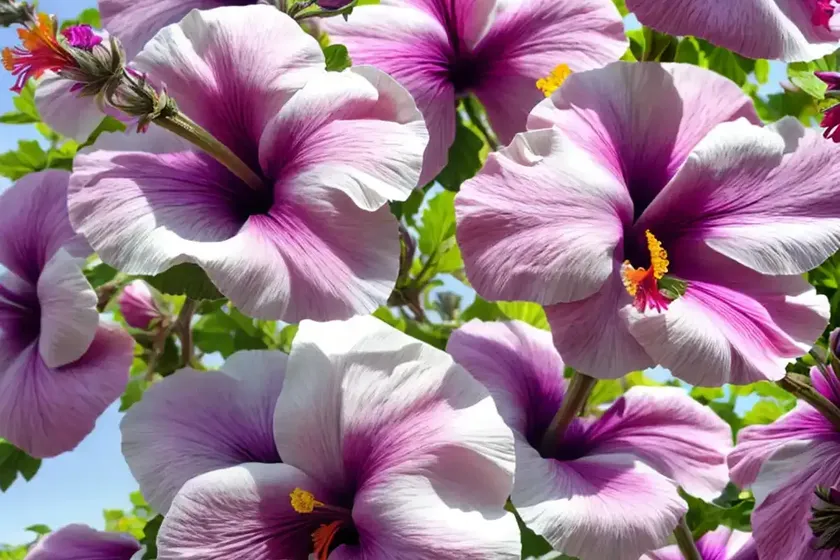
Hibiscus syriacus, commonly known as Rose of Sharon, is a flowering plant that belongs to the Malvaceae family. “Purple Satin” is a cultivar of Hibiscus syriacus with distinct purplish flowers and is known for its ornamental value in gardens and landscapes.
What is Hibiscus syriacus Purple Satin?
Hibiscus syriacus ‘Purple Satin’ is a deciduous flowering shrub that typically grows to a height of 8-12 feet, with a spread of 6-10 feet. It is valued for its showy, vibrant purple flowers and its ability to attract pollinators, making it a popular choice for gardeners and landscape enthusiasts. This cultivar is well-adapted to various climate conditions and can thrive in different soil types, making it a versatile and resilient plant.
Key Takeaways – Hibiscus syriacus Purple Satin
The following are the key takeaways when it comes to understanding and cultivating Hibiscus syriacus Purple Satin:
- Scientific Name: Hibiscus syriacus
- Common Name: Rose of Sharon
- Cultivar: Purple Satin
- Growth Type: Deciduous flowering shrub
- Attributes: Showy purple flowers, attracts pollinators, adaptable to various soil types
- Popularity: Widely used in gardens and landscapes
- Maintenance: Requires regular watering, pruning, and fertilization
- Challenges: Susceptible to certain diseases and pests
Culture
Uses
Hibiscus syriacus Purple Satin is primarily used for ornamental purposes. Its vibrant purple flowers make it an attractive addition to garden landscapes and is often planted as a focal point in gardens, borders, or as a standalone specimen. It also attracts pollinators such as bees and butterflies, contributing to the overall biodiversity of the garden.
Water
Proper watering is crucial for the healthy growth of Hibiscus syriacus Purple Satin. It requires regular watering, especially during dry periods, to maintain soil moisture. However, it is important to avoid waterlogging, as excessive moisture can lead to root rot and other problems.
Sunlight
These plants thrive in full sunlight, although they can also tolerate partial shade. Adequate sunlight is essential for promoting abundant flowering and maintaining the overall health of the plant.
Fertilizer
A balanced fertilizer formulated for flowering shrubs can be applied during the growing season to support healthy growth and prolific flowering. It is advisable to follow the recommended fertilization schedule and avoid over-fertilization, which can lead to excessive foliage at the expense of flowering.
Soil
Hibiscus syriacus Purple Satin prefers well-draining soils with a slightly acidic to neutral pH. Amending the soil with organic matter can improve its fertility and structure, promoting optimal growth and blooming.
Pruning
Pruning is a vital aspect of Hibiscus syriacus Purple Satin care, as it helps maintain a compact shape and encourages the development of new flowering stems. Pruning is typically performed in late winter or early spring before the new growth emerges. The removal of dead or weak branches, as well as shaping the plant to the desired form, contributes to the overall health and aesthetics of the shrub.
Propagation
Hibiscus syriacus Purple Satin can be propagated through methods such as:
- Softwood Cuttings: Softwood cuttings taken from the current season’s growth can be rooted in a suitable propagation medium to establish new plants.
- Seeds: Propagation from seeds is also possible, although it may take longer to produce flowering plants compared to vegetative propagation methods.
Container Popularity
While Hibiscus syriacus Purple Satin is commonly grown in garden landscapes, it can also thrive in containers. Container gardening allows individuals with limited garden space to enjoy the beauty of this plant on patios, balconies, or other outdoor areas. When grown in containers, attention should be given to watering, soil quality, and ensuring adequate sunlight for optimal growth.
Common Diseases
Disease Diagnosis
Hibiscus syriacus Purple Satin is susceptible to certain diseases and health issues, including:
- Leaf Spot: Fungal infections can cause the development of dark spots on the leaves, potentially leading to defoliation if left unmanaged.
- Powdery Mildew: This fungal disease manifests as a white powdery substance on the leaves, affecting the plant’s overall vigor and aesthetics.
- Canker: Canker diseases can lead to the development of sunken lesions on stems, potentially causing dieback and reduced plant vitality.
Common Pests
Pests
- Aphids: These small, sap-sucking insects can infest Hibiscus syriacus Purple Satin, causing distorted growth and honeydew accumulation.
- Japanese Beetles: These pests are known to feed on the foliage and flowers of the plant, potentially causing significant damage if left unchecked.
- Spider Mites: Infestations of spider mites can lead to the development of webbing on the plant and a decline in overall health.
Botanist’s Tips
To ensure the optimal health and vibrancy of Hibiscus syriacus Purple Satin, consider the following botanist’s tips:
- Regular monitoring for signs of diseases and pests is essential for early intervention and management.
- Proper pruning techniques, including the removal of dead or diseased wood, can contribute to the overall vigor and appearance of the plant.
- Consistent watering, especially during hot and dry periods, is crucial for preventing stress and promoting healthy growth.
Fun Facts
- The Hibiscus syriacus Purple Satin flowers are edible and can be used to add color and a touch of sweetness to salads and various culinary dishes.
- In some cultures, Hibiscus syriacus flowers are used to make herbal teas and infusions, known for their potential health-promoting properties.
Links to External Resources
For further information on Hibiscus syriacus Purple Satin and related topics, consider the following external resources:
- The American Hibiscus Society
- Royal Horticultural Society – Growing Hibiscus
- University of Florida – Hibiscus Care Guide
In conclusion, Hibiscus syriacus Purple Satin, with its stunning purple flowers and adaptability, holds a special place in garden landscapes. By understanding its cultural requirements, addressing potential diseases and pests, and applying proper maintenance practices, gardeners and enthusiasts can enjoy the beauty and resilience of this captivating plant.
Note: This blog post on Hibiscus syriacus Purple Satin provides comprehensive information and insights on the plant’s characteristics, care requirements, and related aspects. The content covers a wide range of topics, offering valuable knowledge to readers interested in this particular cultivar of Hibiscus syriacus.


