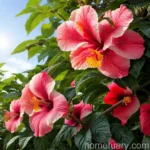
Hardy Hibiscus (Hibiscus moscheutos): A Comprehensive Guide
As a plant scientist, I am fascinated by the diversity and resilience of plant species. Among the myriad of plants that capture my attention, the Hardy Hibiscus, scientifically known as Hibiscus moscheutos, stands out for its beauty and adaptability. In this comprehensive guide, I will delve into the various facets of the Hardy Hibiscus, from its cultural requirements to its uses in landscaping and its role in supporting wildlife. Whether you are a seasoned gardener or a beginner with a budding interest in plants, this guide aims to equip you with a holistic understanding of Hibiscus moscheutos and how to cultivate and care for this stunning plant.
What is Hibiscus moscheutos (Hardy Hibiscus)?
Hibiscus moscheutos, commonly known as the Hardy Hibiscus, is a perennial flowering plant that belongs to the mallow family, Malvaceae. This plant is native to wetland areas in North America and is characterized by its large, showy flowers and attractive foliage. The Hardy Hibiscus is known for its resilience, thriving in diverse conditions and adding a splash of vibrant color to gardens and landscapes.
Key Takeaways – Hibiscus moscheutos (Hardy Hibiscus)
Before we dive into the specifics of caring for the Hardy Hibiscus, it’s important to highlight some key takeaways about this plant. Here are some essential points to keep in mind:
- Hardy Hibiscus Varieties: Hibiscus moscheutos encompasses various cultivars and hybrids, offering a wide range of colors, flower sizes, and growing habits.
- Cultural Uses: Besides its ornamental value, the Hardy Hibiscus has cultural significance in traditional medicine, and its flowers can be used in various applications.
- Water: While the Hardy Hibiscus thrives in moist soil, it can also tolerate periods of drought once established.
- Sunlight: Adequate sunlight is crucial for the healthy growth and abundant flowering of Hibiscus moscheutos.
- Fertilizer: Proper fertilization is essential for promoting robust growth and enhancing the blooming potential of the Hardy Hibiscus.
- Soil: This plant thrives in well-draining soil, and its soil requirements play a key role in its overall health.
- Pruning: Regular pruning helps maintain the shape of the Hardy Hibiscus and encourages the development of new growth and flowers.
- Propagation: Hibiscus moscheutos can be propagated through several methods, allowing for the expansion of your plant collection.
- Container Gardening: The Hardy Hibiscus can be grown in containers, offering flexibility for those with limited garden space.
- Common Diseases: Being aware of potential diseases and their early symptoms is crucial for effectively managing the health of Hibiscus moscheutos.
- Common Pests: Keeping an eye out for common pests and taking preventive measures is essential for preserving the vitality of the Hardy Hibiscus.
With these key points in mind, let’s explore each aspect in detail to gain a comprehensive understanding of how to care for and appreciate the beauty of the Hardy Hibiscus.
Culture
Cultivating the Hardy Hibiscus involves understanding its preferences in terms of water, sunlight, soil, and other environmental factors. By providing the optimal growing conditions, you can ensure that your Hibiscus moscheutos thrives and graces your garden with its stunning blooms.
Uses
Before delving into the specific cultural requirements of Hibiscus moscheutos, it’s important to acknowledge the diverse uses of this plant. While it is predominantly valued for its ornamental appeal, the Hardy Hibiscus also holds cultural significance and practical uses in various domains.
Ornamental Value: One of the most prominent uses of the Hardy Hibiscus is its ornamental value. Its large, colorful flowers add a striking visual element to garden beds, borders, and landscapes, making it a popular choice among gardeners and landscapers. With an array of cultivars offering different flower colors, sizes, and petal shapes, Hibiscus moscheutos provides versatility in garden design.
Traditional Medicine: In some cultures, parts of the Hardy Hibiscus plant are used for their medicinal properties. This includes the use of the flowers and leaves in herbal remedies and teas, where they are believed to offer potential health benefits.
Wildlife Support: Hibiscus moscheutos plays a role in supporting biodiversity by attracting pollinators such as bees and butterflies with its nectar-rich flowers. It also provides cover for small wildlife and contributes to the overall ecological balance in the garden or natural habitat.
Cultural Significance: The striking appearance of the Hardy Hibiscus has made it a symbol of beauty and resilience in various cultures. Its large and showy flowers have been admired and celebrated in art, literature, and cultural traditions.
Understanding the various uses of Hibiscus moscheutos sheds light on its significance beyond its visual appeal. Whether it’s enhancing the aesthetics of a garden or contributing to cultural practices, the Hardy Hibiscus holds multifaceted value.
Water
Proper watering is essential for the health and vigor of Hibiscus moscheutos. While this plant thrives in moist conditions, it is also capable of withstanding periods of drought once established. Understanding its water needs is fundamental to ensuring its well-being.
Watering Needs: Hibiscus moscheutos prefers consistently moist soil, particularly during its active growing season. Adequate watering is crucial, especially during periods of hot and dry weather, to support healthy growth and flowering.
Established Plants: Once established, the Hardy Hibiscus demonstrates good tolerance to drought. However, it is important to monitor soil moisture levels and provide supplementary watering during prolonged dry spells to prevent stress and dehydration.
Watering Practices: When watering your Hibiscus moscheutos, ensure that the soil is evenly moist but not waterlogged. Water deeply to encourage the development of a robust root system, and avoid shallow, frequent watering that can lead to shallow roots and reduced drought tolerance.
Understanding the specific watering needs of the Hardy Hibiscus enables you to create a conducive environment for its growth and blooming, contributing to its overall vitality.
Sunlight
Adequate sunlight is crucial for the healthy growth and abundant flowering of the Hardy Hibiscus. Understanding its sunlight requirements allows you to position it optimally in your garden for maximum visual impact and vitality.
Sunlight Exposure: Hibiscus moscheutos thrives in full sun to partial shade, with a preference for at least 6 hours of direct sunlight per day. However, it can tolerate some shade, particularly in regions with intense heat or during the hottest part of the day.
Effects of Sunlight: Proper sunlight exposure promotes vigorous growth and abundant flowering in the Hardy Hibiscus. Inadequate sunlight can lead to reduced blooming, leggy growth, and overall diminished health.
By providing the appropriate sunlight conditions, you can ensure that your Hibiscus moscheutos thrives and graces your garden with its radiant blooms.
Fertilizer
Proper fertilization is essential for promoting robust growth and enhancing the blooming potential of the Hardy Hibiscus. Understanding the fertilization requirements of Hibiscus moscheutos allows you to provide the necessary nutrients for its optimal development.
Fertilizer Application: Hibiscus moscheutos benefits from regular fertilization, particularly during its active growing season in spring and summer. A balanced, slow-release fertilizer formulated for flowering plants can support healthy growth and prolific flowering.
Timing and Frequency: Apply fertilizer to Hibiscus moscheutos in early spring as new growth emerges and then again in late spring or early summer to sustain its nutrient requirements. Follow the instructions on the fertilizer label for specific guidance on application rates and frequency.
Avoid Overfeeding: While fertilization is beneficial, avoid overfeeding as excessive nutrients can lead to lush foliage at the expense of flower production. Carefully follow the recommended dosage to prevent potential imbalances.
By adopting a strategic approach to fertilization, you can nurture the growth and flowering potential of the Hardy Hibiscus, contributing to its overall beauty and vitality.
Soil
The soil in which Hibiscus moscheutos is planted plays a crucial role in its overall health and growth. Understanding the soil requirements of the Hardy Hibiscus enables you to create an optimal growing environment for this plant.
Well-Draining Soil: The Hardy Hibiscus thrives in well-draining soil that retains moisture without becoming waterlogged. It prefers loamy, rich soil with good fertility and a pH range of 6.5 to 7.5.
Organic Matter: Incorporating organic matter such as compost or well-rotted manure into the soil can improve its structure and fertility, creating a favorable growing medium for Hibiscus moscheutos.
Soil Moisture: While Hibiscus moscheutos favors damp soil, it is important to avoid waterlogged conditions that can lead to root rot. Balancing soil moisture is crucial for the overall health of the plant.
Understanding and addressing the soil requirements of the Hardy Hibiscus lays the foundation for its successful cultivation, ensuring that it receives the necessary support for robust growth and flowering.
Pruning
Regular pruning is an essential aspect of caring for Hibiscus moscheutos. Pruning not only helps maintain the shape and size of the plant but also encourages the development of new growth and flowers, contributing to its overall appearance and health.
Timing: Prune Hibiscus moscheutos in late winter or early spring before new growth emerges. This timing allows the plant to direct its energy towards the development of new shoots and flowers during the growing season.
Pruning Techniques: When pruning the Hardy Hibiscus, remove dead or damaged wood, as well as any weak or overcrowded stems. Additionally, consider cutting back the previous year’s growth to promote bushier, more compact growth and an abundance of new blooms.
Deadheading: Regular deadheading, which involves the removal of spent flowers, can prolong the blooming period of Hibiscus moscheutos and encourage the continuous production of new blooms.
By incorporating proper pruning practices, you can enhance the overall appearance and flowering potential of the Hardy Hibiscus, contributing to its long-term health and vitality.
Propagation
The ability to propagate Hibiscus moscheutos allows you to expand your plant collection and share the beauty of this species with others. Understanding the various propagation methods enables you to propagate this plant successfully.
Propagation Methods: Hibiscus moscheutos can be propagated through several methods, including division, softwood cuttings, and seeds. Each method offers unique advantages and considerations, allowing you to select the approach that best suits your preferences and resources.
Division: Dividing mature clumps of Hibiscus moscheutos can be an effective way to propagate this plant while also rejuvenating existing specimens.
Softwood Cuttings: Propagating Hibiscus moscheutos from softwood cuttings taken during the active growing season can yield new plants with genetic traits similar to the parent plant.
Seeds: Growing Hibiscus moscheutos from seeds allows you to experience the entire lifecycle of the plant, from germination to flowering. This method offers a rewarding and educational experience for gardeners.
Mastering the art of propagating the Hardy Hibiscus empowers you to multiply the presence of this striking plant in your garden and share it with fellow enthusiasts.
Container Gardening
While Hibiscus moscheutos is often grown in garden beds and borders, it also lends itself well to container gardening. The versatility of container cultivation offers unique opportunities for incorporating the beauty of the Hardy Hibiscus into diverse settings.
Container Selection: When choosing a container for Hibiscus moscheutos, opt for a spacious pot with adequate drainage holes. The container should comfortably accommodate the root system and allow for optimal growth.
Potting Mix: Use a well-draining, high-quality potting mix suitable for flowering plants when growing Hibiscus moscheutos in containers. This medium provides the necessary support and nutrition for the plant’s growth.
Placement: Position the container in a location that receives ample sunlight, ensuring that the Hibiscus moscheutos receives the light it requires for healthy growth and abundant flowering.
Maintenance: Regularly monitor soil moisture in the container, especially during hot weather, and provide appropriate watering to support the health of the Hardy Hibiscus.
Overwintering: In regions with cold winters, consider overwintering container-grown Hibiscus moscheutos indoors to protect it from harsh weather conditions.
By embracing container gardening, you can enjoy the beauty of Hibiscus moscheutos in various environments, from patios and balconies to urban spaces and small gardens.
Popularity
The popularity of Hibiscus moscheutos is evident in its widespread cultivation and appeal among gardeners, landscapers, and nature enthusiasts. Its striking appearance, adaptability, and various cultivars contribute to its enduring popularity in horticulture.
Gardeners and Landscapers
Gardeners and landscapers are drawn to the Hardy Hibiscus for its captivating flowers, which add vibrant splashes of color to garden beds, borders, and mixed perennial plantings. With a wide range of cultivars available, each offering unique flower colors and characteristics, Hibiscus moscheutos provides diversity and versatility in garden design.
Plant Enthusiasts
Plant collectors and enthusiasts appreciate the Hardy Hibiscus for its resilience and adaptability, making it a valuable addition to diverse plant collections. The availability of different varieties and hybrids, along with its ornamental appeal, makes Hibiscus moscheutos a favored choice among those with an affinity for unique and vibrant plants.
Wildlife and Ecology Advocates
Nature enthusiasts and advocates for wildlife and biodiversity value Hibiscus moscheutos for its role in supporting pollinators and offering habitat for small wildlife. The ecological benefits of the Hardy Hibiscus, along with its aesthetic appeal, align with the principles of sustainable and wildlife-friendly gardening.
Educational and Public Gardens
Educational institutions, botanical gardens, and public parks showcase Hibiscus moscheutos to educate visitors about native and ornamental plant species. The Hardy Hibiscus’s striking blooms and adaptability in various growing conditions make it a compelling choice for inclusion in public garden displays and educational programs.
The enduring popularity of Hibiscus moscheutos reflects its universal appeal, from its visual splendor to its ecological contributions, making it a cherished plant in horticulture and beyond.
Common Diseases
While Hibiscus moscheutos is a resilient plant, it is susceptible to certain diseases that can affect its overall health and appearance. Recognizing common diseases and understanding their symptoms is crucial for early diagnosis and effective management of plant health.
Disease Diagnosis
Being able to identify common diseases that affect Hibiscus moscheutos allows you to take prompt action to address the issue. Here are some prevalent diseases that can impact the health of the Hardy Hibiscus:
Leaf Spot: This fungal disease causes dark spots to develop on the leaves of Hibiscus moscheutos, often leading to premature defoliation and a weakened overall appearance of the plant.
Powdery Mildew: Powdery mildew can affect the foliage of the Hardy Hibiscus, manifesting as a powdery white coating on the leaves. This can hinder photosynthesis and impact the plant’s vitality.
Root Rot: Excessive moisture or poorly draining soil can lead to root rot in Hibiscus moscheutos, causing symptoms such as wilting, yellowing leaves, and general decline in plant health.
Rust: Rust is a fungal disease characterized by orange, powdery spores on the undersides of leaves and along the stems of Hibiscus moscheutos. This can weaken the plant and affect its aesthetic appeal.
Bacterial Blight: Bacterial blight can cause dark, water-soaked lesions on the leaves of the Hardy Hibiscus, leading to leaf drop and a diminished overall vigor of the plant.
By familiarizing yourself with the symptoms of these common diseases, you can actively monitor the health of Hibiscus moscheutos and take appropriate measures to prevent and manage potential issues.
Common Pests
In addition to diseases, Hibiscus moscheutos is vulnerable to attacks by certain pests that can compromise its health and appearance. Recognizing common pests and understanding their impact is essential for effective pest management.
Aphids: These small, soft-bodied insects can infest the foliage and stems of Hibiscus moscheutos, feeding on plant sap and potentially causing distortion and discoloration of the leaves.
Japanese Beetles: Japanese beetles are known to feed on the leaves and flowers of the Hardy Hibiscus, resulting in significant damage to the plant if left uncontrolled.
Whiteflies: Whiteflies can pose a threat to Hibiscus moscheutos by feeding on the plant sap and possibly transmitting viral diseases, leading to weakened plant health and reduced vigor.
Spider Mites: These tiny arachnids can infest the undersides of leaves and spin fine webs, causing stippling and discoloration of the foliage of Hibiscus moscheutos.
Caterpillars: Certain caterpillar species may feed on the leaves of the Hardy Hibiscus, potentially causing noticeable defoliation if present in significant numbers.
By actively monitoring for these common pests and implementing appropriate pest control measures, you can safeguard the health and beauty of Hibiscus moscheutos in your garden.
Botanist’s Tips
As a plant scientist and enthusiast, I have gathered several tips and guidelines for successfully cultivating and appreciating Hibiscus moscheutos. These insights aim to enhance your experience with the Hardy Hibiscus and promote its long-term health and vitality.
Tip 1: Selecting the Right Variety
Choose Hibiscus moscheutos varieties that align with your preferences and local climate conditions. With a diverse range of cultivars offering different flower colors, sizes, and growth habits, select those that thrive in your specific growing environment.
Tip 2: Soil Preparation
Before planting Hibiscus moscheutos, prepare the soil by incorporating organic matter to improve its structure and fertility. Well-draining, loamy soil with good moisture retention capabilities provides an ideal growing medium for the Hardy Hibiscus.
Tip 3: Watering Consistency
Maintain consistent moisture levels for Hibiscus moscheutos, particularly during the active growing season. Avoid fluctuations between overly dry and waterlogged conditions to promote healthy growth and flowering.
Tip 4: Sunlight Optimization
Position Hibiscus moscheutos in a location that receives adequate sunlight, ensuring that it meets its requirements for healthy growth and prolific blooming.
Tip 5: Pruning Best Practices
Adopt proper pruning practices for Hibiscus moscheutos, focusing on removing dead or weak growth and encouraging the development of new shoots and flowers.