Hardy Hibiscus (Hibiscus Moscheutos ‘Balhiblu’ LUNA BLUSH)
Plants are not only essential for providing oxygen and food but they are also a source of beauty and joy. One such plant that captivates us with its.
Introduction
Plants are not only essential for providing oxygen and food but they are also a source of beauty and joy.
One such plant that captivates us with its striking beauty is the hardy hibiscus (Hibiscus moscheutos ‘Balhiblu’ LUNA BLUSH). With its delicate and vibrant flowers, hardy hibiscus is a stunning addition to any garden or landscape. In this comprehensive guide, we will explore everything you need to know about the hardy hibiscus, from its care requirements to its uses, culture, and so much more.
What is Hardy Hibiscus (Hibiscus moscheutos ‘Balhiblu’ LUNA BLUSH)?
Plant Description
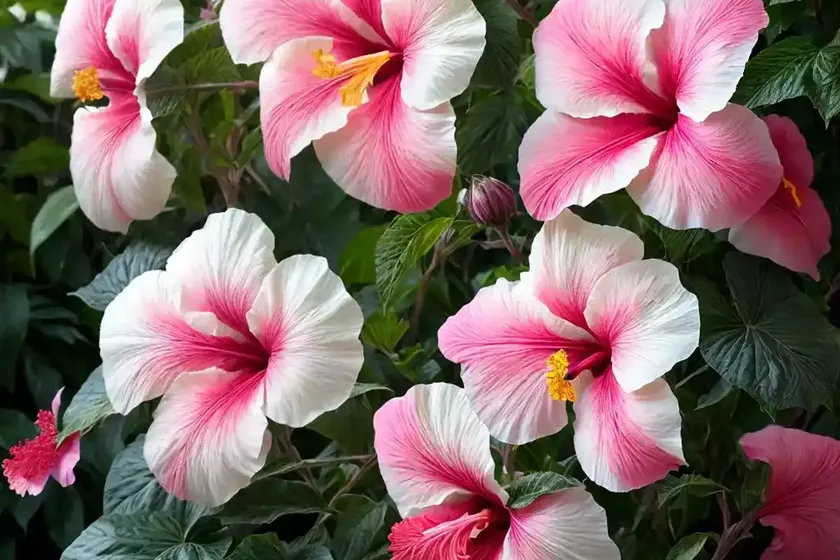
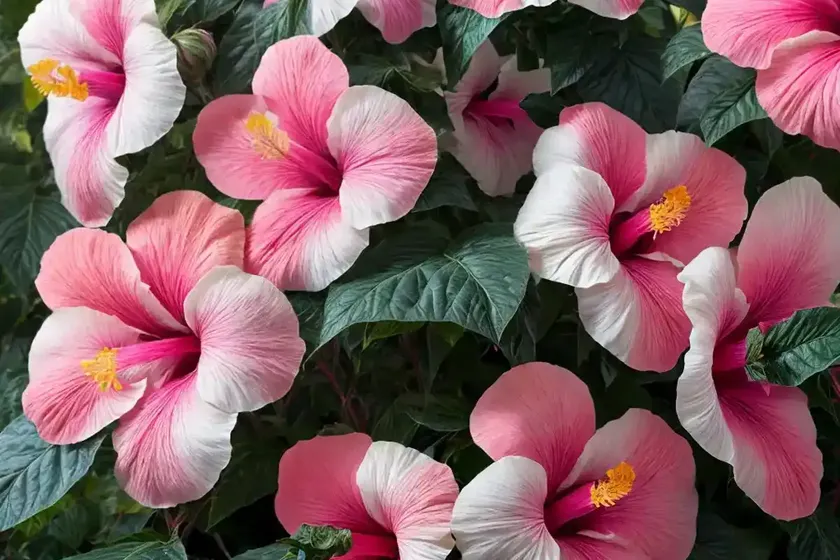
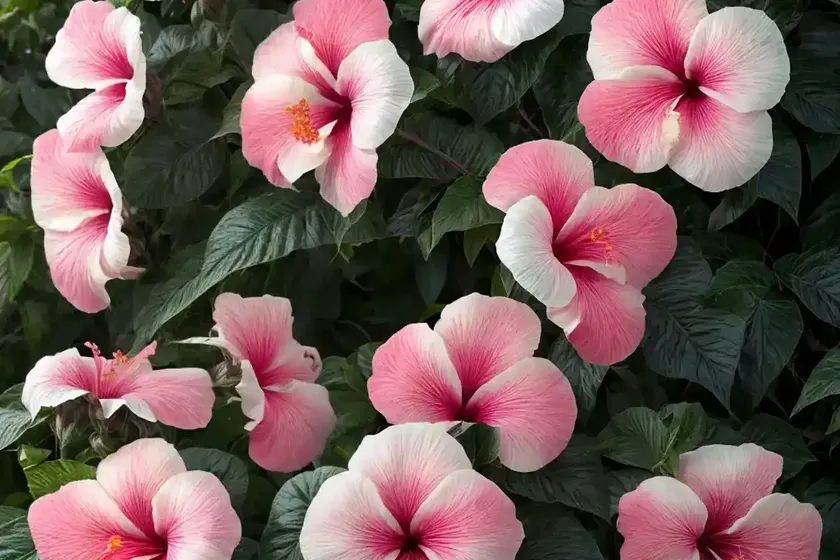
Hardy hibiscus, also known as Hibiscus moscheutos ‘Balhiblu’ LUNA BLUSH, is a perennial flowering plant that belongs to the Malvaceae family. This stunning cultivar is characterized by its large, showy flowers that come in a variety of colors, including white, pink, and red. The ‘Balhiblu’ LUNA BLUSH variety, in particular, is revered for its unique blush-pink flowers that add a touch of elegance to any garden.
Key Features
- Scientific Name: Hibiscus moscheutos ‘Balhiblu’ LUNA BLUSH
- Common Name: Hardy Hibiscus, Luna Blush Hibiscus
- Hardiness Zone: 4-9
- Mature Height: 3-4 feet
- Bloom Time: Mid-summer to early fall
- Sunlight Requirements: Full sun to partial shade
- Watering Needs: Moderate to high
- Soil Type: Moist, well-draining soil
- Uses: Ornamental, attracts pollinators
Key Takeaways – Hardy Hibiscus (Hibiscus moscheutos ‘Balhiblu’ LUNA BLUSH)
Culture
Uses
Hardy hibiscus is primarily cultivated for its ornamental value. The stunning blooms of ‘Balhiblu’ LUNA BLUSH can elevate the visual appeal of any garden or landscape. These plants also attract pollinators such as bees, butterflies, and hummingbirds, adding to the ecological diversity of the area.
Water
Hardy hibiscus plants thrive in moist soil and require regular watering, especially during hot and dry periods. However, they are also tolerant of short periods of drought once established.
Sunlight
For optimal growth and flowering, hardy hibiscus should be planted in locations that receive full sun to partial shade. They tend to bloom more profusely when exposed to ample sunlight.
Fertilizer
These plants benefit from a balanced fertilizer application in spring, as this helps support healthy growth and abundant blooms. Look for fertilizers designed for flowering perennials and follow the instructions on the label for the best results.
Soil
Hardy hibiscus thrives in moist, well-draining soil. A slightly acidic to neutral pH range of 6.0-7.0 is ideal for these plants. Additionally, adding organic matter to the soil can contribute to its overall health.
Pruning
Pruning hardy hibiscus is generally minimal and is mainly focused on removing dead or damaged stems and spent flowers to encourage continuous blooming.
Propagation
These plants can be propagated through division or by taking stem cuttings. Propagation from seeds is also possible, but it may not yield true to the parent plant.
Container Popularity
Hardy hibiscus can be grown in containers, making them a versatile choice for individuals with limited garden space. When grown in containers, they require regular watering and may benefit from winter protection in cold climates.
Common Diseases
While hardy hibiscus is generally a low-maintenance plant, it can be susceptible to certain diseases. Keep an eye out for signs of:
– Leaf Spot
– Powdery Mildew
– Rust
Proper sanitation, adequate air circulation, and avoiding overhead watering can help prevent these diseases.
Common Pests
- Aphids
- Japanese Beetles
- Whiteflies
Inspect your plants regularly and consider using organic or chemical pest control methods if pest populations become problematic.
Botanist’s Tips for Growing Hardy Hibiscus
- Selecting Varieties: Explore different varieties of hardy hibiscus to add a diverse array of colors and forms to your garden.
- Winter Protection: In colder regions, providing winter protection such as mulching can help hardy hibiscus survive the cold months.
- Attracting Pollinators: Use hardy hibiscus to attract pollinators and contribute to the local ecosystem’s biodiversity.
- Companion Planting: Pair hardy hibiscus with complementary plants to create visually appealing and ecologically beneficial garden spaces.
Fun Facts About Hardy Hibiscus
- The hibiscus is the national flower of South Korea, Malaysia, and Haiti.
- Hibiscus tea, made from the dried petals of the flower, is known for its health benefits and refreshing taste.
- Some hibiscus species are used in traditional medicine for their potential medicinal properties.
Links to External Resources
For additional information on hardy hibiscus (Hibiscus moscheutos ‘Balhiblu’ LUNA BLUSH) and related topics, feel free to explore the following resources:
In conclusion, hardy hibiscus (Hibiscus moscheutos ‘Balhiblu’ LUNA BLUSH) is a captivating and versatile plant that can enhance the aesthetic appeal of any garden while also contributing to local biodiversity. By following the outlined care and cultivation tips, you can successfully incorporate these stunning plants into your outdoor spaces, creating a vibrant and thriving landscape.


