Hardy Hibiscus (Hibiscus ‘Lester Riegel’)
As a plant scientist, I am often asked about unique and captivating plant species, and one that consistently stands out is the hardy hibiscus..
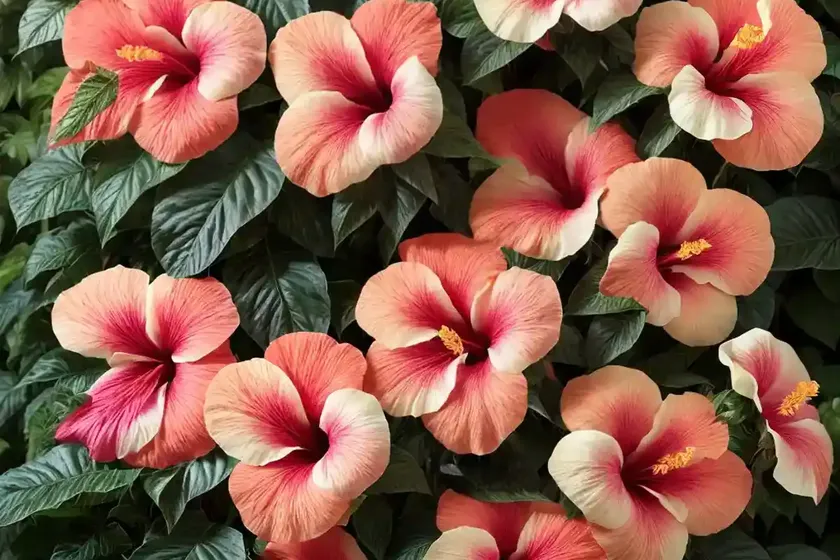
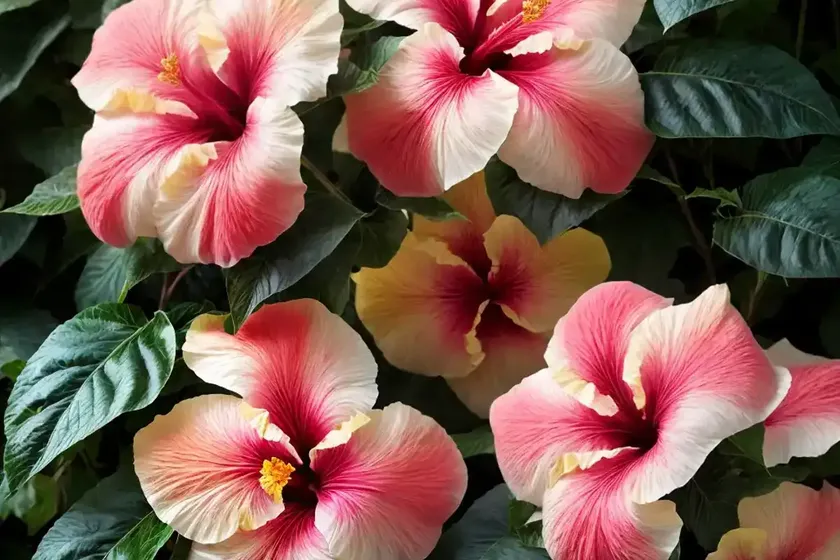
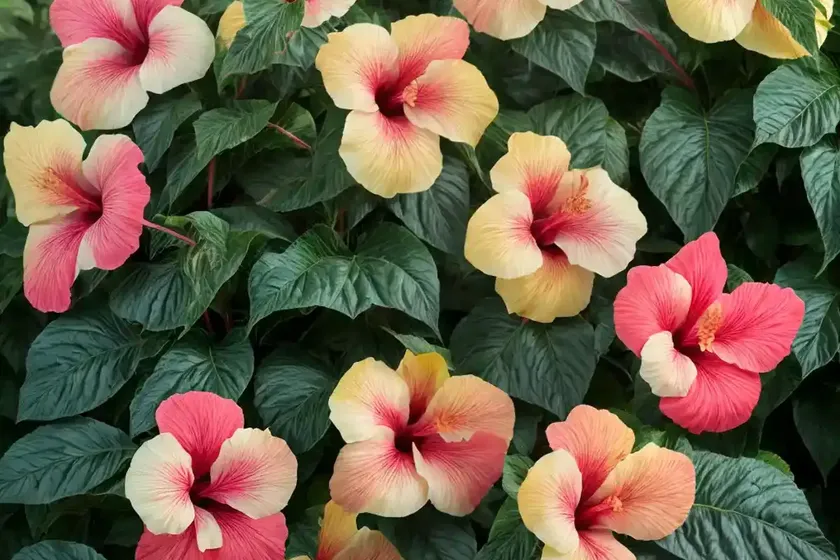
As a plant scientist, I am often asked about unique and captivating plant species, and one that consistently stands out is the hardy hibiscus. Specifically, I would like to introduce and delve into the distinct characteristics, optimal care, and fascinating facts surrounding the Hibiscus ‘Lester Riegel’ cultivar. In this comprehensive guide, we will explore the cultural aspects of this plant, its uses, essential environmental requirements, as well as propagation techniques, common diseases, and pest management strategies.
What is Hardy Hibiscus (Hibiscus ‘Lester Riegel’)?
Before we delve into the specific details of the Hibiscus ‘Lester Riegel’, it is essential to understand the broader classification and characteristics of hardy hibiscus plants. Hardy hibiscus, scientifically known as Hibiscus moscheutos, is a perennial plant that belongs to the Malvaceae family. Native to North America, these plants are renowned for their large, showy flowers and their ability to thrive in wetland habitats. The ‘Lester Riegel’ cultivar, in particular, is revered for its striking beauty, making it a desirable addition to gardens and landscapes. This cultivar is cherished for its unique features, which we will explore in detail.
Key Takeaways – Hardy Hibiscus (Hibiscus ‘Lester Riegel’)
Culture
- Hardy hibiscus, including the ‘Lester Riegel’ cultivar, thrives in moist, well-drained soil and appreciates ample sunlight for optimal growth and flowering.
- These plants are known to be relatively low-maintenance, making them suitable for both novice and experienced gardeners.
Uses
- Hardy hibiscus, such as the ‘Lester Riegel’ cultivar, is commonly used in landscaping to add vibrant colors and a tropical ambiance to outdoor spaces.
- The large, showy flowers of the ‘Lester Riegel’ hibiscus make it an ideal choice for attracting pollinators, such as bees and butterflies.
Water
- Adequate water is essential for the growth and development of hardy hibiscus plants. While they thrive in moist conditions, it is crucial to prevent waterlogging, as this can lead to root rot.
Sunlight
- Full sun exposure is preferred for hardy hibiscus, including the ‘Lester Riegel’ cultivar. However, they can tolerate partial shade, especially in regions with intense summer heat.
Fertilizer
- Fertilize the ‘Lester Riegel’ hibiscus with a balanced, slow-release fertilizer in the spring to promote healthy growth and abundant flowering.
Soil
- Rich, well-draining soil is ideal for hardy hibiscus plants. A slightly acidic to neutral pH level is preferred, enhancing the plant’s nutrient uptake.
Pruning
- Pruning can help shape the plant, remove dead or damaged growth, and encourage prolific flowering. The best time for pruning the ‘Lester Riegel’ hibiscus is in late winter or early spring before new growth emerges.
Propagation
- Propagation of hardy hibiscus, including the ‘Lester Riegel’ cultivar, can be achieved through methods such as stem cuttings and division, allowing gardeners to expand their hibiscus collection.
Container Popularity
- The ‘Lester Riegel’ hibiscus can thrive in containers, providing flexibility for gardeners with limited space or those wanting to create stunning floral displays on patios and balconies.
Common Diseases
- Hardy hibiscus plants, including the ‘Lester Riegel’ cultivar, are susceptible to certain diseases such as leaf spot and powdery mildew, emphasizing the importance of proactive disease management.
Disease Diagnosis
- Recognizing symptoms and identifying the causal agents of diseases affecting hibiscus plants is crucial for implementing effective treatment strategies and preventing further spread.
Common Pests
- Pests such as aphids, spider mites, and whiteflies can pose a threat to hardy hibiscus plants. Regular monitoring and appropriate pest control measures are essential for maintaining plant health.
Botanist’s Tips
-
Optimal Growing Conditions: Ensure that the ‘Lester Riegel’ hibiscus receives adequate sunlight, water, and well-draining soil to promote vigorous growth and abundant flowering.
-
Regular Monitoring: Conduct frequent inspections of the plant for any signs of diseases, pests, or nutrient deficiencies, allowing for prompt intervention and maintenance.
-
Pruning Techniques: Utilize proper pruning techniques, such as removing dead or crossing branches, to maintain the plant’s health and shape, ultimately enhancing its visual appeal.
-
Watering Consistency: Maintain a consistent watering schedule, particularly during hot, dry periods, to prevent the plant from drying out and ensure its overall well-being.
-
Appropriate Fertilization: Apply a balanced fertilizer at the recommended rates and timings, taking into account the specific nutritional requirements of the ‘Lester Riegel’ hibiscus.
Fun Facts
- The ‘Lester Riegel’ hibiscus is named after renowned horticulturist Lester Riegel, who made significant contributions to the cultivation of hibiscus plants.
- The vibrant flowers of the ‘Lester Riegel’ hibiscus are not only visually appealing but also attract a variety of pollinators, contributing to the ecological diversity of gardens and landscapes.
Now that we have explored the key aspects of the hardy hibiscus ‘Lester Riegel’, let’s delve deeper into each category to gain a comprehensive understanding of its care and characteristics.
Hibiscus ‘Lester Riegel’ Characteristics
The Hibiscus ‘Lester Riegel’ is renowned for its distinct characteristics, setting it apart from other hibiscus cultivars. Some key characteristics of this cultivar include:
- Large Flowers: The ‘Lester Riegel’ hibiscus produces large, showy flowers with vibrant colors, adding a splash of tropical elegance to gardens and landscapes.
- Tall Growth Habit: This cultivar exhibits a tall growth habit, making it an ideal choice for creating vertical interest or as a focal point in garden designs.
- Hardiness: As with other hardy hibiscus varieties, the ‘Lester Riegel’ is known for its ability to withstand diverse environmental conditions, including wetland areas and garden settings.
Growing Hardy Hibiscus Plants
When it comes to growing hardy hibiscus plants, including the ‘Lester Riegel’ cultivar, it is essential to consider several key factors to ensure their successful cultivation and optimal development.
Best Conditions for Hardy Hibiscus
Hardy hibiscus, including the ‘Lester Riegel’ variety, thrive in specific conditions that promote their overall health and prolific flowering. Some of the best conditions for growing these plants include:
- Sunlight: Full sun exposure is ideal for hardy hibiscus, allowing them to receive the necessary light energy for photosynthesis and flower production. However, they can tolerate partial shade, especially during the hottest part of the day.
- Soil: Well-draining, rich soil with a slightly acidic to neutral pH level is preferred for the ‘Lester Riegel’ hibiscus. Amending the soil with organic matter can enhance its texture and nutrient content, further benefiting the plant’s growth.
- Water: Adequate moisture is crucial for the growth of hardy hibiscus plants. While they prefer consistently moist conditions, it is important to avoid waterlogging, as this can lead to root rot and other detrimental effects on plant health.
Tips for Growing Hibiscus ‘Lester Riegel’
To ensure the successful growth and development of the Hibiscus ‘Lester Riegel’, here are some valuable tips to consider:
- Mulching: Apply a layer of organic mulch around the base of the plant to conserve soil moisture, suppress weed growth, and regulate soil temperature, promoting optimal growing conditions for the ‘Lester Riegel’ hibiscus.
- Regular Watering: Establish a consistent watering schedule, particularly during dry periods, to prevent the soil from drying out. Deep, thorough watering is preferable to frequent, shallow watering, promoting healthy root development.
- Protection from Frost: In regions where frost occurs, protect the ‘Lester Riegel’ hibiscus from potential damage by providing adequate insulation or relocating potted plants to sheltered areas during cold spells.
Hibiscus ‘Lester Riegel’ Varieties
The ‘Lester Riegel’ cultivar belongs to the broader category of hardy hibiscus, which encompasses various intriguing varieties. Some notable varieties within the hardy hibiscus species include:
- Hibiscus ‘Cranberry Crush’: Known for its striking, deep red flowers and compact growth habit, this variety adds a bold pop of color to garden landscapes.
- Hibiscus ‘Summer Storm’: With its unique, variegated foliage and large, lavender-pink flowers, this variety offers an intriguing visual appeal and diverse growth patterns.
Hardy Hibiscus Flowering Season
The flowering season of the ‘Lester Riegel’ hibiscus typically occurs during the summer and continues into early fall, showcasing its magnificent blooms and captivating colors. The prolific flowering period adds a vibrant touch to outdoor spaces, captivating the attention of onlookers and pollinators alike.
Soil Type and Composition
The soil requirements for the Hibiscus ‘Lester Riegel’ play a crucial role in its overall health and vitality. When it comes to selecting the suitable soil type and composition for these plants, consider the following aspects:
- Drainage: Well-draining soil is essential to prevent waterlogging, which can negatively impact the root system of the ‘Lester Riegel’ hibiscus. Incorporating organic matter into the soil can enhance its drainage capabilities.
- Structure: The soil should possess a loose, friable structure that allows for adequate root penetration and aeration. Compacted soils can hinder root development and nutrient uptake, affecting the plant’s growth.
- Nutrient Content: Ensuring that the soil is rich in essential nutrients, including nitrogen, phosphorus, and potassium, is vital for promoting vigorous growth and robust flowering in the ‘Lester Riegel’ hibiscus.
Soil pH Requirements
The pH level of the soil significantly influences the availability of nutrients to plants, including the ‘Lester Riegel’ hibiscus. The preferred soil pH range for these plants is slightly acidic to neutral, typically ranging between 6.0 and 7.0. Maintaining the appropriate soil pH level ensures that the ‘Lester Riegel’ hibiscus can efficiently absorb essential nutrients from the soil, enhancing its overall health and vitality.
Recommended Soil Amendments
To optimize the soil conditions for the ‘Lester Riegel’ hibiscus, consider incorporating the following soil amendments as needed:
- Organic Matter: Adding well-decomposed organic matter, such as compost or aged manure, can enrich the soil with essential nutrients and improve its structure, benefiting the growth of the ‘Lester Riegel’ hibiscus.
- Sulfur or Lime: Adjusting the soil pH, if necessary, can be achieved by incorporating sulfur to lower the pH or lime to raise it, ensuring that the soil acidity or alkalinity aligns with the optimal range for the ‘Lester Riegel’ hibiscus.
By addressing the specific soil requirements and implementing appropriate amendments, gardeners can create an environment that supports the healthy growth and flourishing blooms of the ‘Lester Riegel’ hibiscus.
Pruning Benefits and Objectives
Pruning plays a pivotal role in maintaining the health, shape, and flowering potential of hardy hibiscus plants, including the ‘Lester Riegel’ cultivar. Some key benefits and objectives of pruning these plants include:
- Encouraging Flowering: Pruning can stimulate the development of new growth and flower buds, enhancing the overall flowering abundance of the ‘Lester Riegel’ hibiscus.
- Removing Dead or Damaged Growth: Eliminating dead, diseased, or damaged branches and foliage promotes the plant’s health and aesthetics while preventing potential disease spread.
- Shaping and Controlling Growth: Pruning aids in controlling the size and shape of the ‘Lester Riegel’ hibiscus, preventing overcrowding and promoting a balanced, visually appealing structure.
Pruning Tips for Hibiscus ‘Lester Riegel’
To ensure successful pruning of the ‘Lester Riegel’ hibiscus, consider the following tips and best practices:
- Timing: Prune the ‘Lester Riegel’ hibiscus in late winter or early spring before the onset of new growth, allowing the plant to allocate energy towards producing healthy, vigorous shoots and flowers.
- Techniques: Utilize sharp, clean pruning shears to make precise cuts, removing unwanted or overgrown branches while retaining the plant’s natural form and aesthetics.
- Deadheading: Regularly remove spent flowers to encourage continuous blooming and prevent the formation of seeds, redirecting the plant’s energy towards new flower production.
Benefits of Strategic Pruning
Strategic pruning of the ‘Lester Riegel’ hibiscus offers an array of benefits, contributing to the plant’s long-term health and visual appeal. Some notable benefits of strategic pruning include:
- Enhanced Air Circulation: Pruning promotes air circulation within the plant, reducing the risk of fungal diseases and promoting overall vigor.
- Improved Aesthetics: Maintaining a well-groomed appearance through pruning enhances the visual appeal of the ‘Lester Riegel’ hibiscus, making it a captivating focal point in garden landscapes.
By employing proper pruning techniques and adhering to the recommended timing, gardeners can optimize the growth, flowering, and overall vitality of the ‘Lester Riegel’ hibiscus, creating an exquisite addition to their outdoor spaces.
Propagation Methods
The propagation of Hibiscus ‘Lester Riegel’ can be achieved through various methods, offering gardeners the opportunity to expand their hibiscus collection and share this captivating plant with others. Some effective propagation methods include:
Stem Cuttings
- Select a healthy, non-flowering stem and make a clean, angled cut below a node.
- Remove lower leaves and apply a rooting hormone to the base of the cutting.
- Plant the cutting in a well-draining soil mix, ensuring consistent moisture and indirect light.
Division
- Carefully divide the root ball of a mature ‘Lester Riegel’ hibiscus plant into sections, ensuring that each division contains healthy roots and shoots.
- Plant the divisions in individual containers or prepared garden beds, providing optimal growing conditions for each new plant.
Propagation Tips for Success
To increase the likelihood of successful propagation of the ‘Lester Riegel’ hibiscus, consider the following tips and guidelines:
-
Timing: Select the appropriate time for propagation, typically during the active growing season, ensuring that the plants have sufficient time to establish themselves before adverse growing conditions.
-
Rooting Environment: Provide a conducive rooting environment for stem cuttings, maintaining consistent moisture and humidity to promote root development and overall survival.
-
Division Care: Handle the divisions of the ‘Lester Riegel’ hibiscus with care, ensuring that each section retains an adequate portion of roots and shoots for successful establishment.
By following these propagation methods and tips, gardeners can propagate ‘Lester Riegel’ hibiscus plants effectively, multiplying their stunning beauty and contributing to the cultivation of this captivating cultivar.
Importance of Adequate Watering
Adequate watering is crucial for maintaining the health and vitality of hardy hibiscus plants, including the ‘Lester Riegel’ cultivar. Consistent moisture levels promote root development, flowering abundance, and overall plant vigor, making watering an essential aspect of hibiscus care.
Watering Guidelines for ‘Lester Riegel’ Hibiscus
When it comes to meeting the watering needs of the ‘Lester Riegel’ hibiscus, consider the following guidelines to ensure optimal moisture levels and plant health:
Frequency
- Water the ‘Lester Riegel’ hibiscus deeply and thoroughly, allowing the soil to dry slightly between watering sessions to prevent waterlogging.
- During periods of intense heat or drought, increase the frequency of watering to accommodate the plant’s increased moisture requirements.
Soil Moisture
- Regularly assess the soil moisture levels by conducting the finger test or utilizing a soil moisture meter to gauge the need for watering.
- Ensure that the soil is consistently moist but not waterlogged, as excessive moisture can lead to root rot and other detrimental effects on plant health.
Container-Grown Hibiscus
- For hibiscus plants grown in containers, provide sufficient water to penetrate the entire root ball, ensuring that no dry pockets develop within the potting mix.
- Monitor container-grown ‘Lester Riegel’ hibiscus closely, as they may require more frequent watering due to their limited soil volume.
By adhering to these watering guidelines and maintaining vigilance over the ‘Lester Riegel’ hibiscus’ moisture requirements, gardeners can promote its healthy growth and captivating floral display.
Common Pests Affecting Hardy Hibiscus
Hardy hibiscus plants, including the ‘Lester Riegel’ cultivar, are susceptible to certain pests that can potentially impact their health and aesthetics. Some common pests affecting these plants include:
Aphids
- These small, sap-sucking insects can cause distorted growth and yellowing of leaves, affecting the overall vigor of the ‘Lester Riegel’ hibiscus.
- Control aphids through measures such as insecticidal soaps, horticultural oils, or the introduction of natural predators such as ladybugs.
Spider Mites
- Spider mites feed on plant sap, leading to stippled, discolored leaves and the formation of fine webbing on the ‘Lester Riegel’ hibiscus.
- Mitigate spider mite infestations through techniques such as regular misting, predatory mite releases, or the use of insecticidal sprays.
Whiteflies
- Whiteflies can cause yellowing, wilting, and premature leaf drop in hibiscus plants, including the ‘Lester Riegel’ cultivar, due to their feeding activities.
- Control whiteflies by employing methods such as insecticidal treatments, yellow sticky traps, or natural predators like parasitic wasps.
Disease Diagnosis and Management
When it comes to disease diagnosis and management for the ‘Lester Riegel’ hibiscus, it is crucial to be able to recognize common diseases and implement effective treatment strategies. Some prevalent diseases that can affect hibiscus plants include:
Leaf Spot
- Symptoms of leaf spot include dark, water-soaked lesions on the foliage, potentially leading to leaf yellowing and defoliation in severe cases.
- Manage leaf spot through preventative measures such as proper sanitation, adequate plant spacing, and the use of fungicidal treatments if necessary.


