Black Walnut (Juglans Nigra)
Plants have been an essential part of human civilization for thousands of years. They not only provide us with food, oxygen, and materials but also.
Plants have been an essential part of human civilization for thousands of years. They not only provide us with food, oxygen, and materials but also contribute to the beauty of our environment. Among the plethora of plant species that exist, the Black Walnut tree (Juglans Nigra) stands out for its distinct characteristics and numerous uses. In this comprehensive guide, we will delve into the world of Black Walnut, exploring its culture, uses, care tips, diseases, pests, and a range of other topics. Let’s embark on a journey to learn about this remarkable plant and how to cultivate and appreciate it.
What is Black Walnut (Juglans Nigra)?
The Black Walnut (Juglans Nigra) is a species of deciduous tree native to North America. This large tree belongs to the Juglandaceae family and is renowned for its valuable wood, tasty nuts, and ornamental features. With its tall stature, expansive canopy, and deeply furrowed bark, the Black Walnut is a striking addition to landscapes and forests.
Juglans Nigra Characteristics
The Black Walnut tree is characterized by the following features:
- Height: Can grow to be 70-150 feet tall
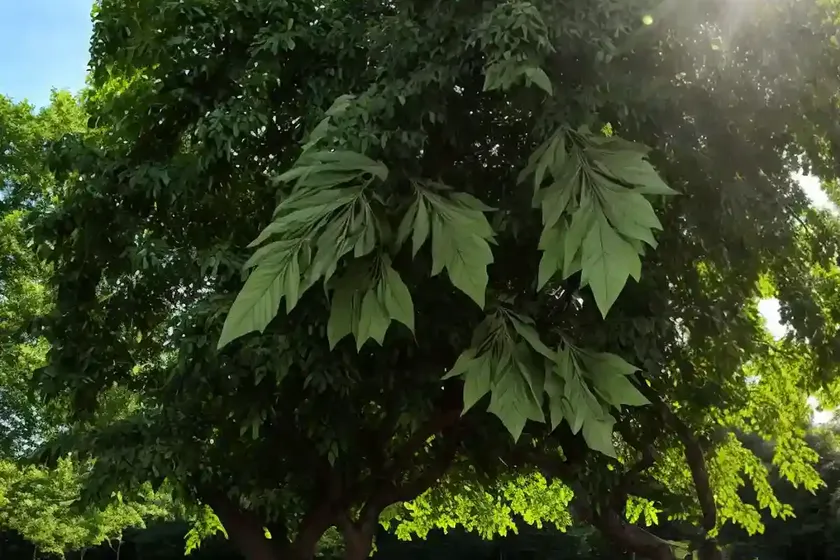
- Leaves: Pinnately compound, with 15-23 leaflets
- Bark: Dark, deeply furrowed, and rough texture
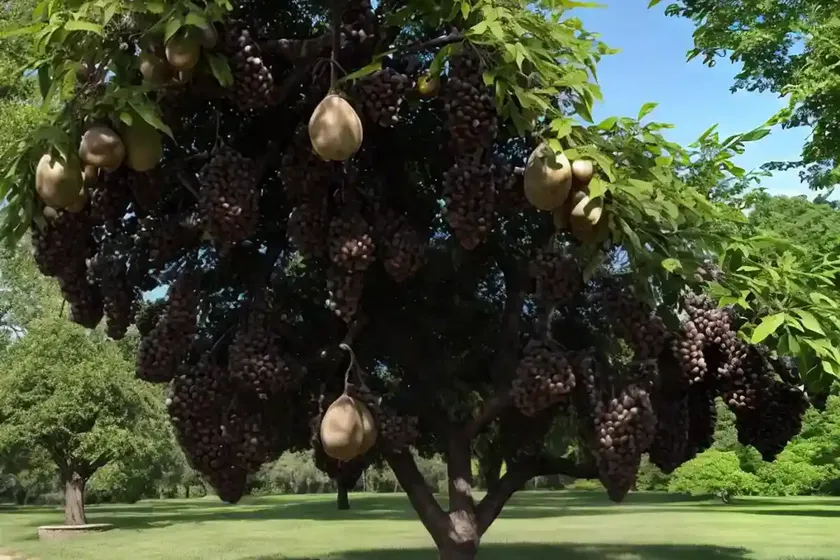
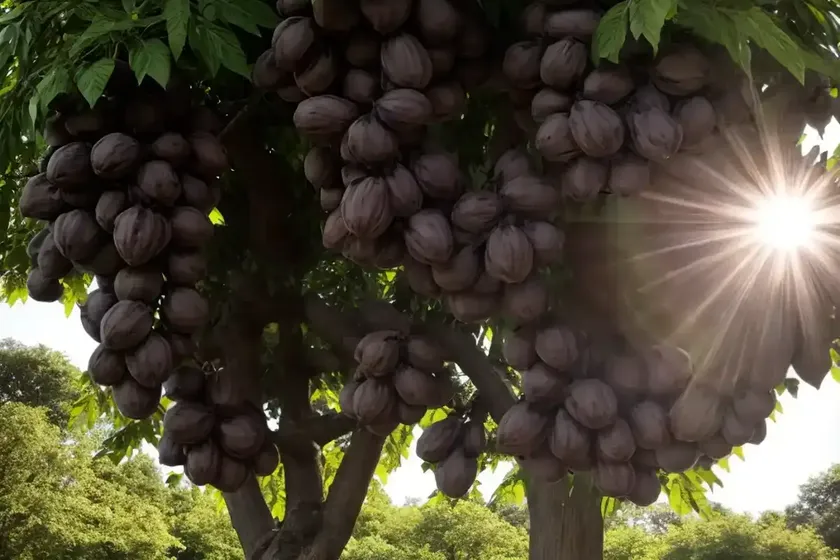
- Nuts: Spherical, thick-shelled, and edible
- Wood: Valuable for its strength and rich, dark color
With such unique characteristics, the Black Walnut tree offers both aesthetic and practical benefits, making it a sought-after species for cultivation and conservation efforts.
Key Takeaways – Black Walnut (Juglans Nigra)
Before delving into the specific details of Black Walnut care, uses, and cultivation, let’s outline the key takeaways that we will explore in this guide. By the end of this comprehensive exploration of Black Walnut, you will have a profound understanding of this remarkable plant and how to effectively nurture and utilize it.
Black Walnut (Juglans Nigra) Key Takeaways
- Culture
- Understanding the environmental conditions and requirements for the successful growth of Black Walnut.
- Uses
- Exploring the diverse applications of Black Walnut, from culinary to medicinal and woodcraft uses.
- Water
- Understanding the water requirements for Black Walnut and how to effectively manage its irrigation.
- Sunlight
- Identifying the optimal sunlight conditions for the thriving of Black Walnut trees.
- Fertilizer
- Learning about the nutrient needs of Black Walnut trees and how to provide them with the necessary fertilization.
- Soil
- Understanding the soil preferences and requirements for the cultivation of Black Walnut.
- Pruning
- Exploring the best practices for pruning and shaping Black Walnut trees to ensure their health and vigor.
- Propagation
- Understanding the methods of propagating Black Walnut trees for expansion and conservation purposes.
- Container Popularity
- Exploring the potential of cultivating Black Walnut trees in containers and the associated considerations.
- Common Diseases
- Identifying the prevalent diseases that affect Black Walnut trees and the methods of diagnosis and control.
- Common Pests
- Understanding the pests that pose a threat to Black Walnut trees and how to effectively manage and prevent infestations.
- Botanist’s Tips
- Receiving expert insights and recommendations for the successful cultivation of Black Walnut trees.
- Fun Facts
- Discovering intriguing and lesser-known facts about Black Walnut trees that add to their allure.
With these key takeaways in mind, let’s embark on a comprehensive journey through the world of Black Walnut, spanning its culture, uses, care tips, diseases, pests, and much more.
Culture
Cultivating Black Walnut trees requires a keen understanding of the environmental conditions and cultural practices that facilitate their growth and development. From the water and sunlight requirements to soil preferences and maintenance practices, the cultural aspects of Black Walnut cultivation are instrumental in nurturing healthy and productive trees.
Water
Water is an essential element for the growth and well-being of Black Walnut trees. However, it is crucial to strike a balance in watering to prevent waterlogging, especially in heavy soils. Understanding the specific water needs of Black Walnut trees and implementing appropriate irrigation practices is pivotal in their cultivation.
- Water Requirements: Black Walnut trees generally prefer well-drained soil to prevent water stagnation. They thrive in moist, but not waterlogged, conditions.
- Irrigation: During the establishment phase, regular and consistent watering is vital to facilitate root development. Once mature, Black Walnut trees exhibit a degree of drought tolerance but still benefit from periodic watering, especially during dry spells.
Sunlight
Sunlight plays a pivotal role in the growth and photosynthetic processes of plants, including Black Walnut trees. Understanding the sunlight requirements of Black Walnut is crucial for selecting suitable planting locations and ensuring optimal growth conditions.
- Sunlight Requirements: Black Walnut trees thrive in full sunlight or partial shade. They benefit from at least six hours of direct sunlight daily, promoting robust growth and nut production.
Fertilizer
Fertilization is an integral part of Black Walnut tree care, providing essential nutrients for healthy growth and nut production. However, it is essential to apply fertilizers judiciously and consider the nutrient composition and requirements of Black Walnut trees.
- Nutrient Needs: Black Walnut trees benefit from fertilizers with a balanced nutrient composition, particularly nitrogen, phosphorus, and potassium. However, excessive nitrogen can inhibit nut production.
- Fertilization Practices: Applying organic fertilizers in the spring is generally beneficial, gradually releasing nutrients and enhancing soil fertility. Regular soil testing can guide the precise application of fertilizers based on the tree’s needs and soil composition.
Uses
The Black Walnut tree offers a diverse range of uses, from its valuable wood to nutritious and delicious nuts. Understanding the multifaceted applications of Black Walnut enhances our appreciation for this remarkable tree and its contributions to various aspects of human life.
Nutritional Value of Black Walnuts
Black Walnuts are prized for their exceptional flavor and nutritional composition. These nuts are not only delicious but also rich in essential nutrients, making them a desirable addition to various culinary dishes and diets.
- Nutrient Profile: Black Walnuts are rich in protein, healthy fats, fiber, and essential minerals such as magnesium, phosphorus, and manganese.
- Health Benefits: Incorporating Black Walnuts into the diet can contribute to heart health, brain function, and overall well-being due to their nutritious and antioxidant properties.
Juglans Nigra Uses
The uses of Black Walnut extend beyond its nuts, encompassing its valuable wood, medicinal properties, and ornamental significance. Understanding the diverse applications of Black Walnut enriches our perspective on this versatile tree and its contributions to various fields.
- Wood: The dark, durable, and attractive wood of Black Walnut is highly prized for woodworking, furniture, flooring, and crafts. Its rich color and grain patterns make it a sought-after material for diverse projects.
- Medicinal Properties: Black Walnut hulls and extracts are utilized in traditional medicine for their potential antifungal, antibacterial, and anti-parasitic properties. They are employed in herbal remedies and natural health products.
- Culinary Uses: Black Walnuts add a distinct and flavorful touch to culinary creations, including baked goods, salads, and confections. Their robust taste and texture make them a unique ingredient in various dishes.
Pruning
Pruning is a critical aspect of Black Walnut tree care, contributing to their structural integrity, health, and productivity. Proper pruning practices ensure that the trees maintain an attractive form, receive adequate light and air circulation, and produce quality nuts.
- Pruning Objectives: Pruning Black Walnut trees aims to remove dead, diseased, or overcrowded branches, shape the canopy, and maintain a central leader for optimal growth.
- Timing: Pruning is best performed during the dormant season to minimize stress and potential sap bleeding. However, dead or hazardous branches can be removed at any time.
Propagation
Propagating Black Walnut trees is essential for expanding their population, conserving genetic diversity, and establishing new plantations. Understanding the methods of propagation enables the effective reproduction and distribution of Black Walnut trees.
- Seeds: Propagating Black Walnut trees from seeds involves collecting ripe nuts, extracting the seeds, and following stratification and germination protocols to facilitate their sprouting. While this method is cost-effective, it requires time and patience due to the tree’s delayed maturity and fruiting.
- Grafting: Grafting techniques can be employed to propagate specific Black Walnut varieties with desirable traits and characteristics. This method accelerates the production of new trees with known qualities, enhancing orchard establishment and nut cultivation.
Container Popularity
While Black Walnut trees are typically known for their large size and expansive root systems, there is growing interest in cultivating them in containers for ornamental and nut production purposes. Understanding the considerations and techniques for container cultivation of Black Walnut trees broadens their potential utilization and incorporation into diverse settings.
- Container Size: Selecting large, sturdy containers with ample depth and width is crucial for accommodating the extensive root system and supporting the growth of Black Walnut trees.
- Soil Composition: Utilizing well-draining, nutrient-rich potting mix is essential for container-grown Black Walnut trees, ensuring adequate aeration and moisture retention.
- Watering and Maintenance: Container-grown Black Walnut trees require vigilant monitoring of moisture levels, regular watering, and periodic fertilization to support their growth and development.
Common Diseases
Black Walnut trees are susceptible to various diseases that can compromise their health and productivity. Recognizing the symptoms, causes, and management strategies for common diseases enables proactive measures to safeguard the well-being of these valuable trees.
Disease Diagnosis
Identifying and diagnosing diseases affecting Black Walnut trees is pivotal for implementing effective control and mitigation measures. Several prevalent diseases can afflict these trees, necessitating vigilant monitoring and prompt intervention.
- Thousand Cankers Disease: Caused by the walnut twig beetle and a fungal pathogen, this disease leads to the formation of numerous cankers on the branches and trunk, ultimately weakening the tree.
- Blight: Bacterial and fungal blight diseases can affect Black Walnut trees, causing leaf spots, wilting, and dieback. Proper diagnosis and identification of the specific blight pathogen are crucial for targeted management.
- Root Diseases: Various soil-borne pathogens can infect the roots of Black Walnut trees, leading to root rot, decline, and ultimately, tree death. Understanding the symptoms and causal agents of root diseases is instrumental in implementing preventative measures.
Disease Management
Managing and controlling diseases that affect Black Walnut trees requires a multifaceted approach, incorporating cultural, biological, and chemical control strategies. Preventative measures and timely interventions are essential for mitigating the impact of diseases on tree health and productivity.
- Cultural Practices: Implementing proper irrigation, drainage, and pruning practices can minimize disease susceptibility and create an environment conducive to tree vigor and resilience.
- Biological Control: Beneficial organisms such as mycorrhizal fungi and antagonistic bacteria can contribute to the suppression of disease-causing pathogens in the soil and on the tree surfaces.
- Chemical Treatments: When necessary, targeted fungicides or bactericides can be employed to manage specific diseases affecting Black Walnut trees. However, careful consideration of application timing and environmental impact is essential.
Common Pests
In addition to diseases, Black Walnut trees are vulnerable to pest infestations that can compromise their growth and nut production. Understanding the common pests, their life cycles, and control measures is vital for maintaining healthy and productive trees.
Pest Identification
Several pests pose a threat to Black Walnut trees, affecting different parts of the tree and causing varying levels of damage. Identifying the pests and their distinctive characteristics aids in implementing appropriate management strategies.
- Walnut Caterpillars: The larvae of certain moth species can defoliate Black Walnut trees, necessitating intervention to prevent significant leaf loss and stress on the tree.
- Gall Mites: These microscopic pests can cause abnormal growths or galls on leaves, petioles, and buds, affecting the aesthetic appeal and physiological functions of the tree.
Pest Control
Managing pest infestations on Black Walnut trees requires a combination of cultural, biological, and targeted chemical control measures. Employing integrated pest management practices enables the effective suppression of pests while minimizing environmental impact.
- Natural Predators: Encouraging the presence of natural predators and beneficial organisms in the Black Walnut tree environment can aid in controlling pest populations.
- Selective Pruning: Removing infested or heavily infested branches can help reduce pest pressure and limit the spread of infestations to the entire tree.
- Insecticidal Treatments: When pest populations reach damaging levels, targeted insecticidal applications, such as biological insecticides or insect growth regulators, can be considered. However, careful attention to application timing and non-target impacts is essential.
Botanist’s Tips
Drawing insights and recommendations from experienced botanists and arborists can provide valuable guidance and best practices for the successful cultivation and management of Black Walnut trees. Expert perspectives enrich our understanding and enhance the efficacy of our approaches in nurturing these remarkable trees.
Black Walnut Tree Health and Vigor
- For optimal health and vigor, ensure that Black Walnut trees are planted in well-drained soil with a pH of 6.0-6.5 and provided with adequate sunlight for robust growth and nut production.
Nutrient Management
- Although Black Walnut trees benefit from fertilization, it is essential to avoid excessive nitrogen applications, as they can inhibit nut production and lead to imbalanced growth.
Disease Resistance
- Selecting disease-resistant Black Walnut cultivars can contribute to the long-term health and sustainability of plantations, minimizing the impact of prevalent diseases such as Thousand Cankers Disease.
Fun Facts
Discovering intriguing and lesser-known facts about Black Walnut trees adds to their allure and appreciation. From historical significance to ecological contributions, Black Walnuts harbor a multitude of fascinating attributes that enrich our understanding and admiration for these majestic trees.
Historical Significance
- Black Walnut trees have been valued for centuries for their rich, durable wood, utilized in furniture making, gunstocks, and decorative applications. The wood’s deep color and luster have contributed to its enduring appeal.
Ecological Contributions
- Black Walnut trees provide food and habitat for various wildlife species, ranging from squirrels and birds to insects and small mammals. Their ecological contributions support biodiversity and ecosystem health.
Artistic and Culinary Value
- The distinctive flavor and texture of Black Walnuts have made them a cherished ingredient in culinary creations, ranging from confections and baked goods to salads and main dishes. Their unique taste elevates the sensory experience of diverse recipes.
Links to External Resources
For further exploration and in-depth information on Black Walnut (Juglans Nigra), the following external resources provide valuable insights and perspectives:
- The American Black Walnut Council: Visit Website
- USDA National Agroforestry Center: Visit Website
- University of Missouri Extension – Black Walnut Agroforestry: Visit Website
As we conclude our comprehensive exploration of Black Walnut (Juglans Nigra), we have journeyed through its culture, uses, care tips, diseases, and expert insights, unveiling the multifaceted facets of this remarkable tree. From its towering presence in the landscape to the valuable contributions of its wood and nuts, Black Walnut stands as a testament to the beauty and utility of nature’s offerings. By understanding and embracing the nuances of Black Walnut cultivation and appreciation, we honor and uphold the enduring legacy of this magnificent tree.
Whether enriching the culinary artistry of chefs, adorning landscapes with its stately form, or sustaining ecosystems with its ecological contributions, Black Walnut epitomizes the harmony of utility and beauty in the botanical realm. As we continue to explore and steward the natural world, let us cherish and protect the invaluable treasures that plants such as Black Walnut bestow upon us.
For the love of plants and the enduring wisdom they impart, let us preserve and celebrate the legacy of Black Walnut – a tree that embodies the richness of nature and the boundless gifts it offers to humanity and the environment.


