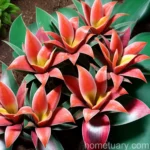
Sapphire Tower (Puya Alpestris): A Fascinating Plant for Your Garden
Plants have always been an essential part of human life. They provide us with food, oxygen, medicine, and beautify our surroundings. The Sapphire Tower (Puya Alpestris) is a unique and stunning plant that captivates the hearts of plant enthusiasts and gardeners alike. In this comprehensive guide, we will delve into the captivating world of the Sapphire Tower, exploring its characteristics, care requirements, uses, and much more.
What is the Sapphire Tower (Puya Alpestris)?
The Sapphire Tower, scientifically known as Puya Alpestris, is a striking perennial monocarpic plant native to the high-altitude regions of the Andes in Chile and Argentina. Belonging to the Bromeliaceae family, this plant is characterized by its impressive, vivid blue-green rosette, which produces towering spikes of turquoise flowers. The name “Sapphire Tower” is derived from the vibrant blue hue of its blossoms and the towering inflorescence that can reach up to 10 feet in height.
Key Takeaways – Sapphire Tower (Puya Alpestris)
Before we dive into the specifics of caring for the Sapphire Tower plant, let’s explore some key takeaways about this captivating species.
- Scientific Name: Puya Alpestris
- Family: Bromeliaceae
- Native Habitat: Andes Mountains in Chile and Argentina
- Characteristics: Vivid blue-green rosette with towering turquoise flowers
- Special Feature: Monocarpic nature, meaning the plant dies after flowering
- Uses: Ornamental plant, xeriscaping, landscaping
Now that we have an overview of the Sapphire Tower plant, let’s explore its cultivation, care, uses, and interesting facts in detail.
Cultivation
Understanding the optimal conditions for cultivating the Sapphire Tower plant is crucial for its successful growth and blossoming. From soil requirements to sunlight exposure, each aspect plays a vital role in nurturing this unique plant.
Water
As native to high-altitude regions, the Sapphire Tower has adapted to survive in arid and semi-arid climates with minimal water availability. It’s essential to mimic these natural conditions when watering the plant. Here are the key points to keep in mind regarding water requirements for the Sapphire Tower:
- Watering: Allow the soil to dry out between waterings to prevent root rot.
- Frequency: Water sparingly, especially during the winter months.
- Overwatering: Avoid overwatering, as it can lead to fungal diseases and root rot.
Sunlight
Sapphire Tower plants thrive in bright, direct sunlight. When considering its placement in your garden or home, it’s important to provide ample sunlight for optimal growth and flowering.
- Light Exposure: Place the plant in a location with at least 6-8 hours of direct sunlight daily.
- Orientation: South-facing positions are often ideal for maximizing sunlight exposure.
- Indoor Lighting: If grown indoors, position the plant near a south-facing window or under grow lights to ensure adequate light exposure.
Soil
The soil composition plays a crucial role in the overall health and growth of the Sapphire Tower plant. Well-draining soil with the right nutrients is essential for supporting the plant’s unique biological needs.
- Drainage: Ensure the soil is well-draining to prevent waterlogging.
- Composition: Use a mix of cactus or succulent potting mix with added perlite for improved drainage.
- pH Level: The ideal soil pH for Sapphire Tower plants ranges from 6.0 to 7.5.
Fertilizer
Proper fertilization can significantly enhance the growth and blooming of the Sapphire Tower. By providing essential nutrients, you can support the plant’s vitality and overall health.
- Fertilizer Type: Use a balanced, water-soluble fertilizer with a low nitrogen content.
- Application Frequency: Apply fertilizer sparingly during the growing season (spring and summer).
- Avoid Overfertilizing: Excessive fertilization can lead to salt buildup in the soil, potentially harming the plant.
Pruning
Pruning is an essential aspect of Sapphire Tower plant care, particularly for aesthetic maintenance and promoting healthy growth.
- Pruning Spent Blooms: Remove the spent blooms after flowering to redirect the plant’s energy.
- Leaf Maintenance: Trim brown or damaged leaves to maintain the plant’s visual appeal.
- Caution: Exercise care when pruning, as the plant’s leaf margins are armed with sharp, needle-like spines.
Propagation
Propagation allows you to expand your Sapphire Tower collection or share the plant’s beauty with others. Understanding the propagation methods can help you effectively propagate new plants from existing ones.
- Offsets: Propagate the Sapphire Tower by separating offsets (pups) from the parent plant.
- Division: Carefully divide clumps of the plant, ensuring each division has roots and healthy foliage.
- Seeds: While less common, the Sapphire Tower can also be grown from seeds, although this method requires patience and specific environmental conditions for germination.
Container Popularity
The captivating appearance and relatively low maintenance requirements make the Sapphire Tower a popular choice for container gardening. Whether indoors or on patios, it brings an exotic and striking presence to any container.
- Container Size: Select a container that accommodates the plant’s mature size and allows for proper root development.
- Drainage Holes: Ensure the container has adequate drainage to prevent water accumulation, which can lead to root rot.
- Aesthetics: Choose containers that complement the plant’s unique coloration, such as vibrant blue or neutral tones to accentuate the plant’s natural beauty.
Common Diseases and Pest Management
While the Sapphire Tower is relatively resilient, it is susceptible to certain diseases and pests. Being aware of these potential issues is vital for maintaining the plant’s health.
Disease Diagnosis
- Root Rot: Overwatering or poorly draining soil can lead to root rot. Symptoms include wilting, yellowing leaves, and a foul odor from the soil.
- Leaf Spot: Fungal infections can cause dark spots on the leaves. Remove affected leaves and ensure proper air circulation to prevent the spread of the disease.
Common Pests
- Aphids: These small, sap-sucking insects can target the tender growth of the Sapphire Tower. Control aphids by using a strong stream of water or insecticidal soap.
- Mealybugs: Mealybugs may appear as white, cottony masses on the plant. Remove them manually or use neem oil for control.
Botanist’s Tips
Here are some valuable tips from botanists and experienced growers to help you care for your Sapphire Tower and ensure its flourishing growth:
- Good Drainage: Ensure the plant’s growing medium provides excellent drainage to mimic its natural habitat.
- Conservative Watering: Err on the side of underwatering rather than overwatering, as the Sapphire Tower is adapted to arid conditions.
- Protection: Handle the plant with care due to its sharp spines and leaf margins.
Fun Facts
Discover some fascinating and lesser-known facts about the Sapphire Tower that add to its allure:
- Bird Pollination: In its natural habitat, the Sapphire Tower is often pollinated by hummingbirds, contributing to its ecological significance.
- Monocarpic Nature: Like many other Puya species, the Sapphire Tower is monocarpic, meaning it blooms once in its lifetime before senescing.
Links to External Resources
For further information on Sapphire Tower plant care, propagation, and more, explore the following external resources:
- Royal Horticultural Society – Puya Alpestris
- Gardening Know How – Growing Puyas
- International Union for Conservation of Nature – Puya Alpestris Conservation
- Gardenia – Puya Alpestris Care Guide
With its stunning beauty and unique characteristics, the Sapphire Tower (Puya Alpestris) stands as a conversation piece in any garden or landscape. By understanding its care requirements, propagation methods, and potential uses, you can fully appreciate the captivating allure of this extraordinary plant.
In the subsequent sections, we will delve deeper into the comprehensive care and maintenance aspects of the Sapphire Tower, providing insights into soil conditions, growth tips, flowering seasons, and much more.
Plant Name: Sapphire Tower (Puya Alpestris)
Let’s delve into the specific aspects of care and cultivation to ensure the optimal growth and blooming of the Sapphire Tower, addressing essential elements such as watering requirements, propagation methods, medicinal uses, and landscaping ideas.
Sapphire Tower Plant Care
Understanding the specific care needs of the Sapphire Tower plant is crucial for promoting its health and ensuring vibrant blooms. Below, we’ll explore the essential care aspects, including watering, sunlight requirements, fertilization, and soil conditions.
Watering Requirements
Proper watering is essential for the well-being of the Sapphire Tower, especially considering its adaptation to arid conditions.
- Moderation: Water the plant sparingly, allowing the soil to dry out between waterings.
- Seasonal Variations: Adjust watering frequency based on seasonal changes, reducing water during colder months.
- Avoid Waterlogging: Prevent water accumulation at the base of the plant, as it can lead to root rot.
Sunlight Needs
Sapphire Tower plants thrive in bright, direct sunlight, making light exposure a critical factor for their growth and blooming.
- Sun Exposure: Position the plant in a location with ample direct sunlight, preferably 6-8 hours daily.
- Indoor Care: If grown indoors, ensure the plant receives adequate sunlight near a south-facing window or under grow lights.
Fertilization Guide
Fertilizing the Sapphire Tower provides essential nutrients for its growth and flowering, contributing to the plant’s overall vitality.
- Balanced Fertilizer: Utilize a balanced, water-soluble fertilizer with lower nitrogen content to support healthy growth.
- Application Timing: Apply fertilizer sparingly during the active growth periods (spring and summer) for optimal results.
Ideal Soil Conditions
Choosing the right soil composition is crucial for the Sapphire Tower’s health and development, emphasizing proper drainage and nutrient availability.
- Drainage: Select well-draining soil to prevent waterlogging and potential root issues.
- pH Range: Aim for a slightly acidic to neutral pH range (6.0-7.5) for optimal nutrient uptake.
Puya Alpestris Growth Tips
Maximizing the growth potential of the Sapphire Tower involves implementing specific tips and techniques tailored to its unique biological needs.
- Adequate Drainage: Emphasize the importance of excellent drainage to mimic the plant’s native environment.
- Conservative Watering: Prioritize careful watering to prevent overhydration, particularly during colder periods.
- Protection: Handle the plant with caution due to its sharp spines and leaf margins.
Best Conditions for Sapphire Tower Plant
The ideal conditions for the Sapphire Tower encompass a blend of optimal light exposure, balanced watering, and substrate suitability.
- Sunlight: Provide ample direct sunlight, mimicking the plant’s natural habitat in the high-altitude Andean regions.
- Moderate Watering: Strike a balance between providing sufficient moisture and avoiding waterlogging.
- Well-Draining Soil: Select a well-draining substrate to prevent water accumulation around the plant’s roots.
Puya Alpestris Watering Requirements
Understanding the specific watering needs of the Sapphire Tower is essential for preventing water-related issues and supporting its resilience.
- Moderation: Water sparingly, allowing the soil to dry out before the next watering. Aim for a balance between hydration and soil dryness.
- Adaptation to Arid Climates: Acknowledge the plant’s natural adaptation to arid conditions, framing your watering routine accordingly.
How to Propagate Sapphire Tower (Puya Alpestris)
Propagation methods open opportunities for expanding your collection of Sapphire Tower plants and sharing their beauty with others.
Offset Propagation
- Identifying Offsets: Look for smaller, offshoot plants growing adjacent to the parent Sapphire Tower.
- Separation Technique: Gently separate the offsets from the parent plant, ensuring they have developed roots and adequate foliage for independent growth.
Division Method
- Clump Division: Carefully divide clumps of the plant, ensuring each division retains a portion of the root system and healthy foliage.
- Planting New Divisions: Replant the divided sections in suitable growing medium and provide appropriate care for acclimation.
Seed Propagation
- Seed Collection: Gather seeds from the Sapphire Tower plant, usually obtained after the flowering and seed maturation period.
- Germination Conditions: Provide specific environmental conditions, including warmth and moisture, to support successful germination and seedling growth.
Sapphire Tower Plant Benefits
In addition to its captivating appearance, the Sapphire Tower offers several potential benefits for the garden and beyond.
- Landscaping Beauty: Enhance garden landscapes with the striking presence of the Sapphire Tower, adding visual interest and vibrant coloration.
- Xeriscaping: As a drought-tolerant plant, the Sapphire Tower contributes to water-efficient landscaping and xeriscaping approaches.
Tips for Planting Puya Alpestris
When planting the Sapphire Tower, several tips can optimize the establishment and growth of the plant in various settings.
- Proper Drainage: Ensure the planting site or container provides adequate drainage to prevent water accumulation around the roots.
- Sun Exposure: Select a location with ample direct sunlight to support the plant’s growth and blooming potential.
Common Pests and Diseases of Sapphire Tower Plant
Understanding potential pests and diseases that can affect the Sapphire Tower is crucial for timely intervention and effective management.
Common Pests
- Aphids: Monitor for aphid infestations, controlling them through physical removal or targeted insecticidal treatments.
- Mealybugs: Address mealybug colonies promptly, utilizing methods such as manual removal or neem oil applications.
Disease Vulnerability
- Root Rot: Mitigate the risk of root rot by implementing conservative watering practices and ensuring well-draining soil.
- Leaf Spot: Manage fungal leaf spot by removing affected foliage and promoting improved air circulation around the plant.
Puya Alpestris Indoor Gardening
While commonly grown outdoors, the Sapphire Tower can thrive as an indoor specimen under the right conditions.
- Light Considerations: Ensure the plant receives significant sunlight exposure indoors, positioning it near a south-facing window or utilizing supplemental grow lights.
- Potting Medium: Use well-draining potting mix suitable for cacti and succulents to provide optimal substrate conditions.
Sapphire Tower Plant Characteristics
The distinctive characteristics of the Sapphire Tower contribute to its allure and desirability as an ornamental plant.
- Rosette Form: The plant forms a striking rosette with vibrant blue-green foliage, serving as a focal point in any garden or landscape.
- Tower of Turquoise Flowers: The towering inflorescence of the Sapphire Tower showcases breathtaking turquoise blossoms, adding a captivating vertical element to the garden.
Puya Alpestris Natural Habitat
Exploring the plant’s natural habitat sheds light on its adaptations and ecological significance in the Andean regions.
- Andean Adaptations: The Sapphire Tower has evolved to thrive in the challenging conditions of the high-altitude Andes, emphasizing its drought tolerance and resilience.
Ideal Soil Conditions for Sapphire Tower Plant
Choosing the right soil composition is crucial for supporting the Sapphire Tower’s health and vigorous growth.
- Drainage Requirements: Prioritize well-draining soil to prevent waterlogging and potential root issues.
- Nutrient Availability: Select a substrate with balanced nutrient availability, promoting the plant’s vitality and blooming potential.
Puya Alpestris Sunlight Needs
Appropriate sunlight exposure is key to the Sapphire Tower’s thriving growth and blooming behavior.
- Sunlight Requirement: Position the plant in a location with ample direct sunlight, mimicking its natural habitat in the high-altitude Andes.
- Indoor Considerations: When grown indoors, ensure the plant receives sufficient light near a south-facing window or under supplemental grow lights.
How to Repot Puya Alpestris
Repotting the Sapphire Tower allows for improved root development and continued growth, provided it is conducted with care and consideration for the plant’s needs.
- Potting Timing: Repot the plant during the active growing season, typically in spring, to minimize stress and promote acclimation.
- Suitable Containers: Select pots with adequate drainage and space for the plant’s root system, facilitating healthy growth.
Sapphire Tower Plant Pruning Techniques
Pruning the Sapphire Tower aids in maintaining its visual appeal and promoting healthy growth.
- Spent Bloom Removal: Trim spent blooms to redirect the plant’s energy and encourage future flowering.
- Leaf Maintenance: Remove brown or damaged leaves to enhance the plant’s aesthetic appearance.
Puya Alpestris Companion Plants
Considering suitable companion plants can enhance the visual impact and overall garden dynamics when paired with the Sapphire Tower.
- Xeriscape Companions: Select drought-tolerant companion plants to complement the Sapphire Tower’s resilience and water-efficient landscaping attributes.
- Color Coordination: Choose companion plants that accentuate the Sapphire Tower’s vibrant blue-green foliage and turquoise blossoms.
Sapphire Tower Plant Varieties
While Puya Alpestris is the primary species, exploring potential varieties and cultivars can offer additional diversity for your garden or landscape.
- Cultivar Exploration: Investigate potential cultivars and variations within the Puya Alpestris species to expand your collection and explore unique characteristics.
Puya Alpestris Container Gardening
Harnessing the Sapphire Tower’s suitability for container gardening opens opportunities for growing this exceptional plant in a variety of settings.
- Container Selection: Choose containers that accommodate the plant’s mature size and root development, ensuring adequate space for growth.
- Aesthetic Considerations: Opt for containers that complement the Sapphire Tower’s distinctive coloration, enhancing its visual impact.
Common Problems with Sapphire Tower Plant
Recognizing potential issues and challenges allows for proactive management and successful care of the Sapphire Tower.
- Water-Related Issues: Mitigate the risk of overwatering and waterlogging, both of which can harm the plant’s health and vitality.
- Pest Vigilance: Monitor for common pests such as aphids and mealybugs, addressing infestations promptly for optimal plant health.
Puya Alpestris Landscaping Ideas
Incorporating the Sapphire Tower into your landscaping offers opportunities for creating visually captivating and environmentally conscious garden designs.
- Vertical Elements: Utilize the Sapphire Tower’s towering inflorescence as a vertical focal point in garden landscapes, adding height and visual interest.
- Water-Efficient Gardens: Integrate the Sapphire Tower into xeriscape designs, promoting water-efficient landscaping and drought-tolerant plant groupings.
Sapphire Tower Plant Medicinal Uses
Exploring potential medicinal applications of the Sapphire Tower sheds light on its cultural and historical significance in traditional medicine.
- Ethnobotanical History: Investigate historical uses of the Sapphire Tower in traditional medicine, acknowledging its cultural and medicinal importance.