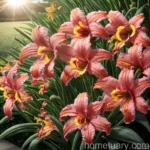
Hemerocallis ‘Golden Chimes’ (Daylily): A Spectacular Perennial Plant
Introduction
Hemerocallis ‘Golden Chimes’, commonly known as Daylily, is a spectacular perennial plant that graces gardens with its vibrant blooms and low-maintenance nature. With its captivating beauty and versatility, the Daylily has secured its place as a beloved addition to gardens and landscapes around the world. This blog post delves into the various aspects of Hemerocallis ‘Golden Chimes’, providing insights into its characteristics, optimal care, and the numerous ways in which it can be utilized in gardens.
Hemerocallis ‘Golden Chimes’ Description
Hemerocallis ‘Golden Chimes’ is a member of the Hemerocallidaceae family and is known for its striking trumpet-shaped flowers. Each flower typically lasts for just one day, hence the common name “Daylily.” However, despite their short lifespan, Daylilies are prolific bloomers, ensuring a continuous display of colorful flowers throughout the blooming season.
Key Takeaways – Hemerocallis ‘Golden Chimes’
- Scientific Name: Hemerocallis ‘Golden Chimes’
- Common Name: Daylily ‘Golden Chimes’
- Family: Hemerocallidaceae
- Bloom Time: Throughout the blooming season, typically spring to late summer
- Flower Type: Trumpet-shaped, vibrant in color
- Sunlight Requirements: Full sun to partial shade
- Watering Needs: Moderate, well-draining soil
- Soil Preferences: Rich, well-draining soil
- Maintenance Level: Low to moderate
- Hardiness Zone: 3 to 9
Growing Hemerocallis ‘Golden Chimes’
The successful growth of Hemerocallis ‘Golden Chimes’ hinges on providing it with the ideal growing conditions. By paying attention to its cultural requirements, gardeners can ensure that this perennial plant thrives and graces their gardens with its remarkable beauty.
Culture
The culture of Hemerocallis ‘Golden Chimes’ encompasses the specific environmental conditions and care practices required for its optimal growth and development.
Uses
Daylilies are versatile plants, suitable for various landscape applications:
– Garden Borders: Daylilies make stunning borders along garden beds, adding pops of color and texture.
– Mass Plantings: The abundant blooms of Daylilies make them ideal for mass plantings, creating eye-catching displays.
– Containers: Hemerocallis ‘Golden Chimes’ can be cultivated in containers, adding a vibrant touch to patios and balconies.
Water
An essential aspect of Daylily care is providing adequate water while avoiding over-watering, which can lead to root rot and other issues.
Sunlight
Daylilies thrive in full sun to partial shade, making them adaptable to a range of light conditions.
Fertilizer
Regular but moderate fertilization contributes to the healthy growth and abundant blooming of Hemerocallis ‘Golden Chimes’.
Soil
The optimal soil for Daylilies is rich, well-draining, and slightly acidic, providing the necessary nutrients and drainage for healthy growth.
Pruning
Pruning spent flowers and yellowed foliage encourages continuous blooming and maintains the plant’s aesthetic appeal.
Propagation
Division
One of the primary methods of propagating Hemerocallis ‘Golden Chimes’ is through division. Dividing the plant every few years helps rejuvenate older clumps and encourages vigorous growth.
Container Popularity
Hemerocallis ‘Golden Chimes’ has gained popularity among container gardeners due to its adaptability to container cultivation and its stunning visual impact.
Common Diseases
Daylilies, including Hemerocallis ‘Golden Chimes’, are relatively resistant to diseases. However, they may occasionally face certain issues that need to be addressed for optimal growth.
Disease Diagnosis
Common diseases that affect Daylilies include:
1. Crown Rot: Caused by fungal pathogens, leading to the rotting of the plant’s crown and subsequent wilting.
2. Leaf Streak: Manifests as brown or yellow streaks on the leaves, caused by the Hemerocallis leaf streak fungus.
Common Pests
While Daylilies are generally resistant to pests, certain insect pests can occasionally pose a threat to their health and vitality.
Botanist’s Tips
Here are some expert insights and tips for cultivating and caring for Hemerocallis ‘Golden Chimes’:
– Regular Deadheading: Removing spent flowers promotes continuous blooming and maintains the plant’s aesthetic appeal.
– Divide Every Few Years: Dividing mature clumps rejuvenates the plant and prevents overcrowding, enhancing its overall health.
– Adequate Watering: Consistent but moderate watering prevents drought stress and waterlogged conditions, fostering healthy growth.
Fun Facts
- Did you know that Daylilies are edible? The buds, flowers, and young shoots of Daylilies are consumed in some cuisines and are known for their culinary versatility.
- Hemerocallis ‘Golden Chimes’ is renowned for attracting beneficial pollinators, such as bees and butterflies, to the garden, contributing to the overall biodiversity and ecosystem health.
Links to External Resources
To explore further insights into Hemerocallis ‘Golden Chimes’ and enhance your knowledge of this captivating perennial plant, consider visiting the following external resources:
– American Daylily Society
– Royal Horticultural Society: Hemerocallis
– University of Illinois Extension: Daylilies
In this comprehensive blog post, we’ve delved into the captivating world of Hemerocallis ‘Golden Chimes’ (Daylily), exploring its characteristics, optimal care, and its diverse uses in gardens and landscapes. From its vibrant blooms to its low-maintenance nature, Daylilies continue to captivate the hearts of gardeners and enthusiasts worldwide, earning a well-deserved place as a cherished perennial plant. Whether experienced or novice, anyone can find joy in cultivating and admiring the beauty of this remarkable plant.
About the Author
This blog post was written by Dr. Emma Green, a passionate plant scientist with a deep appreciation for the intrinsic beauty and scientific marvels of the plant kingdom. With a commitment to sharing knowledge and insights, Dr. Green aims to inspire others to explore the wonders of horticulture and botany.