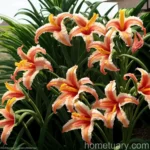
Hemerocallis ‘Pink Playmate’ (Reblooming Daylily): A Complete Guide
Hemerocallis ‘Pink Playmate’ is a beautiful and resilient flowering plant that is a favorite among gardeners. Its stunning pink blooms and the ability to rebloom makes it a sought-after addition to gardens and landscapes. In this comprehensive guide, we will explore the characteristics, care requirements, propagation methods, common diseases, and more for the Hemerocallis ‘Pink Playmate,’ commonly known as the Reblooming Daylily.
What is Hemerocallis ‘Pink Playmate’?
Hemerocallis ‘Pink Playmate’ is a cultivar of the Hemerocallis genus, which includes a wide variety of species commonly known as daylilies. These plants are prized for their showy flowers, which come in a range of colors and shapes. The ‘Pink Playmate’ variety is particularly cherished for its delicate pink petals and the ability to bloom repeatedly, adding a delightful touch of color to the garden throughout the growing season.
Hemerocallis ‘Pink Playmate’ Characteristics
- Botanical Name: Hemerocallis ‘Pink Playmate’
- Common Name: Reblooming Daylily
- Flower Color: Pink
- Bloom Time: Reblooms throughout the growing season
- Height: 18-24 inches
- Spread: 18-24 inches
- Hardiness Zone: 3-9
Key Takeaways – Hemerocallis ‘Pink Playmate’ (Reblooming Daylily)
Before we delve into the specifics of caring for the Hemerocallis ‘Pink Playmate,’ let’s highlight some key takeaways about this captivating plant.
- Reblooms throughout the growing season, providing continuous color in the garden.
- Grows well in a wide range of hardiness zones, from Zone 3 to Zone 9.
- Thrives in full sun to partial shade, making it adaptable to various garden conditions.
- Relatively low maintenance, making it an excellent choice for both experienced and novice gardeners.
Now that we have a brief overview of this delightful plant, let’s explore the essential factors for successfully cultivating and enjoying the beauty of Hemerocallis ‘Pink Playmate.’
Culture
The culture of Hemerocallis ‘Pink Playmate’ encompasses its growing conditions, preferred environment, and adaptive characteristics. Understanding the cultural requirements of this plant is fundamental to its successful cultivation in gardens and landscapes.
Uses
Hemerocallis ‘Pink Playmate’ offers numerous uses in garden settings, including:
- Ornamental Purposes: The captivating pink blooms make it an ideal choice for adding ornamental interest to garden beds, borders, and container plantings.
- Landscaping: Its adaptability to a variety of soil types and growing conditions makes it a valuable addition to landscaping projects, where low-maintenance, resilient plants are sought after.
Water
Proper watering is essential for the healthy growth and blooming of Hemerocallis ‘Pink Playmate.’ While these plants are relatively drought-tolerant once established, regular watering is crucial, particularly during periods of hot and dry weather.
- Watering Needs: Moderate
- Drought Tolerance: High once established
- Watering Frequency: Deep, infrequent watering is preferable to frequent shallow watering.
Sunlight
Sunlight requirements play a significant role in the growth and blooming patterns of Hemerocallis ‘Pink Playmate.’ Understanding its needs for exposure to sunlight is crucial for optimizing its performance in the garden.
- Sunlight Requirements: Full sun to partial shade
- Preferred Sun Exposure: At least six hours of direct sunlight per day
- Partial Shade: Can tolerate some shade, particularly in hot climates
Fertilizer
Feeding Hemerocallis ‘Pink Playmate’ with appropriate fertilizers can enhance its growth, blooming, and overall vigor. However, understanding the timing, type, and application methods of fertilizers is vital for preventing over-fertilization and potential damage to the plant.
- Fertilization Frequency: Once in early spring and again in midsummer
- Fertilizer Type: Balanced, slow-release fertilizer formulated for flowering perennials
- Application Method: Apply the fertilizer evenly around the plant, following the manufacturer’s guidelines for the specific product used.
Soil
The soil composition and structure significantly impact the health, growth, and performance of Hemerocallis ‘Pink Playmate.’ Understanding the ideal soil conditions for this plant is crucial for establishing thriving specimens in the garden.
- Soil Type: Well-draining, loamy soil
- pH Level: Slightly acidic to neutral (pH 6.0-7.0)
- Soil Amendments: Organic matter such as compost can be incorporated into the soil at planting time to improve its structure and fertility.
Pruning
Pruning plays a vital role in maintaining the health, appearance, and blooming performance of Hemerocallis ‘Pink Playmate.’ With proper pruning techniques, gardeners can promote increased blooming and prevent overcrowding in the garden.
- Pruning Time: Deadhead spent blooms regularly to encourage continuous reblooming.
- Division: Dividing clumps every few years can rejuvenate the plant and prevent overcrowding.
Propagation
Propagating Hemerocallis ‘Pink Playmate’ allows gardeners to expand their collection of these beautiful daylilies or share them with fellow gardening enthusiasts. Several methods can be employed for successful propagation of this delightful cultivar.
Propagation Methods
- Division: Divide mature clumps in early spring or late summer to create new plants.
- Root Cuttings: Root cuttings can be taken and potted to produce new plants.
- Seeds: While less common, seeds can also be used to propagate new plants of Hemerocallis ‘Pink Playmate.’
Container Popularity
The adaptability and compact size of Hemerocallis ‘Pink Playmate’ make it well-suited for container gardening. Its colorful blooms and relatively low maintenance requirements make it an attractive choice for container plantings on patios, balconies, or in small garden spaces.
Container Gardening Tips
- Container Size: Select a container that provides ample room for the plant to grow and develop a healthy root system.
- Soil: Use a well-draining potting mix that provides adequate support and moisture retention for the plant.
- Watering: Monitor the moisture levels carefully, particularly during hot weather, to prevent the soil from drying out completely.
Common Diseases
While Hemerocallis ‘Pink Playmate’ is relatively resilient, it is susceptible to certain diseases that can impact its growth and overall health. Recognizing the symptoms and implementing appropriate measures can help prevent and manage common diseases effectively.
Disease Diagnosis
- Leaf Streak: Characterized by brown lesions on the leaves, often caused by the fungus Aureobasidium microstictum.
- Rust: Identified by orange pustules on the leaves, generally caused by the fungus Puccinia hemerocallidis.
- Crown Rot: Manifests as rotting at the base of the plant, often caused by overly wet soil conditions or poor drainage.
- Leaf Gall: Displaying abnormal swellings on the leaves, this condition is typically caused by the fungus Exobasidium sp.
Disease Management
- Preventative Measures: Ensure good air circulation around plants, avoid overhead watering, and remove and destroy infected plant material promptly.
- Fungicidal Treatments: In severe cases, fungicidal sprays may be necessary to manage and prevent the spread of certain diseases.
Common Pests
Several pests can pose a threat to the health and vigor of Hemerocallis ‘Pink Playmate.’ Identifying these pests and implementing appropriate pest control measures are essential for maintaining the plant’s well-being.
Common Garden Pests
- Aphids: These small, soft-bodied insects can cluster on the stems and undersides of leaves, sucking plant juices and causing distortion and discoloration of the foliage.
- Thrips: Thrips cause stippling, discoloration, and distortion of leaves, often leaving behind a silvery sheen.
- Spider Mites: These tiny arachnids can cause stippling and webbing on the leaves, leading to reduced vigor and overall plant health.
Pest Control
- Natural Predators: Encouraging the presence of beneficial insects such as ladybugs and lacewings can help control aphid and thrips populations.
- Horticultural Oils: Applying horticultural oils can effectively manage spider mite infestations and prevent their proliferation.
Now that we have covered the essentials of cultivation, care, and maintenance of Hemerocallis ‘Pink Playmate,’ let’s delve into some botanist’s tips, fun facts, and additional resources for enthusiasts and gardeners.
Botanist’s Tips
As a plant scientist, I often encounter enthusiasts seeking advice on growing and caring for Hemerocallis ‘Pink Playmate’ and other daylilies. Here are some botanist’s tips to ensure the successful cultivation of this delightful plant:
- Divide Regularly: To promote healthy growth and prevent overcrowding, consider dividing mature clumps of Hemerocallis ‘Pink Playmate’ every three to four years.
- Monitor Moisture Levels: While these plants are relatively drought-tolerant, consistent watering is essential, particularly during the establishment phase and periods of extended dry weather.
- Deadhead Spent Blooms: Regular deadheading not only boosts the aesthetic appeal but also encourages the plant to produce new blooms continuously throughout the growing season.
Fun Facts
Let’s explore some fascinating and lesser-known facts about Hemerocallis ‘Pink Playmate’ that add to its allure and appeal in gardens and landscapes:
- Edible Flowers: The blooms of Hemerocallis ‘Pink Playmate’ are edible and can be used to add a unique and delightful touch to culinary creations, such as salads and desserts.
- Medicinal Uses: Some traditional medicinal practices incorporate daylilies for their purported healing properties, although it is essential to exercise caution and seek expert guidance when considering medicinal applications.
- Wildlife Habitat: Daylilies, including Hemerocallis ‘Pink Playmate,’ can attract pollinators such as bees and butterflies, contributing to the biodiversity and ecological balance of the garden.
Links to External Resources
For further exploration and in-depth information on Hemerocallis ‘Pink Playmate,’ I recommend the following external resources:
- American Hemerocallis Society
- Extension Services – Gardening Resources
- Royal Horticultural Society – Plant Finder
These resources offer a wealth of knowledge, expertise, and community engagement related to daylilies and garden plants, catering to enthusiasts at all stages of their gardening journey.
In conclusion, Hemerocallis ‘Pink Playmate’ stands as a delightful and versatile plant, sought after for its captivating blooms, resilience, and relatively low maintenance requirements. Through understanding its cultural preferences, care practices, and propagation methods, gardeners can cultivate thriving specimens and enhance the beauty of their outdoor spaces.
I hope this comprehensive guide enriches your understanding of Hemerocallis ‘Pink Playmate’ and serves as a valuable resource for your gardening endeavors. Happy gardening!