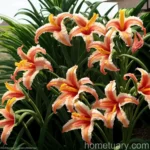
Hemerocallis ‘Fairy Tale Pink’ (Reblooming Daylily): A Comprehensive Guide
Hemerocallis ‘Fairy Tale Pink’ is a delightful reblooming daylily variety that garners attention and admiration for its stunning pink-hued blooms and robust growth habits. This beloved cultivar belongs to the Hemerocallis family and is cherished by gardening enthusiasts worldwide. In this extensive guide, we will delve into the various aspects of this enchanting plant, encompassing its culture, uses, care requirements, common diseases and pests, propagation techniques, and much more. Whether you are a seasoned horticulturist or a novice gardener, this comprehensive manual will equip you with the knowledge to nurture and appreciate the beauty of Hemerocallis ‘Fairy Tale Pink’.
What is Hemerocallis ‘Fairy Tale Pink’?
Hemerocallis ‘Fairy Tale Pink’ is a mesmerizing reblooming daylily cultivar cherished for its exquisite pink flowers. This perennial plant belongs to the Hemerocallis genus, which consists of numerous species, hybrids, and cultivars. The term “Hemerocallis” is derived from Greek origins, with “hemera” translating to “day” and “kalos” to “beautiful”. Aptly named, daylilies are celebrated for their ephemeral but enchanting blooms that typically last for a day before being succeeded by new, glorious flowers. Nevertheless, the “reblooming” attribute of Hemerocallis ‘Fairy Tale Pink’ sets it apart, as it showcases the remarkable ability to produce multiple blooming cycles in a single growing season.
Key Takeaways – Hemerocallis ‘Fairy Tale Pink’ (Reblooming Daylily)
- Plant Name: Hemerocallis ‘Fairy Tale Pink’ (Reblooming Daylily)
- Common Names: Fairy Tale Pink daylily, Pink reblooming daylily
- Botanical Family: Hemerocallidaceae
- Hardiness Zones: 3 to 9
- Mature Height: Approximately 18 to 24 inches
- Mature Spread: 18 to 24 inches
- Bloom Time: Early summer to fall
- Exposure: Full sun to partial shade
- Water Needs: Moderate
- Soil Type: Well-draining, fertile soil
- Maintenance: Low to moderate
- Special Features: Reblooming capability, enchanting pink flowers
- Uses: Borders, containers, mass plantings, and cut flowers
Culture
Uses
The captivating allure of Hemerocallis ‘Fairy Tale Pink’ makes it a versatile addition to various landscaping and gardening endeavors. Its primary uses include:
- Borders: Enhance the visual appeal of garden borders, pathways, and flower beds by incorporating the charming blooms of Hemerocallis ‘Fairy Tale Pink’.
- Containers: Elevate container gardens with the enchanting presence of this reblooming daylily, infusing vibrant hues and texture into outdoor spaces.
- Mass Plantings: Create breathtaking mass plantings or drifts of Hemerocallis ‘Fairy Tale Pink’, amplifying the impact of its mesmerizing pink flowers.
- Cut Flowers: Harvest the alluring blooms for floral arrangements, infusing indoor spaces with the beauty of this reblooming daylily.
Water
Proper watering is essential in fostering the optimal growth and blooming of Hemerocallis ‘Fairy Tale Pink’. Consider the following watering guidelines:
- Established Plants: Once the plant is established, provide approximately 1 inch of water per week, either through rainfall or supplemental irrigation.
- Consistent Moisture: Ensure that the soil remains consistently moist but not waterlogged during the active growing season, especially during prolonged periods of drought.
- Avoid Overhead Watering: To prevent foliar diseases, aim to water the plant at the base, avoiding wetting the foliage excessively.
Sunlight
The sunlight requirements of Hemerocallis ‘Fairy Tale Pink’ are pivotal in fostering its robust growth and blooming prowess:
- Optimal Sun Exposure: Plant the reblooming daylily in a location that receives full sun to partial shade, ideally providing at least 6 hours of direct sunlight per day for the best flowering performance.
- Shade Tolerance: While the plant prefers ample sunlight, it can tolerate partial shade, especially in regions with intense afternoon sun or during periods of extreme heat.
Fertilizer
Applying the appropriate fertilization regimen can bolster the health, vigor, and blooming capacity of Hemerocallis ‘Fairy Tale Pink’:
- Balanced Fertilizer: Prior to the growing season, utilize a balanced, slow-release fertilizer with an N-P-K ratio of 10-10-10 or 5-10-5 to supply essential nutrients to the plant.
- Mid-Season Boost: In midsummer, consider applying a diluted liquid fertilizer to fuel the reblooming daylily’s growth and promote additional flowering cycles.
- Avoid Excessive Nitrogen: Refrain from overindulging the plant with high-nitrogen fertilizers, as this can stimulate excessive foliage growth at the expense of flower production.
Soil
The soil composition plays a pivotal role in the overall health, vigor, and flowering prowess of Hemerocallis ‘Fairy Tale Pink’. Consider the following soil-related considerations:
- Well-Draining Soil: Ensure that the planting site features well-draining soil to prevent waterlogging, which can lead to root rot and other moisture-related issues.
- Fertile Soil: Plant the reblooming daylily in fertile soil enriched with organic matter, which provides essential nutrients and facilitates robust growth and flowering.
- pH Level: Hemerocallis ‘Fairy Tale Pink’ thrives in slightly acidic to neutral soil, with an ideal pH range between 6.0 to 7.0. Periodic soil testing can aid in maintaining optimal pH levels.
Pruning
Pruning is a crucial aspect of maintaining the health, appearance, and blooming capacity of Hemerocallis ‘Fairy Tale Pink’:
- Spent Bloom Removal: Promptly deadhead faded blooms to encourage the continuous production of new flowers and prevent the formation of seed pods, which can divert energy away from blooming.
- Foliage Cleanup: Remove any withered or yellowing foliage to prevent the risk of fungal diseases and enhance the overall aesthetic appeal of the plant.
- Fall Cleanup: In late fall or early winter, trim back the foliage to a few inches above the ground to facilitate rejuvenated growth in the subsequent growing season.
Propagation
The propagation techniques for Hemerocallis ‘Fairy Tale Pink’ can be accomplished through various methods, including division, seed collection, and tissue culture:
- Division: Divide mature clumps of Hemerocallis ‘Fairy Tale Pink’ every 3 to 4 years, ideally in early spring or late summer, to propagate and rejuvenate the plants.
- Seed Collection: Collect seeds from the spent flower heads, ensuring proper stratification and germination conditions to cultivate new plants.
- Tissue Culture: Propagate the plant through tissue culture techniques, often employed in commercial settings to mass-produce genetically identical specimens.
Container Popularity
Hemerocallis ‘Fairy Tale Pink’ transcends its popularity beyond traditional garden settings, earning acclaim for its container-friendly attributes:
- Compact Growth Habit: The moderate size of Hemerocallis ‘Fairy Tale Pink’ makes it well-suited for container cultivation, adorning patios, balconies, and outdoor living spaces with its enchanting blooms.
- Versatile Aesthetic: The vibrant pink flowers and graceful foliage of the reblooming daylily add allure and elegance to container gardens, creating captivating focal points.
- Seasonal Display: Containers offer the flexibility to showcase Hemerocallis ‘Fairy Tale Pink’ in different areas throughout the growing season, adding dynamic visual interest to outdoor environments.
Common Diseases
Despite its resilient nature, Hemerocallis ‘Fairy Tale Pink’ is susceptible to certain diseases, necessitating vigilance and preemptive measures to mitigate potential risks:
- Leaf Streak: Characterized by elongated brown lesions on the foliage, leaf streak is often caused by the fungus “Aureobasidium microstictum”. Implementing proper sanitation and ensuring adequate air circulation can aid in disease prevention.
- Crown Rot: Excessive soil moisture and poor drainage can contribute to crown rot, resulting in the wilting and decline of the entire plant. To mitigate the risk of crown rot, ensure well-draining soil and avoid overwatering.
- Leaf Rust: The development of orange to rusty brown spots on the foliage signifies the presence of leaf rust, which can be controlled through the removal of affected foliage and the application of fungicidal sprays.
Disease Diagnosis
Identifying and diagnosing potential diseases affecting Hemerocallis ‘Fairy Tale Pink’ is imperative for implementing targeted management strategies:
- Visual Inspection: Regularly inspect the plant for any signs of abnormal discoloration, lesion formation, or wilting, which can indicate the presence of specific diseases.
- Consulting Experts: In instances of uncertain disease diagnosis, seek guidance from local horticultural extension services, plant pathologists, or knowledgeable professionals with expertise in plant health.
- Laboratory Analysis: Utilize diagnostic laboratory services to identify and confirm the presence of pathogens or diseases, facilitating precision in treatment and management approaches.
Common Pests
Several common pests pose potential threats to the health and vitality of Hemerocallis ‘Fairy Tale Pink’, warranting vigilant monitoring and proactive pest management techniques:
- Aphids: These small, sap-sucking insects can cluster on the foliage and flower buds, leading to distorted growth and the transmission of viral diseases. Natural predators, insecticidal soaps, and horticultural oils can be employed for control.
- Thrips: Thrips can cause stippling, discoloration, and deformation of the flowers and foliage. Utilize insecticidal sprays or predatory beneficial insects as a means of thrips control.
- Spider Mites: Spider mites thrive in hot, dry conditions, often inflicting damage by causing stippling and the webbing of foliage. Regularly misting the plants, predatory mites, and insecticidal soaps can aid in managing spider mite infestations.
Botanist’s Tips
- Companion Planting: Pair Hemerocallis ‘Fairy Tale Pink’ with complementary companion plants such as Artemisia, Salvia, and Echinacea to create visually captivating garden compositions.
- Mulching: Apply a layer of organic mulch around the base of the plant to conserve soil moisture, suppress weed growth, and insulate the roots during fluctuating temperature conditions.
- Rejuvenation: Practice rejuvenation pruning on aging or overgrown clumps of Hemerocallis ‘Fairy Tale Pink’ to stimulate renewed growth and improve blooming performance.
Fun Facts
- The mesmerizing pink blooms of Hemerocallis ‘Fairy Tale Pink’ are adored by pollinators such as bees and butterflies, contributing to the ecological vibrancy of the garden.
- Daylilies, including Hemerocallis ‘Fairy Tale Pink’, are edible, with the flower buds and blossoms being utilized in culinary endeavors for their mild, slightly sweet flavor.
Links to External Resources
For further information and resources related to Hemerocallis ‘Fairy Tale Pink’ (Reblooming Daylily), explore the following links:
- American Hemerocallis Society
- Gardening Know How – Daylilies
- Missouri Botanical Garden – Hemerocallis spp.
In conclusion, Hemerocallis ‘Fairy Tale Pink’ stands as an enchanting and resilient addition to gardens, landscapes, and container displays, captivating enthusiasts with its captivating pink blooms and reblooming nature. By adhering to the insights and guidelines presented in this comprehensive guide, you can foster the thriving growth and enduring beauty of this beloved daylily cultivar, enriching outdoor spaces and indulging in its myriad charms.