Hemerocallis ‘Frans Hals’ (Daylily): A Plant Scientist’s Guide
Hemerocallis ‘Frans Hals,’ commonly known as Daylily, is a stunning perennial plant that captures the attention of gardeners and enthusiasts with its vibrant and showy flowers. As a plant scientist, exploring the intricacies of this remarkable plant is an exciting journey. In this comprehensive guide, we will delve into the various aspects of Hemerocallis ‘Frans Hals,’ from its cultural requirements to its uses, diseases, and fun facts.
What is Plant Hemerocallis ‘Frans Hals’ (Daylily)?
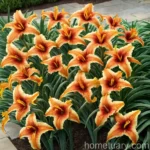
The Hemerocallis genus, which includes Daylilies, comprises over 80,000 cultivars, making it one of the most diverse and popular perennial plants in the horticultural world. Hemerocallis ‘Frans Hals’ specifically is valued for its striking bi-colored flowers, which exhibit hues of warm orange and deep reddish-purple, creating an eye-catching display in gardens and landscapes.
Key Takeaways – Hemerocallis ‘Frans Hals’ (Daylily)
Culture
- Scientific Name: Hemerocallis ‘Frans Hals’
- Common Name: Daylily
- Genus: Hemerocallis
- Family: Asphodelaceae
- Origin: Hybrid plant, cultivated for ornamental purposes
Uses
- Ornamental: Primarily grown for its attractive and showy flowers.
- Landscaping: Ideal for borders, mass plantings, and mixed perennial beds.
- Cut Flowers: The vibrant blooms make stunning cut flower arrangements.
- Environmental Benefit: Attracts pollinators like bees and butterflies.
Water
- Watering Frequency: Regular watering, especially during dry spells.
- Soil Moisture: Well-draining soil is essential to prevent waterlogging and root rot.
Sunlight
- Light Requirements: Prefers full sun to part shade.
- Optimal Exposure: A minimum of 6 hours of direct sunlight per day.
Fertilizer
- Feeding Schedule: Fertilize in spring with a balanced, slow-release fertilizer.
- Nutrient Needs: Requires moderate levels of nitrogen and phosphorus for healthy foliage and flower production.
Soil
- Soil Type: Thrives in well-draining, loamy soil with a slightly acidic to neutral pH.
- Soil Amendments: Organic matter, such as compost, can improve soil structure and fertility.
Pruning
- Flower Stems: Deadhead spent blooms to encourage prolonged flowering.
- Foliage: Remove yellowing or damaged leaves for a neat appearance.
Propagation
- Division: Divide clumps every few years to maintain plant vigor and promote new growth.
- Seed Propagation: Viable, but cultivated varieties may not come true from seed.
Container Popularity
- Container Size: Suitable for large containers to accommodate the spreading root system.
- Garden Design: Adds color and texture to container gardens and patios.
Common Diseases
- Leaf Spot: Fungal disease causing dark spots on leaves.
- Rust: Characterized by orange or rusty-colored spots on foliage.
- Crown Rot: Occurs in waterlogged or poorly drained soil conditions.
Disease Diagnosis
- Visual Symptoms: Discoloration, spotting, and wilting of leaves.
- Soil Assessment: Check for excessive moisture and drainage issues.
Common Pests
- Aphids: Sap-sucking insects that can distort new growth.
- Thrips: Tiny insects feeding on flower buds and causing discoloration.
Botanist’s Tips
- Mulching: Apply a layer of mulch to retain soil moisture and suppress weeds.
- Support: Tall cultivars may require staking to prevent flopping.
- Dividing: Rejuvenate overcrowded clumps by dividing them in early spring or late summer.
- Integrated Pest Management: Monitor for pests and diseases, and use organic methods for control when possible.
Fun Facts
- The genus name “Hemerocallis” is derived from the Greek words for “beauty” and “day,” referring to the individual flowers that last for only one day.
- Hemerocallis ‘Frans Hals’ is named after the Dutch painter Frans Hals, known for his striking use of color contrasts, which mirrors the vibrant hues of the Daylily’s blooms.
- Daylilies are not true lilies and belong to the family Asphodelaceae, distinct from the genus Lilium.
As we unravel the captivating world of Hemerocallis ‘Frans Hals,’ we are met with a wealth of information and insights that enrich our understanding of this extraordinary plant. In the subsequent sections, we will delve deeper into the nuances of its care, propagation, and the intricacies that make it a beloved addition to gardens worldwide.
Continue reading the comprehensive guide in the next section.