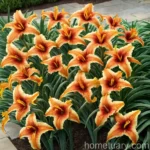
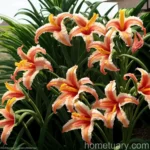
Hemerocallis ‘Pink Damask’ (Reblooming Daylily)
The Hemerocallis ‘Pink Damask’, also known as the reblooming daylily, is a stunning perennial plant that has captivated the hearts of many gardeners with its vibrant pink flowers and unique characteristics. In this comprehensive guide, we will delve into the culture, uses, care, and maintenance of this beautiful daylily. From its water and sunlight requirements to its fertilizer and pruning needs, we will explore every aspect of nurturing this charming plant. Additionally, we will discuss its propagation, common diseases, and pests, along with botanist’s tips, fun facts, and links to external resources.
Key Takeaways – Hemerocallis ‘Pink Damask’ (Reblooming Daylily)
- Plant Name: Hemerocallis ‘Pink Damask’ (Reblooming Daylily)
- Common Names: Reblooming daylily, Pink Damask daylily
- Scientific Name: Hemerocallis ‘Pink Damask’
- Family: Hemerocallidaceae
- Type: Perennial
- Bloom Time: Summer to Fall
- Sunlight: Full sun to partial shade
- Soil: Well-drained, fertile soil
- Water: Regular watering
- Height: 18-24 inches
- Spread: 18-24 inches
- USDA Hardiness Zones: 3-9
- Uses: Borders, containers, mass planting
What is Hemerocallis ‘Pink Damask’ (Reblooming Daylily)?
Hemerocallis ‘Pink Damask’, commonly referred to as the reblooming daylily, is a charming herbaceous perennial known for its exquisite, trumpet-shaped pink flowers and graceful foliage. This daylily variety is treasured by gardeners for its reliable reblooming habit, which extends the joy of its breathtaking blooms throughout the summer and fall seasons. The term “daylily” originates from the plant’s characteristic of blooming for just one day, with each stem typically producing multiple buds to ensure continuous flowering.
The ‘Pink Damask’ variety is renowned for its exceptional disease resistance, making it a low-maintenance and high-impact addition to gardens, landscapes, and containers. Its compact size, vibrant blooms, and adaptability to various growing conditions have contributed to its popularity among garden enthusiasts and landscaping professionals.

Image source: Pixabay
Culture
Uses
The Hemerocallis ‘Pink Damask’ daylily offers a multitude of uses in gardens and landscapes, owing to its striking visual appeal and versatile nature. Some common uses of this alluring perennial include:
-
Border Planting: The ‘Pink Damask’ daylily serves as an excellent choice for border plantings, where its vivid pink blooms and compact growth habit can create attractive and colorful edges in garden beds and along walkways.
-
Container Planting: Due to its manageable size and attractive flowers, this daylily variety thrives in containers, allowing individuals with limited garden space to enjoy its beauty on patios, balconies, and other outdoor areas.
-
Mass Planting: Whether used in mass plantings or as groundcover, the ‘Pink Damask’ daylily can enhance the visual impact of large garden areas, creating a sea of captivating pink blooms during its flowering season.
Water
Proper watering is essential for the health and vitality of Hemerocallis ‘Pink Damask’. While daylilies are known for their tolerance to varying moisture levels, consistent and adequate watering is crucial, especially during the active growth and blooming periods.
-
Establishment: Newly planted ‘Pink Damask’ daylilies should be thoroughly watered immediately after planting to help them settle into their new environment and encourage root establishment.
-
Regular Watering: Throughout the growing season, regular watering is recommended, particularly during hot and dry spells. Aiming to provide about 1 inch of water per week, either through rainfall or irrigation, can help maintain optimal soil moisture levels for the daylilies.
-
Deep Soaking: When watering, it is important to ensure deep penetration of water into the soil to promote healthy root development. Deep soaking encourages the roots to grow deeper into the soil, contributing to the plant’s overall resilience and drought tolerance.
-
Mulching: Applying a layer of organic mulch around the base of the ‘Pink Damask’ daylilies can help conserve soil moisture, regulate soil temperature, and suppress weed growth, ultimately reducing the frequency of watering required.
Sunlight
The sunlight requirements of Hemerocallis ‘Pink Damask’ play a vital role in its overall growth, flowering, and performance. Adequate exposure to sunlight is crucial for the development of strong and vibrant blooms, as well as the plant’s overall vigor.
-
Full Sun: The ‘Pink Damask’ daylily thrives in full sun conditions, typically defined as a minimum of 6-8 hours of direct sunlight per day. When provided with ample sunlight, the plants exhibit robust growth and profuse flowering, showcasing the full splendor of their pink blossoms.
-
Partial Shade: While these daylilies prefer full sun, they can also tolerate partial shade, especially in regions with intense afternoon sunlight or high temperatures. In such cases, providing some shade during the hottest part of the day can prevent stress and sunscald on the foliage.
-
Optimal Placement: When planning the placement of ‘Pink Damask’ daylilies in the garden or landscape, selecting a location with sufficient sunlight exposure is essential to ensure their long-term health and the best possible flowering performance.
Fertilizer
Applying suitable fertilizers at the right time and in the appropriate quantity can significantly impact the growth, blooming, and overall vigor of Hemerocallis ‘Pink Damask’ daylilies. By understanding the nutritional needs of these perennials, gardeners can effectively support their health and ensure continuous floral displays.
-
Balanced Fertilizer: A balanced, all-purpose fertilizer with a ratio such as 10-10-10 or 5-5-5 is well-suited for ‘Pink Damask’ daylilies. These fertilizers provide essential macronutrients, including nitrogen, phosphorus, and potassium, to support overall plant health and flower production.
-
Application Timing: Fertilizer can be applied to daylilies in early spring as new growth begins, and again after the first wave of flowering to encourage reblooming and replenish nutrient reserves. Avoid over-fertilizing, as excessive nutrients can lead to lush foliage at the expense of flower production.
-
Granular vs. Liquid Fertilizers: Granular fertilizers can be applied around the base of the plants and gently worked into the soil, while liquid fertilizers can be diluted and applied directly to the soil surface. Both forms of fertilizer can effectively deliver nutrients to the ‘Pink Damask’ daylilies.
-
Slow-Release Fertilizers: Slow-release fertilizers can provide a continuous, steady supply of nutrients over an extended period, reducing the frequency of applications and ensuring a more consistent and sustained feeding schedule for the daylilies.
Soil
The soil preferences of Hemerocallis ‘Pink Damask’ are an integral aspect of its successful cultivation, as they influence root development, nutrient uptake, and overall plant performance. Understanding the ideal soil conditions for these daylilies is essential for creating an environment conducive to their growth and flowering.
-
Well-Drained Soil: ‘Pink Damask’ daylilies thrive in well-drained, fertile soil that allows excess water to move away from the root zone. Poorly drained or waterlogged soils can lead to root rot and other detrimental conditions, emphasizing the importance of soil with good drainage.
-
Organic Matter: Amending the soil with organic matter, such as compost or well-rotted manure, can improve its structure, water retention, and nutrient content. Organic matter also promotes beneficial soil microorganisms and contributes to the overall health of the planting area.
-
pH Level: Daylilies generally prefer slightly acidic to neutral soil with a pH range of 6.0 to 7.0. Testing the soil pH and making adjustments, if necessary, can ensure that the ‘Pink Damask’ daylilies are growing in an environment where they can efficiently access and utilize essential nutrients.
-
Soil Composition: Loamy soils with a balanced mixture of sand, silt, and clay are well-suited for daylilies. Such soils provide adequate aeration, water retention, and nutrient availability, creating an optimal foundation for the growth and development of ‘Pink Damask’ daylilies.
Pruning
Pruning practices can have a significant impact on the appearance, flowering, and overall health of Hemerocallis ‘Pink Damask’ daylilies. Proper pruning techniques can promote tidy growth, encourage reblooming, and help manage the plants’ size within the garden or landscape.
-
Faded Blooms: As the flowers of ‘Pink Damask’ daylilies begin to fade, deadheading – the removal of spent blooms – can stimulate the production of new flower buds and extend the blooming period of the plants. Deadheading also prevents the allocation of resources to seed production and encourages the plant to focus on vegetative growth and subsequent flowering.
-
Foliage Maintenance: Removing yellowing or damaged foliage can enhance the aesthetic appeal of the daylilies and reduce the risk of diseases and pests. Trim back any unsightly or diseased leaves to maintain the overall health and vigor of the plants.
-
Division: Periodic division of established clumps of ‘Pink Damask’ daylilies can rejuvenate the plants, control their spread, and enhance flowering. Divide the clumps every few years, replanting the healthy divisions in suitable locations to ensure continued vitality and vigor.
-
Timing: Pruning and deadheading can be performed throughout the growing season as necessary, with a focus on removing spent blooms and maintaining the appearance of the plants. Regular monitoring and maintenance can help keep the ‘Pink Damask’ daylilies looking their best.
Propagation
Propagating Hemerocallis ‘Pink Damask’ daylilies allows gardeners to expand their plantings, share the beauty of these perennials with others, and rejuvenate older or less vigorous clumps to ensure continued vitality.
-
Division: The most common method of propagation for daylilies is division, which involves separating established clumps into smaller divisions, each with their own roots and growing points. Division is typically performed in the early spring or after the flowering season, allowing the new divisions time to establish before winter.
-
Preparation: To propagate the ‘Pink Damask’ daylilies through division, carefully lift the entire clump from the ground using a garden fork or spade. Gently shake off excess soil to expose the individual fans and their root systems.
-
Separation: Using clean and sharp gardening tools, such as a sharp knife or garden spade, divide the clump into smaller sections, ensuring that each division has multiple fans and a healthy root system. Trim back any damaged or diseased foliage to promote vigorous regrowth.
-
Replanting: Once divided, the new sections can be replanted in prepared soil, keeping the crowns at the surface and the roots spread out in the planting hole. Water the newly planted divisions thoroughly to help them establish and reduce transplant shock.
-
Care for New Divisions: After planting, provide adequate moisture and care for the new divisions to support their establishment and growth. Regular watering, monitoring for pests or diseases, and providing suitable growing conditions can help the new divisions flourish and thrive.
Container Popularity
The Hemerocallis ‘Pink Damask’ daylily’s popularity arises from its suitability for container gardening, allowing individuals with limited garden space to enjoy the beauty and charm of this reblooming perennial. Containers offer flexibility, portability, and an opportunity to create stunning focal points with these captivating daylilies.
-
Versatility: ‘Pink Damask’ daylilies are well-suited for container cultivation, where they can be grown on patios, decks, balconies, or other outdoor spaces. Their compact size and prolific flowering make them an ideal choice for adding color and interest to container gardens.
-
Aesthetic Appeal: Planted in containers, these daylilies can be showcased as standalone specimens or combined with other complementary plants to create beautiful arrangements. Their vibrant pink blooms and lush foliage captivate attention and add visual appeal to any outdoor setting.
-
Landscape Enhancement: Containers of ‘Pink Damask’ daylilies can be strategically placed throughout the landscape to accentuate specific areas, fill gaps in garden beds, or introduce color and texture to outdoor environments. Their adaptability enhances the overall landscape design and showcases their beauty in various settings.
-
Seasonal Displays: Utilizing containers allows gardeners to rotate and vary the placement of ‘Pink Damask’ daylilies as seasons change, enabling them to create dynamic and evolving displays throughout the year. Container plantings offer the flexibility to experiment with different arrangements and locations to maximize visual impact.
Common Diseases
Hemerocallis ‘Pink Damask’ daylilies are celebrated for their remarkable disease resistance and overall hardiness, yet they may encounter certain diseases under specific environmental conditions. Identifying common diseases and understanding their management is essential for preserving the health and vitality of these captivating perennials.
Disease Diagnosis
Accurately diagnosing diseases affecting ‘Pink Damask’ daylilies is fundamental to implementing effective control measures and ensuring the long-term well-being of the plants. Common diseases that may affect these daylilies include:
-
Leaf Streak: Characterized by elongated, brown lesions on the foliage, leaf streak is a fungal disease that can impact the aesthetics and vigor of ‘Pink Damask’ daylilies. It often develops in humid conditions and may spread rapidly without intervention.
-
Crown Rot: Excessive moisture and poor soil drainage can lead to crown rot, a condition where the crown and basal portions of the daylilies are infected by fungal pathogens. Crown rot can cause wilting, browning of leaves, and eventual plant decline if left unaddressed.
-
Rust: Rust is a fungal disease that manifests as small, orange spots on the foliage of ‘Pink Damask’ daylilies. If left unchecked, rust can lead to defoliation, weakened plants, and reduced flowering capacity.
-
Bacterial Soft Rot: Bacterial soft rot can affect the rhizomes and fleshy parts of ‘Pink Damask’ daylilies, causing decay, discoloration, and an unpleasant odor. Improper cultural practices and environmental stress can contribute to the development of bacterial soft rot.
To accurately diagnose diseases affecting ‘Pink Damask’ daylilies, it is advisable to consult with local agricultural extension services, horticulturists, or plant pathology experts. Samples of affected plant tissue can be submitted for laboratory analysis to identify the specific pathogens and inform targeted control strategies.
Common Pests
Although Hemerocallis ‘Pink Damask’ daylilies are generally resistant to most pests, they may occasionally encounter pest infestations that can affect their growth and appearance. Identifying common pests and implementing appropriate pest management practices is vital for preserving the health and beauty of these delightful perennials.
-
Aphids: Aphids are soft-bodied insects that can congregate on the tender new growth of ‘Pink Damask’ daylilies, sucking sap from the plant and causing curling of leaves. Aphid infestations can lead to distorted growth and a decline in plant vigor if left untreated.
-
Thrips: Thrips are tiny, slender insects that can feed on flower buds and foliage, causing stippling, discoloration, and distortion of the affected plant parts. Thrips infestations can impact the visual appeal of ‘Pink Damask’ daylilies and compromise their overall health.
-
Spider Mites: Spider mites are common pests that can infest the undersides of ‘Pink Damask’ daylily leaves, feeding on plant cells and causing stippling, yellowing, and webbing. Severe spider mite infestations can weaken the plants and reduce their vitality.
-
Slugs and Snails: Slugs and snails are voracious feeders that can damage the foliage and flowers of ‘Pink Damask’ daylilies, leaving behind irregular holes and ragged edges. These pests are often active at night and may seek shelter in the foliage during the day.
Integrated Pest Management
Implementing an integrated pest management (IPM) approach can effectively mitigate pest pressures on ‘Pink Damask’ daylilies while minimizing the reliance on chemical controls and preserving beneficial organisms.
-
Cultural Practices: Maintaining good garden hygiene, such as removing plant debris and weeds, can reduce pest habitats and populations. Additionally, promoting a balanced ecosystem with diverse plantings and beneficial insect attractants can naturally regulate pest populations.
-
Monitoring: Regularly inspecting ‘Pink Damask’ daylilies for signs of pest activity, such as distorted leaves, stippling, or visible pests, can facilitate early detection and intervention. Vigilant monitoring allows for timely responses to emerging pest issues.
-
Mechanical Control: Handpicking larger pests, such as slugs and snails, and physically removing them from the plants can be an effective control strategy. Simple barriers, such as copper tape or diatomaceous earth, can deter these pests from accessing the daylilies.
-
Biological Controls: Introducing natural enemies of pests, such as predatory insects or beneficial nematodes, can help regulate pest populations and maintain a balanced ecosystem. Encouraging natural predators and parasitoids can contribute to long-term pest control.
-
Selective Pesticide Use: When chemical controls are warranted, selecting targeted and low-impact pesticides can limit the impact on non-target organisms and minimize environmental harm. Application timing and adherence to label instructions are essential for effective and responsible pesticide use.
Botanist’s Tips
As a botanist specializing in perennials, I am delighted to share some insightful tips for nurturing Hemerocallis ‘Pink Damask’ daylilies, enabling enthusiasts to cultivate these stunning reblooming perennials with confidence and success.
Selection and Planting
-
Choose Healthy Plants: When selecting ‘Pink Damask’ daylilies for planting, opt for healthy specimens with robust foliage and well-developed roots. Vigorous plants are more likely to establish quickly and thrive in their new environment.
-
Plant at the Right Time: Spring and early fall are ideal times for planting ‘Pink Damask’ daylilies. Planting during these periods allows the roots to establish before the onset of extreme temperatures and promotes successful integration into the garden or landscape.
-
Consider Companions: When planning the placement of ‘Pink Damask’ daylilies, consider companion plants that complement their colors, textures, and growth habits. Selecting suitable companions can enhance the visual impact of the daylilies and create harmonious plant combinations.
Maintenance and Care
-
Monitor Soil Moisture: Regularly monitor soil moisture levels to ensure that ‘Pink Damask’ daylilies receive adequate water without becoming waterlogged. Consistent and appropriate watering is key to supporting healthy growth and flowering.
-
Promote Air Circulation: Encourage good air circulation around the plants