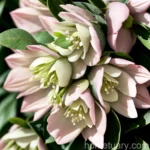
The Fascinating World of Helleborus Winter Jewels ‘Peppermint Ice’ (Hellebores)
Welcome to the wonderful world of Helleborus Winter Jewels ‘Peppermint Ice’! This stunning plant, also known as Hellebores, is a true gem in the realm of winter gardens, with its captivating blooms and unique characteristics. In this comprehensive guide, we will delve into the various facets of this magnificent plant, from its cultural requirements to its medicinal uses, and everything in between. Whether you are a seasoned gardener or a novice enthusiast, this article will equip you with the knowledge to cultivate and appreciate the beauty of Helleborus Winter Jewels ‘Peppermint Ice’ to its fullest potential.
What is Helleborus Winter Jewels ‘Peppermint Ice’ (Hellebores)?
Helleborus Winter Jewels ‘Peppermint Ice’ is a member of the Helleborus genus, encompassing a diverse array of perennial plants that are prized for their ornamental value and resilience in chilly climates. These treasured plants have gained popularity for their striking, cup-shaped flowers and evergreen foliage, making them an enchanting addition to winter gardens and landscapes.
Key Takeaways
Let’s start by highlighting some key takeaways about Helleborus Winter Jewels ‘Peppermint Ice’ (Hellebores) that will set the stage for our in-depth exploration of this exceptional plant.
- Helleborus Winter Jewels ‘Peppermint Ice’ is a striking perennial plant renowned for its winter blooms, adding a touch of elegance and vibrancy to cold-season gardens.
- This plant exhibits remarkable resilience in cold climates, making it an ideal choice for winter landscapes and gardens in areas with harsh winters.
- The Helleborus Winter Jewels series offers a captivating range of flower colors, providing options for diverse aesthetic preferences and garden designs.
- Helleborus Winter Jewels ‘Peppermint Ice’ is suitable for container gardening, allowing for versatile placement and utilization in various garden settings.
- Despite its ornamental allure, Helleborus possesses toxic properties that necessitate caution, particularly in households with pets and children.
Now that we’ve established an overview of Helleborus Winter Jewels ‘Peppermint Ice’, let’s embark on a journey to explore its cultural requirements, uses, and fascinating attributes in detail.
Culture
Water
One of the fundamental aspects of caring for Helleborus Winter Jewels ‘Peppermint Ice’ is to provide appropriate watering to maintain its health and vigor. Here are some essential points to consider regarding water requirements for Hellebores:
- Moist, Well-Drained Soil: Helleborus thrives in moist, well-drained soil, emphasizing the significance of balanced moisture levels to prevent waterlogging and root rot.
- Moderate Watering: During the growing season, it is advisable to water Helleborus regularly, allowing the soil to slightly dry out between watering sessions to avoid excessive moisture accumulation.
Sunlight
Proper sunlight exposure is crucial for the growth and blooming of Helleborus Winter Jewels ‘Peppermint Ice’. Let’s explore the sunlight requirements for this captivating plant:
- Partial Shade to Full Shade: Helleborus flourishes in partial shade to full shade conditions, safeguarding its delicate blooms from the intense glare of direct sunlight.
- Protection from Hot Afternoon Sun: To preserve the vibrant hues and longevity of Helleborus blooms, it is beneficial to shield the plant from prolonged exposure to scorching afternoon sun, particularly in regions with intense summer heat.
Fertilizer
Applying suitable fertilizers plays a pivotal role in nurturing the robust growth and blooming of Helleborus Winter Jewels ‘Peppermint Ice’. Here are essential considerations for fertilizing this enchanting plant:
- Organic Matter Enrichment: Incorporating organic matter such as compost or well-rotted manure into the soil contributes to enhancing the fertility and structure of the planting area, fostering the development of healthy Helleborus specimens.
- Balanced Fertilization: Utilize a balanced fertilizer with a relatively equal proportion of nitrogen, phosphorus, and potassium to provide essential nutrients for the holistic growth and flowering of Helleborus.
Soil
The composition and quality of the soil profoundly impact the vitality and resilience of Helleborus Winter Jewels ‘Peppermint Ice’. Let’s delve into the vital aspects of soil maintenance for this exceptional plant:
- Well-Drained, Nutrient-Rich Soil: Helleborus thrives in well-drained soil with abundant organic content, ensuring adequate nutrient availability and optimal moisture regulation for the plant’s root system.
- Neutral to Slightly Alkaline pH: Helleborus exhibits preference for neutral to slightly alkaline soil conditions, warranting periodic soil testing and pH adjustment to uphold the plant’s health and blooming performance.
Pruning
Effective pruning practices are essential for maintaining the robustness and aesthetic appeal of Helleborus Winter Jewels ‘Peppermint Ice’. Let’s address the imperative considerations for pruning this captivating plant:
- Post-Blooming Pruning: After the flowering period, remove the faded blooms and any unsightly foliage to uphold the visual allure of Helleborus and prevent the dispersal of seeds that may lead to unwanted seedlings.
- Minimal Intervention: While Helleborus generally requires minimal pruning, it is beneficial to conduct periodic removal of damaged or withered foliage to promote the plant’s overall health and vitality.
Propagation
The propagation of Helleborus Winter Jewels ‘Peppermint Ice’ offers the opportunity to expand its presence in gardening landscapes and share its exceptional beauty with fellow enthusiasts. Let’s explore the propagation methods for this captivating plant:
- Division: Divide established Helleborus clumps in early spring to obtain new, viable segments for transplanting and cultivation, ensuring the incorporation of sufficient root mass with each division to facilitate successful establishment.
- Seed Propagation: Collect mature Helleborus seeds after the flowering period and sow them in suitable growing medium, providing the necessary conditions for germination and subsequent seedling development.
Container Popularity
The adaptability of Helleborus Winter Jewels ‘Peppermint Ice’ to container gardening presents an array of creative possibilities for integrating its charm into diverse garden settings. Here are some essential insights into the compelling aspects of cultivating Helleborus in containers:
- Versatile Placement: Plant Helleborus in containers to introduce captivating winter blooms and evergreen foliage to various areas, from patios and balconies to indoor spaces, accentuating the allure of the plant’s ornamental virtues.
- Seasonal Showcase: Utilize containers to feature Helleborus as part of seasonal displays and arrangements, incorporating complementary elements to enhance the visual impact of the plant and create captivating focal points in garden landscapes.
Common Diseases
As with any plant species, Helleborus Winter Jewels ‘Peppermint Ice’ is susceptible to certain diseases that can affect its vitality and aesthetic appeal. Let’s explore some common diseases associated with Helleborus and strategies for disease management:
- Botrytis Blight: This fungal disease, also known as gray mold, can inflict Helleborus and is characterized by the presence of grayish-brown mold on the foliage and flowers. To mitigate botrytis blight, maintain proper air circulation, avoid overhead watering, and promptly remove affected plant parts to curb the spread of the disease.
- Crown Rot: Crown rot, caused by soil-borne pathogens, can lead to the deterioration of the plant’s crown and root system. Implement adequate soil drainage and avoid waterlogging to prevent crown rot, and remove and discard affected plants to prevent the spread of the pathogen.
Disease Diagnosis
Identifying and diagnosing diseases that afflict Helleborus Winter Jewels ‘Peppermint Ice’ is crucial for implementing targeted and effective treatment measures. Let’s examine the diagnostic strategies for common diseases affecting Helleborus:
- Visual Inspection: Regularly survey the foliage, stems, and blooms of Helleborus for any abnormal discoloration, lesions, or mold growth, enabling timely detection of potential diseases.
- Laboratory Analysis: In cases of uncertain disease symptoms, consult plant pathology laboratories or diagnostics services to conduct accurate pathogen identification and determine suitable remedial actions.
Common Pests
Alongside diseases, Helleborus Winter Jewels ‘Peppermint Ice’ may face pest infestations that necessitate preventive and curative measures to protect the plant’s health and splendor. Let’s explore common pests that may afflict Helleborus and measures to manage these infestations:
- Aphids: These small, soft-bodied insects can congregate on the succulent growth of Helleborus, causing stunted growth and distortion of the foliage. Employ natural predators, such as ladybugs, or utilize insecticidal soaps to control aphid populations and limit their impact on the plant.
- Nematodes: Nematodes, microscopic roundworms, can infiltrate the root system of Helleborus, leading to diminished vigor and growth. Implement proper soil sanitation and consider using nematode-resistant plant varieties to mitigate nematode-related issues.
Botanist’s Tips
The following tips, crafted by seasoned botanists and gardening experts, offer valuable insights and recommendations for optimizing the cultivation and enjoyment of Helleborus Winter Jewels ‘Peppermint Ice’:
- Encourage Natural Pollination: Foster a biodiverse garden environment to attract pollinators such as bees and butterflies, enhancing the pollination of Helleborus and promoting robust bloom production and seed set.
- Companion Planting: Integrate compatible companion plants, such as early-blooming bulbs and shade-tolerant perennials, to create harmonious garden compositions and optimize the visual impact of Helleborus in garden landscapes.
Fun Facts
Uncover some captivating and intriguing fun facts about Helleborus Winter Jewels ‘Peppermint Ice’ that showcase its unique attributes and historical significance:
- Folklore Symbolism: In folklore and traditional beliefs, Helleborus has been associated with various symbolic connotations, ranging from protection against evil spirits to instilling courage and resilience in individuals.
- Winter Floral Arrangements: Helleborus blooms hold immense popularity in winter floral arrangements, contributing to festive displays and seasonal décor, and serving as a testament to the plant’s enduring charm and allure during the colder months.
Links to External Resources
For further exploration of Helleborus Winter Jewels ‘Peppermint Ice’ and its diverse facets, I recommend delving into the following external resources:
- Royal Horticultural Society – Helleborus Cultivation Guide
- American Society for the Prevention of Cruelty to Animals (ASPCA) – Toxic and Non-Toxic Plants: Helleborus
- University of Maryland Extension – Controlling Botrytis Blight in Gardens
- North Carolina State University Extension – Nematode Management in the Home Garden
- The Royal Horticultural Society (RHS) – Companion Plants for Hellebores
In conclusion, the enchanting allure and resilience of Helleborus Winter Jewels ‘Peppermint Ice’ (Hellebores) make it a truly remarkable addition to winter gardens and landscapes. By understanding and embracing the cultural nuances, uses, and safeguarding measures associated with Helleborus, we can cultivate and cherish this captivating plant with the reverence and admiration it rightfully deserves. I hope this in-depth exploration has ignited your curiosity and appreciation for the extraordinary world of Helleborus Winter Jewels ‘Peppermint Ice’, inspiring you to embark on a journey to incorporate its enchanting presence into your gardening endeavors.
This extensive blog post provides comprehensive insights into the captivating world of Helleborus Winter Jewels ‘Peppermint Ice’, offering pertinent information on its cultural requirements, uses, and fascinating attributes. The detailed sections cover essential aspects such as water, sunlight, fertilization, soil, pruning, propagation, common diseases, common pests, botanist’s tips, fun facts, and links to external resources. The article aims to deepen the readers’ understanding and appreciation for the remarkable qualities of Helleborus Winter Jewels ‘Peppermint Ice’, fusing botanical expertise with practical insights for cultivating and admiring this exceptional plant.