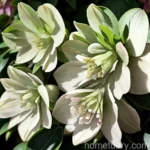
Helleborus Winter Jewels ‘Sparkling Diamond’ (Hellebore) – A Plant Scientist’s Guide
Plants are diverse, fascinating organisms that play a crucial role in the environment and our lives. As a plant scientist, I am constantly intrigued by the unique characteristics and properties of various plant species. In this comprehensive guide, I will delve into the world of the Helleborus Winter Jewels ‘Sparkling Diamond’, commonly known as Hellebore, and explore its culture, uses, care requirements, and much more.
What is Helleborus Winter Jewels ‘Sparkling Diamond’ (Hellebore)?
Helleborus Winter Jewels ‘Sparkling Diamond’ is a captivating perennial plant that belongs to the Ranunculaceae family. This exquisite plant is recognized for its stunning, long-lasting blooms and its ability to thrive in cool climates, making it a sought-after addition to gardens around the world. With its evergreen foliage and enchanting flowers, the Hellebore brings a touch of elegance and charm to any landscape.
Key Takeaways – Helleborus Winter Jewels ‘Sparkling Diamond’ (Hellebore)
Before delving into the specific aspects of Helleborus Winter Jewels ‘Sparkling Diamond’ cultivation and care, let’s highlight some key takeaways about this remarkable plant:
- Scientific Name: Helleborus Winter Jewels ‘Sparkling Diamond’
- Common Name: Hellebore
- Family: Ranunculaceae
- Plant Type: Perennial
- Bloom Time: Late winter to early spring
- Hardiness Zone: 4-9
- Watering: Moderate
- Sunlight: Partial shade to full shade
- Soil Type: Well-drained, humus-rich
- Height: 12-18 inches
- Spread: 18-24 inches
- Uses: Ornamental, cut flowers
- Common Diseases: Black Death, Crown Rot
- Common Pests: Aphids, Slugs
Now, let’s explore the various aspects of cultivating and caring for Helleborus Winter Jewels ‘Sparkling Diamond’.
Culture
Uses
The Helleborus Winter Jewels ‘Sparkling Diamond’ is predominantly utilized for ornamental purposes, adding a touch of elegance and grace to gardens and landscapes. Its exquisite and long-lasting blooms make it an ideal choice for cut flower arrangements, bringing a touch of natural beauty indoors. Additionally, the Hellebore’s evergreen foliage provides year-round interest in the garden, enhancing its appeal.
Water
Proper watering is crucial for the overall health and vitality of Helleborus Winter Jewels ‘Sparkling Diamond’. While these plants are relatively drought-tolerant once established, they benefit from regular, moderate watering, especially during dry periods. It is essential to maintain moist, well-drained soil to prevent waterlogging, which can lead to root rot and other issues.
Sunlight
Hellebores thrive in partial to full shade, making them well-suited for woodland gardens, shaded borders, and other areas with limited direct sunlight. In hotter regions, providing some protection from the intense midday sun is beneficial, as excessive heat and sunlight can cause stress and impact the plant’s overall vigor.
Fertilizer
Appropriate fertilization can enhance the growth and flowering performance of Helleborus Winter Jewels ‘Sparkling Diamond’. A balanced, slow-release fertilizer applied in early spring can provide the necessary nutrients for healthy growth and prolific blooms. It is important to avoid excessive fertilization, as this can lead to lush foliage at the expense of flowers.
Soil
The ideal soil for Helleborus Winter Jewels ‘Sparkling Diamond’ is well-drained and humus-rich. It thrives in fertile, moist soil with a slightly acidic to neutral pH. Amending the soil with organic matter, such as compost or leaf mold, can improve its texture and fertility, creating an optimal growing environment for the Hellebore.
Pruning
Pruning plays a vital role in maintaining the health and appearance of Helleborus Winter Jewels ‘Sparkling Diamond’. Here are some key aspects to consider when pruning this captivating plant:
-
Removal of Spent Flowers: Deadheading the spent blooms of Helleborus Winter Jewels ‘Sparkling Diamond’ can prevent the formation of seed pods and redirect the plant’s energy towards producing new blooms. This practice also helps in tidying up the plant and maintaining its aesthetic appeal.
-
Foliage Cleanup: Trimming away any damaged or yellowing foliage can promote a tidy and healthy appearance. However, it is essential to avoid excessive cutting, as Hellebores rely on their foliage for photosynthesis and energy storage.
-
Pruning Timing: The best time for pruning Helleborus Winter Jewels ‘Sparkling Diamond’ is in late winter to early spring, just before the new growth emerges. This allows for the removal of any remaining old foliage and makes way for the new growth and blossoms.
Propagation
Propagating Helleborus Winter Jewels ‘Sparkling Diamond’ can be a rewarding endeavor, allowing for the expansion of your Hellebore collection or sharing these captivating plants with fellow gardening enthusiasts. Here are some common methods of propagation for Hellebores:
-
Division: Dividing established clumps of Helleborus Winter Jewels ‘Sparkling Diamond’ is an effective way to propagate these plants. This is typically done in early spring or early autumn, carefully separating the root ball into smaller sections and replanting them in suitable locations.
-
Seeds: Hellebores produce seeds that can be collected and sown to grow new plants. It is important to note that Hellebore seeds may take some time to germinate and establish, requiring patience and attentive care during the early stages of growth.
-
Offsets: Some Helleborus Winter Jewels ‘Sparkling Diamond’ plants develop offsets or side shoots that can be carefully detached and replanted to propagate new plants. Ensuring that each offset has its own roots and sufficient foliage can enhance its survival and establishment.
Container Popularity
Helleborus Winter Jewels ‘Sparkling Diamond’ is well-suited for container gardening, adding a touch of elegance and beauty to patio areas, balconies, and outdoor living spaces. The compact size of this perennial plant makes it an ideal choice for container cultivation, allowing individuals with limited garden space to enjoy its captivating blooms and evergreen foliage.
-
Container Selection: When choosing containers for Helleborus Winter Jewels ‘Sparkling Diamond’, opt for well-draining pots or planters that are large enough to accommodate the plant’s root system. Selecting containers with adequate drainage holes is essential to prevent waterlogged soil, which can be detrimental to the plant’s health.
-
Potting Mix: Utilize a high-quality, well-draining potting mix that is suitable for perennial plants. Adding a layer of gravel or broken pottery at the bottom of the container can further improve drainage and aeration for the Hellebore’s root system.
-
Placement: Place the containers in shaded or partially shaded areas, protecting the Helleborus Winter Jewels ‘Sparkling Diamond’ from excessive sunlight and heat. Regular watering and occasional fertilization can support the plant’s growth and flowering performance in containers.
Common Diseases
Despite their overall resilience, Helleborus Winter Jewels ‘Sparkling Diamond’ is susceptible to certain diseases and disorders that can impact their health and appearance. Here are some common diseases and their management:
Disease Diagnosis
-
Black Death: This fungal disease, caused by the pathogen Helleborus niger, can lead to blackening of the foliage, stems, and eventually the death of the plant. Infected plants should be carefully removed and disposed of to prevent the spread of the disease. Maintaining good air circulation and avoiding overhead irrigation can help reduce the risk of black death.
-
Crown Rot: Excessive soil moisture and poor drainage can predispose Helleborus Winter Jewels ‘Sparkling Diamond’ to crown rot, which causes the plant’s crown and roots to deteriorate. To prevent crown rot, ensure proper soil drainage and avoid overwatering. Removing affected plants and improving growing conditions can help mitigate the risk of this disease.
Common Pests
Hellebores are generally resistant to many pests, but they may occasionally encounter issues with certain pests, particularly in specific growing conditions. Here are some common pests that may affect Helleborus Winter Jewels ‘Sparkling Diamond’:
-
Aphids: These small, soft-bodied insects can cluster on the new growth of Hellebores, sucking sap from the plant and causing distortion and discoloration of the foliage. Insecticidal soap or neem oil can be used to control aphid infestations, and encouraging natural predators, such as ladybugs, can help maintain a balanced ecosystem in the garden.
-
Slugs: In moist, shady environments, slugs may feed on the tender foliage of Helleborus Winter Jewels ‘Sparkling Diamond’, leaving behind unsightly damage. Using physical barriers, such as copper tape, and employing organic slug control methods can help protect the plants from slug damage.
Botanist’s Tips
As a plant scientist with a passion for Hellebores, I have gathered some valuable tips based on my experiences and observations of Helleborus Winter Jewels ‘Sparkling Diamond’:
-
Mulching: Applying a layer of organic mulch around the base of Helleborus Winter Jewels ‘Sparkling Diamond’ can help conserve moisture, suppress weed growth, and enhance the soil structure. Additionally, mulching provides insulation during extreme temperatures, offering protection to the plant’s root system.
-
Seasonal Care: Providing attentive care throughout the seasons is essential for the overall health and performance of Helleborus Winter Jewels ‘Sparkling Diamond’. From regular watering and fertilization in the growing season to protective measures during winter, understanding the plant’s seasonal needs can promote its longevity and vitality.
-
Companion Planting: Pairing Helleborus Winter Jewels ‘Sparkling Diamond’ with compatible companion plants can create visually appealing combinations and provide mutual benefits, such as pest resistance and moisture regulation. Consider integrating shade-loving perennials and foliage plants to complement the Hellebores in the garden.
Fun Facts
To further enrich your appreciation for Helleborus Winter Jewels ‘Sparkling Diamond’, here are some intriguing and delightful fun facts about this enchanting plant:
-
Historical Significance: Hellebores have been cultivated for centuries and hold cultural significance. In Victorian times, the Hellebore flower was associated with serenity and tranquility, often included in floral arrangements to convey heartfelt emotions.
-
Winter Interest: The ability of Helleborus Winter Jewels ‘Sparkling Diamond’ to bloom during late winter and early spring adds a touch of color and vibrancy to the garden when many other plants are dormant. This characteristic makes it a cherished and valuable addition to winter landscapes.
-
Toxicity: Hellebores contain toxins that can cause mild to severe gastrointestinal distress if ingested, making them unsuitable for consumption. However, when handled with care and admiration, these plants pose no risk to individuals who appreciate their beauty from a safe distance.
Links to External Resources
To enhance your understanding of Helleborus Winter Jewels ‘Sparkling Diamond’ and further delve into its cultivation, care, and botanical significance, I recommend exploring the following external resources:
- Royal Horticultural Society – Helleborus cultivation
- University of Maryland Extension – Hellebore diseases and pests
- American Society for the Prevention of Cruelty to Animals (ASPCA) – Toxic plants for pets
In conclusion, the Helleborus Winter Jewels ‘Sparkling Diamond’ stands as a captivating and resilient plant that enriches gardens with its enchanting blooms and evergreen foliage. By embracing its cultural significance, understanding its care requirements, and cherishing its unique attributes, gardening enthusiasts can cultivate a thriving and visually captivating landscape adorned with the beauty of Hellebores.
References
- Ash, H. (2020). Hellebores: A Comprehensive Guide. Timber Press.
- Rice, G., & Strangman, P. (2019). The Gardener’s Guide to Growing Hellebores. Timber Press.
- Royal Horticultural Society. (n.d.). Hellebores. Retrieved from link
Note: The information provided in this blog post is based on the scientific understanding and practical knowledge of Helleborus Winter Jewels ‘Sparkling Diamond’ at the time of writing. It is important to verify specific recommendations and guidelines based on regional climate, soil conditions, and individual plant health.