Maianthemum Dilatatum (False Lily Of The Valley)
As a plant scientist, I find the study of plant species and their care requirements to be incredibly fascinating. One particularly enchanting plant is the.
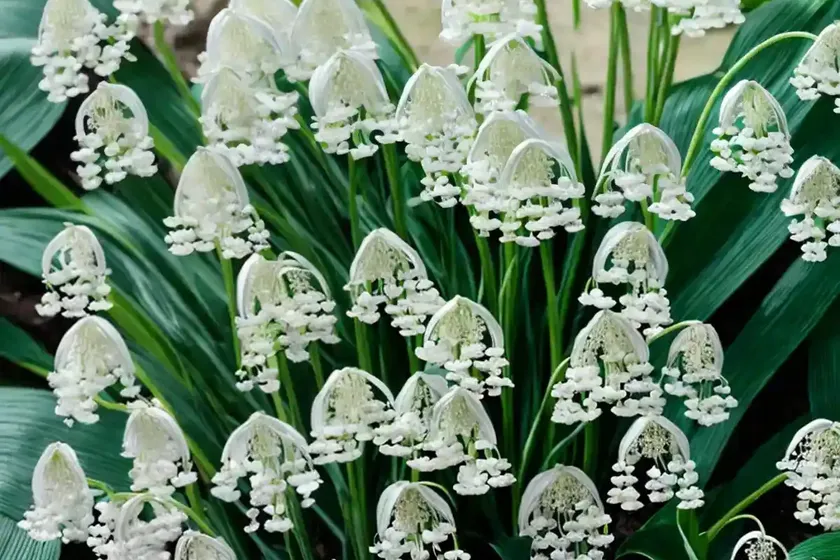
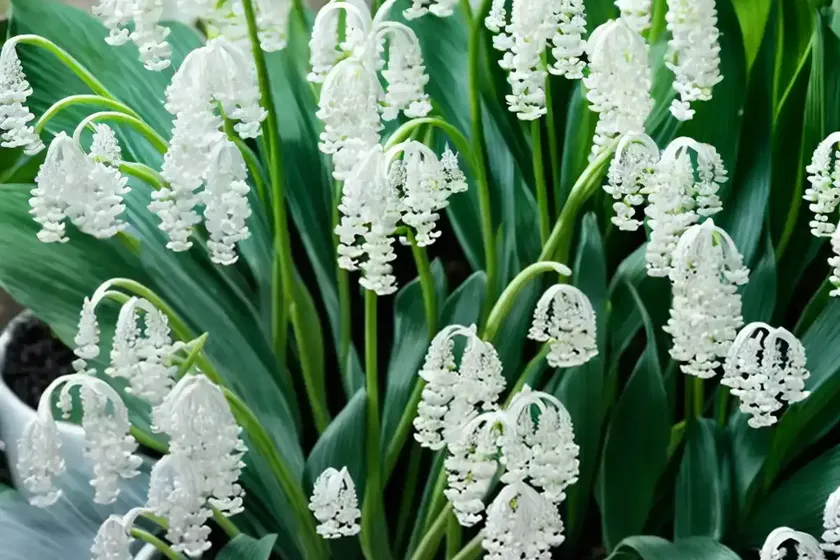
As a plant scientist, I find the study of plant species and their care requirements to be incredibly fascinating. One particularly enchanting plant is the Maianthemum dilatatum (False Lily Of The Valley), known for its delicate and elegant appearance. In this comprehensive guide, we will explore every aspect of this beautiful plant, including its culture, uses, care requirements, propagation, common diseases, and so much more. By the end of this guide, you will be equipped with the knowledge and skills needed to care for and appreciate the captivating Maianthemum dilatatum.
What is Maianthemum dilatatum (False Lily Of The Valley)?
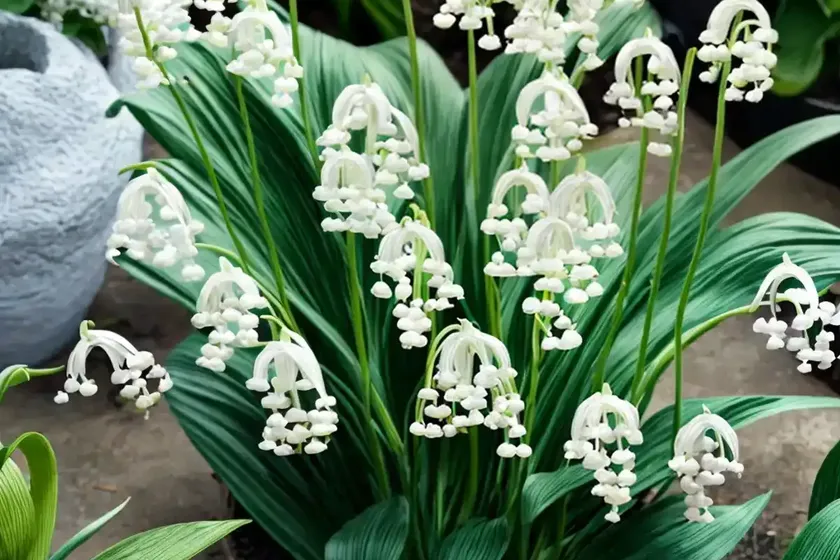
Maianthemum dilatatum, commonly known as False Lily Of The Valley, is a herbaceous perennial plant native to North America. It is a member of the Asparagaceae family and is prized for its lush, glossy foliage and delicate, lily-of-the-valley-like flowers. This charming plant is a popular choice for woodland gardens, shaded borders, and other naturalistic settings due to its graceful appearance and ease of care.
Key Takeaways – Maianthemum dilatatum (False Lily Of The Valley)
Before we delve into the detailed care guide for Maianthemum dilatatum, let’s take a look at some key points that capture the essence of this enchanting plant:
- Common Name: False Lily Of The Valley
- Family: Asparagaceae
- Native Habitat: North America
- Plant Type: Herbaceous Perennial
- Foliage: Lush, glossy, heart-shaped leaves
- Flowers: Delicate, white, lily-of-the-valley-like flowers
- Uses: Woodland gardens, shaded borders, naturalistic settings
- Special Features: Easy to grow, graceful appearance, versatile in landscaping
Now that we have a basic understanding of Maianthemum dilatatum, let’s explore its culture, uses, and care requirements in detail.
Culture
Understanding the cultural requirements of Maianthemum dilatatum is essential for promoting healthy growth and vibrant blooms. This section will cover the plant’s water, sunlight, fertilizer, soil, and pruning needs.
Water
Maianthemum dilatatum thrives in consistently moist but well-draining soil. While it appreciates regular watering, it is crucial to avoid waterlogged conditions, as excessive moisture can lead to root rot and other issues. During hot and dry periods, be sure to provide supplemental watering to keep the soil evenly moist. Additionally, using a layer of organic mulch around the base of the plant can help retain soil moisture and regulate the temperature of the roots.
Sunlight
One of the defining characteristics of False Lily Of The Valley is its preference for partial to full shade. In its natural habitat, this plant is often found in woodland areas where it receives dappled sunlight or filtered light through the trees. When cultivated in a garden or landscape setting, it is essential to emulate these light conditions to promote the best growth and flowering. Avoid exposing Maianthemum dilatatum to direct, intense sunlight, as this can cause leaf scorch and diminish its overall health.
Fertilizer
While Maianthemum dilatatum is not particularly demanding when it comes to fertilizer, providing a balanced, organic fertilizer in early spring can help support healthy growth and blooming. A slow-release fertilizer with a balanced NPK ratio (nitrogen, phosphorus, potassium) is ideal for this plant. Apply the fertilizer according to the manufacturer’s instructions, taking care not to over-fertilize, which can lead to excessive foliage growth at the expense of flowers.
Soil
The ideal soil for Maianthemum dilatatum is rich, humusy, and well-draining. It prefers slightly acidic to neutral soil with a pH ranging from 5.5 to 7.0. Amending the soil with organic matter such as compost, leaf mold, or well-rotted manure can improve its texture and fertility, creating an optimal growing environment for the plant. Additionally, incorporating organic material into the soil helps retain moisture, provides essential nutrients, and promotes beneficial microbial activity.
Pruning
Pruning Maianthemum dilatatum is primarily focused on maintaining its desired shape and preventing the plant from becoming overcrowded. In late winter or early spring, it is beneficial to remove any dead or damaged foliage, as well as any weak or spindly stems. Regular grooming of the plant can help improve air circulation, reduce the risk of disease, and promote strong, healthy growth. When removing spent flower stalks, make clean cuts just above the base of the plant to encourage new growth and potential reblooming.
Uses
Maianthemum dilatatum offers a range of uses in garden settings, from its ornamental value to its potential medicinal properties. Understanding these uses can provide valuable insights into how to incorporate this plant into various landscapes and how it can benefit both people and wildlife.
Ornamental Value
Gardeners and landscapers often utilize Maianthemum dilatatum for its ornamental value. Its graceful, arching stems and lush foliage make it a charming addition to woodland gardens, shaded borders, and naturalistic landscapes. The delicate, white flowers add a touch of elegance and contribute to a sense of tranquility in the garden. With its ability to thrive in shaded areas, Maianthemum dilatatum serves as a versatile and attractive option for creating visually appealing and dynamic landscapes.
Medicinal Properties
In addition to its ornamental uses, Maianthemum dilatatum has been traditionally used for medicinal purposes by indigenous communities. The plant contains bioactive compounds that are believed to possess various healing properties, although it is important to exercise caution and seek guidance from qualified healthcare professionals before using any plant for medicinal purposes.
Propagation
Propagation plays a key role in expanding the presence of Maianthemum dilatatum in gardens and landscapes. By understanding the different propagation methods and techniques, gardeners can multiply their plant collections and share the beauty of False Lily Of The Valley with others.
Division
One of the most common and straightforward methods of propagating Maianthemum dilatatum is through division. This process involves carefully digging up the plant and separating the rhizomes or tuberous roots into individual sections. Each section should have viable growth points, such as buds or shoots, to ensure successful establishment. Once divided, the sections can be replanted in prepared soil and provided with adequate moisture and protection as they acclimate to their new growing environments.
Seeds
While division is the primary method of propagation for Maianthemum dilatatum, the plant can also be grown from seeds. Collecting mature seeds from the plant and sowing them in a suitable growing medium offers an alternative approach to propagating this species. It is important to note that growing from seeds may require more time and effort compared to division, and the resulting plants may also exhibit natural variation. However, for those seeking to start new plants from scratch or experiment with seed propagation, this method can be an exciting and rewarding endeavor.
Container Popularity
Maianthemum dilatatum’s adaptability and compact growth habit make it well-suited for container gardening. With proper care and attention to its specific needs, this plant can thrive in containers, enhancing outdoor spaces, patios, and even indoor environments with its elegant presence.
Container Common Diseases
When cultivating Maianthemum dilatatum in containers, it is essential to be mindful of potential diseases that can affect the plant. Common container diseases that may impact False Lily Of The Valley include:
-
Root Rot: Excessive moisture in container soil can lead to root rot, a condition caused by fungal pathogens that attack the roots and hinder the plant’s ability to absorb water and nutrients. Symptoms of root rot include wilting, yellowing foliage, and overall decline in plant health.
-
Powdery Mildew: In conditions of high humidity and poor air circulation, powdery mildew can develop on the foliage of Maianthemum dilatatum. This fungal disease presents as a white, powdery coating on the leaves and can lead to stunted growth and reduced flowering if left untreated.
Disease Diagnosis
Diagnosing and addressing diseases in Maianthemum dilatatum container plants requires careful observation and timely intervention. By monitoring the plant for any signs of unusual symptoms, such as wilting, discoloration, or unusual growth patterns, gardeners can take proactive measures to identify and address the underlying issues. Proper cultural practices, including adequate watering, good airflow, and appropriate container sizes, can help minimize the risk of diseases in container-grown False Lily Of The Valley.
Botanist’s Tips
As a plant scientist with a passion for understanding and caring for plant species, I offer the following tips for successfully cultivating Maianthemum dilatatum in containers:
-
Select Appropriate Containers: Choose containers with adequate drainage holes to prevent waterlogging and consider the size of the container in relation to the plant’s root system for optimal growth.
-
Use High-Quality Potting Mix: Select a well-draining potting mix formulated for container plants and avoid using heavy garden soil, which can compact and restrict root growth.
-
Monitor Moisture Levels: Regularly check the moisture level of the container soil and water the plant when the top inch of the soil feels dry to the touch, adjusting watering frequency based on environmental conditions.
-
Provide Indirect Light: Position containers of Maianthemum dilatatum in locations that receive dappled or indirect sunlight, particularly in outdoor settings, to replicate its preferred growing conditions.
-
Inspect for Pests and Diseases: Routinely inspect the plant for signs of pests and diseases, addressing any issues promptly to prevent their escalation and potential impact on plant health.
Fun Facts
As we delve deeper into the world of Maianthemum dilatatum, it’s time to discover some intriguing and delightful fun facts about False Lily Of The Valley:
-
Edible Berries: After flowering, Maianthemum dilatatum produces small, round berries that are edible for humans and wildlife, adding a unique culinary and ecological dimension to the plant.
-
Ecological Value: False Lily Of The Valley serves as a valuable food source for pollinators, including bees and butterflies, contributing to the biodiversity and resilience of natural habitats.
-
Native American Uses: Indigenous tribes have historically used parts of the plant for various purposes, such as crafting baskets and employing its medicinal properties for specific ailments.
-
Symbolism: In various cultures, the lily of the valley, to which False Lily Of The Valley is often visually likened, is associated with meanings of purity, sweetness, and the return of happiness, lending a symbolic richness to the plant’s presence in the garden.
Links to External Resources
To further expand your knowledge and appreciation of Maianthemum dilatatum, I have curated a selection of valuable external resources that provide insightful information, practical tips, and additional perspectives on this captivating plant:
-
The American Horticultural Society A-Z Encyclopedia of Garden Plants – An extensive reference guide featuring in-depth plant profiles, including detailed information about Maianthemum dilatatum.
-
Royal Horticultural Society Plant Finder – A comprehensive plant database that offers guidance on cultivating and caring for a wide range of plant species, including Maianthemum dilatatum.
-
Wildflower Search – Maianthemum dilatatum – A visual resource showcasing photographs and descriptions of Maianthemum dilatatum in its natural habitat, providing insights into its growth habits and appearance in the wild.
-
North American Native Plant Society – An organization dedicated to promoting the conservation and appreciation of native plants, offering resources and educational materials related to Maianthemum dilatatum and other indigenous species.
-
The New York Botanical Garden – A renowned botanical institution that hosts educational programs, exhibitions, and research initiatives, providing valuable insights into the ecological significance and horticultural appeal of plants like Maianthemum dilatatum.
By exploring these external resources, you can deepen your understanding of Maianthemum dilatatum and gain inspiration for incorporating this captivating plant into your personal or professional projects.
In the next section, we will explore the soil requirements, best conditions, and specific maintenance needs of Maianthemum dilatatum, empowering you with the knowledge to nurture this enchanting plant to its fullest potential.
Continued in part 2…