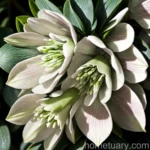
Helleborus ‘Sandy Shores’ (Hellebore): The Versatile and Beautiful Perennial
Helleborus, commonly known as Hellebores, are a diverse genus of flowering plants in the buttercup family, Ranunculaceae. Among the various cultivars and varieties, Helleborus ‘Sandy Shores’ stands out as a particularly remarkable perennial, known for its vibrant blooms, and adaptable nature. In this comprehensive guide, we will explore the various aspects of Helleborus ‘Sandy Shores’, including its culture, uses, care requirements, and maintenance. Whether you are an experienced gardener or a novice enthusiast, this article aims to provide valuable insights into cultivating and enjoying this beautiful plant in your garden.
What is Helleborus ‘Sandy Shores’?
Helleborus ‘Sandy Shores’ is a captivating and robust perennial plant that belongs to the Helleborus genus. This particular variety is highly regarded for its striking flowers and its ability to thrive in a variety of growing conditions. Its unique attributes make it a popular choice among landscape designers and gardening enthusiasts.
Helleborus ‘Sandy Shores’ – Key Takeaways
- Plant Care: Helleborus ‘Sandy Shores’ requires minimal maintenance and is relatively easy to care for, making it suitable for both experienced and novice gardeners.
- Flowering Period: It blooms in early spring, adding cheerful color to the garden when most plants are still dormant.
- Adaptability: ‘Sandy Shores’ exhibits good shade tolerance, contributing to its versatility in landscaping.
- Low Maintenance: Once established, this variety of Helleborus requires little intervention, thriving with minimal care.
- Growth Habit: With its ground-hugging growth habit, Helleborus ‘Sandy Shores’ can serve as an efficient ground cover in suitable conditions.
Now, let’s delve deeper into the various aspects of understanding, planting, and maintaining Helleborus ‘Sandy Shores’ to help you make the most of this exceptional plant in your garden.
Culture
Uses
Helleborus ‘Sandy Shores’ is a multifaceted plant that offers a range of uses in garden design and landscaping. Here are some common uses of this versatile perennial:
- Border Plant: Due to its low-growing habit and vibrant blooms, ‘Sandy Shores’ is often used as an attractive border plant, providing a colorful edge to garden beds and pathways.
- Ground Cover: Its dense foliage and spreading nature make it an excellent ground cover, particularly in shaded areas where other plants might struggle.
- Container Gardening: ‘Sandy Shores’ can be effectively cultivated in containers, adding a pop of color to porches, patios, and outdoor living spaces.
- Shade Gardens: Given its shade tolerance, this variety is perfect for bringing color and visual interest to shaded landscapes, under trees, or along north-facing walls.
Water
Helleborus ‘Sandy Shores’ prefers consistently moist soil, especially during the growing season. Adequate moisture is crucial for the plant’s establishment and continued health. However, it is essential to ensure that the soil is well-draining, as waterlogged conditions can lead to root rot and other issues. During periods of hot and dry weather, regular watering is essential to support the plant’s growth and flowering.
Sunlight
In terms of sunlight requirements, ‘Sandy Shores’ thrives in partial to full shade. It is well-adapted to shaded conditions and can even tolerate deep shade, making it an excellent choice for areas in the garden that receive limited sunlight throughout the day. However, it’s important to ensure that the planting site provides adequate indirect light, as extremely dark environments can negatively impact the plant’s vigor and flowering.
Fertilizer
Helleborus ‘Sandy Shores’ generally thrives without heavy feeding. A balanced, slow-release fertilizer applied in early spring can provide the necessary nutrients for healthy growth and flowering. It is important to follow the manufacturer’s instructions regarding application rates to avoid over-fertilization, which can lead to excessive foliage growth at the expense of flowering.
Soil
This variety of Helleborus thrives in well-drained, humus-rich soil. It is important to ensure that the soil is consistently moist but not waterlogged, as excessive moisture retention can lead to root rot and other issues. Additionally, ‘Sandy Shores’ benefits from organic matter, so amending the planting area with compost or well-rotted manure can contribute to the plant’s overall health and vigor.
Pruning
Pruning requirements for Helleborus ‘Sandy Shores’ are minimal. The removal of spent flowers and damaged or yellowing foliage can help improve the plant’s appearance and prevent the development of diseases. As the plant ages, it may benefit from the division to rejuvenate its growth and vigor. Dividing the plant every few years also helps prevent overcrowding and ensures the continued health and productivity of individual specimens.
Propagation
Helleborus ‘Sandy Shores’ can be propagated through various methods, including division and seed propagation. Here are some key points to consider for successful propagation:
- Division: The division of mature clumps can be carried out in early spring or autumn. This method allows gardeners to multiply their Helleborus collection while also revitalizing the parent plants.
- Seed Propagation: While it is possible to grow Helleborus ‘Sandy Shores’ from seed, it is important to note that the process is slow, and it may take a few years for the plants to reach maturity and start flowering. Sowing seeds in a well-prepared seedbed in late spring can yield new plants for future garden use.
Container Popularity
Due to its compact growth habit and vibrant blooms, Helleborus ‘Sandy Shores’ is well-suited for container gardening. When cultivated in containers, it brings color and visual interest to patios, balconies, and small urban spaces. The plant’s adaptability to shaded conditions makes it a popular choice for container gardens positioned in areas with limited sunlight.
Common Diseases
While generally resistant to diseases, Helleborus ‘Sandy Shores’ can occasionally be affected by certain fungal diseases such as leaf spot and crown rot, particularly under excessively wet conditions. Good cultural practices, including proper spacing, adequate air circulation, and avoiding overhead watering, can help minimize the risk of these issues. Additionally, removing and disposing of infected plant debris can help prevent the spread of diseases within the garden.
Disease Diagnosis
When diagnosing potential diseases in Helleborus ‘Sandy Shores’, it is important to closely inspect the plant for symptoms such as leaf spotting, wilting, or unusual discoloration. If there are concerns about the plant’s health, it can be beneficial to consult with a local extension service or a plant healthcare professional for accurate diagnosis and tailored recommendations for treatment.
Common Pests
Helleborus ‘Sandy Shores’ is relatively resistant to pest infestations. However, it may occasionally attract aphids, mealybugs, and spider mites. Regular monitoring of the plants and early intervention, if pest issues are detected, can help prevent the establishment of large infestations. Horticultural oils or insecticidal soaps can be used to manage minor pest problems, while ensuring minimal impact on beneficial insects and the overall ecosystem.
Botanist’s Tips
Here are some additional tips from botanists and experienced gardeners to ensure the successful cultivation and enjoyment of Helleborus ‘Sandy Shores’:
- Mulching: Applying a layer of organic mulch around the plants in spring can help retain soil moisture, suppress weed growth, and improve overall soil health.
- Winter Protection: In regions with harsh winters, providing a protective layer of mulch or leaves around the base of the plants can help insulate the roots and protect them from extreme temperatures.
- Companion Plants: Consider planting ‘Sandy Shores’ alongside other shade-loving perennials and foliage plants to create visually appealing combinations and enhance the overall texture and diversity of the garden.
Fun Facts
- Helleborus ‘Sandy Shores’ is known for attracting pollinators such as bees and butterflies with its early spring blooms.
- The plant’s evergreen foliage provides visual interest in the garden, adding texture and color throughout the year.
For more detailed information about Helleborus ‘Sandy Shores’ and its versatile uses in garden design, please refer to the following external resources:
- Royal Horticultural Society – Helleborus
- American Horticultural Society – Plant Propagation
- The Perennial Plant Association
In summary, Helleborus ‘Sandy Shores’ is an exceptional perennial plant that offers an array of benefits to gardeners and landscapers. With its stunning blooms, adaptability to varying light conditions, and low-maintenance nature, it has rightfully become a favored choice for adding color and visual interest to shaded gardens and outdoor spaces. Whether used as a border plant, ground cover, or a highlight in container gardens, ‘Sandy Shores’ is an outstanding addition to any garden, bringing beauty and charm throughout the year.