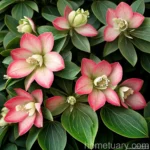
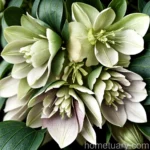
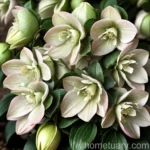
Helleborus Winter Jewels ‘Painted Doubles’ (Hellebores)
Helleborus Winter Jewels ‘Painted Doubles’ are a captivating and elegant addition to any winter garden. These unique and colorful flowering plants belong to the Helleborus genus, a group of plants often referred to as Hellebores. In this article, we will delve into the various aspects of cultivating and caring for Helleborus Winter Jewels ‘Painted Doubles’. From their cultural requirements to common diseases and pests, this comprehensive guide will equip you with the necessary insights to nurture and appreciate these beautiful winter-blooming plants.
What is Helleborus Winter Jewels ‘Painted Doubles’?
Helleborus Winter Jewels ‘Painted Doubles’ are captivating perennial plants that belong to the Ranunculaceae family. These plants are characterized by their early bloom, often gracing the winter garden with their stunning flowers. Hellebores are widely cherished for their resilience in cold temperatures, making them invaluable components of winter landscapes.
Key Takeaways – Helleborus Winter Jewels ‘Painted Doubles’
Before we dive into the specific cultural requirements and care guidelines for Helleborus Winter Jewels ‘Painted Doubles’, let’s highlight some key takeaways about these enchanting plants.
- Unique double blooms that display a wide array of colors and patterns.
- Well-suited for winter gardens, providing a vibrant and colorful display during the colder months.
- Resilient and low-maintenance plants that thrive in shaded areas.
- Valued for their ability to attract early-season pollinators such as bees and butterflies.
With these key points in mind, let’s explore the cultural requirements and care guidelines for Helleborus Winter Jewels ‘Painted Doubles’.
Culture
Water
Helleborus Winter Jewels ‘Painted Doubles’ thrive in well-draining soil that is kept consistently moist, but not waterlogged. These plants are relatively drought-tolerant once established, but regular watering is essential during periods of prolonged dryness, particularly in the summer months. When watering, it is advisable to aim for the base of the plant to minimize wetting the foliage, which can help reduce the risk of certain diseases.
Sunlight
In terms of sunlight, Helleborus Winter Jewels ‘Painted Doubles’ prefer dappled or partial shade. While they can tolerate some direct sunlight, especially in the cooler months, they generally thrive in locations with filtered light. In hotter climates, providing them with some protection from the intense midday sun can help prevent sunscald and maintain their vibrant blooms.
Fertilizer
When it comes to fertilization, Helleborus Winter Jewels ‘Painted Doubles’ benefit from a balanced, organic fertilizer applied in early spring as new growth emerges. Applying a thin layer of compost or well-rotted manure around the base of the plants can also provide them with the necessary nutrients for healthy growth and prolific flowering.
Soil
Helleborus Winter Jewels ‘Painted Doubles’ thrive in fertile, humus-rich soil with good drainage. A neutral to slightly alkaline pH is ideal for these plants. Incorporating organic matter, such as compost or leaf mold, into the soil before planting can help create an optimum growing environment for Helleborus Winter Jewels ‘Painted Doubles’. Additionally, mulching around the base of the plants can help retain moisture and regulate soil temperature.
Pruning
Helleborus Winter Jewels ‘Painted Doubles’ generally require minimal pruning. However, removing any damaged or faded foliage can help maintain the overall appearance of the plants and reduce the risk of certain diseases. This can be done throughout the growing season as needed. In late winter or early spring, as new growth begins to emerge, any remaining old or tattered leaves can be trimmed back to encourage a fresh and tidy appearance.
Propagation
Propagating Helleborus Winter Jewels ‘Painted Doubles’ can be achieved through several methods, including division and seed propagation.
Division
Dividing established clumps of Helleborus Winter Jewels ‘Painted Doubles’ can be performed in early spring before new growth appears or in the fall. Carefully lifting the clumps and dividing them into smaller sections with healthy roots can help rejuvenate the plants and create new growth points.
Seed Propagation
Helleborus Winter Jewels ‘Painted Doubles’ produce seeds that can be harvested and sown to propagate new plants. To ensure successful germination, it is advisable to sow the fresh seeds in a well-draining seed-starting mix and provide them with consistent moisture and warmth. Germination can be slow and may take several months, but the resulting seedlings can develop into robust plants with proper care.
Container Popularity
Helleborus Winter Jewels ‘Painted Doubles’ are well-suited for container gardening, making them versatile additions to patios, balconies, and other outdoor spaces. Their early bloom and compact growth habit make them popular choices for bringing vibrant color to containers during the winter months.
Container Common Diseases
When growing Helleborus Winter Jewels ‘Painted Doubles’ in containers, it is crucial to be mindful of common container-related diseases, such as root rot and fungal issues. Ensuring proper drainage in the containers, using a well-draining potting mix, and avoiding overwatering can help minimize the risk of these diseases.
Disease Diagnosis
Keep an eye out for symptoms of common container diseases, such as wilting, yellowing foliage, or unusual spotting. If you suspect disease is affecting your plants, it is advisable to promptly remove any affected foliage or plants to prevent the spread of the disease.
Common Pests
Helleborus Winter Jewels ‘Painted Doubles’ are relatively resistant to many common garden pests. However, they can occasionally be affected by aphids, slugs, and snails. Regularly inspecting the plants for signs of pest activity and promptly addressing any infestations can help keep these pests at bay.
Botanist’s Tips
To ensure the optimal health and performance of Helleborus Winter Jewels ‘Painted Doubles’, consider the following tips:
- Winter Protection: In regions with harsh winters, providing a layer of mulch around the base of the plants can help insulate the roots and protect them from extreme cold.
- Companion Planting: Pairing Helleborus Winter Jewels ‘Painted Doubles’ with early-blooming bulbs and perennials can create visually striking combinations that enhance the overall appeal of the garden.
Fun Facts
- Helleborus Winter Jewels ‘Painted Doubles’ are known for their ability to thrive in challenging conditions, making them valued additions to woodland gardens and shaded landscapes.
- The unique double blooms of Helleborus Winter Jewels ‘Painted Doubles’ come in a spectrum of colors, ranging from soft pastels to rich, deep hues, adding a delightful burst of color to the winter garden.
Links to External Resources
For further information on Helleborus Winter Jewels ‘Painted Doubles’ and related topics, explore the following resources:
- Royal Horticultural Society: Hellebores
- The American Hellebore Society
- Missouri Botanical Garden: Helleborus
Thank you for joining us on this exploration of Helleborus Winter Jewels ‘Painted Doubles’. By understanding their cultural requirements, propagation methods, and unique attributes, we hope you feel inspired to welcome these remarkable plants into your own garden. Whether you are seeking to enhance a woodland setting or add vibrant color to your winter landscape, the captivating beauty of Helleborus Winter Jewels ‘Painted Doubles’ is sure to leave a lasting impression.
Happy gardening!