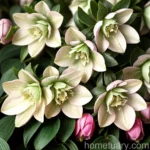
Helleborus ‘Paris in Pink’ (Hellebore): A Delight in Pink
Helleborus ‘Paris in Pink’ or Pink Hellebore is a stunning and versatile perennial that adds elegance and charm to any garden or landscape. It is cherished for its distinctive pink flowers, rich green foliage, and its ability to thrive in various conditions. In this comprehensive guide, we will delve into the various aspects of Helleborus ‘Paris in Pink,’ from its culture and uses to its care, propagation, common diseases, and much more. Whether you’re a seasoned gardener or a novice enthusiast, this article will equip you with valuable insights to cultivate and appreciate the beauty of this exceptional plant.
What is Helleborus ‘Paris in Pink’?
Helleborus ‘Paris in Pink’ is a cultivar of the Helleborus genus and is also commonly known as Pink Hellebore. This perennial plant belongs to the Ranunculaceae family, which includes a diverse array of flowering plants. Hellebores are renowned for their early blooming, often flowering in late winter or early spring, providing a delightful burst of color when many other plants are still dormant.
Key Takeaways – Helleborus ‘Paris in Pink’ (Hellebore)
Before we delve into the specifics, let’s glance at the key takeaways for Helleborus ‘Paris in Pink’:
- Plant Name: Helleborus ‘Paris in Pink’ (Hellebore)
- Botanical Name: Helleborus spp.
- Common Names: Pink Hellebore, Lenten Rose
- Plant Type: Perennial
- Flower Color: Pink
- Foliage: Evergreen
- Sunlight: Partial shade to full shade
- Watering: Average water needs; prefers well-drained soil
- Soil Type: Rich, well-draining soil
- Growth Rate: Moderate
- Mature Height: 12-18 inches
- Maintenance: Low maintenance
- Hardiness Zones: 4-9
Now, let’s explore the various aspects of this captivating plant.
Culture
Understanding the cultural requirements of Helleborus ‘Paris in Pink’ is crucial to ensuring its optimal growth and blooming. Let’s explore the cultural considerations for this exquisite plant.
Uses
Helleborus ‘Paris in Pink’ holds significant value in both ornamental and horticultural contexts. Here are some common uses of this delightful plant:
- Garden Ornament: Its charming and abundant pink flowers make ‘Paris in Pink’ a popular choice for adding color and interest to garden beds, borders, and woodland settings.
- Container Planting: Due to its compact size and attractive foliage, it thrives as a container plant, adding a touch of elegance to patios, decks, and entrances.
- Cut Flowers: The long-lasting blooms of Helleborus ‘Paris in Pink’ make it an excellent choice for cut flower arrangements, adding a pop of color to indoor spaces during the winter and early spring.
Water
Proper watering is essential for the health and vitality of Helleborus ‘Paris in Pink.’ While it is relatively drought-tolerant once established, adequate moisture is crucial, especially during its active growing and blooming periods. Here are some essential watering guidelines:
- Establishment: Newly planted Helleborus ‘Paris in Pink’ should be watered regularly to promote root establishment. Ensure that the soil is consistently moist, but not waterlogged, during the first growing season.
- Mature Plants: Once established, Helleborus ‘Paris in Pink’ typically requires little supplemental watering, as it adapts well to average moisture conditions. However, during dry spells, providing moderate irrigation can support healthy growth and blooming.
Sunlight
Helleborus ‘Paris in Pink’ flourishes in partial to full shade, making it an excellent choice for shaded or woodland gardens. When selecting a location for planting, consider the following sunlight requirements:
- Partial Shade: Ideally, position ‘Paris in Pink’ in a location that receives dappled sunlight or partial shade, especially in regions with hot summers. This protects the delicate flowers from scorching and ensures the longevity of the blooms.
- Full Shade: While it tolerates full shade, it’s important to ensure that the site receives adequate indirect light to support healthy growth and flowering.
Fertilizer
Proper fertilization can enhance the vigor and blooming of Helleborus ‘Paris in Pink.’ Understanding the appropriate fertilizer application and timing is essential for promoting its health and vitality. Here’s a guide to fertilizing this delightful perennial:
- Timing: Apply a balanced, slow-release fertilizer in early spring as new growth emerges. Avoid heavy fertilization, as Hellebores generally thrive in nutrient-rich soils and excessive fertilization can lead to lush growth at the expense of flowering.
- Application: Carefully sprinkle the fertilizer around the base of the plant, ensuring that it does not come into direct contact with the foliage. Gently water the area after application to facilitate nutrient absorption.
Soil
The soil composition plays a pivotal role in the growth and performance of Helleborus ‘Paris in Pink.’ As a plant that prefers rich, well-draining soil, understanding the soil requirements is paramount for its overall health and vitality.
- Rich Soil: Helleborus ‘Paris in Pink’ thrives in humus-rich, well-draining soil. Amending the soil with organic matter, such as compost or well-rotted manure, can enhance the fertility and texture of the soil, providing an optimal growing medium for this perennial.
- Acidic to Neutral pH: Hellebores prefer soil with a slightly acidic to neutral pH range (pH 6.0-7.0). Conducting a soil test can help determine the pH of the planting site and guide the necessary soil amendments for creating an ideal growing environment.
Pruning
Pruning plays a vital role in maintaining the health, aesthetics, and longevity of Helleborus ‘Paris in Pink.’ Proper pruning practices not only enhance the plant’s appearance but also promote vigorous growth and blooming.
- Faded Flowers: Remove spent flowers and any damaged or yellowing foliage promptly to encourage continuous blooming and prevent the plant from expending energy on seed production.
- Late Winter Pruning: In late winter, consider removing any remaining old or tattered foliage to make way for the emergence of new growth and fresh blooms. Gently trim back the old foliage, taking care not to damage the emerging buds or new growth points.
Propagation
Propagating Helleborus ‘Paris in Pink’ allows you to expand your collection or share the beauty of this plant with fellow gardening enthusiasts. Here are some common methods for propagating this delightful perennial:
- Division: Divide mature clumps of Helleborus ‘Paris in Pink’ in early spring or late summer to create new plants. Carefully lift the entire plant from the soil, ensuring that each division has several healthy rhizomes and an adequate root system. Replant the divisions in prepared soil, ensuring they receive adequate moisture and partial shade during the establishment phase.
- Seed Propagation: Collect seeds from mature Helleborus ‘Paris in Pink’ plants once the seed pods have ripened and turned brown. Sow the seeds in a well-draining, moist seed-starting mix, and keep them in a sheltered, shaded area. Germination may take several months, and the resulting seedlings may take a few years to mature and bloom.
Container Popularity
Helleborus ‘Paris in Pink’ is a popular choice for container gardening due to its compact size, attractive foliage, and captivating flowers. When cultivating this perennial in containers, consider the following container-specific aspects:
- Container Selection: Choose a spacious, well-draining container with adequate drainage holes to facilitate proper soil moisture and root health.
- Potting Mix: Select a high-quality, well-draining potting mix that offers good aeration and moisture retention. Incorporating organic matter, such as compost or peat moss, can enhance the fertility and texture of the potting mix.
Common Diseases
While Helleborus ‘Paris in Pink’ is generally resilient, it is susceptible to certain diseases that can affect its vigor and appearance. Recognizing and addressing common diseases is essential for safeguarding the health of this enchanting perennial.
Disease Diagnosis
Here are some common diseases that may affect Helleborus ‘Paris in Pink’ and their diagnostic signs:
- Leaf Spot: Leaf spot diseases may manifest as dark, water-soaked lesions on the foliage, often surrounded by yellow halos. As the disease progresses, the affected areas may dry out and result in unsightly discoloration and leaf drop.
- Crown Rot: Crown rot, often caused by excessive soil moisture or poor drainage, can lead to the wilting and collapse of the plant’s crown. Affected plants may exhibit mushy or discolored stems at the soil line, indicating the presence of the disease.
- Powdery Mildew: Powdery mildew presents as a white, powdery growth on the foliage, typically on the upper surface of the leaves. As the disease advances, the affected leaves may become distorted, yellow, or necrotic, compromising the plant’s overall vigor.
Common Pests
In addition to diseases, Helleborus ‘Paris in Pink’ is susceptible to certain pests that can impact its growth and flowering. Vigilant monitoring and prompt intervention are crucial for managing common pests effectively.
- Aphids: Aphids are tiny, soft-bodied insects that may congregate on the undersides of leaves and along stem tips. Feeding damage caused by aphids can result in distorted growth, yellowing leaves, and the secretion of sticky honeydew, which can attract ants and sooty mold.
- Slugs and Snails: These mollusks are notorious for their voracious appetite for Helleborus foliage. Signs of slugs and snail feeding include irregular holes and chewed edges on the leaves, particularly near the plant’s base.
Botanist’s Tips
As passionate plant enthusiasts, we often uncover valuable insights and tips through our interactions with various plant species. Here are some botanist’s tips for cultivating and appreciating Helleborus ‘Paris in Pink’ to the fullest:
- Winter Interest: Embrace the winter beauty of ‘Paris in Pink’ by strategically planting it in areas where it can be enjoyed during the dormant season. Its early blooming nature and attractive foliage provide a delightful touch of color and interest to winter gardens.
- Naturalize Under Trees: Consider planting ‘Paris in Pink’ beneath deciduous trees, where it can benefit from the dappled sunlight and protection provided by the tree canopy. The naturalized setting not only complements the plant’s habitat preferences but also introduces a captivating display of color to the woodland garden.
Fun Facts
Uncover some intriguing and delightful facts about Helleborus ‘Paris in Pink’ that showcase its unique characteristics and appeal:
- Historical Significance: Hellebores have a rich historical and cultural significance and have been cultivated for centuries. In folklore, hellebores were believed to possess protective and medicinal properties and were often used in rituals and remedies.
- Winter Pollinators: The early flowers of Helleborus ‘Paris in Pink’ provide a vital nectar source for early-emerging pollinators, such as bees and other beneficial insects, during the late winter and early spring months when few other nectar-rich plants are in bloom.
Links to External Resources
For further information on Helleborus ‘Paris in Pink’ and related topics, explore the following resources:
- Royal Horticultural Society – Hellebores
- American Society for the Prevention of Cruelty to Plants – Hellebore Basics
Thank you for joining us on this journey to explore the allure and intricacies of Helleborus ‘Paris in Pink’ (Hellebore). We hope this comprehensive guide equips you with the knowledge and inspiration to cultivate, appreciate, and celebrate the splendor of this remarkable perennial plant.
Happy gardening, and may your gardens bloom with the enchanting beauty of Pink Hellebore!