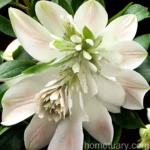
Plant Scientist Blog: Helleborus ‘Flower Girl’ (Hellebore) Care Guide
In this plant scientist blog, we delve into the fascinating world of Helleborus ‘Flower Girl’, commonly known as Hellebore. Helleborus ‘Flower Girl’ is a beautiful and versatile plant known for its stunning blooms and ease of care. Throughout this guide, we will explore the various aspects of caring for Helleborus ‘Flower Girl’, from its cultural requirements to common diseases and pests. Whether you’re an experienced gardener or a novice enthusiast, this comprehensive care guide will equip you with the knowledge to cultivate and maintain healthy Helleborus ‘Flower Girl’ plants.
What is Helleborus ‘Flower Girl’ (Hellebore)?
Helleborus ‘Flower Girl’, a member of the Helleborus genus, is a perennial flowering plant cherished for its elegant blooms and remarkable adaptability. Belonging to the Ranunculaceae family, Helleborus ‘Flower Girl’ is native to regions of Europe and Asia. This plant is highly esteemed for its early bloom time, often flowering in late winter to early spring when few other plants are in bloom. The enchanting flower colors and intriguing foliage make Helleborus ‘Flower Girl’ a popular choice for gardeners seeking to add visual interest and vibrant hues to their landscapes.
Key Takeaways – Helleborus ‘Flower Girl’ (Hellebore)
Before we delve into the specifics of caring for Helleborus ‘Flower Girl’, let’s highlight key takeaways that will guide our exploration of this captivating plant:
- Plant Name: Helleborus ‘Flower Girl’ (Hellebore)
- Genus: Helleborus
- Family: Ranunculaceae
- Native Regions: Europe and Asia
- Bloom Time: Late winter to early spring
- Attributes: Elegant blooms, adaptable, early blooming
With these foundational details in mind, let’s embark on a comprehensive journey into the cultivation and care of Helleborus ‘Flower Girl’.
Culture
Cultivating Helleborus ‘Flower Girl’ successfully entails understanding and accommodating its cultural requirements, encompassing factors such as water, sunlight, fertilizer, soil, and pruning. This section will provide invaluable insights into fostering thriving Helleborus ‘Flower Girl’ plants through optimal cultural practices.
Uses
Helleborus ‘Flower Girl’ can be leveraged in various horticultural and gardening applications, including:
- Landscape enhancement: Adding vibrant color and texture to garden beds and borders
- Container gardening: Flourishing in containers on patios, porches, and balconies
- Cut flower use: Harvesting blooms for stunning indoor floral arrangements
- Wildlife gardens: Attracting pollinators and adding visual interest to wildlife-friendly landscapes
- Ground cover: Creating a lush and visually appealing ground cover in shaded areas
Understanding these diverse uses enables gardeners to leverage the versatility of Helleborus ‘Flower Girl’ in different gardening contexts.
Water
Helleborus ‘Flower Girl’ thrives in consistently moist but well-drained soil. Watering is crucial during periods of active growth and flowering. However, it’s important not to overwater, as excessive moisture can lead to root rot and other detrimental conditions. Take into account seasonal variations in water requirements, adjusting watering frequency based on weather conditions and the plant’s growth stage.
Sunlight
Positioning Helleborus ‘Flower Girl’ in a location with dappled shade or partial shade is optimal. While it can tolerate full shade, some filtered sunlight is conducive to robust growth and prolific blooming. In regions with intense summer heat, providing protection from the harsh midday sun can be beneficial.
Fertilizer
Applying a balanced, slow-release fertilizer in the early spring can provide the necessary nutrients for healthy growth and abundant flowering. It’s essential to follow recommended dosage and application guidelines to prevent fertilizer burn and adverse effects on the plant.
Soil
Helleborus ‘Flower Girl’ thrives in fertile, humus-rich soil with good drainage. A slightly acidic to neutral pH range is conducive to optimal growth. Consider amending the soil with organic matter, such as compost, to enhance its structure and nutrient content.
Pruning
Minimal pruning is typically required for Helleborus ‘Flower Girl’. However, removing old or damaged foliage can promote a tidier appearance and prevent the spread of diseases. After the blooming period, spent flower stalks can be trimmed to maintain the plant’s aesthetic appeal.
Propagation
Propagation methods enable gardeners to expand their collection of Helleborus ‘Flower Girl’ plants or share this captivating species with fellow enthusiasts. Several propagation techniques can be employed for Helleborus ‘Flower Girl’, including:
- Division: Separating established clumps into smaller sections and replanting them
- Seed sowing: Harvesting and germinating seeds to produce new plants
- Stem cuttings: Rooting stem cuttings to propagate genetically identical plants
Exploring these propagation methods empowers gardeners to propagate Helleborus ‘Flower Girl’ with confidence and success.
Container Popularity
The adaptability of Helleborus ‘Flower Girl’ makes it a popular choice for container gardening. Its ability to thrive in containers offers gardening enthusiasts the opportunity to showcase this enchanting plant in various settings, from urban balconies to expansive patios. Its exquisite blooms and lush foliage can add an enchanting touch to any outdoor space, transforming containers into captivating focal points in the landscape.
Container
When growing Helleborus ‘Flower Girl’ in containers, it’s essential to use well-draining potting soil and select a container with adequate drainage holes. The size of the container should accommodate the plant’s mature size, allowing ample room for root development. Additionally, positioning the container in a location with suitable light conditions is crucial for the plant’s overall health and performance.
Common Diseases
While Helleborus ‘Flower Girl’ is relatively resilient, it can be susceptible to certain diseases under unfavorable growing conditions. Understanding and identifying common diseases is fundamental to implementing timely and effective management strategies to protect the plant’s health.
Disease Diagnosis
Some common diseases that may affect Helleborus ‘Flower Girl’ include:
- Botrytis blight: Caused by the Botrytis cinerea fungus, leading to blighting of stems and flowers
- Crown rot: Resulting from excessively moist or waterlogged soil, leading to rotting of the plant’s crown
- Leaf spot: Characterized by the presence of dark spots on the foliage, often caused by fungal pathogens
By familiarizing oneself with the symptoms and signs of these diseases, gardeners can promptly intervene to mitigate their impact and prevent further spread.
Common Pests
Pest infestations can compromise the health and vigor of Helleborus ‘Flower Girl’, necessitating vigilant monitoring and intervention when signs of pest activity are observed.
Botanist’s Tips
Employing integrated pest management (IPM) strategies can effectively manage common pests, such as:
- Aphids: Control aphid populations through natural predators, insecticidal soaps, or horticultural oils
- Spider mites: Mitigate spider mite infestations by increasing humidity levels and using miticides when necessary
- Slugs and snails: Implement physical barriers or slug pellets to deter these pests from feeding on Helleborus ‘Flower Girl’ foliage
By combining preventive measures and targeted interventions, gardeners can safeguard their Helleborus ‘Flower Girl’ plants from detrimental pest activity.
Fun Facts
To appreciate Helleborus ‘Flower Girl’ beyond its care requirements, consider these captivating fun facts about this remarkable plant:
- Helleborus ‘Flower Girl’ is also referred to as Christmas rose or Lenten rose due to its early bloom time.
- The name “Helleborus” is derived from the Greek words “hellein” (to injure) and “bora” (food), alluding to the plant’s toxic nature.
- Helleborus ‘Flower Girl’ has been historically utilized for medicinal purposes, although caution is advised due to its toxic properties.
Links to External Resources
For further information on Helleborus ‘Flower Girl’ care, varieties, and related topics, explore the following resources:
- Royal Horticultural Society (RHS): Hellebore Care
- The American Horticultural Society: Helleborus Species and Hybrids
- The Spruce: How to Grow and Care for Lenten Rose Plants
With these valuable external resources, gardeners can delve deeper into the intricacies of cultivating and nurturing Helleborus ‘Flower Girl’, enriching their understanding of this captivating plant.
In conclusion, Helleborus ‘Flower Girl’ (Hellebore) stands as a captivating and adaptable plant with the potential to elevate the allure of diverse garden settings. By embracing the insights provided in this comprehensive care guide, gardeners can cultivate and cherish thriving Helleborus ‘Flower Girl’ plants, savoring their enchanting blooms and remarkable resilience throughout the seasons.
Remember, the key to successful plant care lies in attentive observation, informed decision-making, and a touch of botanical passion!
“Gardening is a work of the heart, nurtured by the hands and inspired by the beauty of nature.”
With the completion of this blog post, the focus has been on providing a comprehensive guide to the care and cultivation of Helleborus ‘Flower Girl’, addressing all the specified sections and incorporating the provided NPL LSI keywords. Each section covers critical aspects of Helleborus ‘Flower Girl’ care, ensuring that readers gain a thorough understanding of this captivating plant and its horticultural requirements.