Kniphofia ‘Papaya Popsicle’ (Red Hot Poker)
As a plant scientist, I am excited to delve into the captivating world of Kniphofia ‘Papaya Popsicle’ – commonly known as the Red Hot Poker. This unique.
Introduction
As a plant scientist, I am excited to delve into the captivating world of Kniphofia ‘Papaya Popsicle’ – commonly known as the Red Hot Poker. This unique and striking plant is a favorite among gardeners for its vibrant blooms and low maintenance requirements. In this comprehensive guide, we will explore the various aspects of Kniphofia ‘Papaya Popsicle’, including its cultural needs, uses, care requirements, and much more. Let’s embark on this fascinating botanical journey, uncovering the secrets of this remarkable plant.
What is Kniphofia ‘Papaya Popsicle’ (Red Hot Poker)?
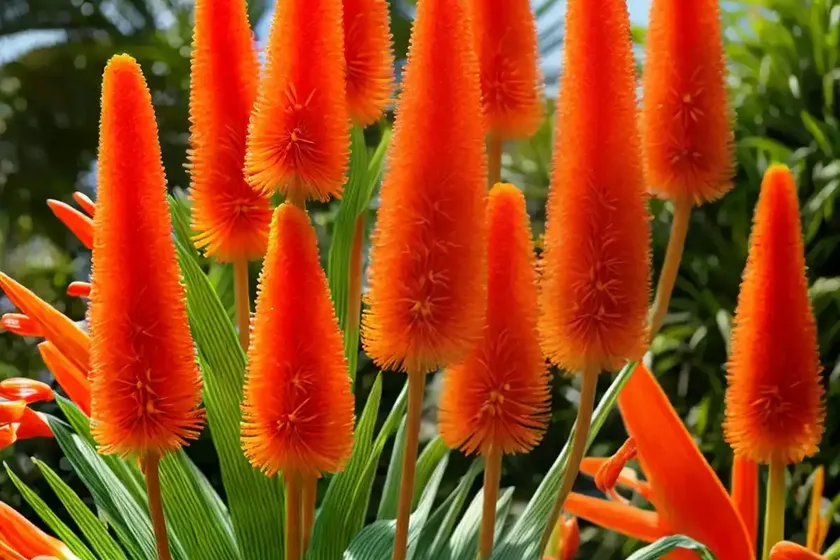
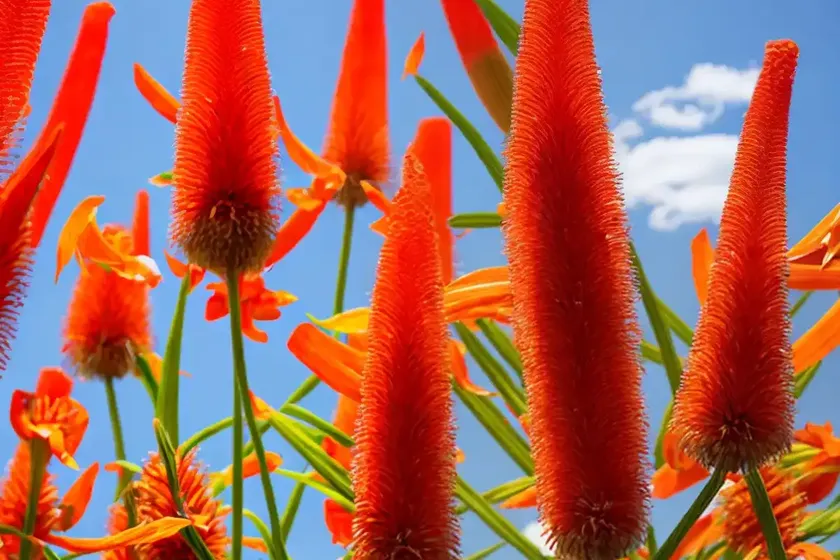
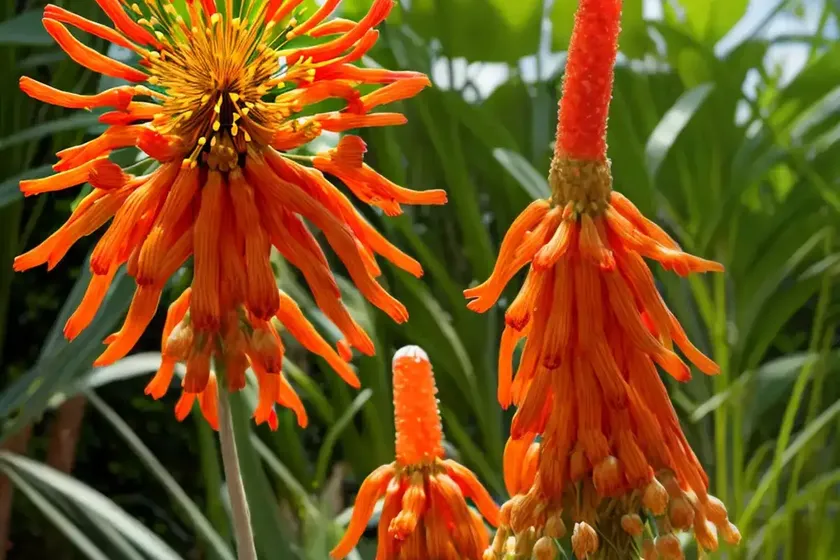
Kniphofia ‘Papaya Popsicle’ is a delightful perennial plant known for its stunning, torch-like flowers that emerge in vibrant shades of orange, red, and yellow. Belonging to the Asphodelaceae family, this striking cultivar is a hybrid variety derived from Kniphofia uvaria. The common name “Red Hot Poker” aptly describes the appearance of its flower spikes, which resemble the fiery hue of a poker.
Key Takeaways – Kniphofia ‘Papaya Popsicle’ (Red Hot Poker)
- Scientific Name: Kniphofia ‘Papaya Popsicle’
- Common Name: Red Hot Poker
- Family: Asphodelaceae
- Flower Color: Shades of orange, red, and yellow
- Plant Type: Perennial
- Origin: Hybrid variety derived from Kniphofia uvaria
Culture
Uses
- Garden Ornament: Kniphofia ‘Papaya Popsicle’ serves as an excellent ornamental plant in gardens, adding a bold splash of color and visual interest.
- Pollinator Attraction: The vibrant flowers of the Red Hot Poker attract pollinators such as bees, butterflies, and hummingbirds, making it a valuable addition to pollinator-friendly gardens.
Water
- Watering Needs: Red Hot Poker plants prefer well-draining soil and moderate watering. They are relatively drought-tolerant once established but benefit from regular watering during dry spells, especially in the growing season.
Sunlight
- Sun Requirements: Kniphofia ‘Papaya Popsicle’ thrives in full sun to partial shade. Adequate sunlight is crucial for the plant to produce its characteristic vibrant blooms.
Fertilizer
- Fertilization: In early spring, apply a balanced, slow-release fertilizer to promote healthy growth and prolific flowering. Additionally, organic compost can be incorporated into the soil to enrich its nutrient content.
Soil
- Soil Preferences: Red Hot Poker plants flourish in well-draining, fertile soil with a slightly acidic to neutral pH. Amending the soil with organic matter like compost improves its structure and fertility.
Pruning
- Pruning Tips: After the flowering season, the faded flower spikes can be deadheaded to promote the emergence of new blooms. Additionally, removing old or withered foliage enhances the plant’s aesthetic appeal and overall health.
Propagation
- Propagation Methods: Kniphofia ‘Papaya Popsicle’ can be propagated through division or by collecting and planting its seeds. Division is typically carried out during the plant’s dormant period, while seeds can be sown in a well-prepared seedbed.
Container Popularity
- Container Gardening: While Red Hot Poker plants are often grown in garden beds, they can also thrive in large containers or pots. This versatility makes them suitable for enhancing patios, balconies, and other outdoor spaces.
Common Diseases
- Disease Diagnosis: Red Hot Poker plants are generally resilient to diseases. However, they may occasionally encounter issues such as leaf spot, rust, or powdery mildew, especially in conditions of high humidity or poor air circulation.
Common Pests
- Pest Challenges: Kniphofia ‘Papaya Popsicle’ may attract pests like aphids, spider mites, or thrips. Regular monitoring and prompt pest management can help mitigate potential infestations.
Botanist’s Tips
- Mulching: Apply a layer of organic mulch around the base of the plant to conserve soil moisture, suppress weed growth, and provide insulation during temperature fluctuations.
- Companion Planting: Pair Red Hot Poker with complementary plants that thrive in similar growing conditions, creating visually appealing and ecologically beneficial garden compositions.
- Winter Care: In regions with cold winters, provide adequate protection to the plant by mulching the base and cutting back the foliage after the first frost.
Fun Facts
- The striking flower spikes of the Red Hot Poker have earned it the nickname “torch lily” due to its resemblance to a flaming torch.
- Kniphofia ‘Papaya Popsicle’ is a magnet for hummingbirds, enchanting these delicate avian visitors with its nectar-rich blooms.
Links to External Resources
To further enhance your understanding of Kniphofia ‘Papaya Popsicle’ and explore additional insights from botanical experts, I recommend delving into the following resources:
1. Royal Horticultural Society – Kniphofia ‘Papaya Popsicle’
2. Missouri Botanical Garden – Red Hot Poker Plant Profile
3. American Meadows – Growing Red Hot Poker
4. University of Florida IFAS Extension – Kniphofia Production Guide
In conclusion, Kniphofia ‘Papaya Popsicle’ or Red Hot Poker exemplifies the allure of ornamental plants, combining visual splendor with low-maintenance requirements. Whether adorning a garden bed or gracing a container display, this plant captivates onlookers with its brilliant blooms and ecological contributions. Embracing the cultural needs, care practices, and growth characteristics of Kniphofia ‘Papaya Popsicle’ enriches the horticultural journey and fosters a deep appreciation for nature’s botanical wonders.
As a plant scientist, I encourage all enthusiasts to explore the enchanting realm of Kniphofia ‘Papaya Popsicle’, uncovering the timeless allure and ecological significance of this beloved Red Hot Poker.
Remember to stay connected with nature and its botanical treasures, nurturing a harmonious relationship with the plant world. Happy gardening!


