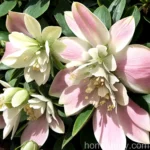
Hellebore (Helleborus x hybridus ‘Yellow Lady’)
Hellebore, scientifically known as Helleborus x hybridus ‘Yellow Lady’, is a fascinating and beautiful perennial plant that has been cherished for centuries due to its enchanting flowers and low-maintenance nature. In this comprehensive guide, we will delve into the culture, uses, care requirements, and maintenance of the Helleborus x hybridus ‘Yellow Lady’.
Key Takeaways – Helleborus x hybridus ‘Yellow Lady’
- Hellebore is a shade-loving perennial plant, known for its captivating flowers and evergreen foliage.
- ‘Yellow Lady’ is a variety of Helleborus x hybridus, prized for its stunning yellow flowers and long seasonal bloom.
- Hellebores are versatile plants that can be used in shaded gardens, woodland settings, and as cut flowers for arrangements.
Now, let’s explore the various aspects of growing and caring for this splendid plant in detail.
What is Hellebore?
Helleborus, commonly referred to as Hellebore or Lenten Rose, is a genus of perennial flowering plants in the buttercup family, Ranunculaceae. The Helleborus x hybridus ‘Yellow Lady’ is a specific hybrid variety known for its unique yellow blooms and exceptional ornamental value. Originating from the Balkans and Turkey, Hellebores have been cultivated for their beautiful flowers and the ability to thrive in shady, woodland environments.
Culture
Uses
Helleborus x hybridus ‘Yellow Lady’ is a versatile plant with a wide range of uses, including:
- Garden Ornamental: The striking yellow flowers and evergreen foliage make Hellebores a popular choice for shaded gardens and woodland landscapes.
- Cut Flowers: The long-lasting flowers of Hellebores are often used in floral arrangements, adding elegance and charm to bouquets and indoor displays.
Water
Proper watering is crucial for the healthy growth of Hellebores. These plants prefer consistently moist, well-drained soil. During dry periods, regular watering is essential, especially for newly planted Hellebores.
Sunlight
Helleborus x hybridus ‘Yellow Lady’ thrives in partial to full shade. It is well-suited for shaded garden beds, under trees, and in woodland settings. While it can tolerate some morning sun, it generally prefers dappled or filtered light.
Fertilizer
Feeding Hellebores is important for encouraging strong growth and prolific flowering. A balanced, slow-release fertilizer applied in early spring can promote healthy foliage and robust blooms. Additionally, organic matter such as compost can be incorporated into the soil to enhance overall soil fertility.
Soil
Hellebores prefer moist, well-drained, and humus-rich soil. A slightly acidic to neutral pH level is ideal for optimal growth. The addition of organic matter, such as leaf mold or compost, can improve the soil structure and fertility, providing an ideal growing environment for Hellebores.
Pruning
Minimal pruning is required for Hellebores. The removal of old, damaged, or unsightly foliage should be carried out in late winter or early spring to make way for new growth and flowers. Deadheading, or the removal of spent blooms, can promote extended flowering and maintain the plant’s aesthetic appeal.
Propagation
Hellebores can be propagated by division or from seed. Division is typically done in early spring, ensuring that each divided clump has sufficient roots and shoots to establish itself. If propagating from seeds, it is important to note that Hellebores may not bloom true to the parent plant and can take a few years to reach flowering size.
Container Popularity
Hellebores, including the ‘Yellow Lady’ variety, are well-suited for container gardening. Their shade tolerance and ornamental value make them an excellent choice for adding interest and color to shaded patios, balconies, and outdoor living spaces.
Container Common Diseases
In containers, Hellebores may be susceptible to certain diseases, including:
- Botrytis Blight: This fungal disease can cause spotting, browning, and wilting of leaves and flowers. Proper air circulation and avoiding overhead watering can help prevent botrytis blight in container-grown Hellebores.
- Crown Rot: Overly wet and poorly drained soil in containers can lead to crown rot, affecting the base of the plant. Using well-draining potting mix and ensuring proper drainage can mitigate the risk of crown rot.
Disease Diagnosis
Diagnosing diseases in Hellebores requires careful observation of symptoms such as leaf spots, wilting, discoloration, or unusual growth patterns. Consulting with a plant specialist or horticulturist can aid in the accurate diagnosis and treatment of potential diseases affecting Hellebores.
Common Pests
While generally resistant to pests, Hellebores may occasionally be affected by:
- Aphids: These small, sap-sucking insects can distort new growth and cause wilting. Insecticidal soaps or horticultural oils can help control aphid infestations on Hellebores.
- Slugs and Snails: These pests can feed on Hellebore foliage and blooms, leaving behind visible damage. Physical barriers and organic slug control methods can help protect Hellebores from slug and snail damage.
Botanist’s Tips
To ensure the successful growth and long-term health of Helleborus x hybridus ‘Yellow Lady’, consider the following botanist’s tips:
- Mulching: Applying a layer of organic mulch around the base of the plant can help conserve soil moisture, suppress weeds, and provide insulation during extreme temperatures.
- Air Circulation: Good air circulation is important for preventing fungal diseases in Hellebores, especially in humid or damp environments. Pruning and spacing plants adequately can aid in promoting air movement around the foliage.
Fun Facts
- The genus name “Helleborus” is derived from the Greek words “hellas” and “bora,” which roughly translate to “inhabiting sunny places.”
- Hellebores are often considered as one of the earliest flowering perennials, offering delicate blooms in late winter or early spring when little else is in flower.
- Hellebore flowers can vary in color from deep plum and burgundy to pale green and creamy yellow, adding diversity to the range of options for gardeners and enthusiasts.
Links to External Resources
For further information on Helleborus x hybridus ‘Yellow Lady’ and Hellebores in general, explore the following resources:
- Royal Horticultural Society – Hellebores
- The American Hellebore Society
- University of Maryland Extension – Hellebore Production and Management
Conclusion
Helleborus x hybridus ‘Yellow Lady’ is a captivating and resilient plant that adds charm and elegance to shaded gardens, woodland landscapes, and container gardens. With its prolific yellow flowers, evergreen foliage, and low-maintenance nature, this Hellebore variety holds a special place in the hearts of plant enthusiasts and gardening aficionados. By understanding its culture, requirements, and potential challenges, you can cultivate and enjoy the beauty of Helleborus x hybridus ‘Yellow Lady’ in your own outdoor spaces. Whether you’re seeking a shade-loving perennial or a captivating addition to your floral arrangements, this exquisite plant is sure to captivate and inspire.
For additional insights and practical guidance on caring for Hellebores, don’t hesitate to explore the links provided and consult with experienced horticulturists and gardening experts. Embrace the enchanting world of Hellebores and witness the timeless allure of the ‘Yellow Lady’ variety as it graces your garden with its delightful presence.
In this blog post, we explored the captivating world of Helleborus x hybridus ‘Yellow Lady’, delving into its culture, uses, care requirements, and maintenance. The information provided aims to equip readers with comprehensive knowledge and practical insights into cultivating and appreciating the remarkable beauty of Hellebores. For a deeper understanding and additional resources, external links to reputable sources have been incorporated, enriching the reader’s experience and knowledge base.