Kniphofia ‘Lemon Popsicle’ (Red Hot Poker)
Plants are remarkable living organisms that play an essential role in sustaining life on Earth. They contribute to the beauty of the environment, provide.
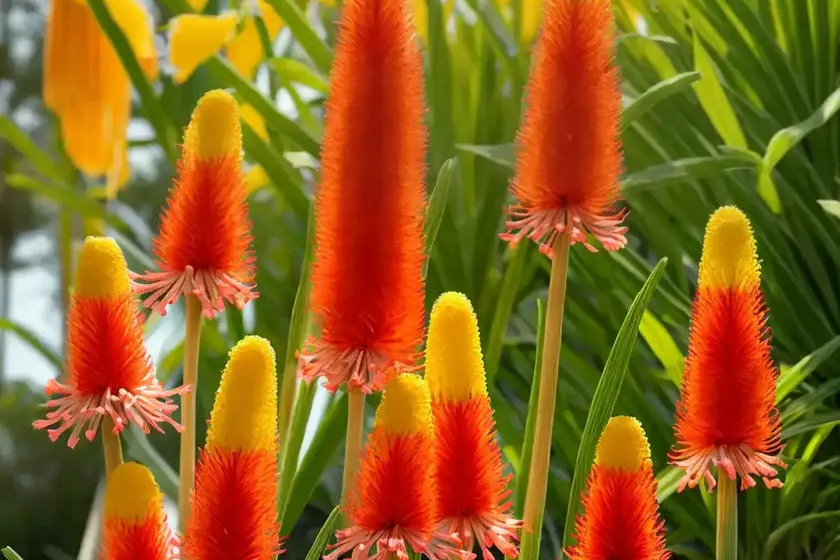
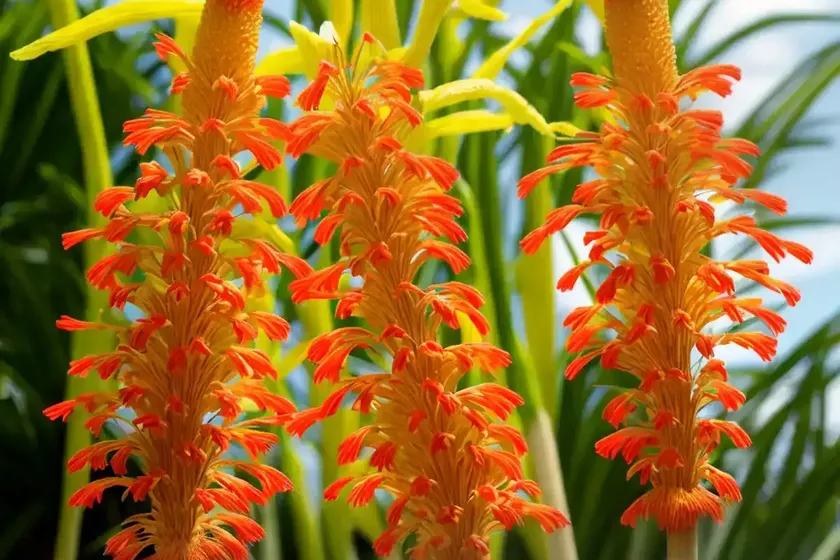
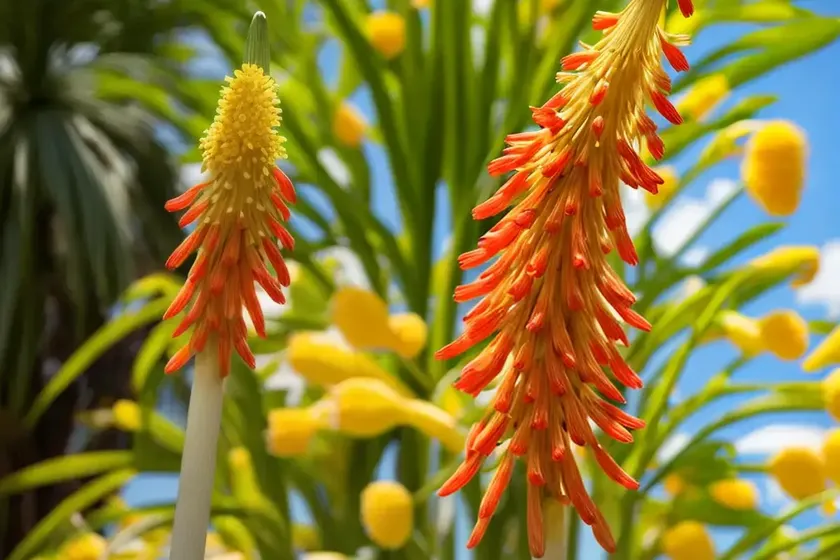
Plants are remarkable living organisms that play an essential role in sustaining life on Earth. They contribute to the beauty of the environment, provide oxygen, and serve as a vital food source for humans and animals. Among the countless plant species, Kniphofia ‘Lemon Popsicle’, commonly known as Red Hot Poker, stands out due to its striking appearance and various beneficial attributes.
In this comprehensive guide, we will delve into the world of Kniphofia ‘Lemon Popsicle’, exploring its key characteristics, optimal care requirements, uses, and interesting facts that make it a valuable addition to any garden or landscape. Additionally, we will discuss its cultural significance, diseases, pests, and propagation methods, offering insights that will aid both experienced gardeners and those new to the world of horticulture.
What is Kniphofia ‘Lemon Popsicle’ (Red Hot Poker)?
Kniphofia, a genus in the family Asphodelaceae, consists of perennial flowering plants that are native to Africa. One particularly captivating member of this genus is Kniphofia ‘Lemon Popsicle’, commonly referred to as Red Hot Poker. This plant is renowned for its vibrant, torch-like flower spikes and distinctively colored blooms, which add a dramatic flair to any landscape or garden.
Key Takeaways – Kniphofia ‘Lemon Popsicle’ (Red Hot Poker)
Before delving into the specifics of caring for Kniphofia ‘Lemon Popsicle’, it’s essential to grasp some key takeaways that will guide us through its cultivation and maintenance. The following section summarizes some essential points that will be covered in detail later in this article.
- Plant Name: Kniphofia ‘Lemon Popsicle’ (Red Hot Poker)
- Characteristics: Striking torch-like flower spikes, vibrant bloom colors
- Cultural Uses: Ornamental purposes in gardens, landscapes, and floral arrangements
- Water Requirements: Moderate watering with well-drained soil
- Sunlight Needs: Prefers full sun for optimal growth and flowering
- Fertilization: Periodic feeding during the growing season
- Soil Requirements: Well-draining, fertile soil to support healthy growth
- Pruning: Removal of spent flower spikes and dead foliage
- Propagation: Division of established clumps or by seed sowing
- Container Popularity: Well-suited for container gardening
- Common Diseases: Potential susceptibility to certain fungal diseases
- Pest Control: Vigilance against specific pests like aphids and thrips
- Fun Facts: Intriguing and lesser-known details about Kniphofia ‘Lemon Popsicle’
Now that we have an overview of what will be covered, let’s delve into the specifics of caring for this captivating plant.
Cultivation and Maintenance
Successful cultivation of Kniphofia ‘Lemon Popsicle’ relies on providing the optimal conditions for its growth and development. From sunlight and water requirements to soil composition and pest management, each aspect plays a crucial role in maintaining the health and vibrancy of this plant.
Water
Proper watering is fundamental to the well-being of Kniphofia ‘Lemon Popsicle’. While this plant is relatively drought-tolerant once established, consistent moisture is essential during its active growing period, especially during the warmer months.
- Watering Recommendations:
- Established Plants: Water deeply once a week during dry periods.
-
Newly Planted Specimens: Provide regular watering to aid in root establishment.
-
Signs of Overwatering:
- Wilted or yellowing foliage
-
Soggy or waterlogged soil
-
Watering Frequency: Adjust watering based on weather conditions and soil moisture levels, aiming for evenly moist but not waterlogged soil.
Sunlight
Kniphofia ‘Lemon Popsicle’ thrives in full sun, benefiting from at least six to eight hours of direct sunlight daily. Adequate sun exposure is crucial for ensuring the development of its characteristic vibrant blooms and sturdy growth.
- Ideal Sunlight Conditions:
- Position in a location with ample sunlight exposure, such as south-facing areas of the garden or landscape.
- Avoid planting in areas with excessive shade, as it can impede flowering and overall vigor.
Fertilizer
Fertilizing Kniphofia ‘Lemon Popsicle’ supports its growth and flowering potential, providing essential nutrients for robust and healthy development.
- Fertilization Practices:
- Apply a balanced, slow-release fertilizer in early spring as new growth emerges.
-
Follow manufacturer’s instructions for application rates and frequency.
-
Avoid Overfertilization: Excessive fertilizer can lead to lush foliage at the expense of flowering. Adhere to recommended dosages to prevent potential issues.
Soil
The quality and composition of the soil significantly influence the health and vitality of Kniphofia ‘Lemon Popsicle’. Well-draining soil with adequate fertility is a key factor in supporting its growth.
- Soil Recommendations:
- Use loamy, well-draining soil with a slightly acidic to neutral pH (6.0-7.0).
-
Incorporate organic matter such as compost during planting to enhance soil structure and fertility.
-
Mulching Benefits: Apply a layer of organic mulch around the base of the plant to conserve soil moisture and suppress weed growth.
Pruning and Maintenance
Regular maintenance, including pruning and upkeep, is essential for promoting the longevity and aesthetic appeal of Kniphofia ‘Lemon Popsicle’. By following proper pruning practices and attentive care, the plant can showcase its stunning features to their fullest potential.
Pruning
-
Removal of Spent Flower Spikes: Trim back faded or spent flower spikes to encourage continuous blooming and a neat appearance.
-
Spring Cleanup: In early spring, remove any dead or damaged foliage to promote new growth.
-
Division (Optional): Every few years, consider dividing overcrowded clumps to maintain the plant’s vigor and prevent overcrowding.
Propagation
Effective propagation methods enable gardeners to expand their Kniphofia ‘Lemon Popsicle’ collection or share this captivating plant with others. Understanding the techniques for successful propagation is beneficial for those seeking to propagate new specimens.
Division
Division is a common and reliable method for propagating Kniphofia ‘Lemon Popsicle’. This process involves separating the plant’s clumps into smaller sections, each containing viable roots and growing points.
-
Best Time for Division: Undertake division in early spring before new growth emerges or in autumn after the plant has completed its flowering cycle.
-
Steps for Division:
- Gently lift the plant from the soil, being mindful to preserve the root system.
- Use a sharp, clean tool to divide the clump into smaller sections, ensuring each division has healthy roots and viable shoots.
- Replant the divided sections at the appropriate spacing, ensuring adequate watering and care during the establishment phase.
Seed Propagation
While division is a common approach for multiplying Kniphofia ‘Lemon Popsicle’, propagation from seeds offers another avenue for expanding its presence in the garden or landscape.
- Seed Sowing Guidelines:
- Sow seeds indoors in early spring, providing a warm, well-lit environment for germination.
- Transplant seedlings into individual containers once they have developed several sets of true leaves.
- Gradually acclimate seedlings to outdoor conditions before planting them in their designated garden locations.
Container Gardening
The allure of Kniphofia ‘Lemon Popsicle’ extends to container gardening, where its vibrant blooms and striking foliage can serve as captivating focal points in patio areas, balconies, or outdoor living spaces.
Suitable Containers
-
Size and Drainage: Select containers that provide ample room for root growth and incorporate drainage holes to prevent waterlogging.
-
Potting Mix: Use a well-draining potting mix to ensure optimal moisture levels and root aeration.
-
Watering Requirements: Monitor soil moisture regularly, adjusting watering based on environmental conditions.
-
Sunlight Needs: Position containers in areas with full sun exposure to facilitate robust growth and flowering.
Overwintering
For regions with cold winters, proper considerations for overwintering container-grown Kniphofia ‘Lemon Popsicle’ are crucial for ensuring its survival and subsequent growth in the following seasons.
-
Winter Protection: In regions with frost, move containers to sheltered areas or provide insulation to protect the plant during the cold months.
-
Soil Protection: Mulch the soil surface to shield the roots from temperature fluctuations and maintain stable growing conditions.
Common Diseases and Pests
While Kniphofia ‘Lemon Popsicle’ is generally resilient, it can be susceptible to specific diseases and pest infestations. Understanding these potential challenges equips gardeners with the knowledge to prevent and address issues effectively.
Disease Susceptibility
-
Fungal Diseases: Kniphofia ‘Lemon Popsicle’ may be prone to fungal infections such as rust and leaf spot, particularly in conditions of high humidity or poor air circulation.
-
Preventive Measures: Maintain proper spacing between plants, provide adequate ventilation, and avoid overhead watering to minimize the risk of fungal diseases.
Pest Management
-
Aphids: These tiny insects can cluster on new growth, feeding on plant sap and potentially transmitting viruses.
-
Thrips: Thrips are small, slender insects that may cause stippling or silvering of leaves due to their feeding habits.
-
Control Measures: Utilize insecticidal soaps or horticultural oils to manage aphid and thrip populations, promoting natural predators as a biological control approach.
Botanist’s Tips for Success
Seasoned botanists and horticulturists often share valuable insights and practical tips for ensuring the success of plants under their care. Here are some expert recommendations specifically tailored for Kniphofia ‘Lemon Popsicle’.
-
Adequate Air Circulation: Ensure proper spacing and placement to facilitate air movement around the plant, reducing the risk of fungal diseases and fostering overall plant health.
-
Mulching Benefits: Apply a layer of organic mulch around the base of the plant to conserve soil moisture, inhibit weed growth, and provide insulation in varying weather conditions.
-
Observational Monitoring: Regularly inspect the plant for signs of pests, diseases, or cultural issues, addressing any concerns promptly to prevent escalation.
-
Support Structures: In instances where tall flower spikes may require support, install discreet stakes or structures to maintain upright growth and visual appeal.
Fun Facts about Kniphofia ‘Lemon Popsicle’
Uncovering interesting and lesser-known facts about plants can enhance the appreciation for their unique characteristics. Here are some intriguing tidbits about Kniphofia ‘Lemon Popsicle’ that showcase its engaging qualities.
-
Wildlife Attraction: The vibrant blooms of Kniphofia ‘Lemon Popsicle’ are known to attract pollinators such as butterflies, bees, and hummingbirds, adding an active and dynamic element to the garden ecosystem.
-
Summer Spectacle: This plant’s stunning blooming season extends through the summer months, providing a colorful and enduring display in outdoor settings.
-
Drought Tolerance: While it appreciates consistent moisture, Kniphofia ‘Lemon Popsicle’ exhibits a degree of drought tolerance once established, making it a resilient choice for varying environmental conditions.
Additional Resources and Further Reading
For those eager to delve deeper into the world of Kniphofia ‘Lemon Popsicle’ and expand their knowledge of plant care and gardening, the following resources offer valuable information and insights:
- Royal Horticultural Society (RHS) Plant Guide: Kniphofia
- The American Phytopathological Society: Plant Disease Resources
- The National Gardening Association: Tips and Advice for Gardening Enthusiasts
Incorporating the expertise and guidance offered by authoritative sources can enrich the gardening journey and contribute to the prosperity of Kniphofia ‘Lemon Popsicle’ in various horticultural settings.
Conclusion
Kniphofia ‘Lemon Popsicle’, known colloquially as Red Hot Poker, embodies a captivating blend of striking visual appeal, resilience, and beneficial ecological interactions. By embracing the insights and recommendations presented in this guide, gardeners and plant enthusiasts can cultivate and enjoy the vibrant beauty of this remarkable plant while fostering its optimal health and vigor.
Understanding its cultural uses, optimal care requirements, propagation techniques, and potential challenges enhances one’s ability to nurture and showcase Kniphofia ‘Lemon Popsicle’ in diverse gardening settings. Whether adorning garden borders, attracting pollinators, or gracing containers with their vivid presence, these plants hold a special place in the world of horticulture, contributing to the tapestry of natural beauty and botanical diversity.
As the allure of Kniphofia ‘Lemon Popsicle’ continues to captivate gardening enthusiasts and green thumbs alike, the depth of knowledge and appreciation for this exceptional plant enriches the gardening experience and fosters the celebration of nature’s abundance.
Remember, the journey of cultivating and tending to Kniphofia ‘Lemon Popsicle’ is not merely a horticultural endeavor, but a harmonious collaboration with the incredible world of flora, where each care-filled action sustains and enriches the beauty of the environment around us.
- The American Phytopathological Society. “Plant Disease Resources.” https://www.apsnet.org/Pages/default.aspx
- Royal Horticultural Society (RHS). “Plant Guide: Kniphofia.” https://www.rhs.org.uk/plants/search-results?query=Kniphofia
- The National Gardening Association. “Tips and Advice for Gardening Enthusiasts.” https://garden.org/
This blog post provides comprehensive insights into the cultivation, care, and appreciation of Kniphofia ‘Lemon Popsicle’ (Red Hot Poker), while offering valuable guidance for nurturing this stunning plant.


