Heliopsis helianthoides ‘Asahi’ (False Sunflower) – A Beautification Marvel for Your Garden
Heliopsis helianthoides ‘Asahi’, commonly known as False Sunflower ‘Asahi’, is a stunning perennial plant that can add a splash of color and vitality to any garden or landscape.
This article will provide an in-depth exploration of this remarkable plant, including its characteristics, cultivation, uses, care tips, maintenance, diseases and pests, fun facts, and much more.
What is Heliopsis helianthoides ‘Asahi’?
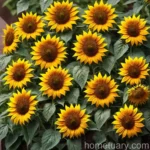
Heliopsis helianthoides ‘Asahi’ is a member of the Asteraceae family, which is native to North America. This plant is prized for its striking, daisy-like flowers and attractive foliage. It is a hardy perennial that blooms abundantly throughout the summer, showcasing vibrant yellow or golden-orange blossoms that resemble the appearance of true sunflowers.
The name “Asahi” translates to “morning sun” in Japanese, a fitting appellation for a plant that exudes radiant beauty and resilience. This cultivar is recognized for its vigor and ability to thrive in various growing conditions, making it a valuable addition to both informal and formal garden settings.
Let’s delve deeper into the key characteristics and features of Heliopsis helianthoides ‘Asahi’ and explore the wide array of possibilities it offers for gardeners and landscape enthusiasts.
Key Takeaways – Heliopsis helianthoides ‘Asahi’ (False Sunflower)
Characteristics
- Genus and Species: Heliopsis helianthoides
- Cultivar: ‘Asahi’
- Common Name: False Sunflower
- Family: Asteraceae
- Native Habitat: North America
Description
Heliopsis helianthoides ‘Asahi’ is a herbaceous perennial that typically reaches a height of 3 to 4 feet and spreads about 18 to 24 inches wide. It forms sturdy, upright stems adorned with lance-shaped leaves, and bears striking, daisy-like flowers with golden-yellow petals and deep brown centers. The overall growth habit is bushy and compact, with a profusion of blooms that appear atop the plant from early to late summer.
Growing Heliopsis helianthoides ‘Asahi’
- Hardy in USDA Hardiness Zones 3-9
- Thrives in full sun to partial shade
- Adaptable to various soil types and moisture conditions
Care Tips
- Drought-tolerant once established
- Low-maintenance plant
- Pruning for enhanced flowering
Now, let’s dive into the specific aspects of cultivating and caring for Heliopsis helianthoides ‘Asahi’, including its water and sunlight requirements, soil preferences, fertilization, pruning, and propagation techniques.
Culture
Uses
Heliopsis helianthoides ‘Asahi’ is a versatile plant that can serve multiple purposes in a garden or landscape setting:
- Ornamental Display: The vibrant, long-lasting blooms make it an ideal choice for adding visual appeal to borders, meadows, and wildflower gardens.
- Wildlife Attraction: The nectar-rich flowers attract pollinators like bees and butterflies, contributing to the overall ecological balance of the garden.
- Cut Flowers: The showy blossoms are suitable for creating stunning floral arrangements and bouquets.
- Naturalized Landscapes: It can be used to enhance naturalized or prairie-style landscapes, adding a touch of wild beauty to the surroundings.
Water
- Established Plants: Once established, False Sunflower ‘Asahi’ demonstrates good drought tolerance and generally requires minimal supplemental watering.
- Young Plants and Dry Conditions: Ample watering during the establishment phase is essential for robust root development. In extremely dry conditions, periodic irrigation may be beneficial to support healthy growth and flowering.
Sunlight
- Full Sun: Thrives in full sun, meaning it requires at least 6-8 hours of direct sunlight per day for optimal growth and flowering.
- Partial Shade: While it prefers full sun, it can tolerate partial shade, especially in regions with intense summer heat.
Fertilizer
- Soil Enrichment: Prior to planting, amending the soil with organic matter can provide a nutrient-rich foundation for the plant.
- Minimal Fertilization: Once established, False Sunflower ‘Asahi’ typically thrives without the need for regular fertilization. However, applying a balanced fertilizer in spring can encourage robust growth and blooming.
Soil
- Well-draining Soil: Performs best in well-drained soil to prevent waterlogged conditions, which may lead to root rot.
- Adaptability: While it prefers fertile, loamy soil, it exhibits remarkable adaptability to various soil types, including sandy or clay soils.
Pruning
- Spring Pruning: Trimming back the stems by one-third in early spring can promote bushier growth and increased flower production.
- Deadheading: Regular removal of spent flowers can extend the blooming period and maintain a tidy appearance.
Propagation
- Division: Propagation through division of mature clumps in early spring or fall.
- Seeds: Sowing seeds directly in the garden in early spring or fall. The seeds require light for germination, so they should not be buried deeply.
Container Popularity
Heliopsis helianthoides ‘Asahi’ is also well-suited for container gardening, offering the opportunity to enjoy its beauty on patios, balconies, or other confined spaces. The plant’s compact nature and striking flowers make it an attractive addition to container gardens, requiring minimal maintenance and providing continuous visual interest throughout the growing season.
Common Diseases and Pest Management
Common Diseases
False Sunflower ‘Asahi’ is generally resilient to most diseases, especially when grown in favorable conditions. However, some potential issues may include:
1. Powdery Mildew: Occurs in humid or poorly ventilated conditions. To prevent this, ensure proper air circulation and avoid overhead watering, especially during the evening.
2. Root Rot: Arises from waterlogged soil, highlighting the importance of well-draining soil and moderate watering practices.
3. Leaf Spot: Keep the foliage dry to discourage the onset of fungal leaf spot diseases.
Disease Diagnosis
Early diagnosis of potential diseases or disorders is critical to implementing effective treatment. Regular monitoring of the plant’s foliage and overall vigor is important to detect any signs of disease development. If any abnormalities are observed, prompt intervention through appropriate cultural practices or targeted treatments can help mitigate the issue and restore the plant’s health.
Common Pests
Heliopsis helianthoides ‘Asahi’ is relatively resistant to destructive pests, but occasional encounters with the following pests may occur:
1. Aphids: These tiny, sap-sucking insects may cluster on the tender new growth, leading to distorted foliage and reduced vigor. Regular inspection and intervention with appropriate insecticidal soap or horticultural oils can effectively manage aphid populations.
2. Spider Mites: These arachnids may cause stippling and discoloration of the leaves. Increased humidity and carefully directed water sprays can help prevent and control spider mite infestations.
Consistent monitoring of the plants, early pest detection, and prompt intervention can help maintain the health and vitality of False Sunflower ‘Asahi’ without the need for extensive pesticide applications.
Botanist’s Tips
- Companion Planting: Pair with other sun-loving perennials such as coneflowers (Echinacea spp.) and black-eyed Susans (Rudbeckia spp.) to create vibrant and harmonious garden compositions.
- Wildlife Gardens: Integrate False Sunflower ‘Asahi’ into wildlife-friendly gardens to attract and support beneficial pollinators and biodiversity.
- Naturalized Landscapes: Utilize its vigorous growth and splendid flowers to enhance the charm of naturalized or prairie-style landscapes, promoting ecological balance and visual appeal.
- Cut Flowers: Harvest the blooms for cheerful arrangements, bringing the charm of the garden indoors.
Fun Facts
- The name “Asahi,” meaning “morning sun,” reflects the plant’s preference for sunny locations and its bright, cheerful blooms reminiscent of the sun.
- The flowers of Heliopsis helianthoides ‘Asahi’ are rich in nectar, attracting a diverse array of pollinators, contributing to the vibrancy of the garden ecosystem.
- Its adaptability and low-maintenance nature make it an excellent choice for novice gardeners or those seeking an easy-to-grow yet visually striking plant.
Links to External Resources
For additional information about Heliopsis helianthoides ‘Asahi’ and related topics, consider exploring the following resources:
- The American Horticultural Society for comprehensive plant profiles and gardening tips.
- The Old Farmer’s Almanac for guidance on growing, care, and seasonal maintenance of False Sunflower ‘Asahi’.
- University Cooperative Extension Services for localized horticultural advice, including specific recommendations for your region.
In conclusion, Heliopsis helianthoides ‘Asahi’, the False Sunflower, stands out as a resilient, visually captivating, and ecologically valuable perennial plant that can enrich diverse garden settings and landscapes. Its adaptability, low-maintenance nature, and ornamental features make it a delightful choice for both experienced and novice gardeners seeking an effortless yet rewarding addition to their outdoor spaces. By incorporating False Sunflower ‘Asahi’ into your landscape, you can infuse your surroundings with the vibrant allure of its golden blooms and contribute to the vitality of your local ecosystem.
With the wealth of benefits and aesthetic appeal it offers, Heliopsis helianthoides ‘Asahi’ shines as a distinguished component of sustainable, wildlife-friendly, and visually captivating gardens, demonstrating the enduring charm and vitality of nature’s bountiful offerings.