Achillea Desert Eve Deep Rose (Yarrow)
As a plant scientist, I have always been fascinated by the diverse and resilient nature of plants. One such plant that has captivated my attention is the.
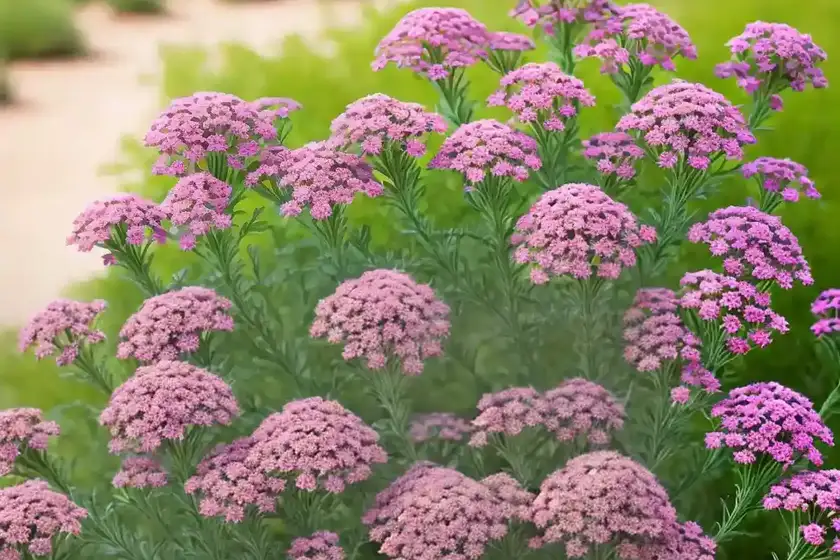
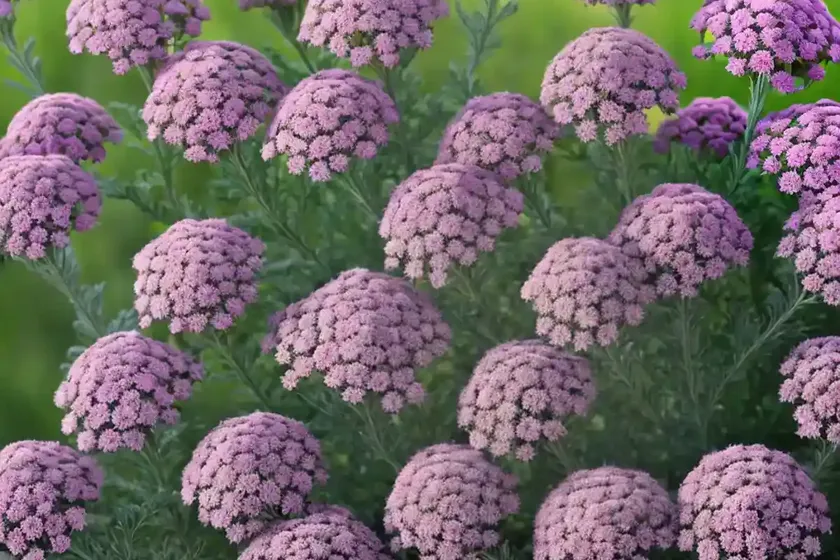
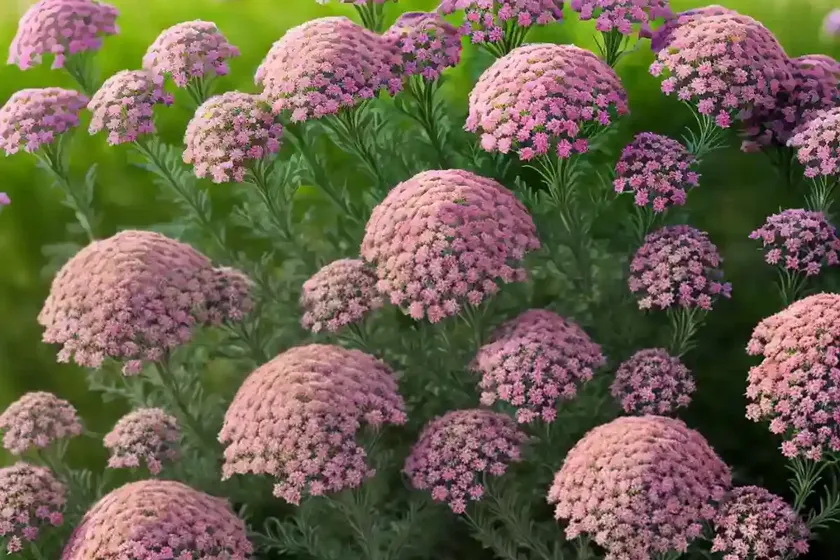
As a plant scientist, I have always been fascinated by the diverse and resilient nature of plants. One such plant that has captivated my attention is the Achillea Desert Eve Deep Rose, commonly known as Yarrow. The Achillea Desert Eve Deep Rose is a stunning perennial flower that belongs to the Achillea millefolium species. Renowned for its beautiful blossoms and numerous cultural, medicinal, and ornamental uses, the Achillea Desert Eve Deep Rose is a versatile and valuable addition to any garden or landscape. In this comprehensive guide, I will delve into the various aspects of the Achillea Desert Eve Deep Rose, including its cultivation, uses, maintenance, and fascinating attributes.
What is Achillea Desert Eve Deep Rose (Yarrow)?
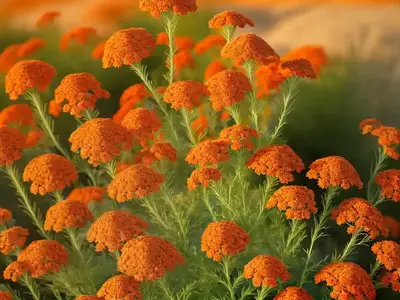
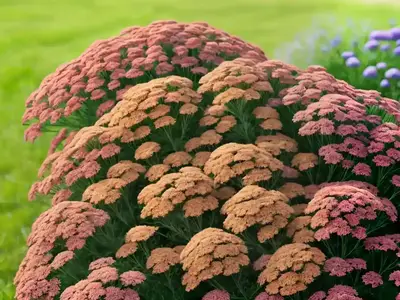
The Achillea Desert Eve Deep Rose, a member of the Achillea millefolium species, is a hardy perennial plant that is native to temperate regions of the Northern Hemisphere. It is characterized by its feathery, aromatic foliage and flat-topped clusters of vibrant flowers that bloom in an array of captivating hues, including deep rose, pink, and red. The foliage of the Achillea Desert Eve Deep Rose is finely divided, giving it a delicate and airy appearance.
Key Takeaways – Achillea Desert Eve Deep Rose (Yarrow)
Before delving into the intricacies of the Achillea Desert Eve Deep Rose, let’s summarize the key takeaways of this remarkable plant:
- Plant Name: Achillea Desert Eve Deep Rose (Yarrow)
- Botanical Name: Achillea millefolium
- Common Names: Yarrow, Desert Eve Deep Rose Yarrow
- Plant Type: Perennial
- Flower Color: Deep Rose, Pink, Red
- Foliage: Feathery, Aromatic
- Uses: Cultural, Medicinal, Ornamental
- Cultivation: Suitable for Borders, Containers, and Landscaping
- Special Features: Drought Tolerance, Wildlife Benefits
- Growth Habit: Spreading, Clump-Forming
With the key takeaways in mind, let’s explore the various facets of the Achillea Desert Eve Deep Rose in more detail.
Culture
Cultivating the Achillea Desert Eve Deep Rose is a rewarding endeavor, as this resilient plant thrives in various conditions and brings an abundance of beauty to the garden. Understanding the cultural requirements of the Achillea Desert Eve Deep Rose is essential for ensuring its optimal growth and prolific blooming.
Uses
The Achillea Desert Eve Deep Rose is prized for its versatility and myriad uses, making it a valuable addition to any garden or landscape. Its primary uses include:
- Cultural Uses: The Achillea Desert Eve Deep Rose is often used in cultural and traditional practices, owing to its historic significance and herbal properties. It has been utilized for its medicinal benefits, decorative qualities, and symbolic meanings in different cultures around the world.
- Ornamental Uses: As an ornamental plant, the Achillea Desert Eve Deep Rose adds vibrant color and visual interest to gardens, borders, and landscapes. Its attractive foliage and profuse flowering make it a popular choice for enhancing the aesthetic appeal of outdoor spaces.
- Medicinal Uses: Yarrow, including the Achillea Desert Eve Deep Rose variety, has a rich history of medicinal use. From herbal remedies to therapeutic preparations, yarrow has been valued for its healing properties and is still utilized in natural medicine and alternative therapies.
Water
The Achillea Desert Eve Deep Rose exhibits good drought tolerance once established, making it well-suited to xeriscapes and dry garden areas. However, regular watering is crucial during the plant’s establishment phase and in periods of prolonged drought or extreme heat. Adequate moisture is necessary to support healthy growth and prolific flowering.
Sunlight
Achillea Desert Eve Deep Rose flourishes in full sun, thriving in bright, unobstructed sunlight for most of the day. While it can tolerate partial shade, especially in regions with intense afternoon sun, the plant typically performs best when provided with ample sunlight.
Fertilizer
This adaptable plant has relatively low fertilizer demands and is resilient in nutrient-deficient soils. A balanced, slow-release fertilizer applied in spring can help support the Achillea Desert Eve Deep Rose’s growth and bloom production. However, excessive fertilization should be avoided, as it can lead to lush foliage at the expense of flowering.
Soil
The Achillea Desert Eve Deep Rose adapts well to a range of soil types, provided that the soil is well-drained. Sandy or loamy soils are ideal for this plant, as they prevent waterlogging and promote healthy root development. A neutral to slightly acidic soil pH is generally suitable for the Achillea Desert Eve Deep Rose, although it can tolerate slightly alkaline conditions.
Pruning
Pruning the Achillea Desert Eve Deep Rose is a straightforward task that primarily involves deadheading spent blooms and cutting back the plant to maintain its shape and encourage repeat blooming. Regular deadheading not only prolongs the flowering period but also prevents self-seeding and helps the plant channel its energy into producing new blossoms.
Propagation
Propagating the Achillea Desert Eve Deep Rose can be accomplished through various methods, including division, stem cuttings, and seed propagation. Each approach has its unique benefits and considerations, allowing gardeners to propagate this charming plant to expand their yarrow collection or share it with fellow gardening enthusiasts.
Container Popularity
The Achillea Desert Eve Deep Rose is well-suited to container cultivation, making it an excellent choice for adding color and texture to patios, balconies, and small outdoor spaces. Its compact growth habit and vibrant blooms make it an attractive container plant, providing versatility for gardeners with limited garden space.
Common Diseases
The Achillea Desert Eve Deep Rose is generally resistant to many common plant diseases. However, certain environmental conditions or cultural practices can predispose the plant to issues such as powdery mildew, root rot, and aster yellows. Vigilant monitoring and proactive measures can help prevent and manage these potential ailments.
Disease Diagnosis
Diagnosing plant diseases requires careful observation and consideration of the symptoms exhibited by the Achillea Desert Eve Deep Rose. Common signs of disease may include abnormal discoloration, wilting, stunted growth, or unusual spots or lesions on the plant’s foliage. Accurate diagnosis is essential for implementing targeted treatment strategies.
Common Pests
While the Achillea Desert Eve Deep Rose is relatively resistant to pest infestations, it may occasionally encounter nuisance pests such as aphids, spider mites, and caterpillars. Timely detection and appropriate pest management practices can effectively mitigate pest-related issues without compromising the plant’s overall health.
Botanist’s Tips
Drawing upon my expertise as a plant scientist, I have compiled a set of valuable tips for cultivating and caring for the Achillea Desert Eve Deep Rose:
- Well-Drained Soil: Ensure that the Achillea Desert Eve Deep Rose is planted in well-drained soil to prevent waterlogging, which can be detrimental to the plant’s health.
- Deadheading: Regular deadheading not only promotes continuous blooming but also prevents the plant from self-seeding excessively.
- Full Sun: Provide the Achillea Desert Eve Deep Rose with ample sunlight to encourage robust growth and abundant flowering.
- Disease Prevention: Implement cultural practices that promote good air circulation and minimize moisture on the foliage to reduce the risk of disease development.
Fun Facts
Delving into the realm of Yarrow yields intriguing and captivating facts about this remarkable plant:
- Myth and Folklore: Yarrow has a rich history steeped in myth and folklore, with diverse cultures attributing magical, medicinal, and mystical properties to the plant. From love divination to protective talismans, yarrow has been revered for its symbolic significance.
- Natural Dye: The flowers of Yarrow, including the Desert Eve Deep Rose variety, can be used to produce natural dyes, yielding an array of soft, earthy hues that have been cherished by artisans and crafters for centuries.
- Pollinator Magnet: Yarrow is a magnet for pollinators, such as bees and butterflies, due to its nectar-rich flowers and appealing fragrance. By planting Yarrow, gardeners can attract and support vital pollinators in their outdoor spaces.
Links to External Resources
For further exploration of the Achillea Desert Eve Deep Rose and Yarrow, I recommend the following resources:
- Royal Horticultural Society (RHS) – Growing Achillea/details)
- University of Maryland Extension – Yarrow Fact Sheet
- North Carolina State University – Yarrow: A Perennial Masterpiece
In conclusion, the Achillea Desert Eve Deep Rose (Yarrow) stands as a mesmerizing and adaptable garden plant, offering an array of cultural, ornamental, and medicinal benefits. Its resilience, vibrant blooms, and cultural significance make it a cherished addition to diverse outdoor settings, from traditional gardens to modern landscapes. By embracing the unique attributes and horticultural potential of the Achillea Desert Eve Deep Rose, gardeners can unlock a world of beauty and vitality in their outdoor spaces.