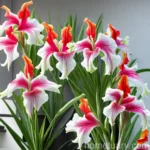
Gladiolus tristis (Marsh Afrikaner)
Gladiolus tristis, commonly known as the Marsh Afrikaner, is a stunning and unique flowering plant that belongs to the Gladiolus genus. This beautiful plant is native to South Africa and is known for its elegant yellow flowers that bloom in the late winter and early spring. With its striking appearance and graceful presence, Gladiolus tristis has become increasingly popular among gardeners and flower enthusiasts around the world.
In this blog post, I will provide an in-depth exploration of the Gladiolus tristis plant, covering its cultural significance, growth requirements, uses, and much more. Whether you are an aspiring botanist, a gardening enthusiast, or simply someone who appreciates the beauty of nature, this comprehensive guide will offer valuable insights into the captivating world of Gladiolus tristis.
What is Gladiolus tristis?
Before delving into the specific details of Gladiolus tristis, it is essential to understand the broader context of this remarkable plant. Gladiolus tristis is a perennial herbaceous plant that belongs to the Iridaceae family. The genus Gladiolus consists of over 260 species, with Gladiolus tristis being one of the standout varieties due to its distinctive characteristics and ornamental value.
Key Takeaways – Gladiolus tristis
Here are some key takeaways about Gladiolus tristis:
- Scientific Name: Gladiolus tristis
- Common Name: Marsh Afrikaner
- Family: Iridaceae
- Native Habitat: South Africa
- Flowering Period: Late winter to early spring
- Flower Color: Yellow
- Growth Form: Herbaceous perennial
Now, let’s embark on an exploration of the various aspects of Gladiolus tristis, including its cultural significance, growth requirements, and applications in gardening and landscaping.
Culture
The culture of a plant encompasses its historical, social, and symbolic significance within human society. Understanding the cultural dimensions of Gladiolus tristis provides valuable insights into its place in history, folklore, and the arts.
Cultural Significance
Throughout history, Gladiolus tristis has held cultural significance in various societies, particularly in its native South Africa. The vibrant yellow flowers of Gladiolus tristis have been associated with different symbolic meanings, such as renewal, hope, and resilience in the face of adversity. In some traditional African cultures, the plant has been used in rituals and ceremonies to symbolize emotional and spiritual transformation.
In addition to its symbolic importance, Gladiolus tristis has also been featured in art, literature, and folklore, serving as an inspiration for poets, painters, and storytellers. Its elegant flowers and graceful form have made it a beloved subject in botanical illustrations and garden design, further contributing to its cultural legacy.
By exploring the cultural significance of Gladiolus tristis, we gain a deeper appreciation for the plant’s role in human history and its enduring influence on artistic expression and cultural traditions.
Uses
The uses of Gladiolus tristis encompass a wide range of practical, aesthetic, and ecological applications. From its ornamental value in garden design to its potential medicinal and ecological benefits, this remarkable plant offers numerous uses and benefits to both humans and the environment.
Ornamental Use
One of the most prominent uses of Gladiolus tristis is its ornamental value in gardening and landscaping. The elegant and fragrant yellow flowers of Gladiolus tristis make it a prized addition to flower beds, borders, and mixed perennial plantings. Whether grown in mass plantings or as individual specimens, the plant’s graceful blooms add a touch of elegance and beauty to garden settings.
Medicinal Potential
In addition to its ornamental use, Gladiolus tristis has been explored for its potential medicinal properties. Traditional herbal medicine systems have utilized various parts of the plant for their purported therapeutic effects. From treating respiratory ailments to soothing inflammatory conditions, the medicinal uses of Gladiolus tristis warrant further scientific investigation to unlock its healing potential.
Ecological Benefits
The presence of Gladiolus tristis in its native habitat contributes to the ecological diversity and balance of South African ecosystems. As a flowering plant, it provides nectar and pollen sources for pollinators, supporting the health and vitality of local insect populations. Furthermore, the presence of Gladiolus tristis adds visual diversity to natural landscapes, enhancing the aesthetic appeal of wild habitats.
By recognizing the diverse uses and benefits of Gladiolus tristis, we can appreciate its value from both practical and ecological perspectives, highlighting its versatility and impact on various aspects of human life and the natural world.
Water
Proper watering is essential for the health and vitality of Gladiolus tristis, ensuring that it receives adequate moisture without being subjected to waterlogging or drought stress. Understanding the water requirements of the plant is crucial for achieving optimal growth and flowering performance.
Watering Needs
Gladiolus tristis thrives in well-drained soil that is kept consistently moist during the growing season. As a bulbous plant, it relies on sufficient moisture to support its growth and flowering cycle. When establishing Gladiolus tristis in the garden, it is important to provide regular watering, especially during dry spells or periods of high temperatures. Adequate irrigation supports the development of robust foliage and promotes the formation of flower buds.
However, it is equally important to avoid overwatering, as excessive moisture can lead to root rot and other water-related issues. To prevent waterlogging, it is advisable to plant Gladiolus tristis in soil with good drainage and to monitor its watering regime, adjusting it according to the prevailing weather conditions.
By maintaining an optimal balance of moisture in the soil, gardeners can ensure the long-term health and vigor of Gladiolus tristis, allowing it to flourish and display its stunning yellow blooms with vitality and beauty.
Sunlight
The sunlight requirements of Gladiolus tristis play a critical role in its growth and flowering performance. Providing the plant with the appropriate levels of sunlight is essential for cultivating strong, healthy plants that are capable of producing vibrant and abundant blooms.
Sun Exposure
Gladiolus tristis thrives in full sunlight, benefiting from at least 6-8 hours of direct sunlight each day. When selecting a planting location for Gladiolus tristis, it is important to choose a site that receives ample sunlight and is not subjected to prolonged periods of shade or low light levels. Adequate sunlight exposure supports photosynthesis, the process by which plants convert light energy into chemical energy, enabling them to produce the sugars and nutrients needed for growth and floral development.
By optimizing its exposure to sunlight, Gladiolus tristis can maximize its energy reserves and channel them into the production of healthy foliage and vibrant flowers, resulting in a visually stunning and thriving plant that captivates with its radiant beauty.
Fertilizer
Fertilization is a key aspect of caring for Gladiolus tristis, providing essential nutrients that support its growth, development, and flowering capacity. By understanding the fertilizer requirements of the plant, gardeners can ensure that it receives the necessary elements for robust and healthy performance.
Fertilization Tips
When it comes to fertilizing Gladiolus tristis, it is important to use a balanced, water-soluble fertilizer that is formulated for flowering bulbs and perennial plants. Before planting the bulbs, incorporating a layer of compost or well-rotted organic matter into the soil can help provide a nutrient-rich foundation for the developing plants.
Once the plants have emerged and are actively growing, applying a small amount of balanced fertilizer around the base of each plant can help support their nutritional needs. It is important to follow the manufacturer’s recommendations regarding application rates and frequency to avoid over-fertilization, which can lead to nutrient imbalances and potential adverse effects on plant health.
By providing appropriate fertilization, gardeners can enhance the vigor and flowering potential of Gladiolus tristis, ensuring that it thrives and dazzles with its luminous displays of yellow blossoms.
Soil
The soil requirements of Gladiolus tristis are pivotal in creating a suitable growing environment that supports its health, root development, and overall performance. Understanding the type of soil that best suits the plant’s needs is crucial for successful cultivation and optimal flowering.
Soil Requirements
Gladiolus tristis thrives in well-drained, loamy soil that is rich in organic matter. The soil should have good structure and texture, allowing for proper aeration and water infiltration while preventing excessive water retention. Prior to planting, it is beneficial to prepare the soil by incorporating organic compost or well-rotted manure, which enriches the soil with nutrients and improves its overall quality.
In addition to soil fertility, it is important to consider the soil pH, aiming for a slightly acidic to neutral range (pH 6.0-7.0) that is conducive to nutrient uptake and root health. Conducting a soil test prior to planting can provide valuable insights into the existing soil conditions, allowing for targeted amendments and adjustments to create an optimal growing medium for Gladiolus tristis.
By meeting the soil requirements of the plant, gardeners can create a nurturing foundation that promotes strong root development and robust growth, enabling Gladiolus tristis to thrive and express its full ornamental potential.
Pruning
Pruning plays a vital role in maintaining the form, health, and flowering performance of Gladiolus tristis. Proper pruning practices help manage the plant’s growth, remove spent flowers, and encourage the development of new blooms, contributing to a tidy and attractive appearance.
Pruning Techniques
When it comes to Gladiolus tristis, pruning primarily focuses on the removal of spent flower spikes and old foliage. As the flowers fade and the bloom period draws to a close, it is advisable to deadhead the plants by carefully removing the spent flower spikes. This not only improves the plant’s appearance but also directs its energy towards producing new flower buds rather than setting seeds.
In addition to deadheading, the removal of yellowing or withered foliage can help maintain a neat and tidy appearance, reducing the risk of disease and enhancing the plant’s overall health. It is important to use clean, sharp pruning shears to make precise cuts, minimizing the risk of damage and promoting rapid healing of the plant tissues.
By practicing regular pruning, gardeners can ensure that Gladiolus tristis remains in peak condition, exhibiting a clean, healthy, and visually appealing presence in the garden landscape.
Propagation
The propagation of Gladiolus tristis offers an opportunity to expand the plant’s presence in the garden and share its beauty with others. Understanding the methods of propagation allows gardeners to multiply their plant stock and cultivate new generations of this remarkable species.
Propagation Methods
Gladiolus tristis can be propagated through several methods, including division of corms and seed propagation. Division involves separating the corms, which are underground storage organs, and replanting them to establish new plants. This method is typically performed when lifting and dividing the corms for rejuvenation and maintenance purposes, allowing for the creation of multiple planting units from a single parent corm.
Seed propagation, on the other hand, offers an alternative means of increasing the plant population, though it requires more time and patience due to the longer germination and growth process. By collecting and sowing the seeds in a well-prepared seedbed, gardeners can cultivate new seedlings that may eventually grow into mature Gladiolus tristis plants, each exhibiting its own unique traits and characteristics.
Propagation presents an opportunity for gardeners to actively participate in the preservation and propagation of Gladiolus tristis, contributing to its conservation and continued enjoyment in horticultural settings.
Container Gardening
The versatility of Gladiolus tristis makes it well-suited for cultivation in containers, allowing gardeners to enjoy its beauty in a variety of outdoor and indoor settings. Container gardening offers numerous advantages, providing flexibility, portability, and the ability to create customized floral displays.
Container Use
When growing Gladiolus tristis in containers, it is important to select a sufficiently large and sturdy container that allows for adequate root development and stability. The container should have drainage holes to prevent water accumulation and root suffocation, promoting a healthy growing environment for the plants.
Using well-draining potting mix specifically formulated for flowering plants and bulbs can help create an optimal substrate for Gladiolus tristis, providing the necessary nutrients and aeration essential for its growth. Placing the containers in a location that receives ample sunlight is important, as adequate light exposure is crucial for the plant’s vitality and flowering performance.
Container gardening offers the flexibility to showcase Gladiolus tristis on patios, balconies, or indoor spaces, allowing its radiant yellow blooms to brighten and enliven any environment with their enchanting presence.
Popularity
The increasing popularity of Gladiolus tristis in horticultural and floral circles reflects the growing appreciation for its unique and captivating attributes. As a beloved ornamental plant, Gladiolus tristis continues to captivate the hearts and imaginations of gardeners and flower enthusiasts worldwide.
Popularity in Gardens
Gardens and landscapes adorned with Gladiolus tristis benefit from the plant’s ethereal beauty, adding a touch of elegance and charm to outdoor spaces. Whether grown as individual specimens, mass plantings, or mixed with other companion plants, the plant’s graceful yellow flowers command attention and admiration, enhancing the visual appeal of any garden setting.
Floral Arrangements
Gladiolus tristis has also found favor in the realm of floral design, where its long, slender stems and radiant flowers are used to create striking floral arrangements and bouquets. Its timeless beauty and graceful form make it an appealing choice for floral designers seeking to incorporate elegance and vibrancy into their compositions.
As its popularity continues to grow, Gladiolus tristis remains a cherished and sought-after plant for both garden cultivation and floral design, captivating enthusiasts with its enduring charm and alluring presence.
Common Diseases
While Gladiolus tristis is generally resilient, it is important to be aware of the potential diseases that may affect the plant, posing risks to its health and vitality. Understanding common diseases and their symptoms enables proactive management and protective measures to safeguard the well-being of the plant.
Disease Diagnosis
Some of the common diseases that can afflict Gladiolus tristis include:
- Botrytis Blight: This fungal disease, caused by Botrytis spp., manifests as grayish mold on flowers and foliage, often occurring in humid or wet conditions.
- Fusarium Wilt: Caused by Fusarium oxysporum, this fungal disease leads to wilting, yellowing, and stunted growth of the plants, often resulting in the collapse of the foliage.
- Leaf Blight: Characterized by brown or black spots on the leaves, leaf blight can be caused by various fungal pathogens, leading to foliage damage and reduced photosynthetic capacity.
Diagnosing these diseases involves observing the symptoms, such as discoloration, lesions, wilting, or unusual growth patterns, and seeking expert guidance when necessary for accurate identification and management.
By recognizing the common diseases that can affect Gladiolus tristis, gardeners can implement preventative measures and targeted treatments to mitigate the risks and preserve the health and vigor of the plants.
Common Pests
In addition to diseases, Gladiolus tristis may also be vulnerable to various pests that can pose challenges to its growth and flowering. Being aware of common pests and their behaviors empowers gardeners to implement effective pest management strategies and protect the plants from potential harm.
Pest Control
Some of the common pests that may affect Gladiolus tristis include:
- Thrips: These tiny, slender insects feed on the plant’s foliage and flowers, leaving behind silvery or brownish scars and causing aesthetic damage.
- Aphids: Small, soft-bodied insects that congregate on new growth and flower buds, feeding on plant sap and potentially spreading viral diseases.
- Spider Mites: These arachnids can infest the plant and cause stippling, discoloration, and weakening of the foliage, particularly in dry and warm conditions.
Implementing pest control measures may involve practices such as regular monitoring, physical removal of pests, application of insecticidal soaps or horticultural oils, and the use of beneficial predatory insects to manage pest populations effectively and minimize damage to Gladiolus tristis.
By addressing common pests proactively and employing integrated pest management strategies, gardeners can help safeguard the health and beauty of Gladiolus tristis, ensuring its ability to flourish and thrive in the garden.
Botanist’s Tips
As a plant scientist, it is my privilege to share some valuable tips and insights for cultivating and appreciating Gladiolus tristis. These botanist’s tips offer practical guidance and expert advice for enthusiasts looking to enhance their knowledge and care for this captivating plant.
Botanical Features
When observing Gladiolus tristis, take note of its distinct botanical features, including:
- Sword-Shaped Leaves: The plant’s foliage consists of long, linear leaves that resemble slender swords, adding a graceful and structural element to its visual appeal.
- Elegant Flowers: The yellow flowers of Gladiolus tristis are distinguished by their graceful form, delicate texture, and enchanting fragrance, making them a focal point of admiration.
Growth Requirements
To support the growth and well-being of Gladiolus tristis, prioritize the following requirements:
- Moisture: Ensure that the plant’s soil remains consistently moist but well-drained to provide the necessary hydration for healthy growth and flowering.
- Sunlight: Optimize the plant’s exposure to full sunlight, allowing it to harness the energy needed for photosynthesis and overall vitality.
Garden Design
Incorporate Gladiolus tristis into garden designs and landscaping layouts, considering its visual impact and potential companionship with other plants. Pairing it with complementary flowers, foliage, and textures can create captivating compositions and enhance the overall beauty of the garden.
Observational Skills
Develop keen observational skills to monitor the plant’s growth, detect signs of stress or infestation, and assess its flowering performance. Regular observation provides valuable insights into the plant’s health and allows for timely interventions when necessary to support its well-being.
Enriching Soil
Prioritize soil enrichment with organic matter, such as compost or well-rotted manure, to create a nourishing and balanced growing medium for Gladiolus tristis. Well-prepared soil sets the stage for robust root development and vibrant floral displays.
Vigilance Against Pests and Diseases
Stay vigilant against potential pests and diseases, implementing proactive measures to prevent infestations and address any issues promptly. Regular care and monitoring help maintain a protective shield around the plants, minimizing risks to their health.
By embracing these botanist’s tips, gardeners and enthusiasts can cultivate a deeper understanding of Gladiolus tristis and elevate their care practices, ensuring the plant’s resilience, grace, and exceptional beauty.
Fun Facts
Exploring the world of Gladiolus tristis unveils a tapestry of intriguing and delightful fun facts that add depth and fascination to its botanical profile. These fun