Hypericum X Inodorum ‘Red Star’ (St. John’s Wort)
Hypericum x inodorum ‘Red Star,’ commonly known as St. John’s Wort, is a beloved perennial plant renowned for its vibrant appearance and numerous cultural.
Hypericum x inodorum ‘Red Star,’ commonly known as St. John’s Wort, is a beloved perennial plant renowned for its vibrant appearance and numerous cultural and medicinal uses. This comprehensive guide will delve into the characteristics, cultivation techniques, uses, and maintenance of this remarkable plant, providing valuable insights for both gardening enthusiasts and horticultural professionals.
What is Plant: Hypericum x inodorum ‘Red Star’ (St. John’s Wort)
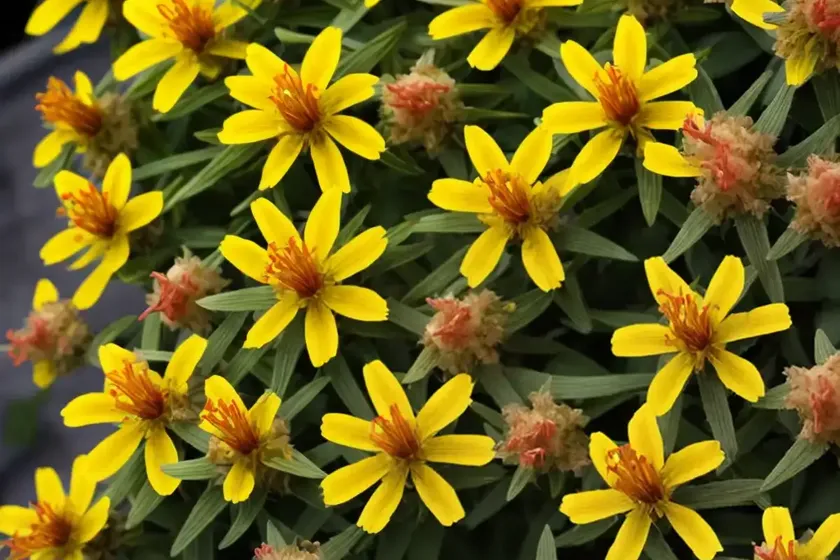
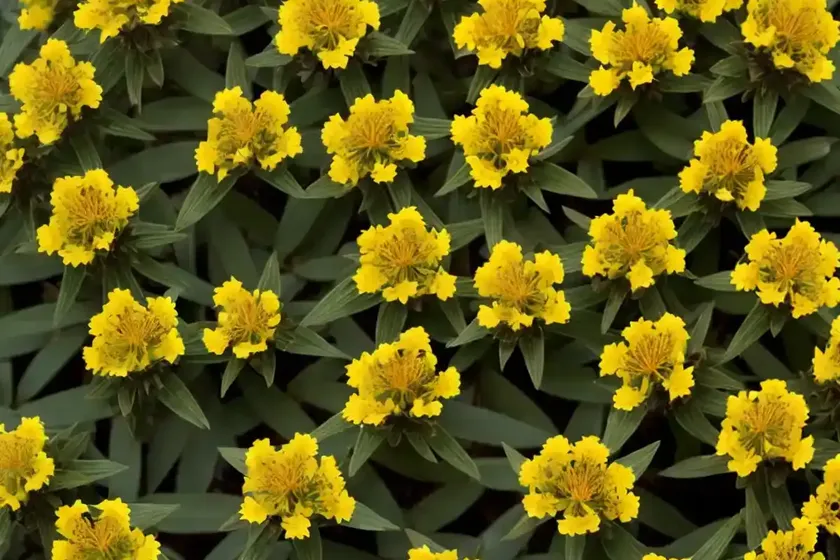
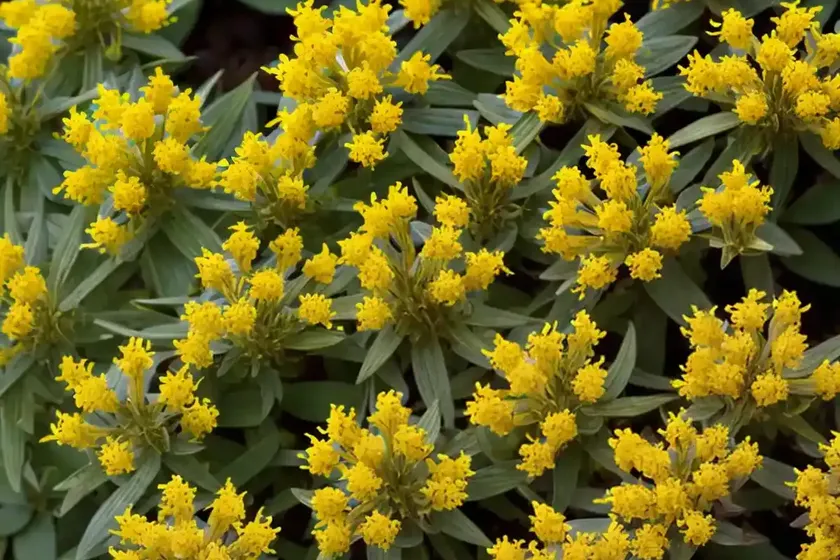
Hypericum x inodorum ‘Red Star’ is a hybrid selection of St. John’s Wort, a member of the Hypericaceae family. It is characterized by its compact growth habit, stunning yellow flowers with prominent stamens, and attractive green foliage. As a perennial shrub, it typically reaches a height and width of 2 to 3 feet, making it an ideal choice for various landscape settings, including borders, mixed perennial gardens, and naturalistic plantings.
The ‘Red Star’ cultivar derives its name from the striking crimson-colored buds that precede the golden-yellow blossoms, adding an enchanting visual contrast to the plant. This cultivar is esteemed for its extended flowering period, which typically spans from late spring to early fall, ensuring a continuous display of color and vitality in the garden.
Key Takeaways – Hypericum x inodorum ‘Red Star’ (St. John’s Wort)
The following key takeaways provide a succinct overview of important aspects related to the cultivation and maintenance of Hypericum x inodorum ‘Red Star’:
- Characteristics: Compact growth habit, yellow flowers with crimson buds, extended flowering period.
- Care: Requires regular watering, well-drained soil, and adequate sunlight. Pruning is essential to maintain its shape and vigor.
- Growing Tips: Thrives in various soil types, including loamy and sandy soils, and exhibits remarkable resilience in different climatic conditions.
- Pruning Techniques: Prune in early spring to remove dead or damaged wood and promote new growth. Deadheading spent flowers encourages continuous blooming.
- Propagation Methods: Primarily propagated through stem cuttings and division. Seeds can also be used for propagation, although they may not produce true-to-type plants.
- Common Pests: Susceptible to aphids, scale insects, and spider mites. Regular monitoring and appropriate pest management practices are crucial for preventing infestations.
- Disease Prevention: Prone to fungal diseases such as powdery mildew and rust. Proper air circulation and moisture management help mitigate disease risks.
- Fertilizer Requirements: Generally low-maintenance, but can benefit from a balanced fertilizer application in early spring to support healthy growth and flowering.
- Companion Plants: Complements well with a diverse range of perennials, including lavender, salvia, and ornamental grasses, due to its versatile and adaptable nature.
- Container Gardening: Well-suited for container cultivation, providing an opportunity to showcase its vibrant blooms in various outdoor settings.
Now, let’s explore each of these aspects in detail to gain a comprehensive understanding of the cultivation and care of Hypericum x inodorum ‘Red Star’ (St. John’s Wort).
Culture
Uses
Hypericum x inodorum ‘Red Star’ holds significant cultural and horticultural value, serving both aesthetic and practical purposes in gardens and landscapes. Some of its primary uses include:
- Ornamental Display: The vibrant yellow flowers and crimson buds make ‘Red Star’ an attractive feature in garden beds, borders, and containers, adding visual interest and color contrast.
- Medicinal Properties: St. John’s Wort has a long history of medicinal use, with its extracts and preparations utilized for various health benefits, including mood support and skincare. However, it’s important to note that proper medical consultation is essential before using St. John’s Wort for medicinal purposes.
Water
Appropriate watering is essential for the health and vitality of Hypericum x inodorum ‘Red Star.’ While it exhibits some tolerance to drought once established, consistent moisture is crucial, especially during the active growing season and periods of prolonged heat or dryness. When watering the plant, it’s important to strike a balance to avoid waterlogging the soil, which can lead to root rot and other moisture-related issues.
- Watering Recommendations:
- Established Plants: Water deeply and thoroughly, allowing the soil to dry slightly between watering sessions. Aim to provide around 1 inch of water per week during periods of insufficient rainfall.
- Container Plants: Monitor the soil moisture regularly, ensuring that it remains consistently moist but not waterlogged. Proper drainage is essential for container cultivation to prevent water accumulation.
Sunlight
Proper sunlight exposure is crucial for the growth and flowering of Hypericum x inodorum ‘Red Star.’ As a sun-loving plant, it thrives in full sunlight, although it can also tolerate partial shade. However, to ensure optimal blooming and overall vigor, providing adequate sunlight is essential.
- Sunlight Requirements:
- Full Sun: Ideally, the plant should receive at least 6 to 8 hours of direct sunlight daily for robust growth and profuse flowering.
- Partial Shade: While ‘Red Star’ can tolerate partial shade, it may result in reduced flowering and overall compactness compared to plants grown in full sun.
Fertilizer
Hypericum x inodorum ‘Red Star’ generally thrives in nutrient-rich soil and has low to moderate fertilizer requirements. A balanced fertilizer can be applied in early spring to provide essential nutrients for healthy growth and flowering. Additionally, incorporating organic matter into the soil during planting or as a top dressing can support the plant’s nutritional needs.
- Fertilizer Application:
- Use a balanced, all-purpose fertilizer with an N-P-K ratio of 10-10-10 or similar formulation.
- Apply the fertilizer in early spring before new growth emerges, following the manufacturer’s recommendations for the application rate.
- Avoid over-fertilization, as excessive nitrogen can lead to lush foliage at the expense of flowering.
Soil
Hypericum x inodorum ‘Red Star’ exhibits adaptability to a range of soil types, provided that they are well-drained and fertile. While it can thrive in different soil textures and pH levels, ensuring good drainage is imperative to prevent waterlogged conditions, which can compromise the plant’s health.
- Soil Preferences:
- Well-Drained Soil: Plant in soil with good drainage to avoid water accumulation around the roots. Amending heavy clay soils with organic matter can improve drainage and soil structure.
- pH Level: ‘Red Star’ prefers slightly acidic to neutral soil (pH 6.0-7.0), though it can tolerate a broader pH range.
Pruning
Pruning plays a crucial role in maintaining the health, shape, and vigor of Hypericum x inodorum ‘Red Star.’ It helps remove dead or diseased wood, promotes new growth, and enhances the plant’s overall appearance. Regular pruning also supports continuous flowering and prevents the plant from becoming leggy or overgrown.
Propagation
Hypericum x inodorum ‘Red Star’ can be propagated through various methods, including stem cuttings and division. While propagation from seeds is also possible, it may not yield true-to-type plants, as the resulting seedlings may exhibit variations in flower color and other traits.
- Stem Cuttings:
- Take 4- to 6-inch stem cuttings from healthy, actively growing shoots in early summer.
- Remove the lower leaves, dip the cut ends in a rooting hormone, and plant the cuttings in a well-draining rooting medium.
- Maintain high humidity and consistent moisture levels during the rooting process, and monitor the cuttings for signs of root development.
Container Popularity
The compact and ornamental nature of Hypericum x inodorum ‘Red Star’ makes it a popular choice for container cultivation. Whether grown in individual containers or as part of mixed arrangements, this plant adds a bright and cheerful touch to outdoor spaces, patios, and balconies.
Common Diseases
Disease Diagnosis
Being familiar with common diseases that can affect Hypericum x inodorum ‘Red Star’ is essential for proactive management and timely intervention. Some of the prevalent diseases to watch out for include:
- Powdery Mildew: A fungal disease characterized by the presence of white, powdery patches on the plant’s foliage, primarily in conditions of high humidity and poor air circulation.
- Rust: Manifests as orange or brownish spots on the leaves, often accompanied by a powdery texture. It can weaken the plant and affect its overall vigor.
- Cankers: These are localized dead areas on the stems or branches, often caused by fungal or bacterial pathogens. Cankers can lead to structural weakness and pose a risk of further infections.
Common Pests
Hypericum x inodorum ‘Red Star’ is susceptible to various pests that can impact its health and appearance. Regular monitoring and proactive pest management practices are crucial for preventing infestations and minimizing potential damage. Some of the common pests to watch for include:
- Aphids: Small, soft-bodied insects that cluster on the new growth and undersides of leaves, sucking plant juices and potentially causing deformities.
- Scale Insects: These pests appear as small, immobile bumps on the stems or leaves, where they feed on plant sap and excrete sticky honeydew.
- Spider Mites: These tiny arachnids can cause stippling and discoloration on the foliage, leading to weakened plant vigor if left unchecked.
Botanist’s Tips
To ensure the successful cultivation and care of Hypericum x inodorum ‘Red Star,’ it is beneficial to consider the following botanist’s tips:
- Air Circulation: Encourage good air circulation around the plant to minimize the risk of foliar diseases such as powdery mildew and rust. Proper spacing and selective pruning can help achieve this.
- Mulching: Apply a layer of organic mulch around the base of the plant to conserve soil moisture, suppress weed growth, and promote a favorable soil environment for root development.
- Companion Planting: Explore companion planting options to harmonize the color scheme and aesthetic appeal of the garden, while also considering the beneficial interactions and support for pollinators and beneficial insects.
Fun Facts
As we delve deeper into the world of Hypericum x inodorum ‘Red Star,’ let’s uncover some intriguing and fun facts about this captivating plant:
- Symbolism: St. John’s Wort has a rich cultural and historical significance, with traditional associations with protection, healing, and warding off negative influences.
- Adaptability: ‘Red Star’ exhibits impressive adaptability to diverse growing conditions, making it a suitable choice for gardeners with varying levels of experience and environmental constraints.
- Bee-Friendly: The bright yellow flowers of St. John’s Wort are highly attractive to bees and other pollinators, contributing to the biodiversity and ecological balance in the garden.
Links to External Resources
For further exploration and detailed insights into Hypericum x inodorum ‘Red Star,’ the following external resources offer valuable information, guidance, and visual references:
- Royal Horticultural Society (RHS) – Hypericum x inodorum ‘Red Star’
- Missouri Botanical Garden – St. John’s Wort ‘Red Star’
- American Society for the Prevention of Cruelty to Animals (ASPCA) – St. John’s Wort Information
Conclusion
In conclusion, Hypericum x inodorum ‘Red Star’ (St. John’s Wort) stands out as a remarkable perennial plant with its captivating blossoms, adaptability, and multifaceted uses. Whether incorporated into ornamental landscapes, utilized for its medicinal properties, or showcased in containers, ‘Red Star’ exudes charm and vitality while enriching garden spaces. By understanding its cultural requirements, successful cultivation techniques, and proactive maintenance practices, enthusiasts and horticultural professionals can harness the full potential of this beloved plant, creating enduring and beautiful garden displays.
As we continue to appreciate the diverse wonders of the plant kingdom, St. John’s Wort ‘Red Star’ remains a cherished and enduring presence, captivating hearts and minds with its innate allure and cultural significance.
Disclaimer: It’s important to note that while Hypericum x inodorum ‘Red Star’ has medicinal uses, proper medical consultation and guidance are essential before utilizing it for medicinal purposes. The information provided in this guide is for educational and horticultural purposes only, and should not be considered as medical advice.


