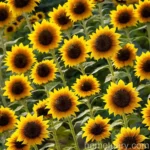
Heliopsis helianthoides (False Sunflower): A Comprehensive Guide
Heliopsis helianthoides, commonly known as False Sunflower, is a stunning perennial plant that belongs to the aster family, Asteraceae. With its resemblance to the iconic Sunflower and its vibrant blooms, Heliopsis helianthoides is a popular choice for gardens and landscapes. In this comprehensive guide, we will delve into the various aspects of the False Sunflower, including its culture, uses, maintenance, and much more.
What is Heliopsis helianthoides?
Heliopsis helianthoides, also referred to as Oxeye Sunflower, is a native North American prairie plant that typically thrives in the central and eastern regions of the United States and Canada. This resilient and adaptable plant is cherished for its bright yellow, daisy-like flowers that closely resemble those of the traditional Sunflower.
Key Takeaways – Heliopsis helianthoides (False Sunflower)
Before we embark on the holistic exploration of Heliopsis helianthoides, let’s take a sneak peek into the key takeaways that we will be covering in this guide:
- Culture: Understanding the ideal conditions required for cultivating Heliopsis helianthoides.
- Uses: Exploring the diverse uses of False Sunflowers in landscaping, gardens, and beyond.
- Maintenance: Unveiling the essential maintenance practices for a healthy and vibrant Heliopsis helianthoides.
- Propagation: Delving into the various methods for propagating False Sunflowers to expand your garden.
- Common Diseases and Pests: Identifying and addressing potential threats to the well-being of Heliopsis helianthoides.
Now, let’s venture into the intriguing world of Heliopsis helianthoides and understand its distinct characteristics and requirements for cultivation and care.
Culture
To ensure the thriving growth of Heliopsis helianthoides, it is crucial to provide an environment that caters to its specific cultural needs. Let’s delve into the essential cultural factors for nurturing a flourishing False Sunflower.
Water
Heliopsis helianthoides is relatively drought-tolerant once established, making it an ideal choice for water-wise gardening and xeric landscapes. However, during its initial establishment phase, regular watering is essential to facilitate strong root development. Opt for deep, infrequent watering sessions to encourage the growth of a robust root system. Once established, occasional watering during extended dry spells will suffice, and the plant can withstand moderate periods of drought.
Sunlight
Just like its namesake, the Sunflower, Heliopsis helianthoides thrives in bright, full sunlight. Provide at least 6 to 8 hours of direct sunlight to ensure prolific flowering and robust growth. When selecting a planting location for False Sunflowers, prioritize sites with ample sunlight exposure to harness their full potential.
Fertilizer
Heliopsis helianthoides is not particularly demanding when it comes to fertilization. In fact, an excessively fertile soil can lead to leggy growth and reduced flowering. Opt for a balanced, slow-release fertilizer applied in early spring to support healthy growth and abundant blooms. Avoid over-fertilizing, especially with high-nitrogen formulations, as it can adversely impact the overall health and appearance of the plant.
Soil
Well-draining, loamy soils are the optimal choice for Heliopsis helianthoides. While it can adapt to a range of soil types, including clay and sandy soils, ensuring adequate drainage is paramount to prevent waterlogging, which can be detrimental to the plant’s well-being. Prior to planting, amend heavy soils with organic matter to improve drainage and provide a nutrient-rich substrate for the False Sunflower to thrive.
Sunflower-like Plant
Heliopsis helianthoides, commonly known as False Sunflower, bears a striking resemblance to traditional Sunflowers, particularly with its radiant, yellow flowers and overall growth habit. However, it is essential to recognize the distinctions between the two plants to understand the unique characteristics and requirements of False Sunflowers.
Pruning
Pruning False Sunflowers is a relatively straightforward task that primarily involves deadheading spent blooms to prolong the flowering season and promote continuous blooming. Additionally, light pruning in early spring can help to shape the plant and remove any winter-damaged or weak growth. However, False Sunflowers generally require minimal pruning as they tend to maintain a neat and compact form without extensive intervention.
Propagation
Heliopsis helianthoides can be propagated through various methods, including division, stem cuttings, and seed propagation. Each approach offers unique benefits and challenges, allowing gardeners to expand their False Sunflower population based on their preferences and the resources at their disposal.
Division
Dividing mature Heliopsis helianthoides plants every 3 to 4 years not only rejuvenates the health and vigor of the plant but also provides an excellent opportunity to propagate new specimens. Utilize a sharp, sterile tool to carefully divide the plant into sections, ensuring that each division possesses a healthy portion of roots and shoots. Repot or transplant the divisions into prepared soil, provide adequate moisture, and observe as they establish themselves in their new environment.
Container Popularity
Given its manageable size and vibrant blooms, Heliopsis helianthoides is increasingly popular for container gardening, allowing urban and space-constrained gardeners to enjoy the beauty of False Sunflowers on balconies, patios, and other confined spaces. When cultivating False Sunflowers in containers, it is crucial to select a well-draining potting mix, provide ample sunlight, and monitor the moisture levels to foster optimal growth and blooming.
Common Diseases
While False Sunflowers are relatively robust and resistant to many diseases, certain challenges may occasionally arise, impacting the health and appearance of the plant. Understanding these potential diseases and their management is essential for safeguarding the well-being of Heliopsis helianthoides.
Disease Diagnosis
- Powdery Mildew: A common fungal disease that manifests as powdery, white patches on the foliage of the plant. To prevent powdery mildew, ensure adequate air circulation around the plants, avoid overhead watering, and apply fungicidal treatments if necessary.
- Leaf Spot: Characterized by the presence of dark, spotted areas on the leaves, typically caused by fungal pathogens. Promptly remove and dispose of infected plant debris and ensure proper sanitation to mitigate the spread of leaf spot.
Common Pests
Heliopsis helianthoides exhibits resistance to many pests, making it a low-maintenance addition to the garden. However, it may occasionally encounter nuisance pests that necessitate prompt intervention to prevent significant damage.
- Aphids: These tiny, soft-bodied insects may cluster on the new growth, sucking sap from the plant and causing distorted foliage. Introduce natural predators such as ladybugs, or utilize insecticidal soaps for effective aphid control.
- Leafhoppers: Recognizable by their quick movements and wedge-shaped bodies, leafhoppers can cause stippling and discoloration of the foliage. Employ insecticidal treatments or introduce natural predators to manage leafhopper populations and minimize their impact on False Sunflowers.
Botanist’s Tips
As a plant scientist, I would like to offer some valuable tips to enhance the success and enjoyment of cultivating Heliopsis helianthoides:
- Companion Planting: Pair Heliopsis helianthoides with other prairie and meadow plants such as Echinacea, Liatris, and Rudbeckia to create a vibrant and diverse habitat that attracts beneficial insects and wildlife.
- Wildlife Attraction: False Sunflowers are valued for their ability to attract pollinators, including bees and butterflies, enhancing the biodiversity and ecological balance of the garden. Encourage the presence of these pollinators by providing a welcoming environment with nectar-rich plants and ample shelter.
Fun Facts
- Heliopsis helianthoides is a native wildflower in regions of North America, contributing to the natural beauty of prairies and meadows.
- In addition to its ornamental value, False Sunflowers have been historically used for medicinal purposes by certain indigenous tribes, showcasing the diverse cultural and herbal significance of the plant.
Links to External Resources
To further enrich your knowledge and appreciation of Heliopsis helianthoides, explore the following external resources:
- Missouri Botanical Garden – Heliopsis helianthoides
- The Spruce – Heliopsis helianthoides: A Native, Late Blooming Daisy Flower
- North Carolina State University – Heliopsis helianthoides
In conclusion, Heliopsis helianthoides, the False Sunflower, offers a splendid addition to gardens, landscapes, and naturalistic plantings with its captivating flowers, adaptability, and ecological contributions. By understanding its cultural requirements, maintenance practices, and unique attributes, gardeners can cultivate thriving and delightful displays of this charming perennial plant.
Whether adorning prairies with their golden blooms or gracing container gardens with their cheerful presence, Heliopsis helianthoides continues to enrapture gardeners and nature enthusiasts with its enduring appeal and remarkable qualities.
Remember to embrace the vibrancy and resilience of False Sunflowers in your gardening endeavors, and relish the delightful rewards they bestow upon the natural world.