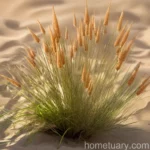
Hare’s-tail (Lagurus Ovatus): A Captivating Ornamental Grass
As a plant scientist with a passion for ornamental grasses, I am thrilled to delve into the captivating world of Hare’s-tail (Lagurus ovatus). This remarkable plant is a true gem in the realm of landscaping and gardening, adding texture, movement, and visual interest to a wide array of settings.
Throughout this comprehensive guide, we will explore the intricacies of Hare’s-tail, also known as Bunny tails, detailing its cultivation, uses, maintenance, and much more. By the end of this journey, you will gain a deep understanding of Lagurus ovatus, equipping you with the knowledge to cultivate and appreciate this charming ornamental grass to the fullest.
So, let’s embark on this botanical adventure and unveil the allure of Hare’s-tail!
What is Hare’s-tail (Lagurus Ovatus)?
Lagurus ovatus, commonly referred to as Hare’s-tail or Bunny tails, is a perennial, ornamental grass that hails from the Mediterranean region. This enchanting grass is celebrated for its soft, fluffy seed heads that resemble the delicate tails of playful bunnies, evoking a sense of whimsy and charm.
Hare’s-tail belongs to the Poaceae family and is characterized by its compact, tufted growth habit and slender, arching foliage. The captivating seed heads, which emerge in summer and persist throughout fall, are the primary allure of this grass, bringing an ethereal and textural quality to garden landscapes, containers, and floral arrangements.
Key Takeaways – Hare’s-tail (Lagurus Ovatus)
Before we dive into the specific aspects of cultivating and caring for Hare’s-tail, let’s outline some key takeaways about this mesmerizing ornamental grass:
- Botanical Name: Lagurus ovatus
- Common Names: Hare’s-tail, Bunny tails
- Type: Perennial ornamental grass
- Notable Feature: Soft, fluffy, white or pastel-colored seed heads resembling bunny tails
- Cultural Uses: Landscaping, containers, floral arrangements
- Growth Habit: Compact, tufted, with arching foliage
- Seasonal Interest: Summer through fall
- Hardiness Zones: 8-10 (typically grown as an annual in colder climates)
- Sunlight: Full sun
- Soil: Well-drained, sandy or loamy soil
- Water: Moderate; tolerant of drought once established
- Maintenance: Low, with minimal pruning requirements
- Propagation: By seed or division
- Common Pests: Generally pest-free
- Common Diseases: Minimal susceptibility
- Popularity: Increasingly popular for its unique aesthetic appeal
Now that we have a foundational understanding of Hare’s-tail, let’s delve into the specific aspects of its cultivation and care, equipping enthusiasts and horticulturalists with the knowledge to foster the optimal growth and beauty of this remarkable grass.
Cultivation
Cultivating Hare’s-tail grass requires a comprehensive understanding of its requirements, ranging from sunlight and water to soil composition and maintenance practices. Let’s explore each of these aspects in detail to provide a holistic view of cultivating Lagurus ovatus.
Sunlight
Hare’s-tail thrives in full sunlight, displaying its best growth and seed head development when exposed to at least 6-8 hours of direct sunlight per day. When planted in shadier conditions, the plant may become leggy and produce fewer seed heads, compromising its ornamental appeal.
In regions with scorching summers, a location that receives morning sun and partial shade in the afternoon can be beneficial for preventing excessive heat stress. However, in cooler climates, full sun exposure is typically ideal for promoting robust growth and abundant seed head formation.
Water
When it comes to watering Hare’s-tail grass, moderation is key. Lagurus ovatus demonstrates a moderate tolerance to drought once established, making it a suitable choice for water-wise landscapes and gardens. While the plant prefers well-draining soil, it’s essential to ensure that it receives adequate moisture, particularly during its establishment phase and prolonged dry spells.
During the initial growth stages, regular watering is crucial to facilitate root development and ensure the plant’s vigor. Once established, Hare’s-tail thrives in drier conditions, making it an excellent choice for regions with water restrictions or arid climates.
Soil
Hare’s-tail flourishes in well-drained soil with a preference for sandy or loamy compositions. Avoiding waterlogged or compacted soil is essential to prevent root rot and other moisture-related issues. Amending the soil with organic matter, such as compost or well-rotted manure, can enhance its drainage and fertility, creating an optimal growing environment for Lagurus ovatus.
In regions with heavy clay soils, incorporating sand and organic amendments can improve the soil’s structure and drainage, promoting healthier growth and overall vigor in Hare’s-tail grass.
Fertilizer
Hare’s-tail grass is relatively low-maintenance in terms of fertilizer requirements. While it does not necessitate frequent feeding, incorporating a balanced, slow-release fertilizer during the spring can provide the plant with essential nutrients for the upcoming growing season.
A general-purpose, granular fertilizer with balanced N-P-K (nitrogen, phosphorus, potassium) proportions can support the plant’s overall health and vigor. However, it’s crucial to avoid excessive nitrogen applications, as this can promote lush foliage at the expense of abundant seed head production, compromising the plant’s ornamental appeal.
Pruning
As a low-maintenance ornamental grass, Hare’s-tail requires minimal pruning. However, periodically removing spent or discolored seed heads can prolong the plant’s aesthetic appeal and encourage the development of new blooms. Using sharp, clean scissors or pruners, carefully trim the faded seed heads at their base, taking care not to remove excessive foliage in the process.
Pruning Hare’s-tail grass in late winter or early spring can also rejuvenate the plant and stimulate vigorous growth as it enters the new growing season. Trimming back the foliage to a few inches above the ground can promote fresh, lush growth and enhance the plant’s overall appearance.
Propagation
Propagating Hare’s-tail can be achieved through seed sowing or division, offering enthusiasts multiple avenues for expanding their plantings or sharing this captivating grass with fellow gardening enthusiasts.
Seed Propagation
Collecting and sowing Lagurus ovatus seeds is a straightforward method for propagating the plant. By harvesting mature seed heads during the fall, enthusiasts can extract the seeds and store them in a cool, dry location until the following spring.
In early spring, sow the seeds in well-draining, moist soil, covering them lightly with a thin layer of vermiculite or fine soil. Water the seeds gently, ensuring that the soil remains consistently moist until germination occurs, typically within 2-3 weeks under optimal conditions.
Once the seedlings have developed several sets of true leaves, they can be transplanted to their permanent growing locations, providing ample space for their mature size and ensuring adequate sunlight for optimal growth.
Division
Dividing established Hare’s-tail plants is another viable method for propagation and rejuvenation. In early spring, carefully dig up the plant, taking care to preserve its root system and dividing it into smaller sections using a sharp, clean tool. Each divided section should contain healthy roots and sufficient foliage for sustaining its growth post-division.
Replant the divided sections in well-prepared soil, ensuring that they receive adequate moisture and protection from intense sunlight during the initial establishment phase. With proper care, the divided sections will establish themselves and develop into robust, flourishing plants, perpetuating the charm of Hare’s-tail in the landscape.
Container Popularity
Hare’s-tail grass holds immense popularity as a container plant, adorning patios, balconies, and outdoor living spaces with its enchanting seed heads and graceful form. When cultivating Lagurus ovatus in containers, several considerations contribute to its successful growth and visual impact.
Container Selection
Selecting an appropriately sized container is essential for accommodating the plant’s root system and facilitating healthy growth. Choose a container with adequate drainage holes to prevent waterlogging, ensuring that excess moisture can escape freely and prevent root rot.
A lightweight, well-draining potting mix is ideal for cultivating Hare’s-tail in containers, providing a suitable balance of moisture retention and aeration to promote robust growth.
Maintenance
Container-grown Hare’s-tail grass may necessitate more frequent watering than its counterparts in the ground, as containers tend to dry out more quickly. Monitor the soil moisture regularly, providing supplemental water when the top inch of the soil feels dry to the touch.
In addition to watering, periodic fertilization can support the plant’s growth and vitality, particularly when grown in containers with limited access to soil nutrients. Using a balanced, water-soluble fertilizer at half-strength every 4-6 weeks during the growing season can provide Hare’s-tail with essential nutrients for sustained vigor and abundant seed head production.
Common Diseases
Hare’s-tail grass is relatively resistant to diseases, owing to its preference for well-draining soils and its moderate watering requirements. However, several potential issues may affect the plant under unfavorable growing conditions or in regions with specific environmental challenges.
Rust and Powdery Mildew
Rust and powdery mildew are among the primary foliar diseases that can affect ornamental grasses, including Hare’s-tail. These fungal infections manifest as discolored spots or powdery coatings on the foliage, compromising the plant’s aesthetics and potentially weakening its overall health.
To mitigate the risk of rust and powdery mildew, ensure adequate airflow around the plants by spacing them appropriately and avoiding overhead watering, which can create humid conditions conducive to fungal development. Additionally, selecting disease-resistant cultivars and providing optimal growing conditions can bolster the plant’s natural defenses against these common foliar diseases.
Root Rot
Root rot poses a threat to Hare’s-tail when the soil becomes waterlogged or excessively moist, impeding the plant’s capacity to absorb oxygen and leading to root deterioration. To prevent root rot, it’s essential to ensure well-draining soil, especially in regions with heavy rainfall or naturally compacted soils.
Careful irrigation practices, allowing the soil to dry out slightly between waterings, can support the prevention of root rot and safeguard the plant’s overall vitality. In instances of suspected root rot, promptly addressing the underlying moisture issues and providing well-aerated conditions can facilitate the plant’s recovery and long-term health.
Common Pests
Hare’s-tail grass is relatively resistant to pest infestations, benefiting from its low-maintenance characteristics and natural defenses against many common garden pests. However, some occasional intruders may target the plant, posing aesthetic and potential health concerns.
Aphids
Aphids, small, sap-feeding insects, can occasionally infest Hare’s-tail, clustering on the tender foliage and seed heads, causing distortion and weakening the plant. To deter aphids, employing natural predators, such as ladybugs or lacewings, can help maintain their populations under control and preserve the plant’s aesthetic appeal.
In cases of severe aphid infestations, using a strong stream of water to dislodge the insects or applying insecticidal soap can effectively mitigate their numbers and protect the plant’s integrity.
Spider Mites
Spider mites, diminutive arachnids that feed on plant sap, can also target Hare’s-tail, particularly during hot, dry periods. These pests often produce fine webbing on the foliage, causing stippling and discoloration that compromises the plant’s aesthetics.
Introducing predatory mites or regularly rinsing the foliage with water to deter spider mites and their webbing can help manage their populations and safeguard the plant’s health. Additionally, hosing the underside of the foliage to dislodge the pests and creating a less favorable environment for their proliferation can support effective pest control.
Botanist’s Tips
As we navigate the world of Hare’s-tail grass, several botanist’s tips and insights can enhance the cultivation experience and ensure the plant’s optimal growth and aesthetic appeal. Let’s explore some valuable tips for fostering the remarkable beauty of Lagurus ovatus:
-
Seasonal Pruning: Periodically pruning spent seed heads and discolored foliage can maintain the plant’s tidy appearance and promote fresh growth.
-
Seed Saving: Harvesting and saving Lagurus ovatus seeds allows enthusiasts to propagate the plant and share its enchanting beauty with fellow gardening aficionados.
-
Naturalistic Plantings: Incorporating Hare’s-tail into naturalistic garden designs, prairie-style landscapes, and wildlife-friendly plantings can elevate its visual impact and ecological value.
-
Floral Arrangements: Bunny tails’ delicate seed heads are prized components of dried floral arrangements and crafts, offering an enduring source of aesthetic enjoyment.
-
Seasonal Accents: Leveraging Hare’s-tail as a seasonal accent in garden borders, rockeries, and mixed flower beds adds ephemeral charm and whimsy to the landscape.
Fun Facts
As we unravel the allure of Hare’s-tail, let’s uncover some fascinating and fun facts about Lagurus ovatus that highlight its unique qualities and contributions to horticulture and ornamental gardening:
-
Botanical Whimsy: Hare’s-tail is renowned for its soft, downy seed heads that resemble charming bunny tails, evoking a sense of enchantment and natural whimsy in the garden.
-
Drought Tolerance: Lagurus ovatus exhibits impressive tolerance to drought once established, making it a resilient and water-wise addition to gardens in arid and semi-arid regions.
-
Seasonal Elegance: The delicate, pastel-hued seed heads of Hare’s-tail add an ethereal and elegant touch to late summer and fall landscapes, imbuing them with timeless allure and grace.
-
Naturalistic Appeal: Embracing Hare’s-tail in naturalistic and wildlife-friendly gardens promotes biodiversity and offers refuge to pollinators, highlighting its ecological significance beyond its ornamental value.
-
Indoor Allure: Dried Hare’s-tail seed heads are sought-after components in indoor arrangements, capturing the enduring beauty of the plant and adding textural interest to floral displays.
Links to External Resources
Expanding our understanding of Hare’s-tail and bolstering our horticultural knowledge is best achieved through diverse sources of information and expertise. Here are some valuable external resources for delving deeper into the art and science of cultivating Lagurus ovatus:
-
Royal Horticultural Society (RHS): The RHS offers comprehensive guidance on ornamental grasses, including cultivation advice and plant profiles, enriching our understanding of Hare’s-tail within the broader context of horticulture.
-
University Extension Services: University extension services provide region-specific insights into ornamental grass cultivation, pest management, and landscaping applications, assisting enthusiasts in cultivating Hare’s-tail within their unique environmental contexts.
-
Botanical Gardens and Arboreta: Visiting botanical gardens and arboreta offers firsthand encounters with Hare’s-tail and provides inspiration for its integration into diverse garden settings, fostering a deep appreciation for its ornamental and ecological significance.
-
Specialized Gardening Forums: Engaging with gardening communities and forums facilitates knowledge-sharing and cultivates a network of fellow enthusiasts, fostering mutual support, guidance, and a shared passion for Hare’s-tail and ornamental grasses.
By harnessing the insights and expertise of these external resources, enthusiasts and horticulturalists can unlock the full potential of Hare’s-tail, deeply enriching their cultivation practices and appreciation for this captivating ornamental grass.
In conclusion, Hare’s-tail (Lagurus ovatus) stands as a captivating and enchanting addition to garden landscapes, containers, and floral arrangements, offering an enduring source of natural beauty and whimsical allure. Embracing the art and science of cultivating this remarkable ornamental grass yields an enriching journey through its nuanced cultivation, maintenance, and unique botanical attributes, fostering a profound appreciation for its ornamental and ecological significance.
As we celebrate the indelible charm of Hare’s-tail, let us continue to explore, cherish, and cultivate this remarkable grass, weaving its ethereal appeal into the fabric of our garden landscapes and botanical encounters, perpetuating its timeless enchantment for generations to come.
This comprehensive guide is dedicated to the profound beauty and botanical wonder of Hare’s-tail (Lagurus ovatus), honoring its role as an emblem of natural elegance and captivating allure in the realms of horticulture and ornamental gardening.