The Wonderful World of Hakonechloa macra (Hakone Grass)
In the realm of ornamental grasses, few plants can hold a candle to the ethereal beauty and charm of Hakonechloa macra, commonly known as Hakone Grass. This ornamental grass is prized for its graceful, arching foliage and its ability to effortlessly bring a touch of elegance to any garden or landscape. In this comprehensive guide, we’ll delve into the captivating world of Hakone Grass, exploring its culture, uses, maintenance, and more. Whether you’re a seasoned gardener or a novice enthusiast, there’s always something new to learn about this enchanting plant.
What is Hakonechloa macra (Hakone Grass)?
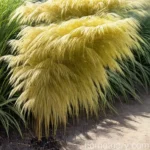
Hakonechloa macra, a member of the Poaceae family, is a species of perennial grass that hails from the woodlands of Japan, Korea, and China. It is celebrated for its cascading, lance-shaped foliage that forms graceful mounds, adding a soft and delicate texture to any landscape. This charming grass is truly a sight to behold, particularly when its leaves catch the light, creating a mesmerizing display of colors and textures.
Key Takeaways
Before we dive deeper into the care and cultivation of Hakone Grass, let’s consider some of the key takeaways about this captivating plant:
- Hakone Grass, scientifically known as Hakonechloa macra, is a perennial grass prized for its graceful, arching foliage.
- Native to Japan, Korea, and China, this ornamental grass is a favorite for shady gardens and woodland landscapes.
- Its stunning, cascading foliage comes in various shades of green, often with hints of gold, chartreuse, or red, offering year-round interest.
- When properly cared for, Hakone Grass can thrive in containers, making it a versatile choice for gardens and urban landscapes.
- While relatively low-maintenance, Hakonechloa macra benefits from regular watering and occasional fertilization for optimal growth and vigor.
With these insights in mind, let’s explore the various aspects of growing and enjoying Hakone Grass, from its cultural requirements to its use in different garden settings.
Culture: Understanding the Needs of Hakone Grass
Hakone Grass, with its graceful and delicate appearance, thrives under specific cultural conditions. As a gardener and enthusiast, it’s crucial to understand and cater to the plant’s requirements for optimal growth and development. From sunlight and water needs to soil preferences and maintenance, here’s a closer look at the cultural aspects of cultivating Hakonechloa macra.
Water
Consistent moisture is vital for the well-being of Hakone Grass. While it’s not a waterlogged plant, Hakonechloa macra does best in moist, well-drained soil. During hot and dry periods, it’s essential to water the plant regularly to prevent the soil from drying out. Keeping the soil consistently moist, but not waterlogged, is key to promoting healthy growth and lush foliage.
Sunlight
Hakone Grass is renowned for its ability to thrive in shadier conditions, making it an excellent choice for gardens with limited sunlight. While it can tolerate some dappled or filtered sunlight, Hakonechloa macra truly excels in partial to full shade. In areas with intense, direct sunlight, the foliage may become scorched or lose its vibrant coloration, underscoring the plant’s preference for cooler, shaded environments.
Fertilizer
When it comes to feeding Hakone Grass, a balanced, slow-release fertilizer can provide the necessary nutrients for robust growth. Applying a controlled-release fertilizer in spring, as the plant emerges from dormancy, can help sustain healthy foliage throughout the growing season. It’s advisable to follow the manufacturer’s instructions and avoid over-fertilizing, as excessive nutrients can lead to lush but weak growth.
Soil
Hakonechloa macra thrives in fertile, humus-rich soil with good drainage. A slightly acidic to neutral pH level is beneficial for the plant’s overall health and vitality. Amending the soil with organic matter, such as compost or well-rotted manure, can enhance the soil structure and fertility, creating an ideal growing environment for Hakone Grass.
Pruning: Maintaining the Graceful Appearance
The graceful and arching nature of Hakone Grass’s foliage often evokes a sense of tranquility and calm in the garden. To maintain its elegant appearance and prevent the plant from becoming unruly, occasional pruning is recommended. Here are some essential tips for pruning Hakonechloa macra:
-
Spring Cleanup: In early spring, trim back any damaged or discolored foliage, clearing away the previous season’s growth to make way for fresh, new leaves. This rejuvenation pruning helps maintain the plant’s tidy and attractive appearance.
-
Tidying Up: Throughout the growing season, remove any yellowing or withered leaves as needed to keep the foliage looking neat and vibrant. Gently combing through the grass with your fingers can help identify and remove the older or unsightly blades without causing damage to the plant.
-
Division: Over time, Hakone Grass may benefit from division to rejuvenate its growth and prevent overcrowding. Dividing the plant every few years in early spring can help maintain its vigor and ensure a lush, healthy display of foliage.
Propagation: Multiplying the Beauty
Propagating Hakone Grass is a rewarding endeavor that allows you to multiply this captivating plant and introduce it to new areas of your garden or landscape. Here are some common methods for propagating Hakonechloa macra:
-
Division: One of the most straightforward and effective propagation methods for Hakone Grass is division. By carefully dividing the plant’s clumps in early spring, you can create new individual plantings, each with the potential to flourish and spread its graceful foliage.
-
Seed Propagation: While less commonly practiced, growing Hakone Grass from seeds is indeed possible. Collecting and sowing the seeds in a well-prepared seedbed can give rise to young plants that, with proper care, will develop into beautiful specimens over time.
Container Popularity: Versatile and Charming
One of the many endearing qualities of Hakone Grass is its versatility in container gardening. Whether placed on a patio, balcony, or within the garden, Hakonechloa macra gracefully lends itself to container culture, offering an enchanting presence in a portable form. Here’s why Hakone Grass is a popular choice for container gardening:
-
Compact Size: The moderate size of Hakone Grass, particularly in dwarf or compact varieties, makes it well-suited for growing in containers of various sizes, from small pots to larger planters.
-
Shade Tolerance: In urban and suburban settings, where shaded areas may be abundant, Hakone Grass shines as an attractive, shade-loving plant for container displays, adding a touch of elegance to dimly lit spaces.
-
Seasonal Interest: When positioned in containers, Hakone Grass becomes a dynamic element in seasonal displays, showcasing its stunning foliage throughout the year. Whether as a centerpiece or an accent plant, its colors and textures enliven the container garden.
-
Ease of Care: With proper watering and a suitable growing medium, Hakone Grass is relatively low-maintenance in containers, making it an excellent choice for gardeners seeking a hassle-free and visually captivating plant.
Common Diseases: Vigilance and Care
While Hakone Grass is generally resilient, it is not immune to certain diseases that can affect its growth and appearance. Being mindful of potential diseases and their management is crucial in maintaining the health and vitality of Hakonechloa macra. Here are some common diseases that may pose a threat to Hakone Grass:
-
Leaf Spot Diseases: Various fungal pathogens can cause leaf spot diseases in Hakone Grass, leading to the formation of unsightly spots or lesions on the foliage. Proper air circulation, adequate spacing, and avoiding overhead watering can help mitigate the risk of these diseases.
-
Rust: Rust diseases, characterized by the development of rust-colored pustules on the leaves, can affect Hakone Grass under certain conditions. Removing and destroying infected plant material and ensuring proper sanitation can aid in managing this disease.
-
Powdery Mildew: In humid and crowded conditions, Hakone Grass may be susceptible to powdery mildew, resulting in a powdery white coating on the foliage. Providing ample space between plants and improving air circulation can help prevent the onset of powdery mildew.
Disease Diagnosis: Identifying and Addressing Issues
Timely diagnosis of potential diseases is pivotal in safeguarding the health and appearance of Hakone Grass. By recognizing the symptoms and signs of common diseases, you can take appropriate measures to address the issues and prevent their spread. Here’s how to diagnose and address potential diseases in Hakonechloa macra:
-
Observation: Regularly inspect the foliage of Hakone Grass for any abnormal signs, such as spots, lesions, discoloration, or unusual growth patterns. Early detection can lead to prompt intervention and management of potential diseases.
-
Consultation: Seek guidance from local gardening experts, botanical gardens, or extension services for accurate diagnosis and tailored recommendations on addressing specific diseases that may affect Hakone Grass in your region.
-
Cultural Practices: Implement cultural practices that promote overall plant health, such as proper watering, adequate spacing, and soil amendment, to create an environment that is less conducive to the development of diseases.
Common Pests: Vigilance and Management
In addition to diseases, Hakone Grass may also face challenges from various pests that can compromise its growth and aesthetic appeal. Vigilance, early detection, and appropriate pest management strategies are vital in preserving the well-being of Hakonechloa macra. Here are some common pests that may target Hakone Grass:
-
Aphids: These small, sap-sucking insects can infest Hakone Grass, causing distortion of new growth and the secretion of sticky honeydew. By monitoring for aphid activity and employing natural predators or targeted treatments, you can mitigate their impact on the plant.
-
Spider Mites: In hot and dry conditions, spider mites may attack Hakone Grass, resulting in stippled and discolored foliage. Regularly spraying the foliage with water and, if necessary, using insecticidal soaps can help manage spider mite populations.
-
Slugs and Snails: These voracious herbivores can feed on the tender foliage of Hakone Grass, leaving behind irregular holes and damage. Employing physical barriers, such as copper tape or diatomaceous earth, can deter slugs and snails from reaching the plant.
Botanist’s Tips: Nurturing and Appreciating Hakone Grass
As a passionate admirer of plant life, it’s valuable to embrace the nuances and intricacies of cultivating Hakone Grass. From its cultural requirements to its aesthetic potential, here are some insightful tips for nurturing and appreciating Hakonechloa macra:
-
Embrace Shaded Beauty: Celebrate the allure of shaded gardens and landscapes by integrating Hakone Grass into these environments, where its delicate foliage can thrive and inspire.
-
Exploring Companions: Explore plant combinations that complement the elegance of Hakone Grass, such as hostas, ferns, and shade-loving perennials, to create harmonious and visually captivating scenes.
-
Seasonal Transitions: Observe and appreciate the seasonal changes of Hakone Grass, from the vibrant green hues of spring and summer to the captivating autumnal colors that adorn its foliage.
-
Educational Endeavors: Share your knowledge and enthusiasm for Hakone Grass with fellow gardeners, nature enthusiasts, and aspiring botanists, fostering a deeper appreciation for this extraordinary plant.
Fun Facts: Intriguing Insights about Hakone Grass
Dive into the fascinating world of Hakone Grass with these captivating and intriguing fun facts:
-
Garden Gem: Hakone Grass has been regarded as a treasure in the realm of ornamental grasses, gracing gardens and landscapes with its serene beauty for centuries.
-
Award-Winning: Several outstanding cultivars of Hakonechloa macra have earned prestigious awards and accolades, underscoring their exceptional qualities and appeal.
-
Japanese Origin: The name “Hakone” is derived from Hakone, a town in Japan known for its breathtaking natural scenery and serene landscapes, mirroring the tranquil essence of the grass.
-
Artistic Inspirations: Hakone Grass has captured the attention of artists and garden designers, serving as a muse for creating serene and contemplative landscapes that evoke a sense of harmony and balance.
-
Cultural Significance: In Japanese aesthetics and garden traditions, Hakone Grass holds a special place, symbolizing understated elegance, poetry in motion, and the enduring charm of nature’s embrace.
Links to External Resources
Explore the fascinating world of Hakone Grass through the following resources:
-
American Horticultural Society: Hakonechloa macra Profile
-
Royal Horticultural Society: Hakonechloa macra Care Guide
-
Missouri Botanical Garden: Growing Hakone Grass
-
The Spruce: How to Grow and Care for Hakone Grass
-
University of Minnesota Extension: Ornamental Grasses
-
National Gardening Association: Design Ideas for Using Hakone Grass in the Landscape
-
Gardening Know How: Diseases and Pests Affecting Hakone Grass
-
Fine Gardening: Hakone Grass and Container Gardening
Conclusion: Embracing the Elegance of Hakone Grass
In the realm of ornamental grasses, Hakonechloa macra reigns as a symbol of grace, tranquility, and natural beauty. Whether it graces a shaded garden, adorns a woodland landscape, or enlivens a container display, Hakone Grass captivates with its delicate leaves and timeless allure. With a keen understanding of its cultural requirements, a discerning eye for its aesthetic potential, and an appreciation for its rich heritage, cultivating and enjoying Hakone Grass becomes a fulfilling and enchanting journey in the world of horticulture.
As we revel in the captivating presence of Hakone Grass, let us continue to explore, appreciate, and share the timeless charm of this extraordinary plant, celebrating its enduring legacy in gardens, landscapes, and the hearts of plant enthusiasts around the world.
Remember, the beauty of Hakone Grass lies not only in its graceful appearance but also in the meaningful experiences and connections it inspires, enriching our lives and nurturing our shared love for the wonders of the natural world.
By delving into the intricacies of Hakonechloa macra, we’ve uncovered a wealth of knowledge and appreciation for this beloved ornamental grass. From its cultural nuances to its role in container gardening, Hakone Grass offers a tapestry of beauty and tranquility for enthusiasts and gardeners alike. With a deeper understanding of its care and cultivation, the allure of Hakone Grass continues to thrive, adorning gardens and landscapes with its timeless elegance and grace.