

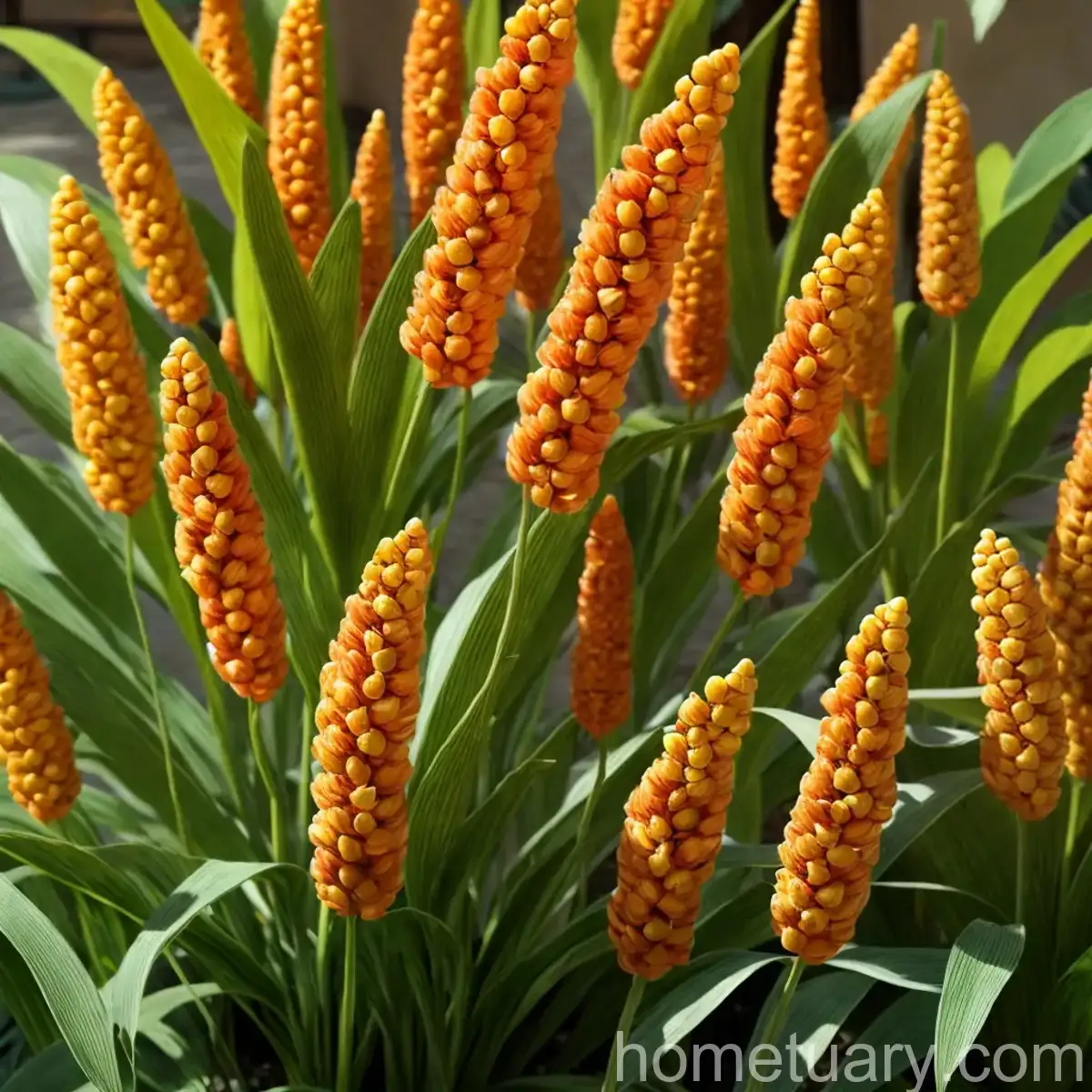
Sorghum (Sorghum Bicolor): A Versatile Crop for Agriculture and Beyond
Sorghum (Sorghum bicolor) is a cereal grain plant that has garnered attention for its remarkable adaptability and diverse array of uses. From its cultivation and consumption in various cuisines to its applications in animal feed, biofuel production, and soil improvement, sorghum has established itself as a valuable crop with immense potential.
In this comprehensive guide, we will delve into various aspects of sorghum, including its cultural requirements, uses, common diseases and pests, propagation techniques, and much more. By the end of this article, you will have gained a deep understanding of the significance of sorghum in agriculture and other industries, and you will be equipped with the knowledge to incorporate this versatile plant into your own agricultural or culinary pursuits.
Key Takeaways – Sorghum (Sorghum Bicolor)
Before we embark on our exploration of sorghum, let’s summarize some of the key takeaways for quick reference:
- Sorghum Plant: Also known as Sorghum bicolor, it is a versatile cereal grain plant with a wide range of uses.
- Cultivation: Sorghum can thrive in diverse climates and soil types, making it an attractive option for farmers in various regions.
- Uses: The applications of sorghum extend beyond culinary purposes, encompassing animal feed, biofuel production, soil improvement, and more.
- Diseases and Pests: While sorghum is generally resilient, it is susceptible to certain diseases and pests that warrant vigilance and appropriate management strategies.
- Propagation: Sorghum can be propagated through seeds, and understanding the best practices for propagation is crucial for successful cultivation.
Now, let’s delve into each of these aspects in detail to uncover the nuances of cultivating and utilizing sorghum.
What is Sorghum (Sorghum Bicolor)?
Overview
Sorghum (Sorghum bicolor) is a grass species belonging to the Poaceae family, which is commonly known as the grass family. It is one of the top cereal crops globally, serving as a staple food source for millions of people and playing a vital role in the agricultural economies of numerous countries. While sorghum is native to Africa, it has spread to other continents and is now cultivated in diverse climatic conditions, demonstrating its adaptability and resilience.
Importance in Agriculture
The significance of sorghum in agriculture cannot be overstated. It is cultivated for its grain, used in food products for human consumption, and serves as feed for livestock. Additionally, as a drought-tolerant and heat-resistant crop, it offers a valuable alternative for farmers contending with challenging environmental conditions.
Versatility
What sets sorghum apart is its versatility. Beyond its uses in food and fodder, sorghum finds applications in the production of ethanol, biofuels, and other industrial processes, making it an indispensable component of various value chains.
Culture
Cultivating sorghum successfully requires a nuanced understanding of its cultural requirements. Let’s explore the critical factors that influence the growth of sorghum plants.
Water
Sorghum is renowned for its tolerance to water stress, making it an ideal choice for arid and semi-arid regions. However, while it can withstand drought conditions better than many other crops, providing adequate moisture during its critical growth stages is crucial for achieving optimum yields. The water requirements of sorghum may vary depending on the specific variety and local environmental conditions, necessitating careful monitoring and irrigation management.
Sunlight
Like most cereal crops, sorghum flourishes in full sunlight. It is essential to ensure that the plants receive ample sunlight throughout the growing season to support vigorous growth and the development of healthy, robust grains.
Fertilizer
The fertilization requirements of sorghum depend on the nutrient content of the soil and the specific needs of the cultivar being grown. Conducting soil tests can provide valuable insights into the soil’s nutrient profile, enabling farmers to tailor their fertilizer applications to meet the plants’ requirements effectively.
Soil
Sorghum exhibits a degree of adaptability to different soil types, thriving in sandy loam, clay loam, and other well-draining soils. While it is relatively tolerant of lower-quality soils, ensuring adequate soil fertility and structure is essential for maximizing yields and promoting plant health.
Pruning
Pruning is not a standard practice in sorghum cultivation as it is for fruit trees or some ornamental plants. Sorghum plants typically undergo minimal pruning, if any, as they are allowed to grow and develop naturally, with the focus primarily on fostering robust stalks and grain production.
Propagation
Seed Propagation
The most common method of propagating sorghum is through seeds. When selecting seeds for planting, it is essential to choose high-quality, disease-free seeds from reputable sources to establish a strong foundation for successful cultivation. Proper seed spacing and planting depth are also critical factors that influence the establishment and subsequent growth of sorghum plants.
Container Propagation
While sorghum is primarily grown in field settings, it is also possible to propagate it in containers for experimental or small-scale cultivation. Container-grown sorghum requires careful attention to watering and nutrient management, as the restricted root space can impact the plants’ growth and development.
Uses
The uses of sorghum span a wide spectrum, encompassing diverse applications in agriculture, industry, and culinary spheres.
Culinary Uses
Sorghum stands out as a staple food in many regions, where it features prominently in traditional cuisines. It is consumed in various forms, including whole grains, flour, and as a key ingredient in bread, porridge, and beverages. Additionally, the gluten-free nature of sorghum has contributed to its popularity as a desirable alternative for individuals with gluten intolerances or celiac disease.
Animal Feed
Sorghum serves as a valuable source of feed for livestock, providing essential nutrients and energy to support their growth and overall well-being. Whether as silage, grain, or fodder, sorghum offers a nutritive and palatable option for livestock producers.
Ethanol Production
Sorghum’s fermentable sugars make it an excellent feedstock for ethanol production. With growing interest in renewable energy sources, sorghum has gained attention as a sustainable and efficient raw material for bioethanol, contributing to the reduction of reliance on non-renewable resources.
Soil Improvement
As part of sustainable agricultural practices, sorghum is utilized for soil improvement through the process of phytoremediation. Its deep root system and tolerance to various soil conditions enable it to contribute to the mitigation of soil compaction, erosion, and the accumulation of harmful substances.
Popularity
The popularity of sorghum has seen a steady rise, driven by its multifaceted utility and adaptability. Its appeal in various sectors, including agriculture, food production, and industry, has bolstered its status as a crop of significant importance.
Common Diseases
While sorghum is generally resilient, it is susceptible to certain diseases that can impact its growth and yield potential. Understanding these diseases and their management strategies is essential for safeguarding sorghum crops.
Anthracnose
Caused by the fungus Colletotrichum sublineolum, anthracnose can lead to leaf spots, stalk rot, and eventual lodging in susceptible sorghum varieties. Employing disease-resistant cultivars and implementing appropriate cultural practices can help mitigate the impact of this disease.
Grain Mold
Grain mold, often caused by fungi such as Fusarium and Alternaria species, poses a threat to sorghum grain quality and can result in significant yield losses. Adequate moisture management and timely harvesting can aid in preventing the development of grain mold.
Downy Mildew
Downy mildew, caused by the pathogen Peronosclerospora sorghi, can manifest as yellow or gray lesions on sorghum leaves, potentially reducing the plants’ photosynthetic capacity and impeding their overall vigor. Employing resistant cultivars and promoting favorable growing conditions can help manage downy mildew.
Disease Diagnosis
Diagnosing and identifying diseases in sorghum is a critical aspect of disease management. Being able to accurately recognize the symptoms of various sorghum diseases is the first step towards implementing effective control measures.
Leaf Symptoms
Observing the foliage for signs of discoloration, lesions, or unusual patterns can provide valuable insights into the presence of diseases such as anthracnose, downy mildew, and leaf blights.
Panicle Symptoms
Inspecting the panicles for abnormal discoloration, mold growth, or deformation can aid in diagnosing diseases that primarily affect the grain, such as grain mold and ergot.
Stem Symptoms
Stem lesions, discoloration, or rot can indicate the presence of diseases affecting the structural integrity of sorghum plants, including anthracnose and stalk rots.
Common Pests
Sorghum cultivation is occasionally challenged by various pests that feed on the plants or disrupt their growth and development. Implementing integrated pest management strategies is crucial for mitigating the impact of these pests.
Aphids
Aphids can infest sorghum plants, feeding on their sap and potentially transmitting viral diseases. Monitoring aphid populations and implementing biological control measures can help manage their impact.
Armyworms
Armyworms are voracious feeders known to cause significant damage to sorghum by devouring foliage and developing panicles. Timely scouting and targeted interventions are essential for controlling armyworm populations.
Stem Borers
Stem borers can undermine the structural integrity of sorghum plants by burrowing into their stems, potentially leading to lodging and reduced yields. Employing pest-resistant sorghum varieties and implementing cultural control measures are vital for managing stem borer infestations.
Botanist’s Tips
As a plant scientist, I offer the following tips for successfully cultivating sorghum and harnessing its diverse capabilities:
- Select Resilient Varieties: When choosing sorghum cultivars, prioritize those known for their disease resistance and resilience to adverse environmental conditions.
- Optimize Fertilization: Tailor your fertilizer applications based on soil test results and the specific nutrient requirements of the sorghum cultivars you are growing.
- Practice Integrated Pest Management: Implement a holistic approach to pest management, encompassing biological, cultural, and chemical control strategies to minimize pest damage.
- Monitor Crop Health: Regularly inspect your sorghum crops for signs of diseases, nutrient deficiencies, and pest infestations, enabling you to intervene promptly when necessary.
Fun Facts
To enhance your appreciation for sorghum, here are some intriguing and lesser-known facts about this exceptional crop:
- Sorghum is one of the oldest known grains, dating back to ancient civilizations and playing a crucial role in traditional diets.
- Some sorghum varieties are cultivated primarily for their sweet sap, which is used in the production of sorghum syrup and molasses.
- It is estimated that more than 50 million acres of sorghum are grown globally each year, underscoring its widespread cultivation and economic significance.
Links to External Resources
To further enrich your understanding of sorghum and its myriad applications, here are some valuable external resources:




