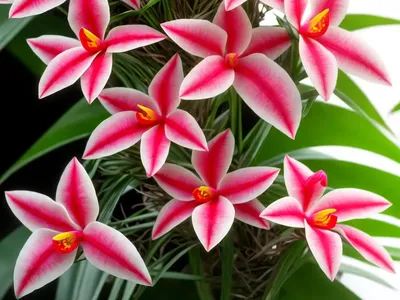
Pigeon Orchid (Dendrobium Crumenatum)
Plants are fascinating organisms that come in a wide variety of shapes, sizes, and forms. One particularly intriguing type of plant is the Pigeon Orchid.
Introduction
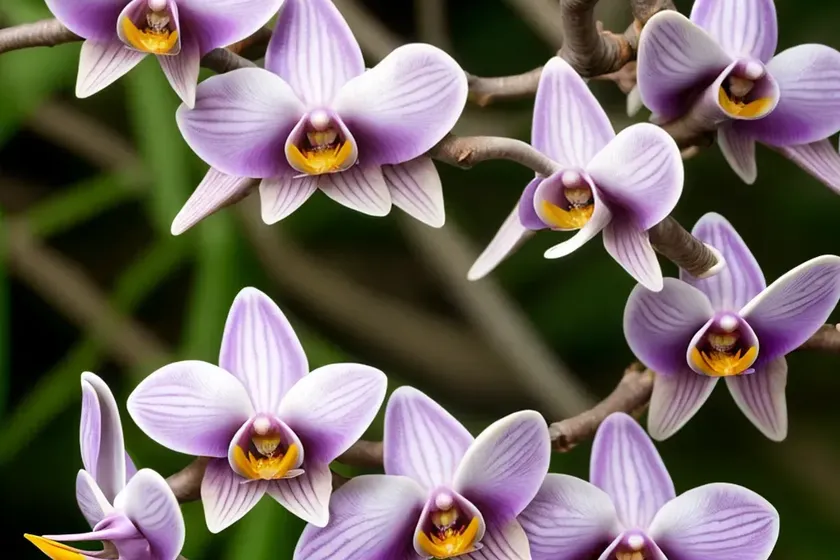
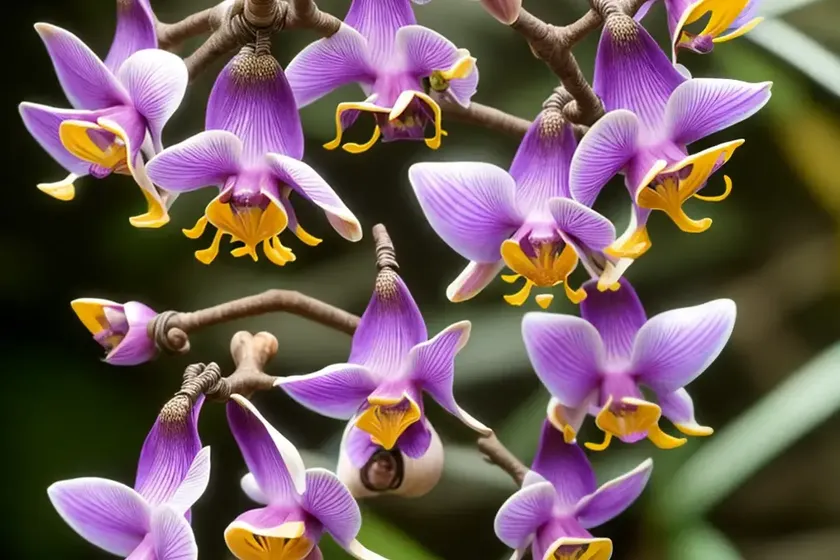
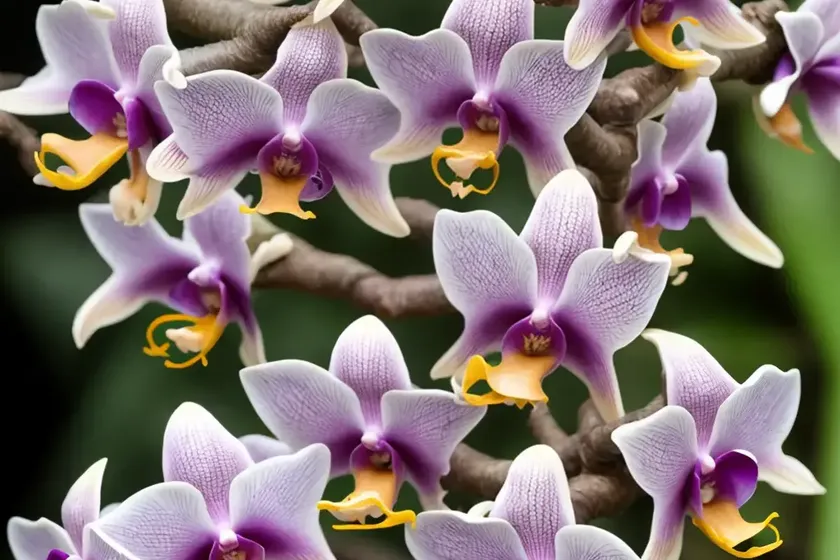
Plants are fascinating organisms that come in a wide variety of shapes, sizes, and forms. One particularly intriguing type of plant is the Pigeon Orchid (Dendrobium Crumenatum), which captivates with its delicate blooms and distinct charm. In this blog post, we will explore the world of Pigeon Orchids, also known as Dendrobium Crumenatum, and learn about their culture, uses, care requirements, and much more.
What is Pigeon Orchid (Dendrobium Crumenatum)?
The Pigeon Orchid, scientifically known as Dendrobium Crumenatum, is a beautiful species of orchid that belongs to the genus Dendrobium in the family Orchidaceae. This enchanting plant is native to Southeast Asia, where it can be found in countries such as Indonesia, Malaysia, the Philippines, and Papua New Guinea.
Key Takeaways – Pigeon Orchid (Dendrobium Crumenatum)
Before delving deeper into the world of Pigeon Orchids, let’s take a moment to highlight the key takeaways about this captivating plant:
- Plant Name: Pigeon Orchid (Dendrobium Crumenatum)
- Scientific Name: Dendrobium Crumenatum
- Family: Orchidaceae
- Native Habitat: Southeast Asia
- Blooming Season: Spring
Now that we have a brief overview of this stunning orchid, let’s explore its culture, uses, and care requirements in more detail.
Culture
Understanding the culture and natural habitat of the Pigeon Orchid is essential for providing it with the best possible growing conditions. Let’s take a closer look at the cultural requirements of the Dendrobium Crumenatum.
Habitat
Pigeon Orchids are epiphytic plants, meaning that they naturally grow on other plants, such as trees, without being parasitic. In their native habitat of Southeast Asia, these orchids can be found adorning the branches of trees in tropical forests. They thrive in warm, humid environments and are often exposed to bright, filtered light.
Sunlight Requirements
When cultivating Pigeon Orchids, providing the right amount of sunlight is crucial for their growth and blooming. These orchids prefer bright, indirect light and thrive in locations where they can receive ample natural light without being exposed to direct sunlight, which can scorch their delicate foliage.
Watering
Proper watering is essential for maintaining the health and vigor of Pigeon Orchids. These plants require consistently moist but well-draining conditions. Overwatering can lead to root rot, while underwatering can cause the orchid to become dehydrated. It’s important to find the right balance and monitor the plant’s moisture needs closely.
Soil Requirements
Since Pigeon Orchids are epiphytic, they do not grow in soil in their natural habitat. When cultivated, they are typically potted in a well-draining orchid mix that mimics the loose, aerated growing conditions they prefer. This can include a blend of materials such as bark, sphagnum moss, and perlite to provide the necessary air circulation around the roots.
Fertilizer
Proper fertilization plays a vital role in the healthy growth and blooming of Pigeon Orchids. During the growing season, which typically spans from spring to fall, it is important to provide these orchids with a balanced orchid fertilizer at regular intervals. This assists in supplying essential nutrients to the plants as they develop new growth and prepare for blooming.
Pruning
Pruning is an important aspect of Pigeon Orchid care, especially when it comes to maintaining the health and appearance of the plant. Trimming dead or spent blooms, as well as any damaged or yellowing foliage, helps to promote new growth and keeps the orchid looking its best.
Uses
Aside from their ornamental value, Pigeon Orchids also hold significance in various other aspects, including cultural symbolism and even potential medicinal uses. Let’s explore the different dimensions of the Dendrobium Crumenatum’s uses and significance.
Symbolism
In different cultures, orchids have been associated with various symbolic meanings, often representing love, beauty, and elegance. Pigeon Orchids, with their striking appearance and graceful blooms, are no exception. They are often admired for their ethereal beauty and are sometimes used to convey messages of admiration and respect.
Medicinal Properties
In traditional medicine, certain species of orchids, including some Dendrobium varieties, have been utilized for their potential medicinal properties. While it’s important to exercise caution and seek professional advice when considering the use of any plant for medicinal purposes, the study of orchids in traditional medicine continues to intrigue researchers and botanists.
Propagation
Understanding how to propagate Pigeon Orchids is essential for expanding their presence in your collection or sharing them with other enthusiasts. Let’s delve into the various methods of propagating Dendrobium Crumenatum.
Propagation of Pigeon Orchids can be achieved through several methods, including:
- Division: This involves separating the plant into smaller sections, each with its own growth points and roots, to create new individual plants.
- Keiki (Baby Plant) Production: Some Dendrobium species are capable of producing keiki, or baby plants, along their stems or in the axils of their pseudobulbs. These keiki can be carefully removed and potted to establish new plants.
- Backbulb Propagation: Backbulbs, which are mature pseudobulbs that have already bloomed, can be utilized to propagate new plants by encouraging them to produce new growth and roots.
Container Gardening
Cultivating Pigeon Orchids in containers allows enthusiasts to enjoy these enchanting plants in various settings, from indoor displays to outdoor gardens. Let’s explore the factors to consider when growing Dendrobium Crumenatum in containers.
Container Selection
Selecting the right container is crucial for the successful cultivation of Pigeon Orchids. It’s important to choose containers with adequate drainage holes to ensure that excess water can freely escape, preventing waterlogged conditions that can be detrimental to the orchids. Additionally, containers with ample airflow around the roots can help mimic the orchids’ natural growing conditions.
Repotting
As with many types of orchids, Pigeon Orchids benefit from periodic repotting to refresh their growing medium and provide them with the necessary space for healthy root growth. Repotting should be carried out carefully, ensuring that the plant’s delicate roots are not damaged in the process.
Popularity
Pigeon Orchids have garnered attention and popularity among orchid enthusiasts and nature lovers due to their alluring aesthetic qualities and intriguing cultural significance. Whether showcased in botanical gardens, private collections, or floral displays, these orchids never fail to captivate with their elegant blooms and graceful presence.
Common Diseases and Pests
Despite their resiliency, Pigeon Orchids can be susceptible to certain diseases and pests when their growing conditions are unfavorable. Being aware of these potential issues is important for protecting the health and vitality of these enchanting plants.
Common Diseases
Some of the common diseases that can affect Pigeon Orchids include:
- Root Rot: Caused by overwatering or poor drainage, root rot can lead to the decay of the orchid’s root system and compromise its overall health.
- Leaf Spot: This fungal disease can manifest as dark spots or lesions on the leaves, potentially affecting the orchid’s ability to photosynthesize and thrive.
- Bacterial Soft Rot: Characterized by soft, water-soaked areas on the plant, bacterial soft rot can rapidly spread and cause severe damage if not addressed promptly.
Disease Diagnosis
Diagnosing and addressing diseases in Pigeon Orchids requires vigilance and careful observation. By monitoring the plant for changes in its foliage, root system, and overall vigor, it is possible to identify signs of potential disease and take appropriate measures to mitigate their impact.
Common Pests
Pests that may pose a threat to Pigeon Orchids include:
- Aphids: These small, sap-sucking insects can colonize on the foliage and stems of orchids, causing damage and potentially spreading viral diseases.
- Scale Insects: Scale insects can appear as small, waxy bumps on the plant and feed on its sap, leading to weakened growth and potential decline if left unaddressed.
- Spider Mites: These tiny pests can infest Pigeon Orchids, causing stippling on the leaves and leading to reduced vigor and overall health of the plant.
Pest Control
Implementing integrated pest management strategies, including regular monitoring, cultural practices, and, if necessary, targeted applications of horticultural oils or insecticidal soaps, can help control and manage pest infestations on Pigeon Orchids while minimizing the impact on the plant and its surroundings.
Botanist’s Tips
To cultivate and care for Pigeon Orchids successfully, it’s helpful to consider a few botanist-approved tips that can contribute to the well-being of these captivating plants.
Tip 1: Monitor Moisture Levels
Regularly assess the moisture levels in the growing medium to ensure that it remains evenly moist without becoming waterlogged or overly dry, optimizing the conditions for healthy root growth.
Tip 2: Provide Adequate Air Circulation
Promote good air circulation around the orchids by selecting well-ventilated growing spaces and containers, which can help prevent the development of fungal diseases and maintain optimal growing conditions.
Tip 3: Adjust Fertilization
Tailor the frequency and strength of fertilizer applications to meet the specific needs of Pigeon Orchids at different stages of growth, such as adjusting the formulation during the blooming season to support robust flowering.
Tip 4: Regularly Inspect for Pests
Perform routine inspections of the orchids for any signs of pest activity, such as distorted foliage or the presence of pests themselves, and take swift action to prevent infestations from spreading.
Fun Facts
Uncover some intriguing and delightful fun facts about Pigeon Orchids that highlight their unique characteristics and contributions to the world of plants and nature.
- Fragrant Blooms: Certain varieties of Pigeon Orchids produce delightfully fragrant blooms, adding an olfactory dimension to their already captivating allure.
- Wildlife Habitat: In their natural environment, Pigeon Orchids help create vital habitats for a diverse array of wildlife, including insects, birds, and other flora and fauna that depend on these orchids for sustenance and shelter.
- Spring Blooming: Pigeon Orchids typically bloom in the spring, gracing their surroundings with their delicate blossoms and bringing a touch of seasonal beauty to their environments.
Links to External Resources
To further your knowledge and appreciation of Pigeon Orchids and Dendrobium Crumenatum, here are some valuable external resources that offer additional insights and information:
- American Orchid Society – Dendrobium Crumenatum
- Royal Horticultural Society – Growing Orchids
- Orchid Conservation Alliance
In conclusion, the Pigeon Orchid (Dendrobium Crumenatum) stands as a captivating and revered member of the orchid family, captivating enthusiasts with its alluring blooms and distinctive cultural significance. By understanding and embracing its cultural requirements, uses, and care guidelines, we can cultivate and appreciate these charming orchids with confidence and admiration. Whether gracing our homes, gardens, or botanical sanctuaries, the Pigeon Orchid continues to captivate and inspire with its timeless elegance and ethereal charm.