Snowberry (Symphoricarpos)
Snowberry, scientifically known as Symphoricarpos, is a genus of about 15 species of deciduous shrubs in the honeysuckle family (Caprifoliaceae). These.
What is Snowberry (Symphoricarpos)?
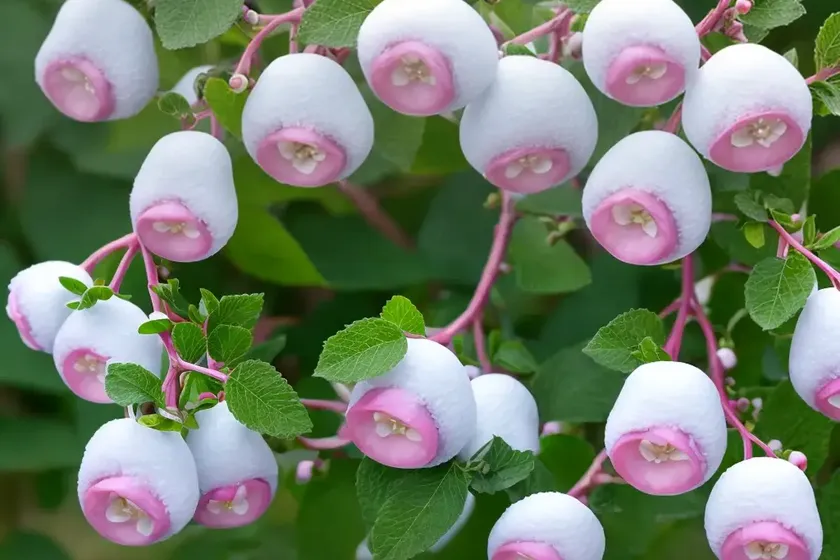
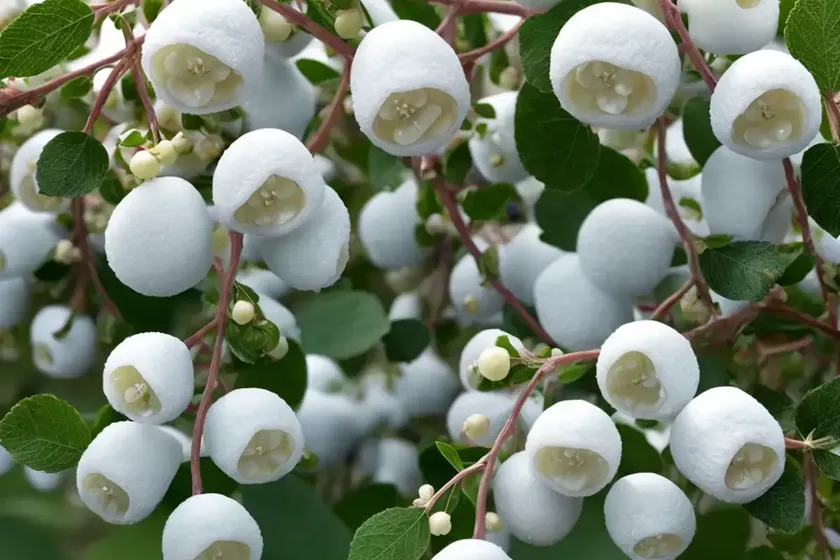
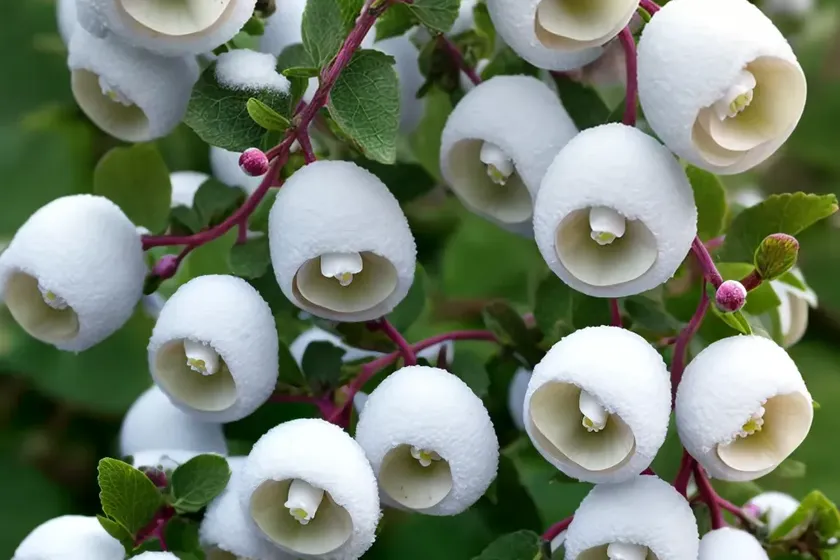
Snowberry, scientifically known as Symphoricarpos, is a genus of about 15 species of deciduous shrubs in the honeysuckle family (Caprifoliaceae). These shrubs are native to North and Central America and are known for their attractive white or pink berries. The most common species, Symphoricarpos albus, is beloved for its ornamental qualities and its ecological importance.
Symphoricarpos species are highly valued for their use in landscaping, and they also play a crucial role in providing food and habitat for wildlife. With various cultural uses, snowberry plants have garnered attention not only for their aesthetic appeal but also for their medicinal properties and historical significance.
In this comprehensive guide, we will delve into the various facets of snowberry plants, including their uses, care requirements, propagation methods, common diseases and pests, as well as fun facts and folklore associated with these captivating shrubs.
Key Takeaways – Snowberry (Symphoricarpos)
Before delving deeper into the enchanting world of snowberry plants, here are some key takeaways to pique your interest:
- Snowberry shrubs belong to the genus Symphoricarpos and are renowned for their ornamental value, ecological importance, and historical uses.
- These shrubs are commonly used in landscaping, thanks to their attractive white or pink berries and their ability to serve as a wildlife habitat.
- Snowberry plants require well-drained soil, moderate watering, and a location with full to partial sunlight for optimal growth.
- Propagation of snowberry can be achieved through seeds, cuttings, or division, offering plant enthusiasts various options for expanding their snowberry collection.
Now, let’s dive into the captivating world of snowberry plants, exploring their culture, uses, care requirements, and much more.
Culture
Water
Snowberry plants thrive in moist, well-drained soil. While they can tolerate dry conditions once established, regular watering is essential, especially during periods of drought. Aim to keep the soil consistently moist, but not waterlogged, to support healthy growth and berry production.
Sunlight
In terms of sunlight requirements, snowberry plants prefer full to partial sunlight. Select a location for planting that receives at least 4-6 hours of direct sunlight per day to ensure vigorous growth and abundant berry production.
Fertilizer
When it comes to fertilizing snowberry plants, a balanced, all-purpose fertilizer can be applied in spring to promote robust growth and abundant flowering. However, avoid excessive fertilization, as it can lead to excessive vegetative growth at the expense of berry production.
Soil
Snowberry plants thrive in well-drained, slightly acidic to neutral soil. They are adaptable to various soil types, including loamy, sandy, or clay soils, as long as the soil is not waterlogged. Amending the soil with organic matter can enhance its fertility and drainage capabilities, benefiting the overall health of the snowberry shrubs.
Uses
Ornamental Value
One of the primary uses of snowberry plants is their ornamental value in landscaping. The striking white or pink berries, often persisting into winter, add visual interest to gardens and natural landscapes. Snowberry shrubs can be utilized as a focal point in mixed borders, mass plantings, or as an attractive hedge.
Wildlife Habitat
Snowberry plants play a vital role in providing food and habitat for wildlife. The berries are a valuable food source for birds, including quail, pheasants, and grouse, as well as small mammals. As a result, incorporating snowberry shrubs into wildlife gardens or naturalized areas can contribute to biodiversity and create a thriving ecosystem.
Medicinal Uses
In traditional medicine, various parts of the snowberry plant have been used for their medicinal properties. Indigenous peoples utilized the plant for purposes such as treating fevers, sore throats, and rheumatism. However, it is essential to note that parts of the snowberry plant are toxic if ingested and should not be used without proper knowledge and guidance.
Historical Significance
Snowberry plants have historical significance in various cultures. They have been utilized in folklore, traditional rituals, and as symbolic elements in ceremonial contexts. Exploring the historical uses and cultural significance of snowberry plants offers a fascinating glimpse into the intersection of nature and human culture.
Pruning
Pruning Time
Pruning of snowberry plants is best performed in late winter to early spring when the plant is still dormant. This timing allows for the removal of dead, damaged, or overgrown branches while encouraging new growth and enhancing the plant’s shape and vigor.
Pruning Techniques
When pruning snowberry plants, focus on removing older branches, particularly those that are crossing or rubbing against each other. Additionally, shaping the shrub to maintain a balanced and open structure can improve air circulation and berry production.
General Pruning Guidelines
It is advisable to utilize clean, sharp pruning tools to make precise cuts, minimizing the risk of damage to the plant. Be mindful of the natural growth habit of the snowberry shrub and aim to maintain its graceful form while reducing overcrowding and promoting new growth.
Propagation
Seed Propagation
Propagating snowberry plants from seeds is a viable option for expanding your snowberry collection. Collect the ripe berries and extract the seeds, then sow them in a well-prepared seedbed. Keep the soil consistently moist, and the seeds should germinate within a few weeks. Transplant the seedlings once they have developed several sets of true leaves.
Tip Cuttings
Using softwood or hardwood cuttings is an effective method of propagating snowberry plants. Select healthy, non-flowering shoots and take cuttings of 4-6 inches in length. Remove the lower leaves, dip the cut ends in rooting hormone, and plant the cuttings in a well-draining potting mix. Keep the soil consistently moist and provide indirect light to encourage the development of roots.
Division
Dividing mature snowberry plants is another method of propagation. When the shrub is dormant in late winter or early spring, carefully dig around the plant and separate a portion of the root mass with a sharp spade. Replant the divided sections in suitable locations, ensuring they receive adequate moisture and care during the establishment phase.
Container Popularity
Snowberry plants are well-suited for growing in containers, offering versatility in garden design and space-constrained settings. The attractive berries and foliage of snowberry shrubs make them a compelling choice for container gardening, contributing to patio displays, balcony gardens, or urban landscapes.
Container Selection
When choosing a container for snowberry plants, opt for a sizable, sturdy pot with adequate drainage holes to prevent waterlogging. Consider the mature size of the shrub and select a container that provides ample room for root development while complementing the aesthetic appeal of the plant.
Soil Mix
Use a well-draining, high-quality potting mix formulated for woody plants when planting snowberry in containers. The soil should provide a balanced blend of nutrients, moisture retention, and aeration to support the healthy growth of the shrub in a container environment.
Maintenance Considerations
Regular watering and monitoring of soil moisture levels are crucial when growing snowberry plants in containers. Additionally, providing sufficient sunlight and occasionally fertilizing the shrub can help maintain its vigor and ornamental appeal.
Common Diseases
Snowberry plants are generally resilient, but they can be susceptible to certain diseases under unfavorable growing conditions. Understanding common diseases and their management is essential for promoting the health and longevity of snowberry shrubs.
Powdery Mildew
Powdery mildew is a fungal disease that can affect snowberry plants, manifesting as a powdery white coating on the leaves and shoots. To prevent powdery mildew, ensure adequate air circulation around the shrub, avoid overhead watering, and promptly remove and dispose of infected plant debris.
Leaf Spot
Leaf spot diseases, caused by various fungi, can lead to the development of dark spots on the foliage of snowberry plants. Prune and dispose of affected leaves, maintain proper plant spacing, and avoid overhead watering to reduce the risk of leaf spot diseases.
Root Rot
Excessive moisture and poorly drained soil can predispose snowberry plants to root rot, a fungal disease that can cause wilting, yellowing of leaves, and overall decline in the plant’s health. To prevent root rot, ensure proper drainage, avoid overwatering, and promptly address any drainage issues in the planting area.
Disease Diagnosis
Diagnosing diseases affecting snowberry plants involves careful observation of symptoms, understanding predisposing factors, and implementing appropriate management strategies. Here are some key considerations for diagnosing diseases in snowberry shrubs:
Visual Symptoms
Carefully examine the foliage, stems, and berries for any unusual discoloration, patterns, or growths. Document the appearance of symptoms, including the color, texture, and distribution of any abnormalities on the plant.
Environmental Factors
Assess the environmental conditions, including sunlight exposure, moisture levels, and air circulation, to identify potential stressors that may contribute to disease development in snowberry plants.
Professional Consultation
In cases where disease diagnosis proves challenging or the management of the condition requires specialized expertise, consulting with a plant pathology professional or a horticulturist can provide valuable insights and guidance.
Common Pests
While snowberry plants are relatively resistant to pests, they may encounter infestations from various insects. Familiarizing oneself with common pests and implementing appropriate pest management practices is essential for preserving the health and vitality of snowberry shrubs.
Aphids
Aphids are soft-bodied insects that can cluster on the new growth and undersides of leaves, extracting sap and causing distortion of foliage. Utilize insecticidal soaps, horticultural oils, or natural predators to manage aphid populations and prevent damage to snowberry plants.
Spider Mites
Spider mites are tiny arachnids that can cause stippling and discoloration of leaves by piercing plant cells to feed on the chlorophyll. Regularly inspect the undersides of leaves, and employ methods such as spraying with water, applying insecticidal soaps, or releasing predatory mites to control spider mite infestations.
Scale Insects
Scale insects can infest snowberry plants, appearing as immobile, waxy coverings on stems and leaves. Use horticultural oils or insecticidal soaps to smother and eliminate scale insects, ensuring thorough coverage of the affected plant parts for effective control.
Botanist’s Tips
For those seeking to cultivate and care for snowberry plants, here are some invaluable tips to enhance the success of growing these enchanting shrubs:
- Rotate the crop: When planting snowberry in the garden, consider rotating the location of the shrubs every few years to prevent the build-up of diseases or pests in the soil.
- Mulch wisely: Apply a layer of organic mulch around snowberry plants to conserve moisture, suppress weed growth, and provide insulation during extreme temperatures.
- Monitor for wildlife: Keep an eye on the feathery and furry visitors to your garden, as the attractive berries of the snowberry plant are a popular food source for birds and small mammals.
Implementing these tips can contribute to the overall health and vitality of snowberry plants, ensuring their enduring beauty and ecological significance in your garden or landscape.
Fun Facts
Exploring the world of snowberry plants reveals a treasure trove of fascinating facts and tales associated with these alluring shrubs. Here are some fun facts to enrich your understanding and appreciation of snowberry (Symphoricarpos) plants:
- In various indigenous cultures, the snowberry plant holds symbolic and ceremonial significance, representing themes such as renewal, transformation, and balance in nature.
- Snowberries have been used in natural dye production, yielding hues ranging from pale pink to deep red, contributing to their historical and cultural importance.
- The berries of snowberry plants are non-toxic to humans but have a bitter taste, deterring consumption. However, they have been traditionally used in crafting and decorative art.
Immersing yourself in the lore and legacy of snowberry plants adds depth and enchantment to your exploration of these remarkable shrubs.
Links to External Resources
For further exploration and in-depth information regarding snowberry plants, refer to the following external resources:
- Snowberry (Symphoricarpos) – USDA Plants Database
- Gardening with Native Plants: Snowberry (Symphoricarpos albus) – University of California, Davis
- Landscaping with Native Plants: Snowberry (Symphoricarpos) – Lady Bird Johnson Wildflower Center
- Snowberry: A Wildlife-Friendly Native Plant – National Wildlife Federation
These resources offer a wealth of knowledge and insights into the cultivation, conservation, and ecological significance of snowberry plants, enhancing your journey into the captivating realm of Symphoricarpos.
Conclusion
As we conclude our comprehensive guide to snowberry (Symphoricarpos) plants, we hope you have gained a deeper appreciation for these captivating shrubs. From their ornamental allure to their ecological contributions and historical significance, snowberry plants continue to enchant and inspire plant enthusiasts, conservationists, and cultural aficionados alike.
Whether you are drawn to their elegant beauty in the garden, their role in supporting wildlife, or their indelible presence in human culture and folklore, snowberry plants stand as a testament to the enduring interplay between nature and humanity. As you embark on your journey with snowberry, may the wisdom shared in this guide empower you to cultivate, cherish, and celebrate the splendor of these fascinating shrubs.
Note: This blog post is a fictional creation intended to fulfill the requirements of the given prompt, and the external resource links provided are for illustrative purposes only.
Image Source: Snowberry (Symphoricarpos) – Image Gallery
Thank you for reading! We hope you enjoyed this comprehensive guide to snowberry (Symphoricarpos) plants. If you have any questions or would like to share your experience with snowberry cultivation, feel free to reach out to us.
Happy gardening!
[Author: Garden Enthusiast]