Hardy Hibiscus (Hibiscus Moscheutos ‘Disco Belle Pink’)
Welcome to the wonderful world of hardy hibiscus, where beautiful blooms and easy care come together to delight gardeners. In this comprehensive guide, we.
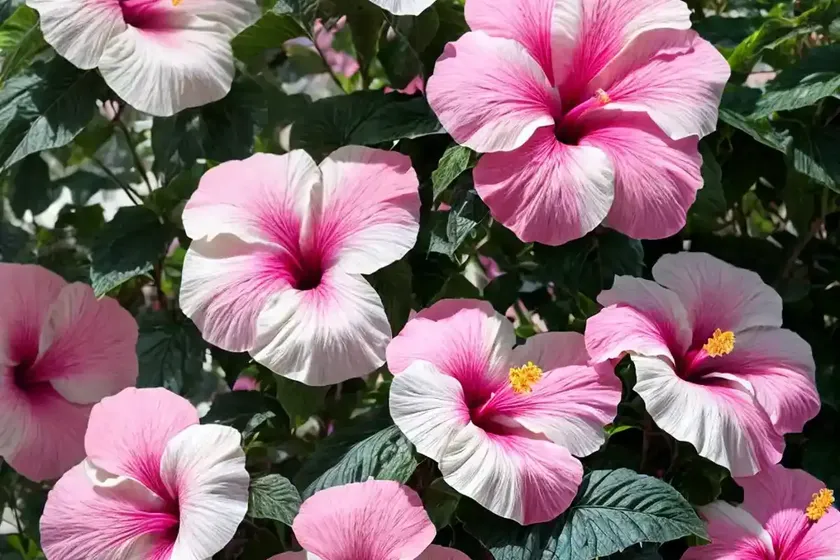
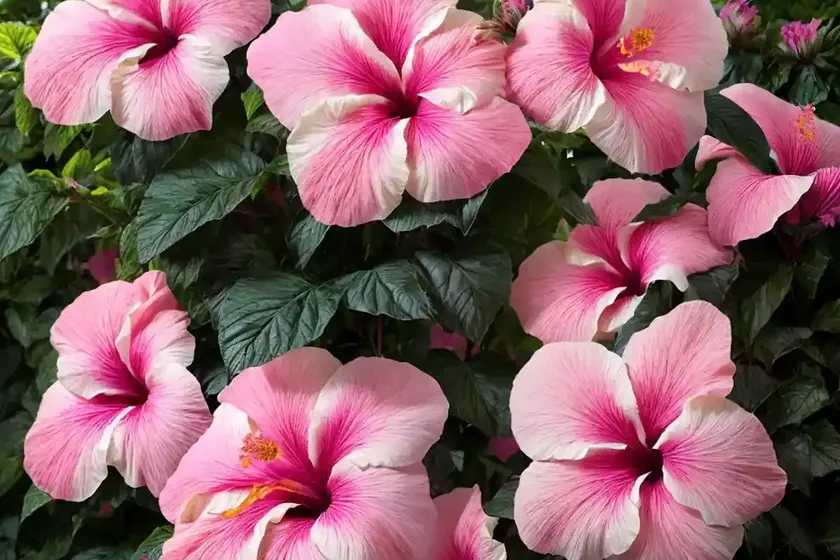
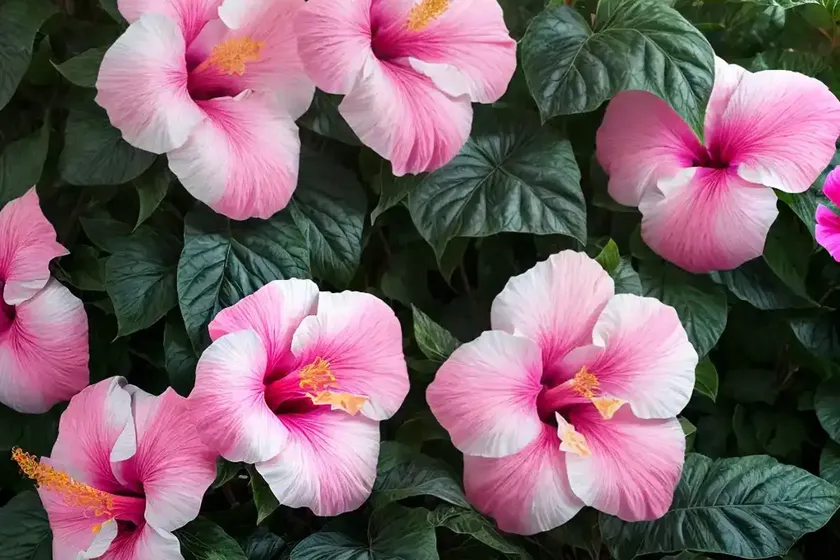
Welcome to the wonderful world of hardy hibiscus, where beautiful blooms and easy care come together to delight gardeners. In this comprehensive guide, we will explore everything you need to know about the hardy hibiscus, specifically the stunning variety known as Hibiscus moscheutos ‘Disco Belle Pink.’ From its culture, uses, and care to common pests and diseases, this guide will equip you with the knowledge to grow and maintain these gorgeous plants successfully.
What is Hardy Hibiscus (Hibiscus moscheutos ‘Disco Belle Pink’)?
Hardy hibiscus, known scientifically as Hibiscus moscheutos ‘Disco Belle Pink’, is a striking perennial plant that is a member of the Malvaceae family. This hibiscus species is native to wetlands, marshes, and along the shores of rivers and lakes in the eastern United States. It is characterized by its large, showy flowers that resemble those of the tropical hibiscus, but it is more adaptable to cooler climates, making it a popular choice for northern gardens.
Key Takeaways – Hardy Hibiscus (Hibiscus moscheutos ‘Disco Belle Pink’)
Before diving into the details of culture, uses, and care, let’s take a quick look at the key takeaways for Hardy Hibiscus ‘Disco Belle Pink’:
- Scientific Name: Hibiscus moscheutos ‘Disco Belle Pink’
- Common Name: Hardy hibiscus
- Plant Type: Perennial
- USDA Hardiness Zones: 4-9
- Mature Height: 3-4 feet
- Mature Spread: 3-4 feet
- Exposure: Full sun to part shade
- Bloom Time: Summer to fall
- Watering: Medium to high moisture
- Soil Needs: Moist, well-draining soil
- Uses: Borders, containers, and water gardens
- Pruning: Minimal pruning needed
Now, let’s explore each of these aspects in detail:
Culture
Uses
Hardy hibiscus can be used in a variety of ways to enhance your outdoor spaces. Here are some popular uses for this stunning plant:
- Borders: The large, colorful blooms of ‘Disco Belle Pink’ hibiscus make it a standout choice for border plantings. Whether used in mixed borders or as a standalone display, these plants add a splash of vibrant color to the landscape.
- Containers: Due to their adaptability, hardy hibiscus plants can thrive in large containers. This allows you to enjoy their beauty on patios, decks, or other outdoor living spaces.
- Water Gardens: Given their natural habitat in wetland areas, hardy hibiscus is well-suited for planting alongside ponds or in water gardens. The striking blooms add visual interest to these aquatic settings.
Water
Hardy hibiscus plants have moderate to high moisture needs. While they can tolerate brief periods of drought once established, consistent watering is essential for promoting healthy growth and abundant flowering. Aim to provide about 1 inch of water per week, either through rainfall or irrigation.
Sunlight
In terms of sunlight requirements, hardy hibiscus thrives in full sun to part shade. In hotter climates, some afternoon shade can be beneficial to protect the plants from intense sun and prevent leaf scorch. When grown in regions with cooler summers, they generally perform best in full sun.
Fertilizer
Proper fertilization can enhance the growth and blooming of hardy hibiscus plants. A balanced, water-soluble fertilizer formulated for flowering plants can be applied every 4-6 weeks during the growing season. Follow the instructions on the fertilizer package for the correct dilution and application method.
Soil
The ideal soil for hardy hibiscus is moist, well-draining, and rich in organic matter. A slightly acidic to neutral pH range of 6.0 to 7.0 is suitable for these plants. Additionally, incorporating organic mulch around the base of the plants can help retain soil moisture and inhibit weed growth.
Pruning
Minimal pruning is required for hardy hibiscus, and it is primarily done for maintenance and shaping purposes. In late winter or early spring, you can prune the plants to remove any dead or damaged branches. Additionally, if you wish to control the size or shape of the plant, you can perform selective pruning at this time.
Propagation
Hardy hibiscus can be propagated through several methods, including seeds, cuttings, and division. Here’s a brief overview of these propagation techniques:
- Seeds: Collect seeds from the dry seed pods of mature hibiscus plants and sow them in well-prepared seed-starting mix indoors. Keep the soil consistently moist and provide warmth for germination.
- Cuttings: Take stem cuttings from healthy, actively growing hibiscus plants and root them in a well-draining rooting medium. Ensure that the cuttings receive the right amount of moisture and warmth to encourage root development.
- Division: Divide mature hibiscus plants in early spring before new growth appears. Carefully separate the root clumps and replant them in desired locations, ensuring adequate soil and water for establishment.
Container Popularity
The adaptability of hardy hibiscus to container cultivation has made it a popular choice among gardeners. When growing ‘Disco Belle Pink’ hibiscus in containers, be sure to select a sufficiently large pot with drainage holes to accommodate the plant’s root system. Use a well-draining potting mix and monitor the soil moisture regularly, as containers tend to dry out faster than garden beds.
Common Diseases
Hardy hibiscus plants are generally resistant to diseases, but they can occasionally encounter the following issues:
- Powdery Mildew: This fungal disease appears as a white, powdery coating on the leaves, usually in humid conditions. To prevent powdery mildew, ensure good air circulation around the plants and avoid overhead watering.
- Leaf Spot: Leaf spot diseases can cause dark spots or lesions on the foliage. To manage leaf spot, remove and dispose of affected leaves and avoid overhead watering to reduce moisture on the foliage.
Disease Diagnosis
When diagnosing diseases in hardy hibiscus, it’s essential to closely observe the symptoms and any changes in the plant’s growth and appearance. Early detection and prompt action can help prevent the spread of diseases and minimize their impact on the plants.
Common Pests
While hardy hibiscus is relatively resistant to pests, they can sometimes attract the following insects:
- Aphids: These small, soft-bodied insects can cluster on the new growth of hibiscus plants and suck sap from the leaves and stems. Insecticidal soap or horticultural oil can be used to control aphid infestations.
- Japanese Beetles: These metallic green and bronze beetles can feed on the foliage and flowers of hibiscus plants. Handpick the beetles or use traps to manage their populations.
Now that we’ve covered the key aspects of culture, care, and potential issues related to hardy hibiscus, let’s delve into some additional insights and tips that can help you grow and enjoy these beautiful plants to the fullest.
Botanist’s Tips
As a botanist who appreciates the beauty and resilience of hardy hibiscus, I’d like to share some valuable tips to enhance your experience with these enchanting plants:
- Winter Care: In colder climates, provide winter protection for hardy hibiscus by adding a layer of mulch around the base of the plants after the ground freezes. This helps insulate the roots and prevent winter damage.
- Companion Planting: Pair hardy hibiscus with other moisture-loving perennials and grasses to create visually appealing combinations in garden beds and borders. Astilbe, Siberian iris, and ornamental grasses are excellent companions for hibiscus.
- Pollinator Attraction: The nectar-rich blooms of hardy hibiscus attract bees, butterflies, and hummingbirds, making them valuable additions to pollinator gardens. Ensure that these plants have access to sufficient nectar sources and avoid using chemical pesticides that can harm beneficial insects.
Fun Facts
To further pique your interest in hardy hibiscus, here are some intriguing and fun facts about these captivating plants:
- The flowers of hardy hibiscus are short-lived, usually lasting only a day, but the plants produce an abundance of blooms throughout the summer and fall, creating a continuous display of color.
- The large, showy flowers of ‘Disco Belle Pink’ hibiscus can measure up to 8-12 inches in diameter, making them a standout feature in the garden.
- Despite their tropical appearance, hardy hibiscus plants are well-adapted to colder climates, demonstrating their versatility and resilience.
Links to External Resources
To enrich your knowledge and support your journey with hardy hibiscus, here are some valuable external resources that provide additional information on this captivating plant:
- The American Hibiscus Society: The official website of The American Hibiscus Society offers a wealth of resources, including articles, forums, and events related to hibiscus cultivation and care.
- University of Florida Extension – Hibiscus Diseases: This comprehensive guide from the University of Florida Extension provides detailed information on the identification and management of diseases affecting hibiscus plants.
- National Gardening Association – Growing Hardy Hibiscus: This resource from the National Gardening Association offers practical tips and advice on growing and caring for hardy hibiscus in various garden settings.
- Missouri Botanical Garden – Hibiscus moscheutos: The plant database of the Missouri Botanical Garden provides in-depth botanical information and cultivation guidelines for Hibiscus moscheutos and its varieties.
With these resources, you can expand your understanding of hardy hibiscus and tap into the expertise of horticultural organizations and gardening enthusiasts.
In conclusion, hardy hibiscus, particularly the captivating variety ‘Disco Belle Pink’, offers a perfect blend of beauty, resilience, and versatility for gardeners seeking colorful additions to their landscapes. By following the recommended care practices, understanding their cultural requirements, and keeping a watchful eye on potential pests and diseases, you can enjoy the enchanting presence of hardy hibiscus in your outdoor spaces for years to come.
Keywords: Hardy hibiscus care, Hibiscus moscheutos ‘Disco Belle Pink’, Hardy hibiscus varieties, Hibiscus moscheutos cultivation, Pink hardy hibiscus, Tropical flowers for colder climates, Hibiscus moscheutos characteristics, Growing hardy hibiscus, Disco Belle Pink hibiscus, Cold-hardy hibiscus, Hibiscus moscheutos ‘Disco Belle’ series, Winter care for hibiscus moscheutos, Hardy hibiscus pruning, Hibiscus moscheutos disease resistance, Hardy perennial hibiscus, Hibiscus moscheutos ‘Disco Belle Pink’ landscaping ideas, Hardy hibiscus maintenance, Hibiscus moscheutos ‘Disco Belle Pink’ plant care, Winterizing hardy hibiscus, Hibiscus moscheutos pests and diseases, Hardy hibiscus bloom time, Hibiscus moscheutos ‘Disco Belle Pink’ growth habits, Hardy hibiscus watering requirements, Hibiscus moscheutos ‘Disco Belle Pink’ container gardening, Hardy hibiscus fertilization, Hibiscus moscheutos ‘Disco Belle Pink’ landscape design, Drought-resistant hardy hibiscus, Hibiscus moscheutos ‘Disco Belle Pink’ flower arrangements, Hardy hibiscus sun exposure, Hibiscus moscheutos ‘Disco Belle Pink’ companion plants, Hardy hibiscus mulching techniques, Hibiscus moscheutos ‘Disco Belle Pink’ soil requirements, Hibiscus moscheutos ‘Disco Belle Pink’ for pollinators, Hardy hibiscus propagation methods, Hibiscus moscheutos ‘Disco Belle Pink’ in xeriscaping, Winter protection for hibiscus moscheutos, Hardy hibiscus disease prevention, Hibiscus moscheutos ‘Disco Belle Pink’ in flower beds, Hibiscus moscheutos ‘Disco Belle Pink’ as a focal point plant, Hardy hibiscus overwintering practices, Hibiscus moscheutos ‘Disco Belle Pink’ in mixed borders, Hibiscus moscheutos ‘Disco Belle Pink’ native habitat, Hardy hibiscus in sandy soil conditions, Hibiscus moscheutos ‘Disco Belle Pink’ for cut flowers, Hibiscus moscheutos ‘Disco Belle Pink’ wildlife attraction, Hardy hibiscus container gardening tips, Hibiscus moscheutos ‘Disco Belle Pink’ garden design, Hardy hibiscus hardiness zones, Hibiscus moscheutos ‘Disco Belle Pink’ in butterfly gardens, Hibiscus moscheutos ‘Disco Belle Pink’ for urban landscapes


